Image source: instahimachal.com
About Halda Festival
While most people are familiar with Diwali, the Festival of Lights celebrated across India, few have heard of the fascinating Halda Festival of Himachal Pradesh. Celebrated in the remote and snow-covered valleys of Lahaul, Halda is often referred to as the “Diwali of Lahaul.” Known locally as Halda or Khogal, this unique festival illuminates the harsh Himalayan winter with fire, community gatherings, and centuries-old traditions.
The mountains of Himachal Pradesh are not only known for their breathtaking landscapes but also for their rich cultural heritage. Hidden among these high-altitude valleys are ancient folk festivals that have been preserved for generations. Halda is one such celebration that reflects the history, beliefs, and communal spirit of the people of Lahaul.
A Celebration Amidst Snowy Landscapes
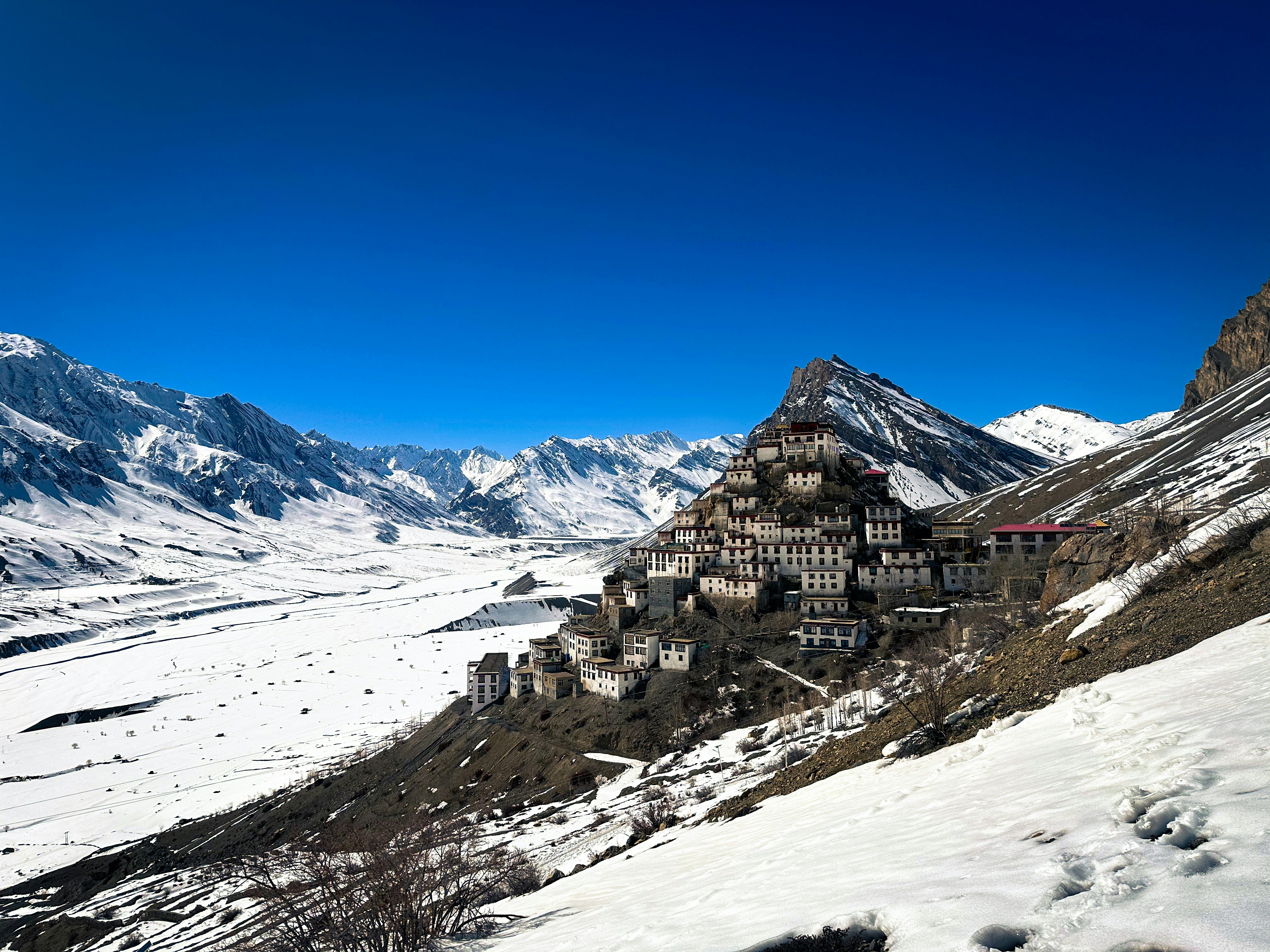
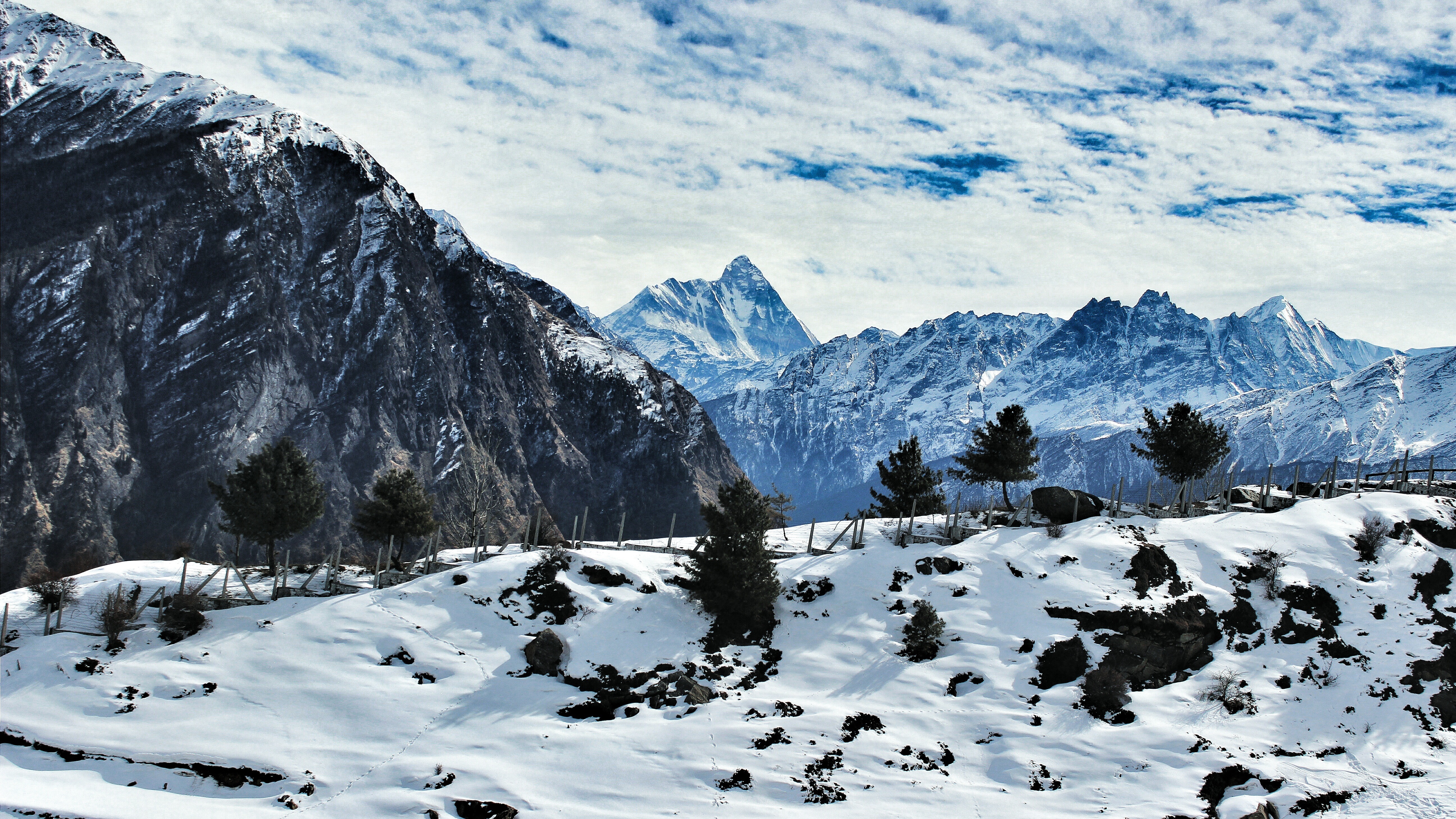
Halda takes place during the peak winter season when much of the Lahaul Valley is covered under a thick blanket of snow. The festival is primarily celebrated in the Chandra, Gahar, and Pattan valleys, where villages come alive despite freezing temperatures and challenging weather conditions.
Unlike many Indian festivals that follow the Hindu calendar, the date of Halda is determined by Buddhist lamas according to the Tibetan lunar calendar. As a result, the exact date varies each year. What makes the festival particularly special is that it is celebrated by both Buddhist and Hindu communities, showcasing the unique cultural harmony that exists in the region.
During this time, roads are often blocked by snow, temperatures frequently fall below -20°C, and daily life becomes difficult. Yet the people of Lahaul eagerly wait for Halda, which brings warmth, hope, and togetherness during the coldest part of the year.
The Tradition of Lighting Cedar Torches
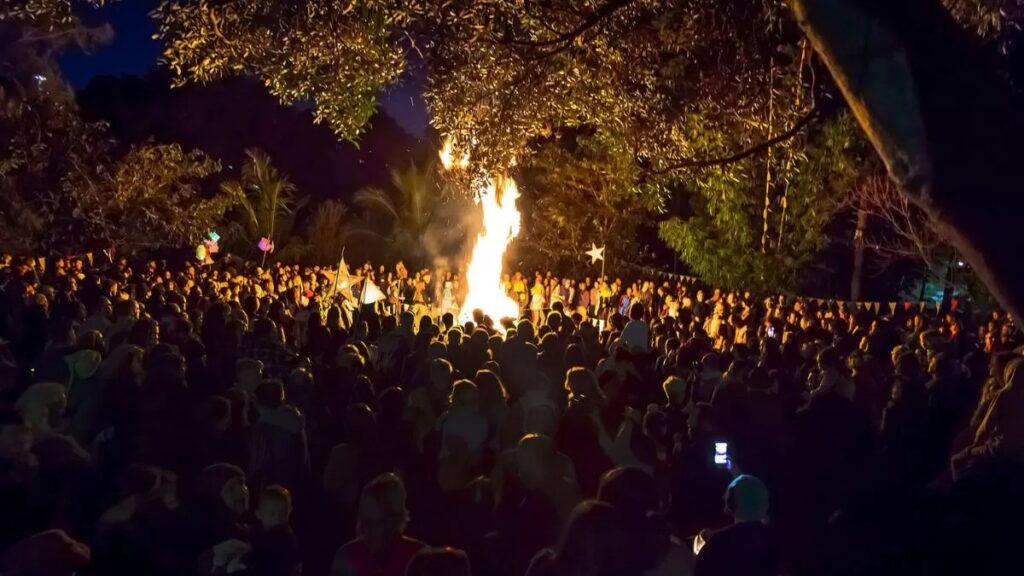
The most distinctive feature of the Halda Festival is the ceremonial procession of cedar-wood torches. As evening approaches, villagers gather outside their homes carrying bundles of cedar twigs known locally as “Halda.”
The torches are then lit and carried towards a designated open ground or village gathering place. The sight of hundreds of glowing flames moving through the snowy landscape creates a magical atmosphere that is unlike any other festival in the Himalayas.
According to local beliefs, winter is a period when negative energies and evil spirits become more active. The fire from the torches symbolizes light, purity, and protection. It is believed that the flames help ward off evil influences and bring blessings, prosperity, and good fortune to the community for the coming year.
Rituals and Community Celebrations
Halda is much more than a festival of lights. It is a celebration of community bonds and shared traditions. Villagers dress in traditional Lahauli attire and gather to perform rituals, offer prayers, and seek blessings from local deities and protective spirits.
The festival is accompanied by folk songs, traditional dances, and communal feasts. Families exchange greetings and visit relatives and neighbors, strengthening social ties during a season when isolation caused by heavy snowfall is common.
Traditional dishes prepared from locally available ingredients are an important part of the celebration. Barley-based foods, butter tea, and other regional delicacies are shared among family members and guests, adding warmth to the festive atmosphere.
Cultural Significance of Halda
Halda serves as an important reminder of how communities in the high Himalayas have adapted to extreme climatic conditions while preserving their cultural identity. For centuries, the festival has symbolized resilience, unity, and hope in a region where long winters can be harsh and isolating.
The celebration also highlights the deep connection between the people of Lahaul and nature. Fire, snow, mountains, and community participation come together to create a festival that reflects the unique lifestyle of the Himalayan valleys.
Today, Halda continues to be one of the most cherished festivals in Lahaul, attracting cultural enthusiasts and travelers who wish to experience the authentic traditions of Himachal Pradesh beyond its popular tourist destinations.
Experiencing Halda as a Visitor
Visitors fortunate enough to witness Halda can experience a side of Himachal Pradesh that few tourists see. The combination of snow-covered villages, glowing cedar torches, traditional music, and local hospitality creates an unforgettable cultural experience.
However, traveling during the festival requires careful planning, as winter weather in Lahaul can be severe. Warm clothing, proper accommodation arrangements, and awareness of road conditions are essential for anyone visiting the region during this period.
For those interested in Himalayan culture, folklore, and traditional festivals, Halda offers a rare glimpse into the enduring traditions of the people of Lahaul and the vibrant spirit that continues to thrive in the heart of the mountains.