Image Source: Ameer Ali
About Mushkoh Valley
Mushkoh Valley is an unexplored paradise for nature lovers, trekkers, and history enthusiasts. Tucked away near Dras in the Kargil district of Ladakh, the valley is often referred to as the “Valley of Wild Tulips,” which comes alive with colourful alpine flowers during spring and summer. Mushkoh has a dramatic history when it became one of the key flashpoints during the 1999 Kargil War. Mushkoh Valley was a strategic infiltration point during the 1999 Kargil War. The surrounding mountains were sites of conflict, and remnants of bunkers and observation posts still remain.
Geography and Landscape
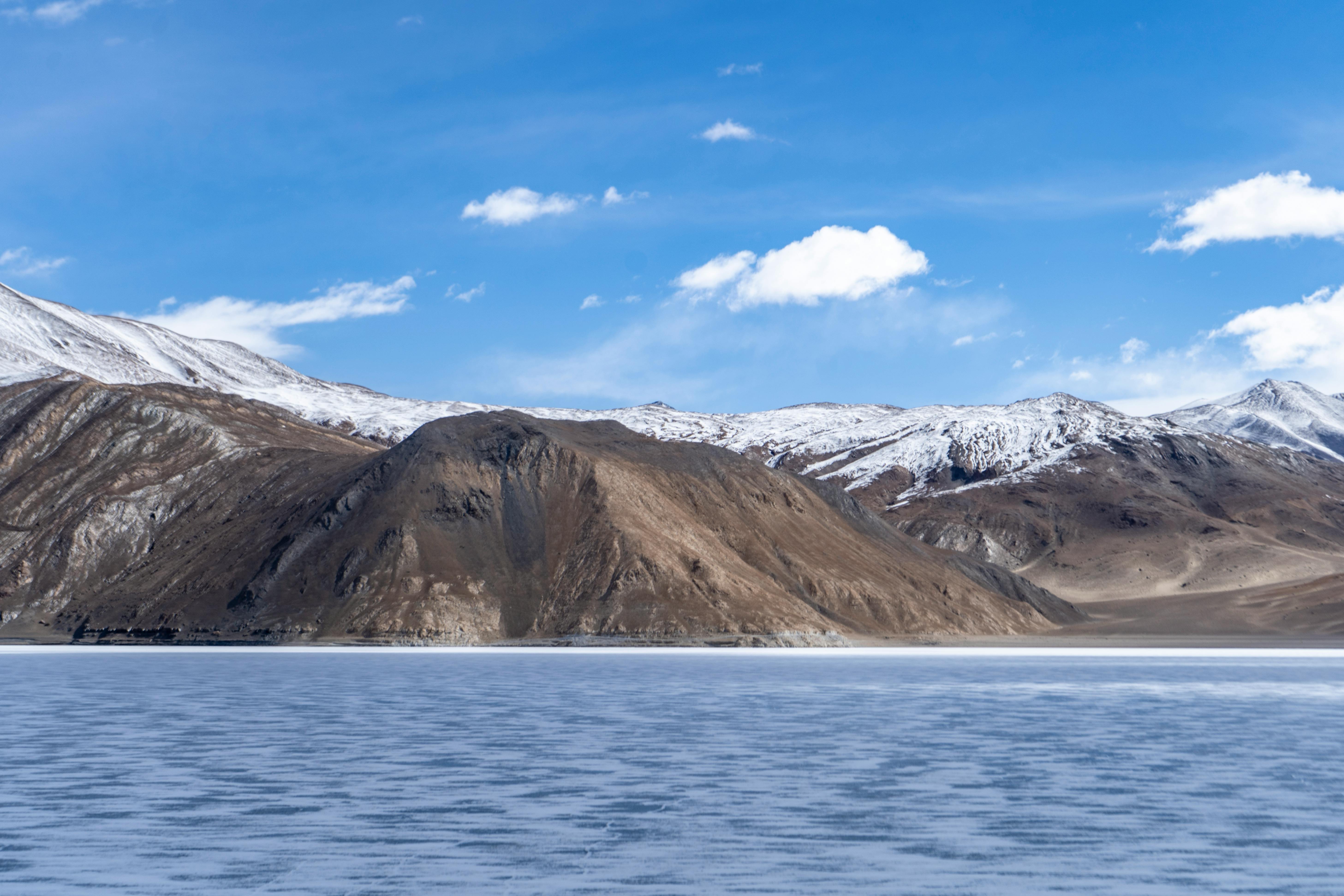
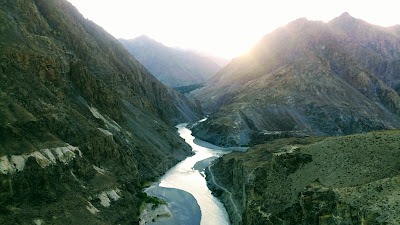
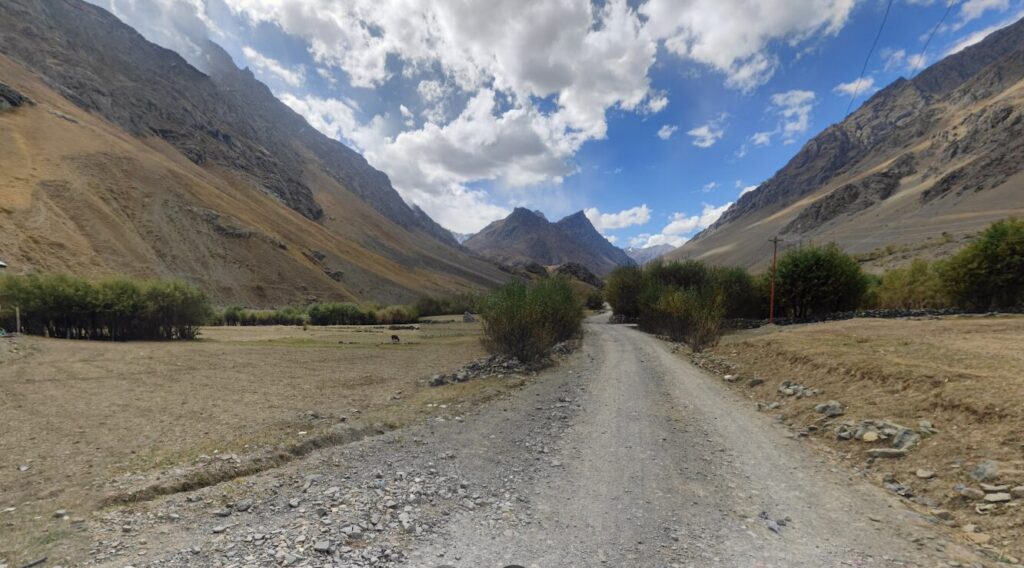
Muskoh Valley lies at an elevation of 3,300 meters (10,800 feet) and is located about 8-10 km west of Drass town. In winter the valley remains covered under a high-altitude cold desert zone that changes into lush meadows during summer. It’s also the best time to visit the valley. It falls from late May to September, when the snow melts and the valley turns into a floral canvas. Seasonal wildflowers—particularly tulips, orchids, and edelweiss—bloom from May to July. Unlike the controlled gardens of Srinagar, Mushkoh is home to natural fields of wild tulips growing in the wild—something rarely seen in such abundance elsewhere in India. Muskoh Nala, a glacial stream flow in the valley, which eventually joins the Drass River. Wildlife lovers may spot Himalayan marmots, foxes, and a variety of birds in the valley.
Dramatic cliffs, glacial rivers, and snow-capped peaks around make it a must-visit spot.
Limited Civilian Access Until Recently: Due to its proximity to the Line of Control (LoC) and military sensitivity, the valley remained largely inaccessible to civilians for years. Only recently has it begun to open up for tourism.
Gateway to Remote Treks: Mushkoh is a trailhead for treks into the Suru Valley, Umba La, and towards the challenging routes leading into Zanskar.
How to Reach Mushkoh Valley
From Srinagar:
Distance: ~145 km (via NH-1D)
Route: Srinagar → Sonamarg → Zoji La Pass → Dras → Mushkoh Valley
Travel Time: Approx. 5-6 hours by road
Public Transport: Limited shared cabs and buses operate between Srinagar and Dras. From Dras, you’ll need to hire a local taxi or trek to the valley.
From Leh:
Distance: ~280 km via Kargil
Route: Leh → Kargil → Dras → Mushkoh
Travel Time: Approx. 8–10 hours by road
Note: Roads are open only from May to October, depending on weather and clearance of Zoji La.
Nearby Attractions and FAQs
Nestled in the western Himalayas near Drass in the Kargil district of Ladakh, Mushkoh Valley is one of the most scenic and historically significant valleys in the region. Surrounded by towering mountains, alpine meadows, colorful wildflowers, and glacial streams, the valley is renowned for its breathtaking natural beauty. It is also remembered for its strategic importance during the 1999 Kargil War, when several key battles were fought in the surrounding heights.
Often called the “Valley of Wildflowers” during the summer months, Mushkoh Valley remains relatively untouched by mass tourism and offers visitors a unique blend of history, adventure, and Himalayan landscapes.
Nearby Attractions
Drass
Located just a short distance from Mushkoh Valley, Drass is famously known as the “Gateway to Ladakh” and one of the coldest inhabited places in the world. The town serves as the main base for exploring Mushkoh Valley and nearby war memorials.
Kargil War Memorial
One of the most important attractions in the region, Kargil War Memorial at Drass honors the soldiers who sacrificed their lives during the 1999 Kargil War. The memorial features a museum, war exhibits, and panoramic views of the battlefields.
Tiger Hill
Visible from parts of the Drass region, Tiger Hill is one of the most famous peaks associated with the Kargil War. It remains a symbol of courage and military history.
Tololing Peak
Tololing Peak played a crucial role during the Kargil conflict and is among the most historically significant mountain features in the region.
Drass Valley
The broader Drass Valley is known for its dramatic mountain scenery, rivers, and traditional settlements. The landscape becomes particularly beautiful during summer when the meadows turn green and wildflowers bloom.
Minamarg
Located on the route toward Zoji La, Minamarg is a picturesque meadow surrounded by mountains and forests. Historically, it was an important stop on the old trade route between Kashmir and Central Asia.
Zoji La Pass
One of the most famous mountain passes in India, Zoji La connects Kashmir Valley with Ladakh. The pass offers spectacular views of rugged mountains, glaciers, and deep valleys.
Vishansar and Krishansar Region
On the Kashmir side of Zoji La, trekkers can explore areas connected to the famous alpine lake systems of Kashmir, known for their pristine beauty and trekking opportunities.
Suru Valley
Located south of Kargil, Suru Valley is renowned for its lush greenery, glaciers, and views of the Nun-Kun mountain massif.
Kargil Town
Kargil is the second-largest town in Ladakh and offers markets, monasteries, cultural experiences, and access to many attractions across the region.
Nun Kun Peaks
The majestic Nun Kun Peaks form the highest mountain massif in the Indian Himalayas outside the Karakoram. They are visible from parts of the Kargil region and attract mountaineers from around the world.
Shingo River
Flowing through the Drass region, Shingo River adds to the scenic beauty of the valley and supports local settlements and agriculture.
Google Maps
FAQs
1. Where is Mushkoh Valley located?
Mushkoh Valley is located near Drass in the Kargil district of Ladakh, along the Srinagar–Leh Highway.
2. Why is Mushkoh Valley famous?
The valley is famous for its stunning landscapes, colorful wildflowers, alpine meadows, and its historical significance during the Kargil War.
3. What is the best time to visit Mushkoh Valley?
The best time to visit is from May to September when roads are open and the valley is covered with lush greenery and wildflowers.
4. How far is Mushkoh Valley from Drass?
Mushkoh Valley is located approximately 8–10 kilometers from Drass and can be reached by road.
5. Is Mushkoh Valley suitable for family trips?
Yes. Families can enjoy the valley’s natural beauty, peaceful environment, and historical attractions nearby.
6. Can tourists visit Kargil War battle sites near Mushkoh Valley?
Visitors can view several battle-related locations from designated viewpoints and learn about the conflict at the Kargil War Memorial in Drass.
7. Are trekking opportunities available in Mushkoh Valley?
Yes. The valley offers opportunities for trekking, nature walks, camping, and exploration of surrounding mountain landscapes.
8. Does Mushkoh Valley receive snowfall?
Yes. The valley experiences heavy snowfall during winter, often remaining snow-covered for several months.
9. Are accommodation facilities available near the valley?
Accommodation is available in Drass and Kargil, including hotels, guesthouses, and homestays.
10. Why is Mushkoh Valley called the Valley of Wildflowers?
During summer, the valley blooms with a wide variety of colorful Himalayan wildflowers, creating spectacular landscapes that attract photographers and nature lovers.