
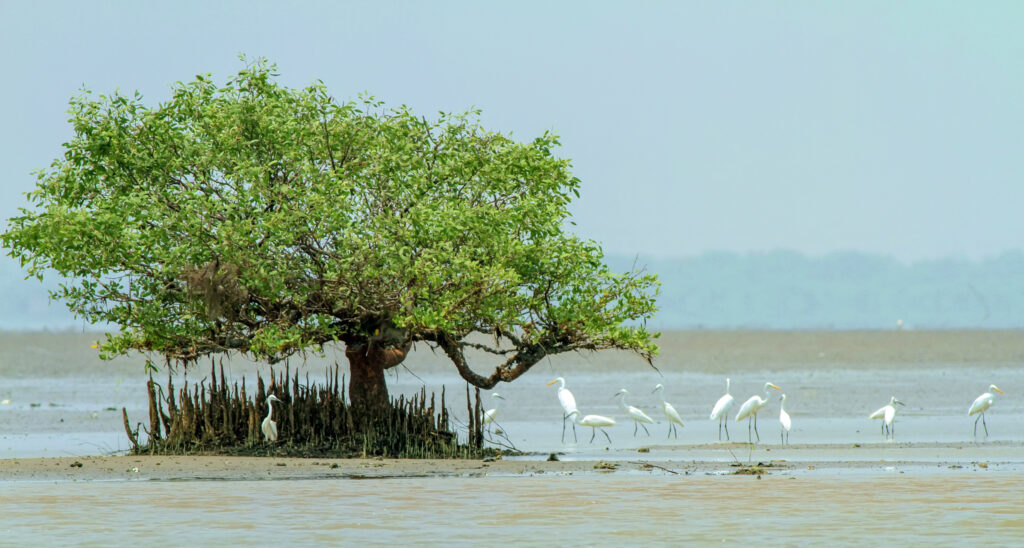
Image Source: Srikanth Mannepuri
About Coringa Wildlife Sanctuary
Nestled along the scenic coastline of Andhra Pradesh, the Coringa Wildlife Sanctuary is one of India’s most fascinating mangrove ecosystems. Located near the port city of Kakinada in the East Godavari region, the sanctuary forms an important part of the Godavari delta and is widely known for its rich biodiversity, winding tidal creeks, and dense mangrove forests. Spread across a vast stretch of wetlands and estuarine channels, Coringa offers a rare glimpse into a fragile coastal ecosystem where land, river, and sea merge together.
The sanctuary is considered one of the largest surviving mangrove forests in India after the Sundarbans. Its ecological importance goes far beyond wildlife conservation. The mangroves here act as a natural shield against cyclones, tidal surges, and coastal erosion, while also supporting fisheries and marine life along the eastern coast. Over the years, Coringa has become a popular destination for birdwatchers, nature photographers, researchers, and travelers looking to experience Andhra Pradesh’s lesser-known natural wonders.
Location and Geography
Coringa Wildlife Sanctuary lies roughly 10 to 15 kilometers from the center of Kakinada and covers an area of around 235 square kilometers. The sanctuary is situated at the mouth of the mighty Godavari River, where freshwater flowing from inland regions mixes with the saline waters of the Bay of Bengal. This meeting point creates a nutrient-rich brackish water ecosystem that supports a remarkable variety of plants and animals.
The landscape of Coringa is characterized by tidal creeks, mudflats, shallow backwaters, salt marshes, and dense mangrove forests. During high tide, large portions of the sanctuary become submerged, while low tide exposes muddy banks teeming with crabs, mollusks, and small aquatic organisms. The constantly changing water levels create ideal breeding grounds for fish and crustaceans, making the region ecologically productive.
One of the most attractive features for visitors is the network of wooden boardwalks and nature trails that pass through the mangrove forests. These elevated walkways allow tourists to explore the sanctuary without disturbing the delicate habitat. Boat rides through narrow creeks are another popular activity, offering close views of the mangrove landscape and birdlife.
Mangrove Forests and Plant Life
The biggest ecological treasure of Coringa Wildlife Sanctuary is its extensive mangrove vegetation. Mangroves are specially adapted trees and shrubs that thrive in salty and waterlogged coastal conditions. Their tangled root systems stabilize the shoreline, reduce erosion, and protect coastal communities during storms and cyclones.
The sanctuary contains several important mangrove species, including:
- Avicennia officinalis (White Mangrove)
- Rhizophora mucronata (Red Mangrove)
- Bruguiera cylindrica
- Ceriops decandra
- Excoecaria agallocha, commonly called the “Blind-your-eye Mangrove”
These plants have developed unique survival mechanisms such as aerial roots and salt-filtering systems that help them survive in brackish environments. The dense mangrove cover also serves as a nursery for marine organisms and provides shelter for birds, reptiles, and mammals.
Apart from ecological benefits, mangroves play a major role in carbon storage and climate regulation. Environmental scientists often describe mangrove forests as “blue carbon ecosystems” because of their ability to absorb and store large amounts of atmospheric carbon dioxide.
Wildlife in Coringa Wildlife Sanctuary
Despite appearing calm and silent, Coringa is full of life. The sanctuary supports an impressive range of mammals, reptiles, birds, insects, and aquatic species that depend on the mangrove ecosystem for survival.
Mammals
Among the most notable animals found here is the elusive fishing cat, a rare wild cat adapted to wetland habitats. These cats are skilled swimmers and primarily feed on fish and crustaceans. Other mammals recorded in the sanctuary include otters, jungle cats, jackals, wild boars, and small Indian civets.
The dense mangrove forests provide excellent shelter and hunting grounds for these animals, although spotting them in the wild requires patience and luck.
Birdlife
Coringa Wildlife Sanctuary is a paradise for birdwatchers and has been recognized as an Important Bird and Biodiversity Area (IBA). Hundreds of resident and migratory birds visit the wetlands every year, especially during winter.
Commonly sighted birds include:
- Herons.
- Egrets.
- Kingfishers.
- Sandpipers.
- Pelicans.
- Terns.
- Cormorants.
- Openbill storks.
- Lesser adjutant storks.
During the migratory season, large flocks of waterfowl arrive from colder regions of Central Asia and Siberia. The wetlands become especially vibrant between November and February, making it the best period for bird photography and wildlife observation.
Reptiles and Aquatic Species
The sanctuary’s estuarine waters are home to a variety of fish, prawns, crabs, mollusks, and shrimp that form the backbone of the local aquatic food chain. Saltwater crocodiles are occasionally sighted in remote creeks and tidal channels, although encounters are relatively rare.
Mudskippers, small amphibious fish that can move on muddy surfaces, are another interesting feature of the mangrove ecosystem. Numerous species of snakes, turtles, and amphibians also inhabit the wetlands.
Eco-Tourism and Visitor Experience
Coringa Wildlife Sanctuary has gradually emerged as an important eco-tourism destination in Andhra Pradesh. Unlike crowded hill stations or commercial wildlife parks, Coringa offers a quieter and more immersive nature experience.
Visitors can explore the sanctuary through:
- Wooden canopy walkways
- Mangrove trails
- Guided nature tours
- Boating through tidal creeks
- Birdwatching excursions
The long wooden boardwalk inside the sanctuary is particularly popular because it provides panoramic views of the mangroves and wetlands. Early mornings and evenings are considered the best times for exploring, as wildlife activity is usually higher and temperatures remain comfortable.
Photography enthusiasts often visit Coringa to capture reflections of mangrove roots, migratory birds, and the dramatic interplay of light over tidal waters.
Importance of Conservation
Mangrove ecosystems across the world are under threat due to urbanization, pollution, aquaculture expansion, and climate change. Coringa Wildlife Sanctuary plays a crucial role in protecting Andhra Pradesh’s coastal ecology and marine biodiversity.
The mangroves act as breeding grounds for commercially important fish and prawns, supporting local fishing communities and regional livelihoods. They also serve as a natural barrier during cyclones, which frequently affect India’s eastern coastline.
Conservation programs in the sanctuary focus on habitat protection, awareness campaigns, mangrove restoration, and sustainable tourism practices. Preserving Coringa is essential not only for wildlife but also for maintaining ecological balance in the Godavari delta region.
Nearby Attractions
Hope Island
Located off the coast near Kakinada, Hope Island is a natural sandbar that acts as a protective barrier between the Bay of Bengal and the Kakinada coast. The island is known for its scenic beaches, birdlife, and tranquil surroundings. Boat rides from Kakinada offer visitors an opportunity to enjoy stunning coastal views and observe the region’s rich marine ecosystem.
Kakinada Beach
A popular seaside destination, Kakinada Beach is perfect for relaxing after exploring the sanctuary. Visitors can enjoy long walks along the shore, beautiful sunrise views over the Bay of Bengal, and local seafood delicacies. The beach’s calm atmosphere makes it a favorite spot for families and nature lovers.
Adurru Buddhist Site
Situated about 40 km from Coringa Wildlife Sanctuary, Adurru is an important archaeological site featuring the remains of an ancient Buddhist stupa dating back over 2,000 years. The site offers fascinating insights into the region’s historical connection with Buddhism and maritime trade.
Draksharamam Temple
One of the revered Pancharama Kshetras dedicated to Lord Shiva, Draksharamam Temple is renowned for its impressive architecture, intricate carvings, and spiritual significance. The temple attracts pilgrims and history enthusiasts throughout the year.
Yanam
Located on the banks of the Godavari River, Yanam is a former French settlement that still retains traces of its colonial heritage. Visitors can explore riverside promenades, churches, and peaceful gardens while experiencing a unique blend of Telugu and French cultural influences.
Godavari Delta
The fertile Godavari Delta surrounding Coringa is famous for its lush coconut groves, paddy fields, fishing villages, and scenic waterways. A drive through the delta offers an authentic glimpse into rural coastal Andhra Pradesh and its rich agricultural traditions.
How to Reach Coringa Wildlife Sanctuary
By Air
The nearest airport is Rajahmundry Airport, located approximately 55 kilometers away. The airport is connected to major Indian cities such as Hyderabad, Chennai, and Bengaluru.
By Train
The closest railway stations are Kakinada Town Railway Station and Kakinada Port Railway Station. From there, taxis and local transport are available to reach the sanctuary.
By Road
Coringa is well connected by road through NH216 and nearby state highways. Travelers can easily hire taxis or drive from Kakinada, Rajahmundry, or Visakhapatnam.
Best Time to Visit
The ideal time to visit Coringa Wildlife Sanctuary is between November and February. During these months, the weather remains pleasant and migratory birds arrive in large numbers, making wildlife viewing especially rewarding.
The monsoon season from June to September transforms the sanctuary into a lush green landscape, although heavy rainfall and waterlogged trails may restrict movement in certain areas. Summers can be hot and humid due to the coastal climate, so winter is generally preferred for sightseeing and outdoor activities.
Google Maps
FAQs
What is Coringa Wildlife Sanctuary famous for?
Coringa Wildlife Sanctuary is famous for its vast mangrove forests, rich birdlife, estuarine ecosystem, and biodiversity. It is considered one of the largest mangrove ecosystems in India.
Where is Coringa Wildlife Sanctuary located?
The sanctuary is located near Kakinada in the East Godavari district of Andhra Pradesh, along the Godavari River delta.
Is boating available in Coringa Wildlife Sanctuary?
Yes, boating through the mangrove creeks is one of the main attractions for visitors and offers excellent opportunities for birdwatching and nature photography.
Which animals can be seen in the sanctuary?
Visitors may spot fishing cats, otters, jungle cats, kingfishers, herons, crocodiles, crabs, and numerous migratory birds.
What is the best season for birdwatching?
Winter, especially from November to February, is the best season for birdwatching because migratory birds visit the sanctuary during this period.
Are mangroves important for the environment?
Yes, mangroves protect coastlines from erosion and cyclones, store carbon, support marine biodiversity, and act as breeding grounds for fish and aquatic species.
How much time is needed to explore Coringa Wildlife Sanctuary?
Most visitors spend around half a day exploring the sanctuary, including boating, walking trails, and birdwatching activities.


