
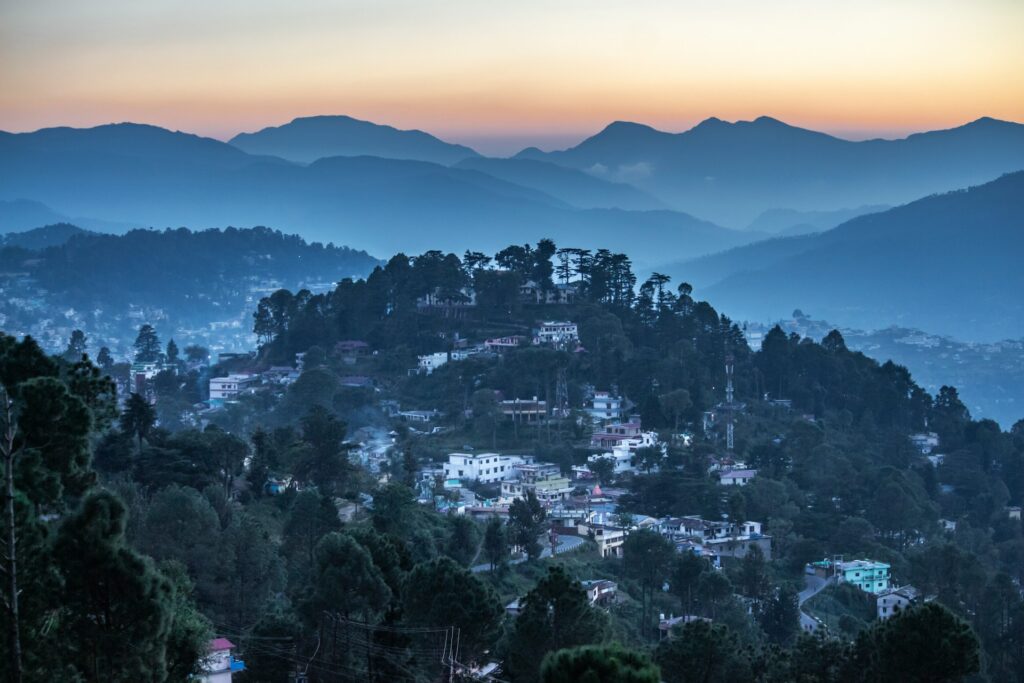
Lower Dibang Valley
Lower Dibang Valley is a pristine district renowned for its dense forests, river valleys, snow-capped mountains, and rich tribal culture. Located in eastern Arunachal Pradesh the district derives its name from the Dibang River, a major tributary of the Brahmaputra, which flows through its picturesque valleys.
Known for its biodiversity, adventure opportunities, and indigenous tribes, Lower Dibang Valley is a paradise for travellers seeking nature, solitude, and cultural immersion.
Geography and Overview
Lower Dibang Valley lies in the northeastern frontier of Arunachal Pradesh, bordered by China (Tibet Autonomous Region) to the north, Dibang Valley to the west, and Lohit district to the east. The terrain is predominantly hilly and mountainous, with altitudes ranging from 500 meters in river plains to over 4,000 meters in high mountains.
The Dibang River and its tributaries carve deep valleys and fertile plains that support agriculture and tribal settlements. Dense tropical and temperate forests cover most of the region, creating habitats for rare flora and fauna, including the red panda, takin, Asiatic black bear, and numerous bird species.
Historical and Cultural Significance
The district is home to several indigenous tribes, primarily the Adi, Idu Mishmi, and Digaru Mishmi communities. These tribes have preserved their unique languages, customs, traditional attire, and rituals.
Festivals like Solung, Reh, and Tamladu are celebrated with great enthusiasm. Traditional dances, music, and feasting highlight the deep connection between the communities and nature, agriculture, and ancestral worship. Bamboo and cane crafts, intricate wood carvings, and handwoven textiles are significant elements of tribal craftsmanship.
Historically, Lower Dibang Valley served as a trade corridor between Tibet, Assam, and the Mishmi Hills, contributing to its diverse cultural heritage.
Best time to visit
The ideal time to visit Lower Dibang Valley is from October to April, when the weather is pleasant and dry:
Winter (October–February): Cool and comfortable for trekking, sightseeing, and cultural exploration.
Spring (March–April): Blossoming flora and mild temperatures make it ideal for photography and nature walks.
Monsoon (June–September): Heavy rainfall can cause landslides, making travel challenging, though the region becomes lush and green.
Top Attractions in Lower Dibang Valley
Roing
The district headquarters, Roing, is a scenic town located along the Dibang River. It serves as a base for exploring nearby forests, tribal villages, and trekking routes. Roing is also known for its orange orchards and apple gardens, adding charm to the landscape.
Mehao Wildlife Sanctuary
This sanctuary is a major attraction in the region, known for its dense forests, wildlife, and bird diversity. Endangered species like clouded leopards, red pandas, hornbills, and Asiatic black bears are found here. Guided treks and nature walks are available for eco-tourists and wildlife enthusiasts.
Anini
A small town at the northern edge of Lower Dibang Valley, Anini offers stunning views of snow-capped mountains and acts as a gateway to high-altitude trekking and adventure tourism. It is also home to Idu Mishmi tribes, allowing travelers to experience authentic tribal life.
Dibang River and Waterfalls
The Dibang River provides opportunities for river rafting, angling, and photography. Numerous waterfalls along its course create scenic spots perfect for picnics and nature walks.
Tribal Villages
Villages inhabited by Adi and Mishmi tribes showcase traditional wooden houses, rituals, and handicrafts. Visiting these villages offers a glimpse into tribal lifestyles, farming techniques, and cultural practices.
Mehao Lake
Situated within Mehao Wildlife Sanctuary, this lake is surrounded by lush greenery and offers serene views and birdwatching opportunities.
Things to Do in Lower Dibang Valley
Trek through Mishmi Hills and dense forests.
Explore tribal villages to learn about Adi and Mishmi culture.
Participate in or witness tribal festivals like Solung and Reh.
Enjoy river activities along the Dibang River.
Birdwatching in Mehao Wildlife Sanctuary.
Capture scenic landscapes, rivers, and waterfalls for nature photography.
How to Reach Lower Dibang Valley?

BY ROAD
Lower Dibang Valley is connected via NH313 and state highways.

BY TRAIN
The nearest railway station is Tinsukia (Assam), around 190 km away. Road transport is available from Tinsukia to Roing.

BY AIR
The nearest airport is Dibrugarh Airport (Assam), approximately 180 km from Roing.
Top Tourist Attractions in Lower Dibang Valley
Lower Dibang Valley, a remote district in Arunachal Pradesh, is renowned for its pristine landscapes, rivers, and rich tribal culture. Nestled in the Eastern Himalayas, the region attracts nature lovers, adventure enthusiasts, and offbeat travelers seeking untouched natural beauty. From exploring the serene Dibang River valleys and dense forests to visiting traditional tribal settlements, the top tourist attractions in Lower Dibang Valley offer a unique blend of adventure, culture, and panoramic mountain vistas.


Must Vist Places around Lower Dibang Valley
The regions surrounding Lower Dibang Valley are dotted with high-altitude villages, mountain passes, rivers, and lush forests, making them ideal for trekking, wildlife exploration, and cultural journeys. Nearby destinations like Roing, Meka, Anini, and pristine Himalayan valleys provide travelers with a mix of adventure, serenity, and indigenous traditions. Whether trekking through rugged terrains, exploring remote villages, or enjoying panoramic river views, the must-visit places around Lower Dibang Valley offer immersive and offbeat travel experiences.