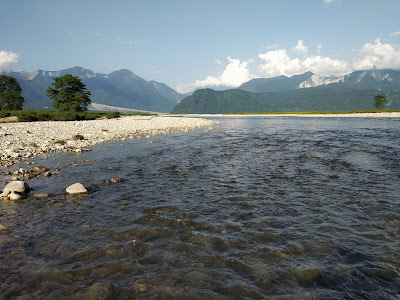
Image Source: Natural Vloger
About Mehao Wildlife Sanctuary
Hidden deep within the lush landscapes of Arunachal Pradesh, the Mehao Wildlife Sanctuary is one of Northeast India’s most untouched natural treasures. Spread across nearly 281.5 square kilometres in the Lower Dibang Valley district near Roing, the sanctuary is a paradise for trekkers, wildlife enthusiasts, birdwatchers, and nature lovers. Unlike many crowded tourist destinations, Mehao still retains a raw and unspoiled charm, offering visitors a rare chance to experience wilderness in its purest form.
The sanctuary stretches across an impressive altitude range, beginning at around 400 metres and climbing to more than 3,500 metres above sea level. Because of this dramatic variation in elevation, the region supports an extraordinary mix of ecosystems. Dense tropical forests gradually give way to subtropical woods, temperate forests, alpine grasslands, and high-altitude landscapes. This changing terrain creates a stunning diversity of plant and animal life, making Mehao one of the richest biodiversity zones in the Eastern Himalayas.
The Enchanting Mehao Lake
One of the biggest highlights of the sanctuary is the breathtaking Mehao Lake, a natural emerald-green lake hidden amidst thick forests and mist-covered hills. Surrounded by towering trees, moss-covered rocks, and untouched wilderness, the lake feels almost magical. Reaching the lake requires effort, as it is accessible mainly through trekking routes, but the journey itself becomes part of the adventure.
The peaceful atmosphere around the lake makes it an ideal place for photographers, campers, and travelers seeking solitude. Early mornings at the lake are especially beautiful, with fog drifting over the water while birds echo through the forest. Many visitors describe the experience as both calming and surreal.
Trekking Through Untamed Forests
The Mehao Lake Trek is among the most exciting adventures in Arunachal Pradesh. Starting from Roing, the trek stretches roughly 14 kilometres through dense forests filled with orchids, bamboo groves, giant ferns, and ancient trees draped in moss. The trail passes through streams, slippery forest paths, and humid jungle sections that showcase the untouched beauty of the region.
Trekkers often encounter colorful butterflies, rare birds, and unusual forest plants along the route. During the monsoon season, the trail becomes even more vibrant, though it can also be muddy and challenging. The trek is moderately difficult and is best suited for travelers who enjoy adventure and wilderness exploration.
Rich Wildlife and Biodiversity
The sanctuary is famous for its incredible wildlife diversity. The thick forests provide shelter to many rare and endangered species that are difficult to spot elsewhere in India. Animals such as the clouded leopard, tiger, Asiatic black bear, red panda, takin, goral, and wild boar inhabit these forests. Although sightings are not guaranteed because of the dense terrain, the thrill of exploring such a rich habitat makes the experience memorable.
Mehao is also a dream destination for birdwatchers. More than 300 bird species have been recorded here, including hornbills, Himalayan monals, scarlet minivets, laughing thrushes, and kalij pheasants. The forest canopy constantly comes alive with bird calls, especially during the early morning hours.
Apart from mammals and birds, the sanctuary is known for its remarkable butterfly and orchid diversity. Rare butterflies like the Kaiser-i-Hind can sometimes be spotted fluttering through forest clearings, while colorful orchids bloom naturally across the sanctuary during different seasons.
Cultural Connection with the Idu Mishmi Tribe
The forests surrounding Mehao are closely connected to the traditions of the indigenous Idu Mishmi Tribe community. The Idu Mishmi people consider many parts of the sanctuary sacred, especially areas around Mehao Lake. Their traditional beliefs and customary practices have played an important role in protecting the forests for generations.
Visitors exploring nearby villages can learn about the tribe’s unique customs, traditional weaving techniques, folklore, and animist beliefs. The community’s deep respect for nature is reflected in seasonal hunting restrictions and sacred forest taboos that help preserve local biodiversity.
Ecological Importance
Ecologically, Mehao Wildlife Sanctuary holds immense significance. It lies within the Mishmi Hills biodiversity hotspot, which forms part of the globally important Eastern Himalayan ecological zone. The sanctuary sits at the meeting point of the Indo-Malayan and Palaearctic biogeographic regions, allowing species from different climatic zones to coexist in one landscape.
Because of this unique geographical position, scientists and conservationists consider Mehao an important natural laboratory for studying rare Himalayan flora and fauna. The sanctuary also plays a crucial role in maintaining watershed systems and preserving fragile mountain ecosystems.
How to Reach Mehao Wildlife Sanctuary
By Air
The nearest airport is Dibrugarh Airport in Assam, located about 150 kilometres from Roing. From the airport, travelers can hire taxis or take shared transport to reach Roing.
By Rail
The nearest major railway station is Tinsukia Junction in Assam. From Tinsukia, travelers can cross the famous Dhola–Sadiya Bridge to reach Roing by road.
By Road
Roing is well connected by road to major towns in Assam and Arunachal Pradesh. The sanctuary entrance is located a short distance from Roing town, making it convenient for day visits and trekking expeditions.
Nearby Attractions of Mehao Wildlife Sanctuary
Mehao Wildlife Sanctuary is one of Arunachal Pradesh’s most biodiverse protected areas, located in the Lower Dibang Valley district near Roing. Spread across dense tropical forests, alpine meadows, rivers, and mountainous terrain, the sanctuary is home to rare wildlife species such as clouded leopards, red pandas, hoolock gibbons, and Himalayan black bears. The sanctuary’s strategic location makes it an excellent base for exploring several natural and cultural attractions in the Dibang Valley region.
1. Mehao Lake
Located within the sanctuary, Mehao Lake is a pristine emerald-green lake surrounded by dense forests and mountains. It is one of the most popular attractions in the region and offers excellent opportunities for photography, birdwatching, and nature walks.
2. Roing
The headquarters of Lower Dibang Valley district, Roing serves as the gateway to Mehao Wildlife Sanctuary. The town is known for its scenic beauty, tribal culture, and access to several tourist attractions.
3. Sally Lake
A picturesque lakeside destination near Roing, Sally Lake is popular for boating, picnics, and relaxing amidst beautiful natural surroundings.
4. Bhismaknagar Fort
One of Arunachal Pradesh’s most important archaeological sites, Bhismaknagar Fort is associated with King Bhismaka, the legendary father of Rukmini. The ancient ruins provide fascinating insights into the region’s history.
5. Mayudia Pass
Located about 56 km from Roing, Mayudia Pass is famous for its snow-covered landscapes during winter and spectacular views of the Eastern Himalayas. It is one of the most scenic destinations in Arunachal Pradesh.
6. Hunli
A charming mountain town situated on the route to Anini, Hunli offers breathtaking views of valleys, rivers, and forested hills. It is a popular stop for travelers exploring Dibang Valley.
7. Dibang River
The mighty Dibang River flows through dramatic gorges and valleys, creating stunning landscapes that attract photographers and nature lovers throughout the year.
8. Nehru Van Udyan
Located near Roing, this beautiful park features landscaped gardens, walking trails, and picnic spots, making it an ideal destination for families.
9. Rukmini Nati
A site linked to local legends surrounding Princess Rukmini, Rukmini Nati holds cultural and mythological significance for visitors interested in the region’s folklore.
10. Nijomaghat
Situated near the Assam-Arunachal border, Nijomaghat is known for its historical significance and scenic river views. It is an interesting stop for travelers entering Arunachal Pradesh.
Best Time to Visit
The best time to visit Mehao Wildlife Sanctuary is between October and April. During these months, the weather remains pleasant, the skies are clearer, and trekking conditions are ideal. Wildlife sightings are also relatively better during the cooler season.
The monsoon period from May to September transforms the sanctuary into a lush green wonderland filled with waterfalls, mist, and vibrant vegetation. However, heavy rainfall can make trekking trails slippery, muddy, and leech-prone, so travelers should prepare accordingly if visiting during this season.
Travel Tips for Visitors
Visitors should carry comfortable trekking shoes, rain protection, insect repellent, and warm clothing, especially for higher-altitude areas. Hiring local guides is highly recommended, as they are familiar with the forest routes and wildlife movement. Since the sanctuary is ecologically sensitive, travelers should avoid littering and respect local customs and environmental rules.
Google Maps
FAQs
1. Where is Mehao Wildlife Sanctuary located?
Mehao Wildlife Sanctuary is located near Roing in the Lower Dibang Valley district of Arunachal Pradesh, India.
2. Why is Mehao Wildlife Sanctuary famous?
The sanctuary is famous for its rich biodiversity, dense forests, rare wildlife, birdwatching opportunities, and the scenic Mehao Lake trek.
3. Is trekking required to reach Mehao Lake?
Yes, reaching Mehao Lake generally involves a trek of around 14 kilometres through forested terrain from the Roing side.
4. What animals can be found in Mehao Wildlife Sanctuary?
The sanctuary is home to clouded leopards, red pandas, tigers, takins, goral, Asiatic black bears, and many rare bird species.
5. What is the best season to visit Mehao Wildlife Sanctuary?
October to April is considered the best time due to pleasant weather and easier trekking conditions.
6. Are permits required to visit Mehao Wildlife Sanctuary?
Yes, travelers visiting Arunachal Pradesh usually need an Inner Line Permit (ILP) for Indian citizens, while foreign tourists require special permits.
7. Can beginners do the Mehao Lake Trek?
Yes, beginners with basic fitness can attempt the trek, although some sections may be physically demanding during the monsoon season.
8. Is camping allowed near Mehao Lake?
Camping is possible in certain areas with proper permission and guidance from local authorities or trekking groups.