Image Source: Shibanigogoi
About Tinsukia
Nestled in the northeastern corner of Assam, Tinsukia is a lively town that beautifully combines nature, industry, culture, and history. Often called the gateway to Eastern Assam, the town is widely known for its vast tea estates, thriving oil industry, and strategic location near some of the region’s richest wildlife habitats. While Tinsukia plays an important role in trade and commerce, it also attracts travelers who wish to experience Assam beyond the usual tourist routes.
Surrounded by endless stretches of green tea gardens, rivers, forests, and wetlands, Tinsukia offers a refreshing atmosphere that reflects the charm of Upper Assam. The town serves as an ideal base for exploring nearby national parks, rainforest reserves, and culturally significant destinations. Whether someone is interested in wildlife, tea tourism, birdwatching, or local Assamese traditions, Tinsukia provides a memorable and authentic experience.
Natural Beauty and Major Attractions
One of the biggest highlights of Tinsukia is its close proximity to some of the most ecologically rich landscapes in Northeast India. Nature lovers and wildlife enthusiasts often use the town as a starting point for exploring these extraordinary destinations.
Dibru-Saikhowa National Park
Located near the Brahmaputra and Lohit rivers, Dibru-Saikhowa National Park is one of Assam’s most important biodiversity hotspots. Recognized as a biosphere reserve, the park is famous for its wetlands, grasslands, and dense forests. It is particularly known for its population of feral horses, often referred to as wild horses, which roam freely across the grasslands. The park is also a paradise for birdwatchers, especially during winter when migratory birds arrive from distant regions. Boat rides through the wetlands and river channels offer visitors a peaceful way to observe the region’s untouched beauty.
Dehing Patkai National Park
Popularly called the “Amazon of the East,” Dehing Patkai is one of India’s last remaining lowland rainforests. Covered with thick evergreen forests, the area is home to elephants, leopards, hornbills, hoolock gibbons, and numerous rare plant species. The rainforest remains misty and lush throughout much of the year, creating a magical atmosphere for trekkers and nature enthusiasts. Adventure seekers often visit the park for jungle walks, birdwatching, and eco-tourism activities.
Bherjan-Borajan-Padumoni Wildlife Sanctuary
Though smaller in size compared to other wildlife reserves, this sanctuary plays a crucial role in protecting endangered primates and forest ecosystems. It is particularly famous for the endangered hoolock gibbon, India’s only ape species. The sanctuary also shelters capped langurs, birds, butterflies, and several medicinal plants. Its peaceful forest trails make it a rewarding destination for visitors looking for quieter wildlife experiences.
Tea Gardens and Tea Culture
The tea gardens surrounding Tinsukia are among the defining features of the region. Vast stretches of neatly trimmed tea bushes cover the landscape, creating a soothing green scenery that changes beautifully with the seasons. Visiting these tea estates gives travelers a glimpse into Assam’s globally celebrated tea industry and the daily life of tea garden workers.
Many visitors enjoy leisurely walks or cycling through the plantations during the early morning hours when the gardens appear especially serene. Some estates also offer tea-tasting experiences where travelers can sample freshly processed Assam tea known for its rich flavor and strong aroma.
Tea culture in Tinsukia is deeply woven into local life, and conversations over a cup of strong Assamese tea are a common part of everyday hospitality.
Religious and Cultural Significance
Tilinga Mandir
One of the most unique spiritual attractions near Tinsukia is Tilinga Mandir, also known as the Bell Temple. The temple is famous for the thousands of brass bells tied by devotees who come here to pray for their wishes and express gratitude after their prayers are fulfilled. The sound of bells ringing throughout the temple complex creates a deeply spiritual atmosphere that leaves a lasting impression on visitors.
Apart from temples, the town reflects a rich blend of Assamese, Bengali, tea-tribe, and indigenous cultural influences. Festivals such as Bihu are celebrated with music, dance, and traditional feasts, allowing travelers to witness the vibrant cultural life of Assam.
Food and Local Experiences
A visit to Tinsukia is incomplete without tasting authentic Assamese cuisine. Local restaurants and traditional eateries serve delicious dishes prepared with simple yet flavorful ingredients. Rice forms the staple diet and is commonly paired with fish curries, bamboo shoot preparations, smoked meats, lentils, and leafy vegetables.
Traditional Assamese thalis are especially popular among visitors as they offer a complete regional dining experience. Local sweets made from rice, jaggery, and coconut are also worth trying. Tea remains an inseparable part of the culinary culture, and travelers often carry back packets of fresh Assam tea as souvenirs.
The local markets of Tinsukia are known for Assam silk products, bamboo handicrafts, handwoven textiles, and locally produced tea. Shopping in these markets provides insight into the craftsmanship and traditions of the region.
River Tourism and Nearby Destinations
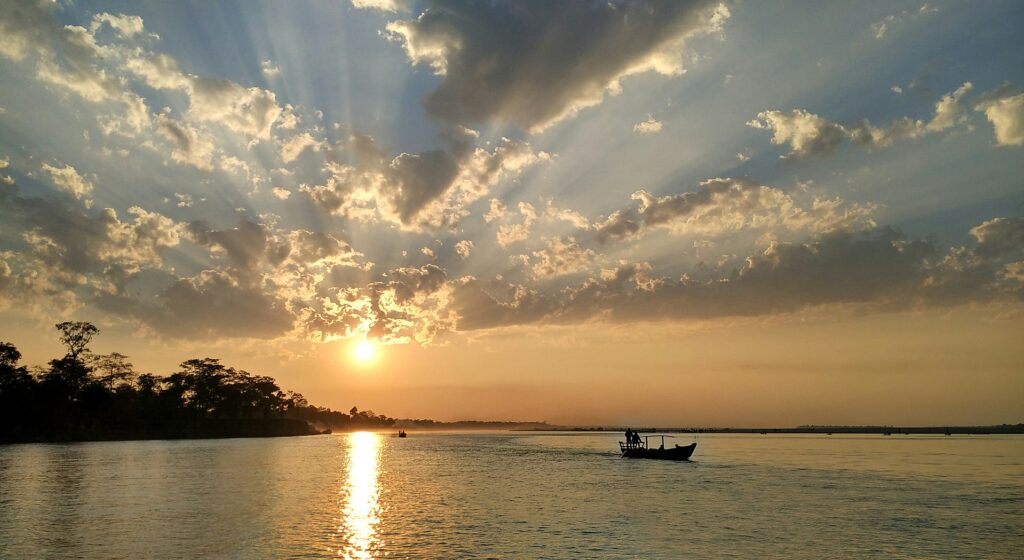
Tinsukia also serves as a gateway for river-based tourism in Upper Assam. Visitors can enjoy river cruises along the Brahmaputra River, where scenic landscapes, river islands, and migratory birds create unforgettable experiences. These cruises often provide opportunities to observe rural life along the riverbanks and experience the calm beauty of Assam’s waterways.
The town is also well connected to nearby destinations such as Dibrugarh, another important cultural and tea-producing center of Upper Assam. Travelers often combine visits to both towns while exploring the region.
How to Reach Tinsukia
By Air
The nearest airport to Tinsukia is Dibrugarh Airport, also known as Mohanbari Airport, located around 40 kilometers away. The airport has regular flights connecting Assam with major Indian cities such as Delhi, Kolkata, and Guwahati.
By Rail
Tinsukia Junction is one of the major railway stations in Upper Assam. It is well connected to important cities including Guwahati, New Delhi, Kolkata, and Dibrugarh, making train travel convenient for tourists and business travelers alike.
By Road
Tinsukia is connected through national and state highways with major towns across Assam. Regular buses, taxis, and private vehicles operate between Tinsukia and cities like Dibrugarh, Jorhat, and Guwahati. The road journey through Assam’s tea gardens and countryside can itself be a scenic experience.
Best Time to Visit
The best time to visit Tinsukia is between October and April when the weather remains pleasant and suitable for sightseeing and wildlife exploration. Winter months are especially ideal for birdwatching in Dibru-Saikhowa National Park. The monsoon season brings heavy rainfall to the region, making the landscape incredibly lush, though travel conditions may sometimes become difficult.
Why Tinsukia Stands Out
What makes Tinsukia special is the balance it offers between modern development and untouched natural beauty. It is a town where tea gardens meet rainforests, where industrial importance exists alongside ecological richness, and where travelers can experience both urban comfort and rural tranquility. From wildlife sanctuaries and river cruises to tea culture and Assamese traditions, Tinsukia captures the essence of Upper Assam in a truly unique way.
Google Maps
FAQs
What is Tinsukia famous for?
Tinsukia is famous for its tea gardens, oil industry, wildlife sanctuaries, and proximity to Dibru-Saikhowa National Park and Dehing Patkai National Park.
Is Tinsukia worth visiting for tourists?
Yes, Tinsukia is an excellent destination for travelers interested in wildlife, tea tourism, nature photography, birdwatching, and Assamese culture.
Which is the nearest airport to Tinsukia?
The nearest airport is Dibrugarh Airport, located about 40 km from the town.
What is the best time to visit Tinsukia?
The ideal time to visit is from October to April when the climate is cooler and suitable for sightseeing and outdoor activities.
Can visitors explore tea gardens in Tinsukia?
Yes, many tea estates around Tinsukia can be visited, and some even offer tea-tasting and plantation tours.
Is Tinsukia connected by train?
Yes, Tinsukia Junction is a major railway station with good connectivity to important Indian cities.
What food should travelers try in Tinsukia?
Visitors should try Assamese thalis, fish curry, smoked meat dishes, bamboo shoot preparations, and freshly brewed Assam tea.
Why is Dehing Patkai called the Amazon of the East?
Dehing Patkai National Park is called the “Amazon of the East” because of its dense tropical rainforest ecosystem and remarkable biodiversity.