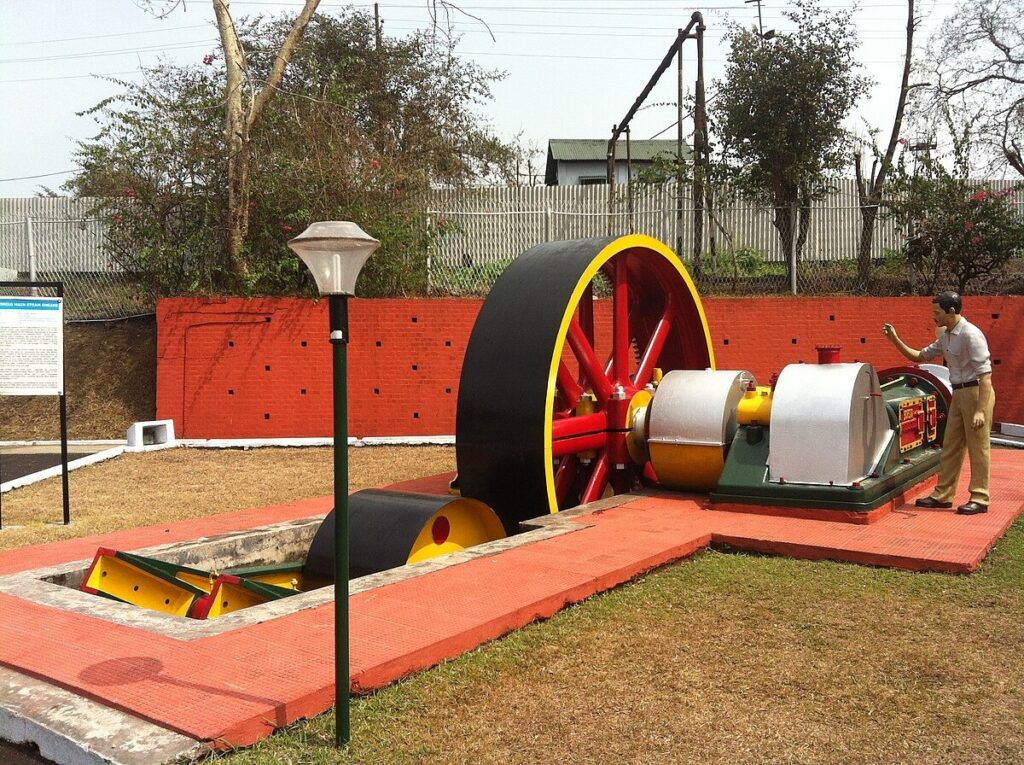
Image Source: Subhashish Panigrahi
About Digboi
Nestled in the eastern part of Assam, Digboi is a charming town in the Tinsukia District that beautifully blends industrial heritage with natural beauty. Often called the “Oil City of Assam,” Digboi holds a special place in India’s history because it is home to Asia’s first oil refinery. Established during the British colonial era, the refinery continues to operate even today, making Digboi one of the oldest continuously functioning oil towns in the world.
Despite its industrial identity, Digboi is far more than an oil town. Surrounded by lush tea gardens, dense forests, and rolling hills, the town has a peaceful atmosphere that attracts travelers looking for history, culture, and nature in one destination. Colonial-era bungalows, quiet roads lined with greenery, and old clubs from the British period still give Digboi a nostalgic charm that feels frozen in time.
History of Digboi
The story of Digboi began in the late 19th century during the construction of railway tracks in Upper Assam. According to local legends, British engineers noticed oil stains left by elephants that had wandered through the forests. This accidental discovery eventually led to oil exploration in the region. Commercial drilling soon began, and by 1901, the famous Digboi Oil Refinery was established.
The refinery became a milestone in India’s industrial development and played an important role during the colonial period. Even today, the town proudly preserves its historic identity. Many old British-era buildings, officers’ bungalows, golf greens, and heritage clubs still stand across the town, offering visitors a glimpse into Digboi’s fascinating past.
Digboi also played a strategic role during World War II because of its oil resources. The town’s historic War Cemetery serves as a reminder of the soldiers who lost their lives during the war. The cemetery is beautifully maintained and remains one of the most important heritage sites in the region.
Cultural Significance and Colonial Legacy
Digboi reflects a unique blend of Assamese culture and colonial influence. The old British settlements, churches, and clubs coexist with Assamese traditions, festivals, and local lifestyles. Walking through the town often feels like stepping into a living museum where history and modern life exist side by side.
One of the most important attractions in the town is the Digboi Oil Museum, which showcases the history of petroleum exploration and the evolution of the oil industry in India. The museum displays old drilling equipment, photographs, machinery, and historical records that help visitors understand the significance of Digboi in the country’s industrial journey.
The town is also known for its old colonial clubs and the famous Digboi Golf Course, which is considered one of the oldest golf courses in India. Surrounded by greenery and tea estates, the golf course adds to the town’s old-world elegance.
Natural Beauty Around Digboi
While Digboi is historically famous for oil production, its natural surroundings are equally captivating. The region is blessed with sprawling tea gardens, evergreen forests, and rich biodiversity. The roads around Digboi pass through scenic landscapes filled with bamboo groves, tea plantations, and mist-covered hills.
Nature lovers can enjoy peaceful walks through the tea estates or spend time birdwatching in the nearby forest areas. The environment remains relatively calm and less crowded compared to many tourist destinations, making Digboi ideal for travelers seeking tranquility.
Another popular attraction is Centenary Park, a beautifully landscaped park developed to commemorate the centenary of the refinery. The park offers green lawns, fountains, flower gardens, and recreational spaces, making it a relaxing place for families and visitors.
Wildlife enthusiasts can also explore the nearby Dehing Patkai National Park, often referred to as the “Amazon of the East.” This rainforest region is known for its elephants, hoolock gibbons, butterflies, and rare bird species.
Best Time to Visit Digboi
The best time to visit Digboi is between October and April when the weather remains pleasant and comfortable for sightseeing. Winters are cool and refreshing, making it ideal for exploring tea gardens, museums, and heritage attractions.
The monsoon season, from June to September, transforms the region into a lush green paradise, although heavy rainfall can sometimes affect travel plans. Summers are generally warm but still manageable due to the greenery surrounding the town.
Local Food and Cuisine
A trip to Digboi also offers a chance to experience Assamese cuisine. Traditional dishes prepared with bamboo shoots, fish, rice, and local herbs are commonly enjoyed in the region. Visitors can taste authentic Assamese thalis, smoked meat preparations, and local tea produced in nearby estates.
The tea culture of Upper Assam is deeply connected with daily life here, and sipping freshly brewed Assam tea while overlooking the plantations becomes one of the most memorable experiences for travelers.
How to Reach Digboi
By Air
The nearest airport to Digboi is Dibrugarh Airport, also known as Mohanbari Airport, located around 65 kilometers away. The airport is well connected to major cities such as Delhi, Kolkata, and Guwahati. Taxis and shared vehicles are easily available from the airport to Digboi.
By Rail
The nearest major railway station is Tinsukia Junction Railway Station, situated about 40 kilometers from Digboi. The station has good rail connectivity with Guwahati, Dibrugarh, Kolkata, and several other important Indian cities.
By Road
Digboi is well connected by road through National Highway 315. Regular buses and taxi services operate from nearby towns such as Tinsukia, Dibrugarh, and Guwahati. The drive to Digboi is particularly scenic, passing through beautiful tea gardens, forests, and river valleys that showcase the natural beauty of Upper Assam.
Nearby Attractions of Digboi
1. Digboi Oil Refinery
One of the oldest operating oil refineries in the world, the Digboi Oil Refinery is a landmark of India’s petroleum industry. The site reflects the town’s rich industrial heritage and historical significance.
2. Digboi Centenary Museum
This museum showcases the history of oil exploration in India through vintage machinery, photographs, documents, and exhibits related to the petroleum industry.
3. War Cemetery
Maintained by the Commonwealth War Graves Commission, the War Cemetery commemorates soldiers who lost their lives during World War II. It is one of Digboi’s most important historical sites.
4. Jeypore Rainforest
Known for its rich biodiversity and evergreen forests, Jeypore Rainforest is home to elephants, hoolock gibbons, and numerous bird species. It is a paradise for nature lovers and wildlife enthusiasts.
5. Dehing Patkai National Park
Often called the “Amazon of the East,” Dehing Patkai National Park is famous for its dense tropical rainforest, rare wildlife, butterflies, and bird species.
6. Margherita
Located near Digboi, Margherita is known for its tea gardens, coal mining history, and scenic landscapes. The town offers a glimpse into Assam’s industrial and tea-growing heritage.
7. Lekhapani
Once the easternmost railway station in India, Lekhapani is a scenic destination surrounded by forests and hills. It is popular among travelers exploring Upper Assam.
8. Namphake Village
This picturesque Tai Phake village is known for its Buddhist monastery, traditional culture, handicrafts, and peaceful rural atmosphere.
9. Tilinga Mandir
Also known as the Bell Temple, Tilinga Mandir is famous for thousands of bells offered by devotees. It is one of the most unique religious sites in Assam.
10. Dibru-Saikhowa National Park
Located within driving distance of Digboi, this national park is renowned for its wetlands, river islands, feral horses, migratory birds, and rich biodiversity.
Things to Do in Digboi
Visitors to Digboi can enjoy a mix of heritage exploration and nature-based activities. Touring the old refinery areas, visiting the Oil Museum, walking through tea estates, and exploring colonial architecture are some of the most popular experiences. Travelers can also spend time at the golf course, relax in Centenary Park, or take short excursions to nearby wildlife and forest regions.
Photography enthusiasts especially enjoy Digboi because of its vintage buildings, green landscapes, and misty surroundings that create a timeless atmosphere
Google maps
FAQs
Why is Digboi famous?
Digboi is famous for being home to Asia’s first oil refinery and for its important role in India’s petroleum history. It is also known for its tea gardens, colonial heritage, and natural beauty.
Which is the nearest railway station to Digboi?
The nearest major railway station is Tinsukia Junction Railway Station, located around 40 kilometers away.
What is the best time to visit Digboi?
The best time to visit Digboi is from October to April when the weather is pleasant and suitable for sightseeing.
Is Digboi suitable for nature lovers?
Yes, Digboi is surrounded by tea gardens, forests, and wildlife habitats, making it an excellent destination for nature lovers and birdwatchers.
What are the major attractions in Digboi?
Major attractions include the Digboi Oil Museum, Digboi Golf Course, Centenary Park, the War Cemetery, and nearby Dehing Patkai National Park.
How far is Digboi from Dibrugarh Airport?
Digboi is approximately 65 kilometers from Dibrugarh Airport.
Can tourists visit the oil refinery in Digboi?
Certain sections and museum areas related to the refinery may be accessible to visitors, though entry permissions and guided visits can vary depending on regulations.