Image Source: Official anahita
About Assam Tea Museum
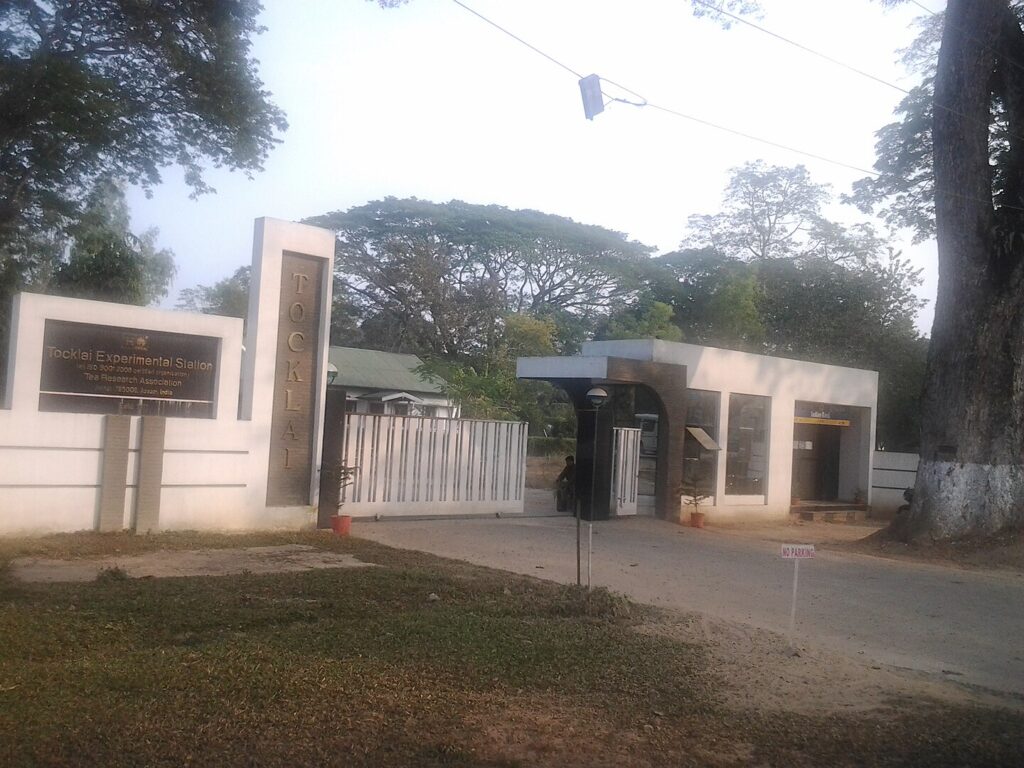
The Assam Tea Museum, located in Jorhat, is a unique cultural and industrial landmark that preserves the legacy of one of Assam’s most iconic contributions to the world – tea. Popularly known as the Tocklai Tea Research Association Museum, it serves as a living repository of Assam’s tea history, showcasing everything from colonial tea plantations to modern mechanized processing.
For travelers, researchers, and tea enthusiasts, the museum offers a rare glimpse into how the “tea capital of the world” shaped global beverage culture.
History
The museum was established under the Tocklai Tea Research Institute, one of the oldest and largest tea research centers in the world, founded in 1911. The need to preserve documents, machinery, and artifacts related to tea production led to the creation of this museum.
It chronicles Assam’s journey from when the British first discovered wild tea plants in the early 19th century to its transformation into the largest tea-growing region globally.
Architecture and Layout
The Assam Tea Museum is not a palace-like structure but rather a heritage-style building designed in line with research institutions. The layout is simple yet informative, with dedicated galleries for machinery, photographs, and cultural artifacts.
The walls are decorated with old documents, rare photographs of colonial tea gardens, and displays of tools once used in traditional tea cultivation. Separate sections have been designed for processing machinery, packaging methods, and lifestyle exhibits, giving a holistic experience of the tea industry.
Sections of the Museum
Historical Section
This part showcases rare documents, maps, and photographs that trace the history of tea discovery in Assam. Visitors can see how the Singpho and Khamti tribes first used tea leaves, followed by the British establishing plantations.
Machinery and Processing Section
One of the highlights is the display of antique tea-processing machines, including rollers, dryers, and sorters. These exhibits demonstrate how hand-plucked leaves were transformed into the aromatic beverage enjoyed worldwide.
Cultural Section
Beyond production, tea shaped Assam’s culture and economy. This section highlights the lives of tea garden workers, their traditions, songs, and festivals. It also showcases the impact of tea trade on Assam’s social fabric.
Research and Innovation Section
Since the museum is part of the Tocklai Institute, it also emphasizes scientific progress in tea cultivation. Models and charts explain experiments in hybrid tea plants, pest control, and sustainable plantation practices.
How to Reach Assam Tea Museum
The museum is located in Jorhat, also known as the “Tea Capital of Assam.”
By Air: The nearest airport is Jorhat Airport (Rowriah), around 7 km away, with flights from Guwahati, Kolkata, and other regional hubs.
By Rail: Jorhat Town Railway Station and Mariani Junction are the closest railheads, well-connected with Guwahati and Dibrugarh.
By Road: Jorhat lies on NH-37, and buses, taxis, and private vehicles connect it to Guwahati (approx. 300 km). Local auto-rickshaws and cabs make it easy to reach the museum within the city.
Nearby Attractions of Assam Tea Museum
1. Jorhat Gymkhana Club
Located near the Assam Tea Museum, Jorhat Gymkhana Club is one of the oldest golf clubs in Asia. The club is known for its colonial-era charm, expansive golf course, and historical significance in Assam’s tea-growing region.
2. Raja Maidam
Raja Maidam is a historical burial site associated with the Ahom dynasty. The monument reflects the architectural and cultural heritage of Assam’s royal past.
3. Tocklai Tea Research Institute
One of the world’s oldest and largest tea research centers, Tocklai Tea Research Institute offers insights into tea cultivation, processing techniques, and scientific advancements in the tea industry.
4. Lachit Borphukan’s Maidam
This memorial honors the legendary Ahom general Lachit Borphukan and serves as an important historical landmark in the region.
5. Jorhat Science Centre and Planetarium
A popular attraction for students and families, the center features science exhibits, educational displays, and astronomy programs.
6. Kakochang Waterfall
Surrounded by tea gardens and forests, Kakochang Waterfall is a scenic destination ideal for photography, picnics, and nature excursions.
7. Majuli Island
Located on the Brahmaputra River, Majuli is the world’s largest inhabited river island and is renowned for its Vaishnavite monasteries, cultural heritage, and traditional arts.
8. Hoollongapar Gibbon Wildlife Sanctuary
This wildlife sanctuary is famous for being home to India’s only ape, the hoolock gibbon, along with numerous bird species and rich biodiversity.
9. Thengal Bhawan
A historic heritage building, Thengal Bhawan showcases colonial architecture and serves as a reminder of Assam’s social and political history.
10. Cinnamora Tea Estate
One of Assam’s oldest tea estates, Cinnamora Tea Estate provides visitors with a glimpse into the history and development of tea cultivation in the region.
Google Maps
FAQs
1. Where is the Assam Tea Museum located?
The Assam Tea Museum is located in Jorhat, Assam, one of the most important tea-producing regions in India.
2. Why is the Assam Tea Museum famous?
The museum is famous for showcasing the history, evolution, cultivation, and processing of Assam tea, one of the world’s most renowned tea varieties.
3. What can visitors see at the Assam Tea Museum?
Visitors can explore exhibits related to tea cultivation, tea-processing machinery, historical photographs, documents, and artifacts associated with Assam’s tea industry.
4. Is tea tasting available at the museum?
Yes, visitors can often participate in tea-tasting sessions and sample different varieties of Assam tea.
5. How much time is needed to explore the museum?
Most visitors spend around one to two hours exploring the exhibits and learning about the tea-making process.
6. Is the Assam Tea Museum suitable for families?
Yes, the museum is suitable for families, students, researchers, and anyone interested in Assam’s tea heritage.
7. What is the best time to visit the Assam Tea Museum?
The best time to visit is between October and April when the weather is pleasant for sightseeing and exploring nearby tea estates.
8. Can visitors learn about tea production at the museum?
Yes, the museum provides detailed information about tea cultivation, harvesting, processing, packaging, and the history of the tea trade in Assam.
9. Are guided tours available at the museum?
Guided tours may be available depending on the season and management policies. Visitors are advised to check locally before their visit.
10. What makes the Assam Tea Museum unique?
The museum offers a comprehensive look at Assam’s tea industry, highlighting its historical significance, cultural impact, and contribution to the global tea market.