Image Source: Piyush Javeria
About the National Research Centre on Camel
The National Research Centre on Camel, popularly known as the Government Camel Breeding Farm, is one of the most unique attractions in Bikaner. Located in the Jorbeer area, around 8 kilometers from Bikaner Junction, the center is widely recognized as one of the largest camel breeding farms in Asia. Spread across nearly 2,000 acres of semi-arid desert land, this fascinating institution offers visitors a rare opportunity to learn about camels, desert ecology, and Rajasthan’s rich cultural heritage.
Far more than just a tourist attraction, the center serves as an important hub for camel conservation, scientific research, and breeding programs. It highlights the incredible relationship between camels and the harsh desert environment, while also showcasing the role these resilient animals have played in the lives of desert communities for centuries.
History
The center was established in 1984 by the Indian Council of Agricultural Research (ICAR) with the primary objective of conducting scientific research on camels and improving their breeding, health, and adaptability. At a time when camel populations were gradually declining due to modernization and changing transportation systems, the need for conservation became increasingly important.
Since its establishment, the center has been dedicated to studying different camel breeds found across India, especially those native to Rajasthan. Researchers here focus on improving camel genetics, disease management, nutrition, and reproductive health. Over the years, the institution has become one of the leading centers in India for camel-related research and preservation.
The center has also contributed significantly to spreading awareness about the importance of camels in desert ecosystems and rural livelihoods.
Camel Breeding and Research Activities
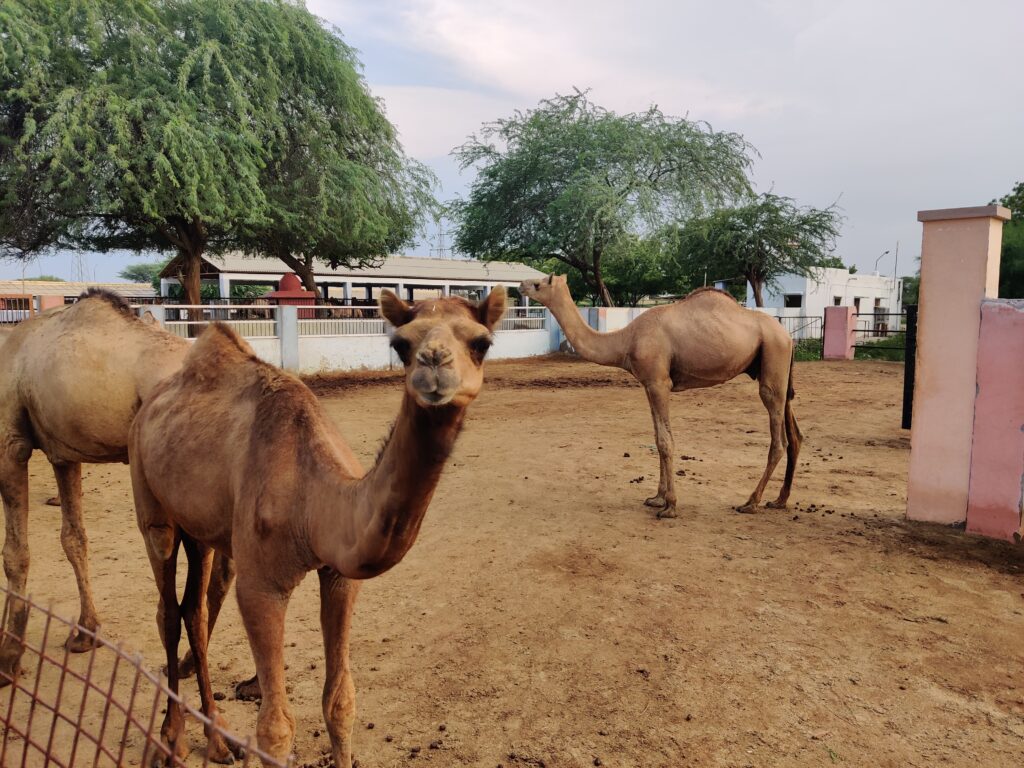
The National Research Centre on Camel is home to around 400 camels belonging to different breeds and age groups. Visitors can observe various activities related to camel breeding, training, healthcare, and scientific research. Expert veterinarians, researchers, and trained staff work continuously to ensure the animals remain healthy and well cared for.
The center studies camel physiology and behavior to better understand how these animals survive in extreme desert conditions. Camels are remarkably adapted to arid climates, and the research conducted here helps improve their productivity and overall well-being.
Selective breeding programs are carried out to preserve strong and healthy camel breeds capable of thriving in Rajasthan’s harsh climate. The institution also conducts studies on camel milk, nutrition, and medicinal properties, which have gained attention in recent years due to the growing popularity of camel milk products.
A Unique Place to Learn About Desert Life
One of the most interesting aspects of the center is how it introduces visitors to the lifestyle and ecology of the Thar Desert. The campus includes camel enclosures, stables, feeding areas, and research facilities, all designed to support camel care and conservation.
Visitors can watch the daily routines involved in camel management, including feeding, grooming, and training sessions. Informative displays and exhibits explain the importance of camels in Rajasthan’s rural economy, transportation, agriculture, and traditional culture.
The center is especially educational for children, wildlife enthusiasts, and travelers interested in learning about desert biodiversity and sustainable living in arid regions.
Camel Milk Products and Souvenir Shops
A visit to the center becomes even more memorable because of its unique camel milk products. The National Research Centre on Camel is famous for serving camel milk beverages, flavored milk, and camel milk ice cream. Many visitors are curious to try these products because camel milk is known for its nutritional value and health benefits.
There are also souvenir shops within the campus where travelers can purchase camel-themed handicrafts and products. Items such as leather purses, decorative pieces, camel bone artwork, bags, and traditional Rajasthani souvenirs are commonly available. These shops provide local artisans with opportunities to promote traditional crafts linked to desert culture.
Camel Safari and Riding Experience
One of the major attractions of the center is the camel safari and camel riding experience. Visitors can enjoy short camel rides within the campus and explore the surrounding desert landscape in a traditional way.
Camel safaris provide a glimpse into how these “ships of the desert” have been used for transportation across Rajasthan for generations. Riding through the sandy terrain while enjoying the peaceful desert scenery creates a memorable cultural experience.
The safari experience also allows travelers to connect more closely with Rajasthan’s rural traditions and understand the deep bond between desert communities and camels.
Importance of Camels in Rajasthan
Camels have historically been an essential part of life in the Thar Desert. Before modern roads and vehicles became widespread, camels were the primary mode of transportation for people and goods across long desert routes. They were also used in farming, trade, and military activities.
Even today, camels continue to support the livelihoods of many pastoral communities in Rajasthan. The National Research Centre on Camel plays an important role in preserving this cultural and ecological heritage while promoting awareness about the declining camel population in India.
Best Time to Visit
The ideal time to visit the camel research center is between October and March, when the weather in Bikaner remains pleasant and suitable for sightseeing. Summers in Rajasthan can be extremely hot, with temperatures often rising above 40°C, making daytime visits uncomfortable.
Winter months provide the best opportunity to enjoy camel rides, explore the campus comfortably, and experience the desert atmosphere.
Timings and Entry Fee
The National Research Centre on Camel is generally open to visitors from 2 PM to 6 PM.
- Entry Fee for Indian Visitors: Approximately ₹50
- Additional charges may apply for camel rides or special activities.
Timings and ticket prices may occasionally change, so it is always a good idea to confirm before visiting.
Things to Do
- Observe different camel breeds up close.
- Learn about camel breeding and conservation.
- Enjoy camel rides and mini desert safaris.
- Taste camel milk ice cream and beverages.
- Explore exhibits related to desert ecology.
- Buy traditional camel-themed souvenirs and handicrafts.
- Photograph camels against the desert backdrop.
How to Reach
- By Air: The nearest airport is Bikaner Airport, located about 15–20 km from the centre. Taxis and cab services are available from the airport to reach the attraction.
- By Train: Bikaner Junction Railway Station is well connected to major cities such as Delhi, Jaipur, Jodhpur, and Ahmedabad. From the railway station, visitors can hire an auto-rickshaw, taxi, or local cab to reach the centre.
- By Road: The National Research Centre on Camel is situated on the outskirts of Bikaner along the Jaipur–Bikaner Highway. Regular buses, taxis, and private vehicles provide easy access from Bikaner city as well as nearby destinations across Rajasthan.
- Local Transport: Auto-rickshaws, e-rickshaws, and app-based cab services are readily available within Bikaner, making it convenient to visit the centre along with other attractions in the city.
Nearby Attractions
- Junagarh Fort – One of Rajasthan’s finest forts, Junagarh Fort is renowned for its magnificent palaces, ornate courtyards, and impressive collection of Rajput and Mughal architecture.
- Lalgarh Palace – A beautiful red sandstone palace that blends Rajput, Mughal, and European architectural styles. The palace remains one of Bikaner’s most iconic heritage landmarks.
- Karni Mata Temple – Located about 30 km from Bikaner, this unique temple is famous worldwide for its large population of sacred rats and its deep religious significance.
- Ganga Singh Museum – A fascinating museum showcasing ancient artifacts, sculptures, paintings, and historical exhibits that highlight the rich heritage of the Bikaner region.
- Bhandasar Jain Temple – Known for its exquisite carvings, colorful frescoes, and intricate architecture, this 15th-century Jain temple is one of the city’s most remarkable religious sites.
- Rampuria Havelis – A cluster of beautifully decorated havelis featuring elaborate sandstone carvings and intricate balconies, offering a glimpse into Bikaner’s merchant heritage.
- Gajner Wildlife Sanctuary – Situated on the outskirts of the city, this sanctuary is home to antelopes, migratory birds, and diverse desert wildlife, making it a popular destination for nature enthusiasts.
Map and Location
FAQs
1. Where is the National Research Centre on Camel located?
The center is located in the Jorbeer area of Bikaner, Rajasthan, about 8 kilometers from Bikaner Junction railway station.
2. Why is the camel research center famous?
It is famous for camel breeding, scientific research, camel milk products, and unique desert experiences such as camel rides and safaris.
3. Can visitors ride camels at the center?
Yes, visitors can enjoy camel rides and short safari experiences within the campus.
4. What can you buy at the souvenir shops?
The shops sell camel-themed handicrafts, leather products, decorative items, bags, and traditional Rajasthani souvenirs.
5. Is camel milk available at the center?
Yes, visitors can try camel milk products such as flavored milk, beverages, and camel milk ice cream.
6. What is the best time to visit the camel breeding farm?
The best time to visit is from October to March when the weather in Bikaner is pleasant.
7. Who established the National Research Centre on Camel?
The center was established in 1984 by the Indian Council of Agricultural Research (ICAR).
8. How much time is needed to explore the center?
Most visitors spend around 1 to 2 hours exploring the campus, enjoying camel rides, and visiting the exhibits.