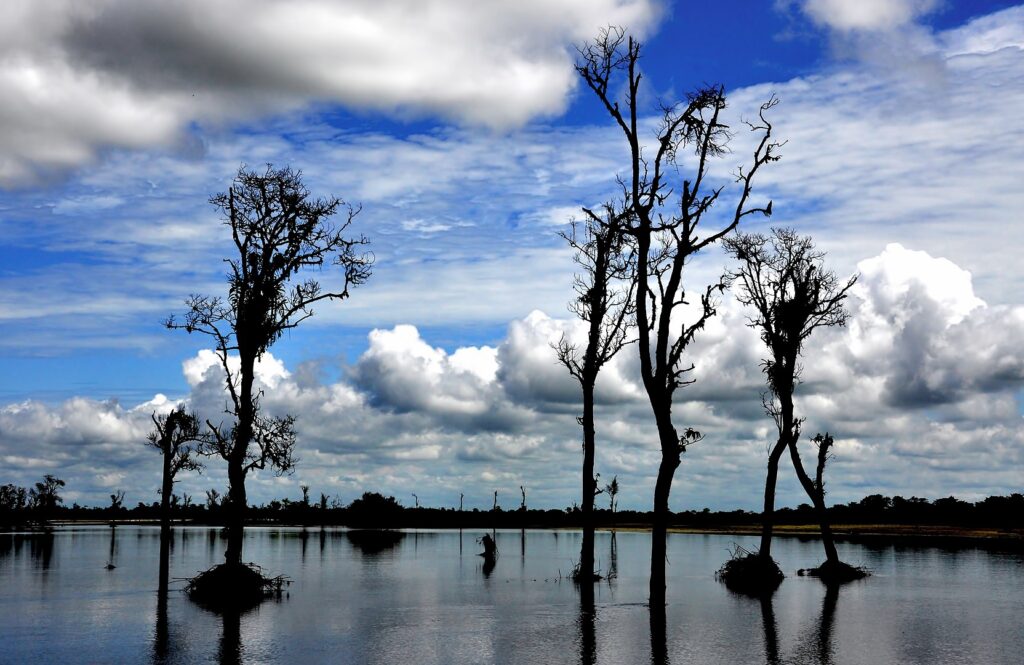
Image Source: Dhruba Jyoti Baruah
About Dibru-Saikhowa National Park
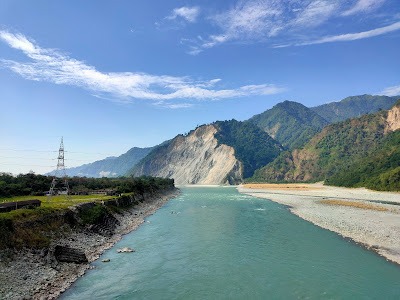
Tucked away in the districts of Tinsukia and Dibrugarh, Dibru-Saikhowa National Park is one of Northeast India’s most untouched and peaceful wilderness areas. Declared a biosphere reserve in 1997, this park is a beautiful mix of dense forests, open grasslands, and rich wetlands shaped by the mighty Brahmaputra River and Lohit River.
What makes this park truly special is its raw, untamed charm. It’s a dream destination for birdwatchers, wildlife photographers, and anyone who simply wants to experience nature in its purest form. One of its most fascinating highlights is the sight of rare feral horses roaming freely—something you won’t easily find anywhere else in India.
Layout and Geography
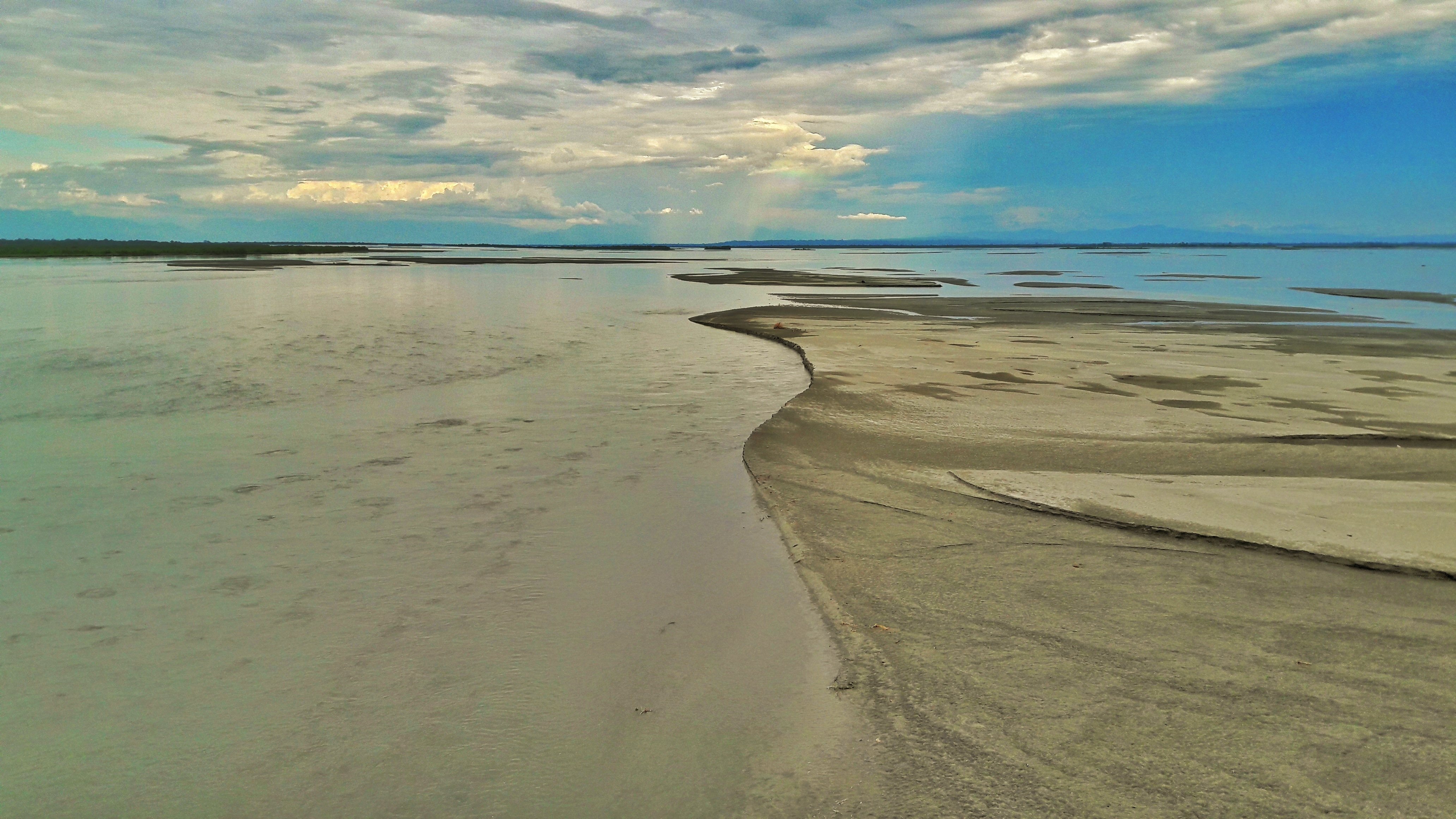
Spread across a vast area of around 765 square kilometres, the park sits right where the Brahmaputra and Lohit rivers meet. This unique location gives it a constantly changing landscape made up of wetlands, sandbars, swamp forests, and grasslands.
Seasonal floods from the Brahmaputra play a big role in shaping the park’s ecosystem. While they may sound destructive, these floods actually enrich the soil and create new habitats for wildlife. Areas like the Maguari Beel are especially known for attracting migratory birds, making them a hotspot for birdwatching. The forested parts of the park are home to animals like elephants, wild buffalo, and even big cats like tigers and leopards.
Wildlife and Birdwatching
If you love birds, this place will feel like paradise. With over 380 species recorded, Dibru-Saikhowa National Park is one of the best birdwatching destinations in India. You might spot rare species like the white-winged wood duck, Bengal florican, and Pallas’s fish eagle. During winter, migratory birds from Central Asia add even more life to the skies.
The park isn’t just about birds, though. It’s also home to Asiatic Elephant, swamp deer, wild boars, and the endangered Gangetic River Dolphin. And of course, the free-roaming feral horses remain one of its most unique and talked-about attractions, believed to have descended from animals left behind during World War II.
Activities and Experiences
One thing that sets this park apart is its approach to tourism. You won’t find jeep safaris here. Instead, the focus is on eco-friendly ways to explore.
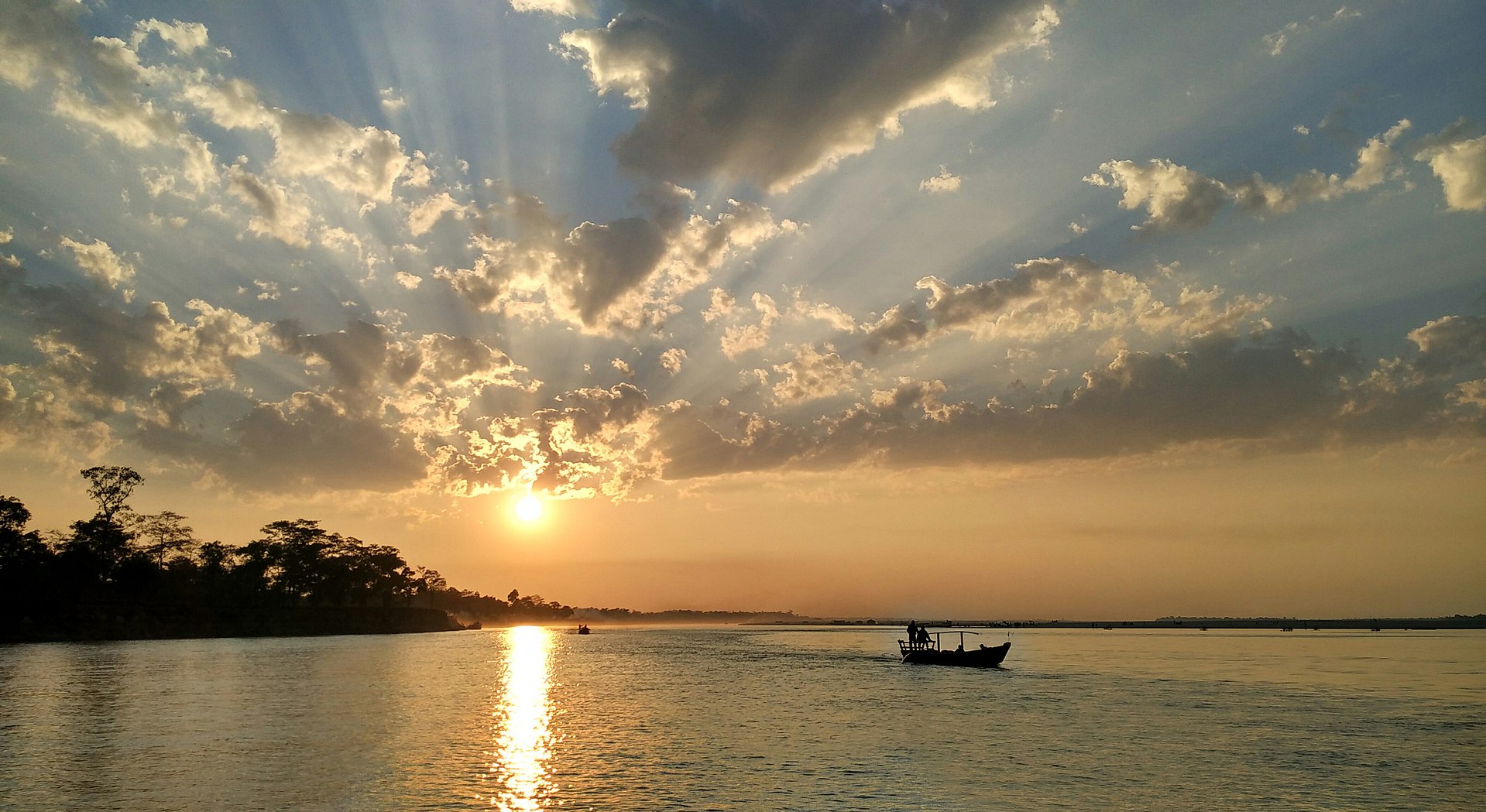
Boat rides and river cruises along the Brahmaputra are the best way to experience the park’s beauty. These rides often double as dolphin-spotting tours, giving you a chance to see Gangetic dolphins in the wild. Guided nature walks, birdwatching tours, and camping near the park are also popular, especially for those who enjoy slow, immersive travel.
Nearby Attractions
Dehing Patkai Wildlife Sanctuary
Often referred to as the “Amazon of the East,” Dehing Patkai Wildlife Sanctuary is known for its lush tropical rainforests, diverse wildlife, and rich birdlife. Visitors can explore dense forest trails, spot rare species, and experience one of India’s last remaining lowland rainforests.
Maguri Beel
Located near the national park, Maguri Beel is a picturesque wetland that attracts hundreds of resident and migratory birds. The tranquil waters, surrounded by grasslands and forests, make it a favorite destination for birdwatchers, photographers, and nature lovers.
Bherjan-Borajan-Padumoni Wildlife Sanctuary
This wildlife sanctuary is renowned for its population of Hoolock Gibbons, India’s only ape species. The forest also shelters capped langurs, macaques, and numerous bird species, making it an excellent destination for wildlife enthusiasts.
Tinsukia
The nearest major town to the national park, Tinsukia serves as a convenient base for travelers. The town is known for its tea gardens, vibrant markets, and easy access to several natural attractions across Upper Assam.
Sadiya
Situated near the confluence of several Himalayan rivers, Sadiya is one of Assam’s oldest historical settlements. The region is known for its scenic landscapes, ancient temples, and cultural significance as a gateway to Northeast India.
Namphake Village
This beautiful Tai Phake village offers visitors a unique cultural experience. Known for its Buddhist monastery, traditional architecture, and preserved customs, Namphake provides a fascinating insight into the heritage of Assam’s Tai communities.
Digboi
Home to one of the oldest operating oil refineries in the world, Digboi is a historic town featuring colonial-era charm, an oil museum, and beautiful surrounding landscapes. It makes for an interesting day trip from the Dibru-Saikhowa region.
How to Reach
By Air:
The nearest airport is Dibrugarh Airport, about 40 km away.
By Rail:
The closest railway station is Tinsukia Railway Station, just around 10 km from the park, with good connectivity to Guwahati and other major cities.
By Road:
You can easily reach the park by road from Dibrugarh and Tinsukia. Buses, taxis, and private vehicles are all convenient options.
Google Maps
FAQs
1. What is Dibru-Saikhowa National Park famous for?
It’s best known for its rich birdlife, untouched wetlands, and the rare sight of feral horses living freely in the wild.
2. What is the best time to visit the park?
The ideal time is from November to April, when the weather is pleasant and migratory birds are present.
3. Are safaris available inside the park?
No, jeep safaris are not allowed. Visitors explore the park through boat rides, guided walks, and nature trails.
4. Can I see river dolphins here?
Yes, boat rides on the Brahmaputra often offer sightings of the endangered Gangetic river dolphins.
5. Is Dibru-Saikhowa suitable for birdwatching beginners?
Absolutely. Whether you’re a beginner or an experienced birder, the park offers plenty of opportunities to spot rare and beautiful species.
6. How many days are enough to explore the park?
A 2–3 day trip is usually enough to enjoy birdwatching, boat rides, and nearby experiences at a relaxed pace.