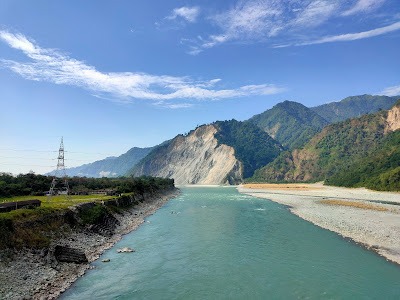
Image Source: Partha Pratim Dutta
About the Lohit River
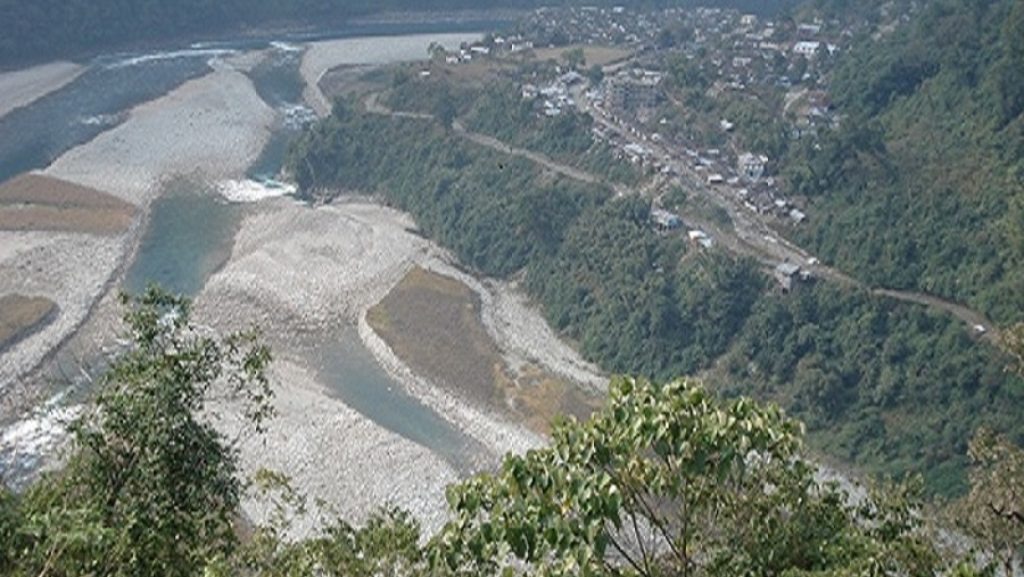
The Lohit River is one of the most powerful and scenic rivers in northeastern India, flowing through the rugged landscapes of Arunachal Pradesh before joining the Brahmaputra in Assam. Near the town of Tezu, the river creates a spectacular bend that has become one of the region’s most admired natural viewpoints. Surrounded by forested hills, misty valleys, and remote tribal settlements, this stretch of the river perfectly captures the untamed beauty of the Eastern Himalayas.
What makes the Lohit River Bend especially captivating is the contrast between the calm elegance of the sweeping river curve and the dramatic wilderness that surrounds it. The river carries glacial waters from the high mountains of Tibet and Arunachal Pradesh, giving it a striking bluish-green colour that changes with the light and seasons. During clear winter mornings, the entire valley appears painted in shades of emerald, silver, and deep blue.
Journey Through the Eastern Himalayas
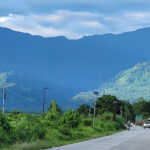
Reaching the Lohit River Bend is an experience in itself. The road from Tezu winds through lush green hills, bamboo forests, and scattered villages belonging mainly to the Mishmi community. Along the way, travellers encounter panoramic views of mountain ridges, river valleys, and terraced farmland carved into the slopes.
The drive offers a glimpse into rural life in Arunachal Pradesh. Traditional wooden stilt houses stand beside cultivated fields filled with seasonal vegetables, maize, and fruit trees. Small roadside markets often sell local produce, smoked meat, bamboo shoots, and handwoven tribal textiles. The route feels peaceful and unhurried, making the journey as memorable as the destination itself.
As the road descends toward the river, glimpses of the Lohit begin to appear through the trees. The sound of flowing water grows louder, and eventually the dramatic bend of the river opens into view, framed by dense forests and distant Himalayan peaks.
The Beauty of the River Bend
At the river bend, the Lohit spreads across a wide valley floor before curving gracefully around sandbanks and rocky edges. Depending on the season and sunlight, the river shifts in colour from turquoise and jade green to steel blue. During winter, the water is especially clear, reflecting the surrounding hills and skies.
Several elevated viewpoints near the bend provide breathtaking panoramic scenery. From these spots, visitors can watch the river winding through untouched landscapes while cool mountain winds sweep across the valley. Early mornings are often covered in soft mist, while sunsets paint the hills in golden and orange tones.
Unlike heavily commercialized tourist destinations, the Lohit River Bend still retains a raw and natural atmosphere. The silence is broken only by the sound of rushing water, birds calling from the forests, and occasional village activity nearby. For photographers and nature lovers, it is one of the most visually rewarding places in Arunachal Pradesh.
Cultural Importance of the Lohit River
For the local Mishmi tribes, the Lohit River is far more than a geographical feature. It is deeply connected to their traditions, folklore, and daily life. The river is regarded with respect and spiritual significance, and many local legends describe it as a sacred force tied to the mountains and forests.
Fishing remains an important activity in riverside communities. Traditional bamboo fish traps and handmade nets are still used in shallow sections of the river, preserving methods that have existed for generations. Riverbanks also serve as social gathering spaces where villagers meet during festivals, ceremonies, and storytelling sessions.
The culture of the region is closely linked with nature, and the Lohit River plays an essential role in sustaining agriculture, fishing, and transportation in remote settlements. Visitors who spend time in nearby villages often experience the warmth and hospitality for which the Mishmi people are known.
Flora, Fauna, and Natural Ecosystem
The river valley surrounding the Lohit Bend supports a rich ecosystem filled with Himalayan and subtropical biodiversity. Thick vegetation grows along the riverbanks, including bamboo clusters, cane forests, wild banana plants, and flowering shrubs.
Birdwatchers can spot species such as kingfishers, herons, egrets, and migratory water birds along calmer stretches of the river. Butterflies are abundant during warmer months, adding colour to the greenery. The surrounding forests are also home to small mammals, reptiles, and countless insect species that thrive in the humid environment.
During winter and early spring, seasonal wildflowers bloom across open patches near the riverbanks, making the landscape even more picturesque. The clear weather during these months also offers the best visibility for photography and sightseeing.
Best Time to Visit
The ideal time to visit the Lohit River Bend is between November and March. During these months, the skies remain clear, humidity is low, and the river displays its most vibrant colours. Winter mornings are cool and refreshing, while afternoons remain pleasant for outdoor exploration.
The monsoon season, from June to September, transforms the valley into a lush green paradise, but heavy rainfall can cause landslides and make roads difficult to navigate. River currents also become stronger during this period.
How to Reach Lohit River Bend
The nearest town to the river bend is Tezu, which serves as an important gateway to eastern Arunachal Pradesh.
- By Road: Tezu is well connected to Assam by road, particularly from Tinsukia and Dibrugarh.
- By Air: Tezu Airport operates limited regional flights.
- By Rail: The nearest major railway station is in Tinsukia, Assam.
From Tezu, local taxis and shared vehicles are available for sightseeing trips to the Lohit River viewpoints and nearby attractions.
Places to Visit Nearby
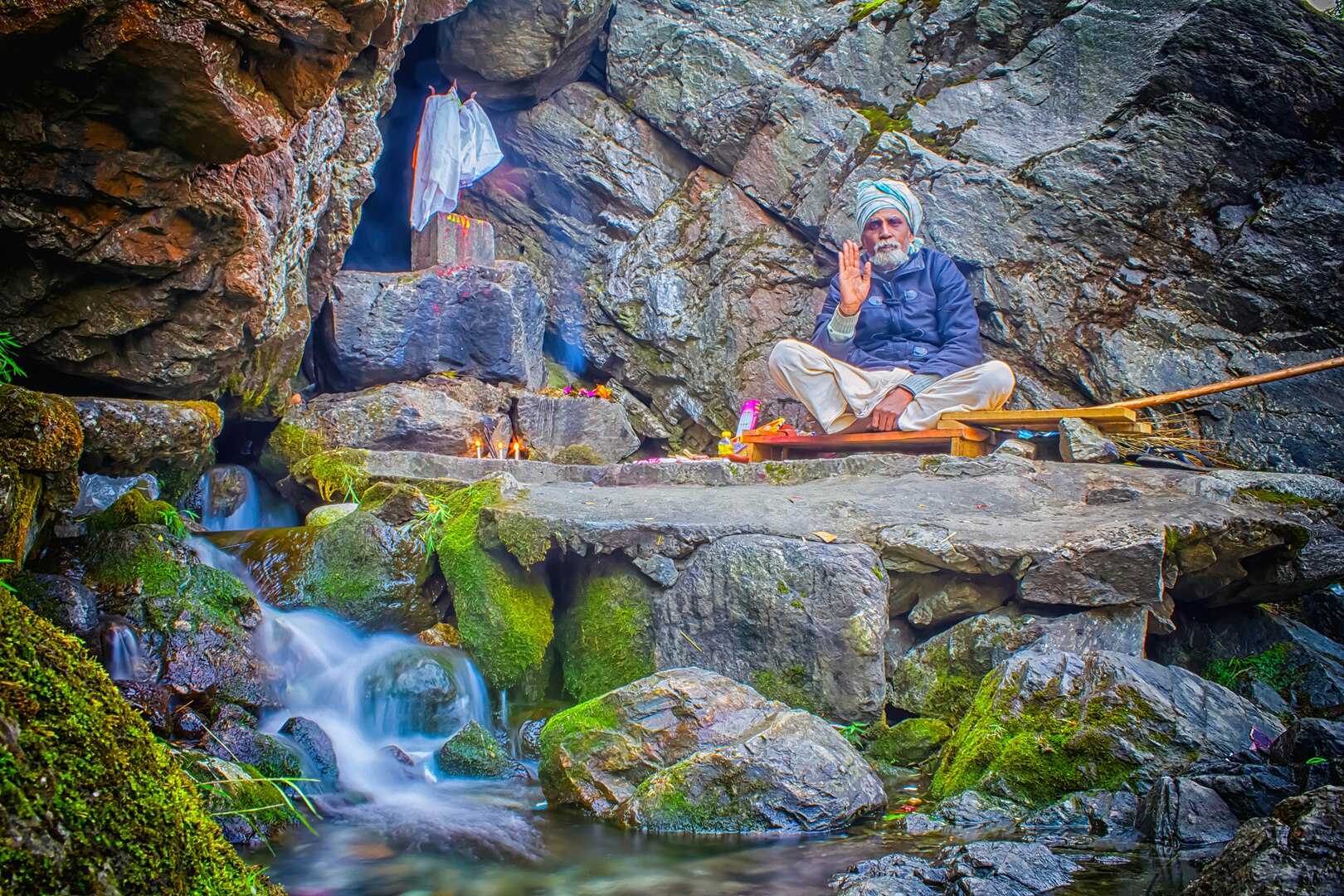
One of the most sacred pilgrimage sites in Arunachal Pradesh, Parshuram Kund attracts thousands of devotees during the Makar Sankranti festival. Surrounded by mountains and fast-flowing waters, it combines spiritual significance with natural beauty.
Tezu
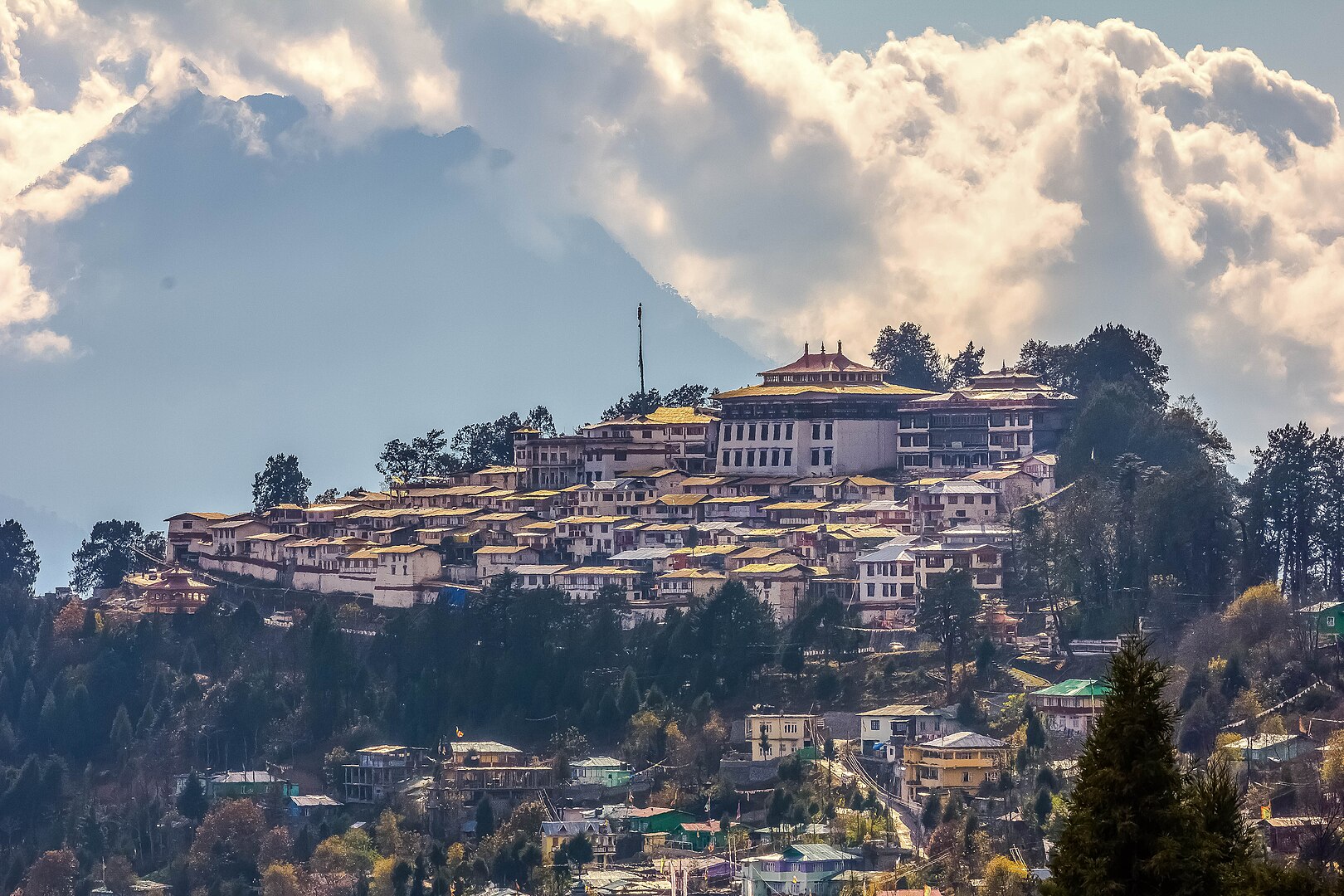
The district headquarters of Tezu serves as the main gateway to the Lohit Valley. Surrounded by lush hills and river landscapes, Tezu offers cultural attractions, local markets, and easy access to several natural and religious sites in the region.
Glow Lake
Hidden amidst dense forests and mountains, Glow Lake is a pristine alpine lake known for its crystal-clear waters and serene surroundings. The trek to the lake passes through beautiful forests and offers spectacular views of the Eastern Himalayas.
Walong
The remote town of Walong lies in the upper Lohit Valley near the India-China border. Famous for its breathtaking scenery and historical significance during the 1962 Indo-China War, Walong is one of the easternmost inhabited regions of India.
Dong Village
Often referred to as the first place in India to witness the sunrise, Dong Village attracts adventurous travelers seeking stunning dawn views over the mountains. The trek to Dong offers unforgettable vistas of the Lohit Valley and surrounding Himalayan peaks.
Kibithu
Located near the international border, Kibithu is known for its dramatic mountain landscapes, military significance, and panoramic views of the Lohit River basin. It is among the easternmost accessible settlements in India.
Kamlang Wildlife Sanctuary
The biodiverse Kamlang Wildlife Sanctuary protects vast tracts of tropical and subtropical forests in the Lohit region. The sanctuary is home to elephants, tigers, hoolock gibbons, and a wide variety of bird species, making it an excellent destination for wildlife enthusiasts and nature photographers.
Namdapha National Park
Located not far from the lower Lohit Valley, Namdapha National Park is one of India’s largest national parks. Renowned for its rich biodiversity, dense rainforests, and rare wildlife, it offers an unforgettable wilderness experience for adventurous travelers exploring eastern Arunachal Pradesh.
Travel Tips
- Carry warm clothing during winter mornings and evenings.
- Road conditions in Arunachal Pradesh can change quickly, especially during monsoon months.
- Mobile connectivity may be limited in remote stretches.
- Respect local customs and ask permission before photographing villagers.
- Start sightseeing early in the day for the clearest river views and best lighting conditions.
Google Maps
FAQs
Why is the Lohit River famous?
The Lohit River is famous for its striking Himalayan scenery, turquoise glacial waters, and cultural importance in Arunachal Pradesh. It is also one of the major tributaries of the Brahmaputra River.
Is Lohit River Bend suitable for photography?
Yes, the river bend is considered one of the best photography locations near Tezu due to its panoramic landscapes, changing river colours, and surrounding forested hills.
What is the best season to visit the Lohit River?
Winter, especially from November to March, is the best time because the weather remains clear and pleasant.
Can tourists visit nearby tribal villages?
Yes, visitors can explore nearby villages respectfully and experience local Mishmi culture, cuisine, and traditions.
How far is Lohit River Bend from Tezu?
The exact distance depends on the viewpoint visited, but most scenic spots are accessible within a short drive from Tezu.
Is the Lohit River dangerous during monsoon season?
Yes, during heavy monsoon rains the river becomes fast-flowing and water levels rise significantly. Travellers should exercise caution during this season.