Papum Pare
Papum pare is a beautiful district located in the western part of Arunachal Pradesh. Yupia its administrative headquarter and Itanagar, the State capital, within its boundaries, Papum pare offers both amenties and pristine wilderness.
The district is a gateway to Arunachal’s culture and ecology which is dotted with lush forests, cascading rivers, ancient monasteries, and traditional villages. From the bustling energy of Itanagar to the calm riversides of Sagalee and the sacred heights of Ganga Lake, Papum Pare presents a perfect blend of urban comfort and natural charm.
Geography and Overview
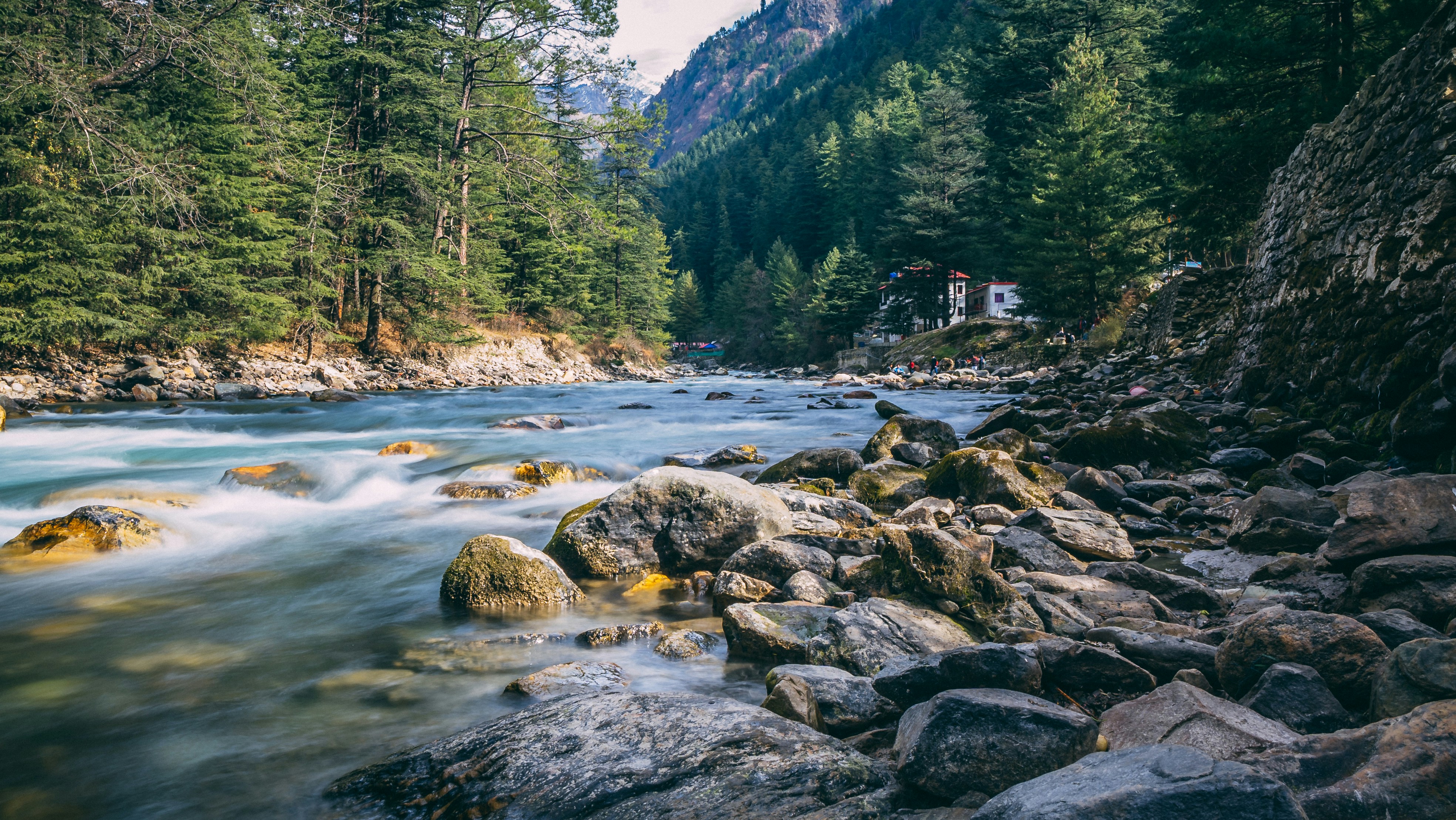
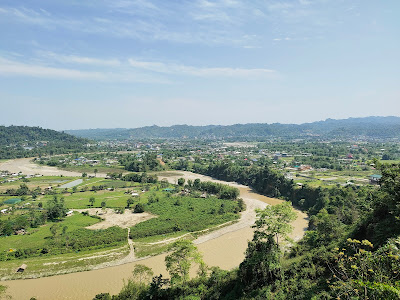
Papum Pare lies in the southwestern part of Arunachal Pradesh, bordered by Assam to the south, East Kameng to the west, Kurung Kumey to the north, and Lower Subansiri to the northwest. The district’s terrain varies from riverine plains to low-lying hills and forested highlands, with an altitude ranging from 100 to 1500 meters above sea level. The Pare River, from which the district derives part of its name, flows gracefully through the region, providing water and life to its valleys. The landscape is rich in biodiversity with home to tropical forests, bamboo groves, and a variety of flora and fauna, making it a delight for nature lovers and explorers alike.
Best time to visit Papum Pare
June to September—Monsoon turns Alibaug lush and green, perfect for nature lovers.
People and Culture
Papum Pare is home to several indigenous tribes, the most prominent being the Nyishi (or Nishis), known for their hospitality, vibrant festivals, and deep reverence for nature. The Nyishi people traditionally wear distinctive cane helmets adorned with hornbill beaks (now replaced with replicas to protect the birds) and are skilled in bamboo and cane crafts. Their traditional faith revolves around Donyi-Polo, the worship of the Sun (Donyi) and Moon (Polo) as symbols of balance and truth.
Festivals form the heartbeat of Papum Pare’s cultural identity. The Nyokum Festival, celebrated in February, is the most significant, bringing together communities through rituals, dance, music, and feasts to invoke harmony and prosperity. Besides, modern celebrations like the Itanagar Festival and Arunachal Carnival showcase the fusion of indigenous and contemporary art, music, and cuisine. The people of Papum Pare take immense pride in preserving their traditions while embracing modern education and development, making the district a fascinating blend of the old and new.
Top Attractions in Papum Pare
Itanagar – The Heart of Arunachal Pradesh
As the capital city of Arunachal Pradesh, Itanagar serves as the cultural and administrative hub of the state. Nestled amid green hills and vibrant valleys, the city blends modern energy with tribal traditions. The most prominent landmark is the Ita Fort, from which Itanagar gets its name — “Ita” meaning brick in Assamese. Built in the 14th–15th century, the fort’s massive stone and brick walls stand as a reminder of ancient Ahom-era architecture. The Jawaharlal Nehru State Museum in Itanagar is another must-visit spot, displaying tribal artifacts, traditional costumes, musical instruments, and handicrafts that provide insight into the life and culture of Arunachal’s many tribes. The nearby Craft Centre and Emporium is ideal for purchasing local weaves, bamboo products, and wood carvings.
Ganga Lake (Gekar Sinyi)
Located about 6 kilometers from Itanagar, Ganga Lake (locally known as Gekar Sinyi) is one of the district’s most scenic natural attractions. Surrounded by dense forest and towering ferns, the lake’s emerald-green waters reflect the serenity of the surrounding hills. It’s a popular spot for boating, picnics, and short nature walks. Early mornings are particularly magical, as the mist hovers over the water and sunlight filters through the trees, creating a tranquil, dreamlike atmosphere.
Itanagar Gompa (Buddhist Temple)
Overlooking the city from a hilltop, the Itanagar Gompa is a striking Buddhist temple that radiates peace and spiritual charm. Built under the guidance of the Dalai Lama, the monastery’s yellow-roofed pagoda, stupa, and prayer wheels make it a serene place for meditation and reflection. The panoramic view of Itanagar from here is spectacular, especially at sunset when the valley glows under golden light.
Yupia and Doimukh
Yupia, the district headquarters, lies about 20 kilometers from Itanagar and offers a quiet contrast to the capital’s bustle. It is surrounded by green hills and small villages, making it ideal for countryside walks and cultural visits. Doimukh, another charming town near the confluence of the Pare and Dikrong rivers, is known for its scenic beauty and tranquil riverbanks. The region is ideal for angling, picnicking, and birdwatching. During local festivals, Doimukh becomes lively with dances, fairs, and food stalls offering local delicacies.
Sagalee Valley
Situated around 110 kilometers from Itanagar, Sagalee is a pristine valley surrounded by dense forests, cascading streams, and picturesque hills. It is an emerging eco-tourism destination where travelers can enjoy hiking, nature trails, and village stays. The road to Sagalee winds through thick forests and terraced fields, offering breathtaking views at every turn. The Nyishi villages in this area provide opportunities to experience traditional architecture, local crafts, and authentic rural life.
Ita Fort
Built during the 14th or 15th century, the Ita Fort remains one of the most important historical structures in Arunachal Pradesh. It is constructed mainly of bricks and stone, covering an area of about 45 square kilometers. Though now in ruins, its three grand gates still stand strong, overlooking the Itanagar valley. The fort’s origin is linked to the ancient Ahom rulers, and archaeologists believe it once served as a military and administrative centre.
Things to Do in Papum Pare
Explore the Heritage of Itanagar
Spend a day visiting Ita Fort, State Museum, and Itanagar Gompa to explore the history and spiritual life of Arunachal Pradesh. The mix of archaeology, culture, and religion gives visitors a complete perspective on the region’s identity.
Relax at Ganga Lake
Enjoy boating, photography, or a peaceful picnic at Ganga Lake. The surrounding trails are perfect for short nature walks, and local vendors sell traditional snacks and tea near the entrance. Early mornings and evenings are the best times to visit for scenic views and tranquility.
Experience the Nyokum Festival
Plan your visit in February to witness the vibrant Nyokum Yullo Festival, celebrated across the district by the Nyishi tribe. The festival is marked by traditional dances, community feasts, and rituals that symbolize peace and prosperity. Visitors are warmly welcomed to join the celebrations, enjoy Apong (rice beer), and watch the rhythmic performances that define Nyishi culture.
Visit the Doimukh River Confluence
For a quiet and scenic escape, spend time by the Pare-Dikrong river confluence near Doimukh. The area offers excellent opportunities for photography, nature walks, and birdwatching. It’s also a great picnic spot for families and travelers looking to unwind by the water.
Take a Scenic Drive to Sagalee
Drive from Itanagar to Sagalee to experience one of the most beautiful routes in western Arunachal. The journey takes you through dense forests, quaint villages, and panoramic viewpoints. Once there, enjoy short treks, visit local farms, and stay overnight in a traditional homestay for an authentic rural experience.
Shop for Tribal Handicrafts
Itanagar’s local markets and the Craft Centre & Emporium are treasure troves for handmade items. Pick up bamboo baskets, wood carvings, and traditional Nyishi shawls as souvenirs. Supporting local artisans not only provides travelers with beautiful keepsakes but also helps sustain indigenous craftsmanship.
Try Local Cuisine
Papum Pare’s food reflects the flavors of the hills — simple, earthy, and full of natural goodness. Must-try dishes include smoked pork with bamboo shoot, fish wrapped in banana leaves, tapioca with herbs, and Apong, the traditional rice beer. Meals are often served with fresh local vegetables and wild ferns, making dining an authentic cultural experience.
Local Cuisine
Alibaug offers flavors of the Konkan coast, which include spicy, tangy, and coconut-rich. Kombdi Vade (chicken curry with fried bread), Sol Kadhi (kokum-based drink), and seafood platters served in beachside shacks. In veg options akri, pitla, and rice thali with coconut chutneys are famous among travelers.
Where to Stay
Alibaug offers a range of accommodations, from luxury beach resorts and boutique villas to budget homestays and eco-lodges. Popular choices include Radisson Blu Resort, U Tropicana Alibaug, and SaffronStays Beach Villas. For a rustic experience, opt for beachside camping or farm stays in nearby villages.
How to Reach Papum Pare?

BY ROAD
Itanagar is well-connected by road from Guwahati (about 320 km) via the NH-415.

BY TRAIN
Naharlagun Railway Station (15 km from Itanagar) connects to Guwahati and New Delhi via direct trains

BY AIR
By Air: The nearest airport is Lilabari Airport (Assam), about 70 km from Itanagar.
Top Tourist Attractions in Papum Pare
Papum Pare, a scenic district in Arunachal Pradesh, is known for its lush landscapes, rivers, and vibrant tribal culture. Home to the state capital Itanagar, it attracts history enthusiasts, nature lovers, and cultural travelers. From exploring the Itanagar Fort, Ganga Lake, and Jawaharlal Nehru State Museum to enjoying panoramic views of surrounding hills and forests, the top tourist attractions in Papum Pare offer a blend of heritage, nature, and cultural experiences.

Itanagar Wildlife Sanctuary
Stretching from the foothills to the rolling highlands of the Papum Pare… Read More