Image Source: Justdial
About Itanagar Wildlife Sanctuary
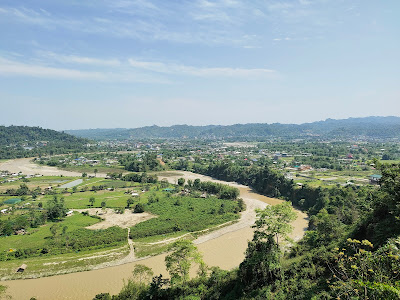
Nestled on the edge of Arunachal Pradesh’s capital city, the Itanagar Wildlife Sanctuary is one of the most important green spaces in northeastern India. Spread across more than 140 square kilometres in the Papum Pare district, the sanctuary forms a dense natural buffer around Itanagar and nearby Naharlagun. Despite being close to an urban area, the forest still feels remarkably wild, with thick evergreen vegetation, bamboo clusters, winding streams, and mist-covered hills creating a peaceful environment for wildlife and visitors alike.
The sanctuary stretches from lower foothill forests to higher undulating terrain, giving rise to a rich mix of ecosystems. Numerous streams flow through the area and eventually connect with rivers such as the Senki, Pachin, and Yagamso, making the sanctuary an important watershed for the region. The forest is dominated by tropical evergreen and semi-evergreen trees, including hollong, nahor, cane, and bamboo species that support a remarkable variety of birds, mammals, insects, and reptiles.
Natural Beauty and Forest Landscape
One of the most striking features of the sanctuary is its untouched natural beauty. Tall trees create thick canopies that allow only filtered sunlight to enter the forest floor, while moss-covered rocks, orchids, and ferns thrive in the humid environment. During the monsoon season, the entire sanctuary becomes intensely green, with streams flowing at full force and clouds drifting through the hills.
The sanctuary is also known for its scenic trails and quiet forest routes. Unlike many heavily commercialized wildlife parks, Itanagar Wildlife Sanctuary still retains a raw and peaceful atmosphere. Visitors often come here not only for wildlife spotting but also to experience silence, fresh mountain air, and the calming sounds of nature.
Wildlife and Biodiversity
The sanctuary supports an impressive range of wildlife species typical of the Eastern Himalayan biodiversity zone. Mammals such as barking deer, capped langurs, Assamese macaques, wild boars, and slow lorises are occasionally spotted in the forest. Though elusive, smaller carnivores and civet species are also believed to inhabit the deeper parts of the sanctuary.
Birdlife is especially rich here, making the sanctuary a rewarding destination for birdwatchers. More than 200 bird species have been recorded, including hornbills, drongos, barbets, woodpeckers, flycatchers, and several migratory birds. One of the sanctuary’s most remarkable avian species is the rare white-winged wood duck, which is considered one of the world’s rarest ducks.
Butterflies, amphibians, and reptiles also thrive in the moist forest ecosystem. During the warmer months, colorful butterflies can be seen along the trails, while orchids bloom in various hidden corners of the forest.
Things to Do
Birdwatching
The sanctuary is a paradise for bird lovers. Early mornings are the best time to hear the forest come alive with calls of hornbills, cuckoos, and barbets. Carrying binoculars and a camera can make the experience even more rewarding.
Nature Walks and Forest Trails
Several natural trails pass through bamboo groves, stream crossings, and dense tree cover. These walks are ideal for travellers looking to spend time in nature away from crowded tourist attractions. The cool shade of tall hollong and nahor trees makes trekking through the sanctuary especially pleasant during winter months.
Wildlife Photography
The changing light conditions, forest textures, and diverse wildlife create excellent opportunities for photography. Even if large animals remain hidden, the sanctuary offers endless subjects ranging from insects and birds to landscapes and forest streams.
Visiting Nearby Nyishi Villages
The sanctuary also offers a cultural dimension because of its proximity to traditional Nyishi settlements. Visitors can learn about indigenous lifestyles, local traditions, bamboo craftsmanship, and the close relationship the Nyishi people share with nature.
Senki Viewpoint
Located near the sanctuary area, the Senki viewpoint provides sweeping views of Itanagar surrounded by rolling green hills. During sunrise and sunset, the landscape becomes especially beautiful as mist slowly moves across the forests.
Ecological and Cultural Importance
The sanctuary plays a major environmental role for the capital region. Often described as the “green lungs” of Itanagar, it helps regulate temperature, improve air quality, and maintain water resources for nearby settlements. The dense forest also prevents soil erosion and protects the fragile hill ecosystem.
For the indigenous Nyishi community, several forest groves and water bodies inside the sanctuary are culturally significant and treated with respect. Traditional conservation practices, including seasonal restrictions on hunting and fishing, have contributed to preserving biodiversity in the region for generations.
As urban development around Itanagar continues to expand, the sanctuary has become increasingly important as a protected ecological zone. Conservation efforts today focus on balancing tourism, local livelihoods, and environmental protection.
Best Time to Visit
The best time to explore the sanctuary is between October and April, when the weather remains cool and comfortable. During these months, the skies are clearer, forest trails are easier to access, and wildlife sightings are more frequent.
From May to September, the monsoon transforms the sanctuary into a lush green landscape. While the scenery becomes more dramatic and vibrant, heavy rainfall can make trails slippery and difficult to navigate.
How to Reach
By Air
The nearest airport is Donyi Polo Airport, located around 15 kilometres from Itanagar.
By Rail
Naharlagun Railway Station is the nearest railway station and is well connected to several cities in Assam and other parts of India.
By Road
The sanctuary can easily be reached by taxi, shared cab, or auto-rickshaw from different parts of Itanagar and Naharlagun. Roads leading to the sanctuary offer scenic views of hills and forests along the way.
Nearby Attractions
Itanagar Wildlife Sanctuary is a beautiful protected forest area located near the capital city of Arunachal Pradesh, Itanagar. Known for its dense evergreen forests, rich biodiversity, scenic trekking trails, and diverse birdlife, the sanctuary serves as a natural retreat for wildlife enthusiasts and nature lovers. Its proximity to Itanagar allows visitors to combine wildlife exploration with cultural, historical, and recreational attractions.
1. Gyakar Sinyi (Ganga Lake)
Located about 6 km from Itanagar, Gyakar Sinyi, popularly known as Ganga Lake, is a serene natural lake surrounded by lush forests. It is a popular destination for boating, picnics, birdwatching, and nature photography.
2. Ita Fort
One of the most important historical landmarks in Arunachal Pradesh, Ita Fort is believed to have been built during the 14th or 15th century. The fort’s massive brick walls provide insight into the region’s medieval history.
3. Jawaharlal Nehru State Museum
This museum showcases the rich cultural heritage of Arunachal Pradesh through tribal artifacts, traditional costumes, handicrafts, archaeological collections, and historical exhibits.
4. Gompa Buddhist Temple
Also known as the Itanagar Gompa, this beautiful monastery features traditional Tibetan architecture, colorful prayer halls, and panoramic views of the city and surrounding hills.
5. Indira Gandhi Park
A well-maintained recreational park offering walking paths, gardens, and scenic viewpoints, making it a favorite spot for families and visitors.
6. Polo Park
One of Itanagar’s most popular parks, Polo Park features botanical gardens, orchid collections, a mini-zoo, and natural forest trails.
7. Craft Centre and Emporium
This center displays traditional handicrafts, handwoven textiles, bamboo products, wood carvings, and tribal art from various communities of Arunachal Pradesh.
8. Regional Science Centre
An educational attraction featuring interactive exhibits, science demonstrations, and learning activities suitable for visitors of all ages.
9. Chimpu
Located on the outskirts of Itanagar, Chimpu is known for its scenic surroundings, local markets, and access to trekking routes and rural landscapes.
10. Banderdewa
Situated near the Arunachal Pradesh–Assam border, Banderdewa serves as an important entry point to the state and offers beautiful forest and countryside views.
Travel Tips for Visitors
- Wear comfortable walking shoes, especially if you plan to explore forest trails.
- Carry insect repellent, water bottles, and light rain protection.
- Early morning visits offer the best chance for birdwatching and photography.
- Avoid making loud noises inside the forest to minimize disturbance to wildlife.
- Respect local customs and avoid littering inside the sanctuary area.
Google Maps
FAQs
Is Itanagar Wildlife Sanctuary suitable for families?
Yes, the sanctuary is suitable for families, nature lovers, and casual travellers. Short walks and scenic viewpoints make it enjoyable even for visitors who are not experienced trekkers.
Do I need permission to visit the sanctuary?
In most cases, general entry does not require complicated permissions, but travellers visiting Arunachal Pradesh may need an Inner Line Permit (ILP), depending on their nationality and residence status.
Can wildlife sightings be guaranteed?
Wildlife sightings depend on timing, weather, and luck. While birds and smaller animals are commonly seen, larger mammals are usually shy and difficult to spot.
Is the sanctuary safe for solo travellers?
Yes, the sanctuary is generally considered safe, especially during daytime visits. However, it is always better to avoid isolated trails after dark.
Are there guides available inside the sanctuary?
Local guides may sometimes be available through tourism operators or nearby communities, especially for birdwatching and nature walks.
What makes the sanctuary unique?
Its biggest attraction is the rare combination of dense wilderness and urban proximity. Few Indian capitals have a protected forest ecosystem located so close to the city centre.
Can the sanctuary be visited during monsoon season?
Yes, but travellers should be prepared for heavy rainfall, muddy trails, and slippery paths. The monsoon season is best for visitors who enjoy lush landscapes and rainforest scenery.