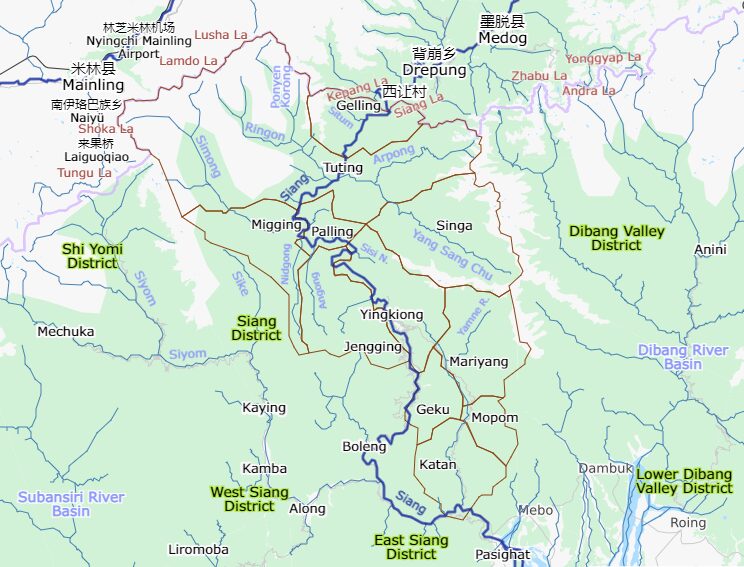
Image Source: Wikimedia
About Tuting and Gelling
Hidden deep in the rugged mountains of Arunachal Pradesh, the remote settlements of Tuting and Gelling feel like places untouched by the rush of modern life. Located in the far northern part of the Upper Siang district, these villages sit close to the Indo-Tibet border, surrounded by dramatic Himalayan landscapes, dense forests, and the mighty Siang River. Reaching them is not easy, but that sense of remoteness is exactly what makes the journey unforgettable.
Tuting and Gelling are more than just scenic villages — they represent one of India’s last true frontier regions, where winding mountain roads eventually disappear into high-altitude wilderness and the borderlands of Tibet. Travelers who make their way here are rewarded with pristine nature, centuries-old Buddhist traditions, and a rare opportunity to experience a slower, deeply rooted mountain lifestyle.
The Untouched Beauty of the Eastern Himalayas
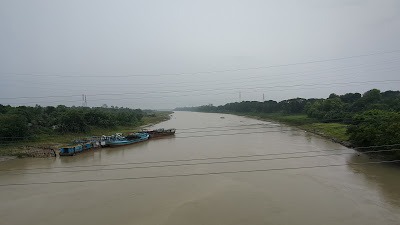
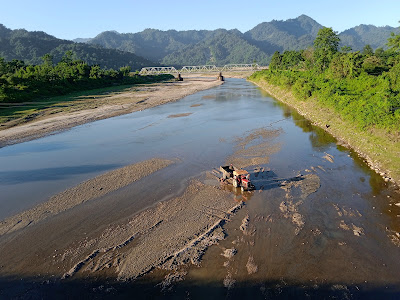
The journey toward Tuting itself is an adventure. As the roads climb higher into the mountains, the scenery changes dramatically. Thick subtropical forests gradually give way to pine-covered slopes, deep gorges, roaring rivers, and mist-covered valleys. The Siang River, which later becomes the Brahmaputra in Assam, cuts powerfully through the region and adds a wild beauty to the landscape.
Unlike popular hill stations crowded with tourists, Tuting and Gelling remain peaceful and largely unexplored. The villages are surrounded by untouched forests filled with rhododendrons, bamboo groves, orchids, and hidden waterfalls. During clear weather, snow-covered Himalayan peaks can be seen stretching toward Tibet, creating breathtaking panoramic views.
The region is also rich in biodiversity. Birdwatchers and nature lovers often spot rare Himalayan birds, colorful butterflies, and unique alpine vegetation along the trekking routes. The silence here feels different — broken only by river currents, mountain winds, prayer bells, and distant chants from monasteries.
Life in Tuting and Gelling
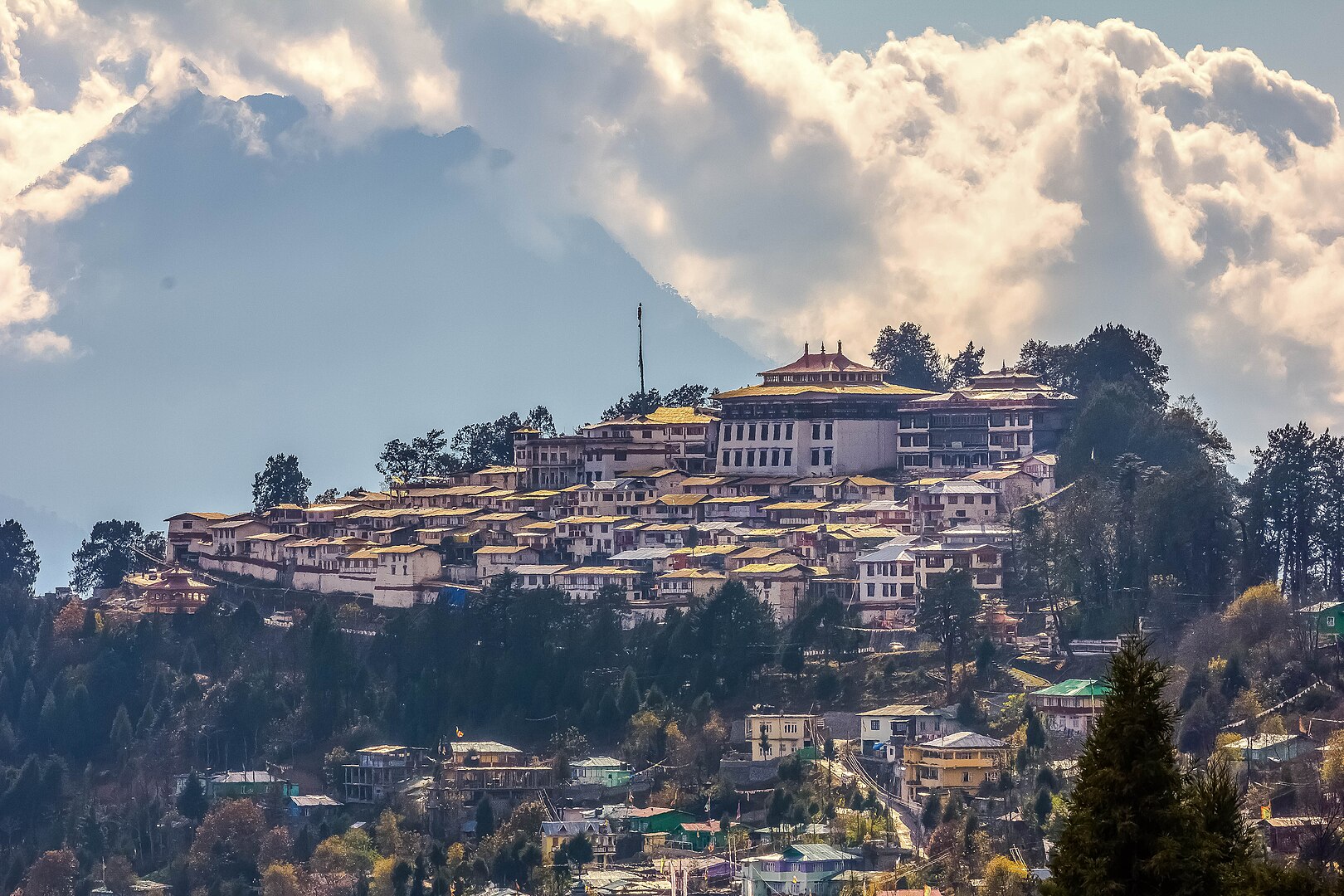
Walking through these villages gives visitors a glimpse into a way of life that has remained largely unchanged for generations. Traditional wooden homes with beautifully carved windows and sloping roofs line the narrow village paths. Prayer flags flutter in the cold mountain breeze, while whitewashed stupas and Buddhist shrines stand quietly against the dramatic Himalayan backdrop.
The local people, primarily from the Memba tribe, live simple yet culturally rich lives closely connected to nature. Many families still practice yak herding, farming, wool weaving, and traditional craftsmanship. Barley, millet, and seasonal vegetables are cultivated on terraced fields carved into the mountainsides.
What stands out most is the warmth and hospitality of the locals. Despite living in such remote conditions, villagers often welcome travelers with tea, homemade food, and stories about the region’s history and traditions. Spending time with the community offers a rare cultural experience that feels genuine and uncommercialized.
Buddhist Heritage and Tibetan Influence
Tibetan Buddhism plays a central role in the spiritual and cultural identity of both Tuting and Gelling. The influence of Tibet is visible everywhere — in the monasteries, clothing, architecture, language, and even local cuisine.
One of the most important spiritual landmarks in the area is the ancient monastery at Gelling. The peaceful gompa, adorned with colorful murals and prayer wheels, remains an active center of worship where monks continue centuries-old traditions of chanting and meditation. The sound of Buddhist prayers echoing through the mountains creates an atmosphere of deep calm and spirituality.
Festivals are an important part of life here, especially Losar, the Tibetan New Year. During the celebrations, villages come alive with masked dances, traditional music, butter lamps, and communal feasts. Residents dress in colorful traditional attire, and the celebrations offer visitors a beautiful insight into the region’s living Buddhist culture.
The proximity to Tibet has also created a fascinating blend of Indian and Tibetan influences that can be seen in everyday life — from butter tea and thukpa to traditional woolen robes and Buddhist symbols painted across homes and monasteries.
Trekking and Adventure Opportunities
For adventure seekers, Tuting and Gelling offer some of the most remote trekking experiences in Northeast India. Trails pass through dense forests, hanging bridges, alpine meadows, and isolated mountain paths that reveal stunning Himalayan scenery at every turn.
Trekkers often encounter hidden waterfalls, ancient forest trails, and breathtaking viewpoints overlooking the Siang Valley. Because the region remains relatively unexplored, many routes still feel raw and authentic compared to commercial trekking destinations elsewhere in the Himalayas.
The area is also ideal for photography, camping, birdwatching, and cultural exploration. However, due to the remoteness and unpredictable weather, travelers are advised to hire local guides and prepare properly before venturing into the higher mountain areas.
Best Time to Visit
The best time to visit Tuting and Gelling is between October and April, when the weather remains relatively clear and pleasant. During these months, travelers can enjoy better mountain views, comfortable trekking conditions, and vibrant local festivals.
Monsoon season, from June to September, brings heavy rainfall to the region and often causes landslides and roadblocks. Winter months can become extremely cold, especially near Gelling, but they also offer crystal-clear Himalayan views and peaceful surroundings.
Inner Line Permit Requirement
Since Tuting and Gelling are located in Arunachal Pradesh near an international border, Indian travelers need an Inner Line Permit (ILP) to visit the region. Foreign nationals require a Protected Area Permit (PAP). Permits can usually be obtained online or through Arunachal Pradesh government offices.
Travelers should also carry valid identification documents and check local travel conditions before planning their trip, as weather and road situations can change quickly in the mountains.
How to Reach Tuting and Gelling
By Air
The nearest airport is Pasighat Airport, which has flight connections from cities like Guwahati and Dibrugarh. From Pasighat, travelers continue by road toward Yingkiong and Tuting.
By Rail
The closest railway station is Murkongselek Railway Station in Assam. From there, taxis and shared vehicles are available for the long road journey into Upper Siang district.
By Road
Road travel is the primary way to reach the region. Shared sumos, local jeeps, and private vehicles operate between Pasighat, Yingkiong, and Tuting. The drive is long but incredibly scenic, passing through hanging bridges, river valleys, and dense forests.
The road from Tuting to Gelling is shorter but rough and challenging in places. Local drivers familiar with mountain conditions are highly recommended, especially during unpredictable weather.
FAQs
Where are Tuting and Gelling located?
Tuting and Gelling are remote villages located in the Upper Siang district of Arunachal Pradesh near the Indo-Tibet border in northeastern India.
Why are Tuting and Gelling famous?
These villages are known for their untouched Himalayan beauty, Tibetan Buddhist culture, remote trekking routes, and unique frontier location near the India-Tibet border.
Which tribe lives in Tuting and Gelling?
The region is primarily inhabited by the Memba tribe, a Buddhist community with strong Tibetan cultural influences.
Is a permit required to visit Tuting and Gelling?
Yes. Indian citizens need an Inner Line Permit (ILP), while foreign nationals require a Protected Area Permit (PAP).
What is the best time to visit Tuting and Gelling?
October to April is considered the best time because of clearer skies, pleasant weather, and better road conditions.
Is the road journey difficult?
Yes, the journey can be long and challenging due to mountainous terrain, rough roads, and occasional landslides, but the scenery along the route is spectacular.
Are there hotels in Tuting and Gelling?
Accommodation options are limited and mostly include small guesthouses, homestays, and basic lodges run by local families.
Can tourists visit the Indo-Tibet border near Gelling?
Some areas near the border may have restrictions due to security reasons. Visitors should follow local regulations and obtain necessary permissions where required.