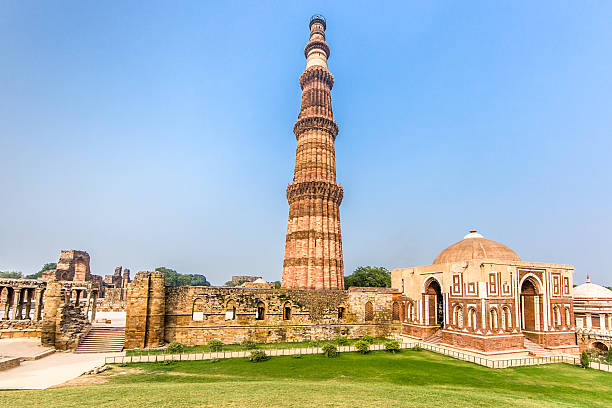
Standing proudly in the historic neighborhood of Mehrauli in South Delhi, the magnificent Qutub Minar is one of India’s most iconic monuments and a designated UNESCO World Heritage Site. Rising high above the surrounding landscape, this remarkable minaret has witnessed more than eight centuries of Delhi’s history and remains one of the most visited landmarks in the capital.
Construction of the tower began in 1192 under the rule of Qutb-ud-din Aibak, the founder of the Delhi Sultanate. He completed only the base level before his death. His successor, Iltutmish, expanded the structure by adding three more storeys. Later, Firoz Shah Tughlaq completed the monument by constructing the fifth and final storey. The result is a masterpiece that reflects the architectural styles and craftsmanship of different periods of medieval India.
Exploring the Qutub Complex
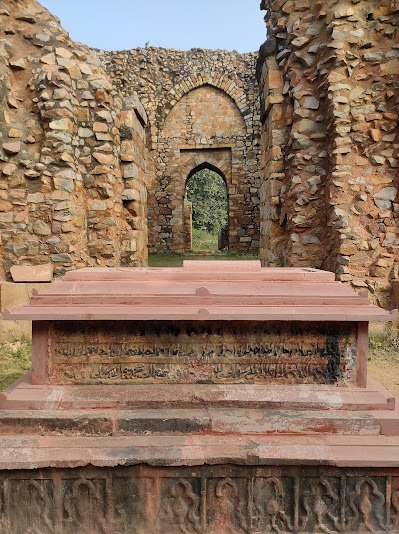
The Qutub Minar is not a standalone monument. It is part of the larger Qutub Complex, an archaeological treasure filled with historic structures, mosques, tombs, gateways, and inscriptions that tell the story of Delhi’s early Sultanate period.
Quwwat-ul-Islam Mosque
One of the most significant structures within the complex is the Quwwat-ul-Islam Mosque, considered the first mosque built in Delhi after the establishment of Muslim rule in northern India. Constructed by Qutb-ud-din Aibak in the late 12th century, the mosque incorporates materials from earlier Hindu and Jain temples. Visitors can still observe intricately carved pillars and architectural fragments that showcase the artistic traditions of those earlier structures. This blend of architectural styles makes the mosque historically and culturally significant.
Alai Darwaza
The beautiful Alai Darwaza serves as the southern gateway to the mosque. Built in 1311 by Alauddin Khilji, it is regarded as one of the finest examples of Indo-Islamic architecture in India. Constructed from red sandstone and white marble, the gateway features elegant geometric patterns, Quranic inscriptions, and finely crafted arches.
Alai Minar
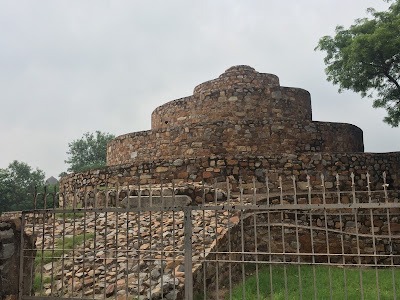
Near the Qutub Minar stands the unfinished Alai Minar. Alauddin Khilji envisioned a tower that would be twice the height of Qutub Minar, symbolizing the greatness of his empire. However, his death in 1316 brought the project to an abrupt halt. Today, only the massive first storey survives, offering visitors a glimpse into one of medieval India’s most ambitious architectural plans.
Tomb of Adham Khan
Located a short distance from the Qutub Complex is the Tomb of Adham Khan, a striking sixteenth-century structure built for Adham Khan, one of Emperor Akbar’s generals. Its distinctive octagonal design and imposing appearance make it an important monument of the Mughal era.
Iron Pillar
Another fascinating attraction within the complex is the Iron Pillar of Delhi. Dating back to the 4th century during the Gupta period, this iron pillar is famous worldwide for its remarkable resistance to rust and corrosion despite standing outdoors for over 1,500 years.
Damage and Restoration Through the Centuries
Over the centuries, Qutub Minar has survived several natural disasters and has undergone numerous repairs.
In 1369, lightning struck the top portion of the minaret, causing significant damage. Firoz Shah Tughlaq restored the tower and added another storey. In 1505, a powerful earthquake damaged parts of the structure, which were later repaired by Sultan Sikandar Lodi.
The monument suffered further damage during another earthquake in the nineteenth century. British engineer Major Robert Smith supervised restoration work and added a cupola at the summit. However, the design was considered inconsistent with the original architecture. Under the orders of Governor-General Henry Hardinge, the cupola was removed and placed on the grounds of the complex, where visitors can still see it today.
Architecture of Qutub Minar
The architectural beauty of Qutub Minar lies in its intricate detailing and harmonious proportions. The tower reaches a height of approximately 72.5 meters (238 feet), making it one of the tallest brick minarets in the world.
The base has a diameter of about 14.3 meters, gradually narrowing to just 2.7 meters at the top. Inside the tower are 379 spiral steps that once allowed visitors to climb to the upper levels, though access is now restricted for safety reasons.
Each storey is marked by a projecting balcony supported by elaborately carved brackets. The first three levels are primarily built from red sandstone, while the fourth and fifth storeys incorporate marble and lighter-colored sandstone. Throughout the tower, visitors can admire beautifully engraved Quranic verses, decorative motifs, and Arabic inscriptions that highlight the artistic excellence of medieval craftsmen.
The monument is considered one of the finest surviving examples of Indo-Islamic architecture, blending local construction traditions with Islamic design elements introduced during the Delhi Sultanate period.
Local Experience Around Qutub Minar
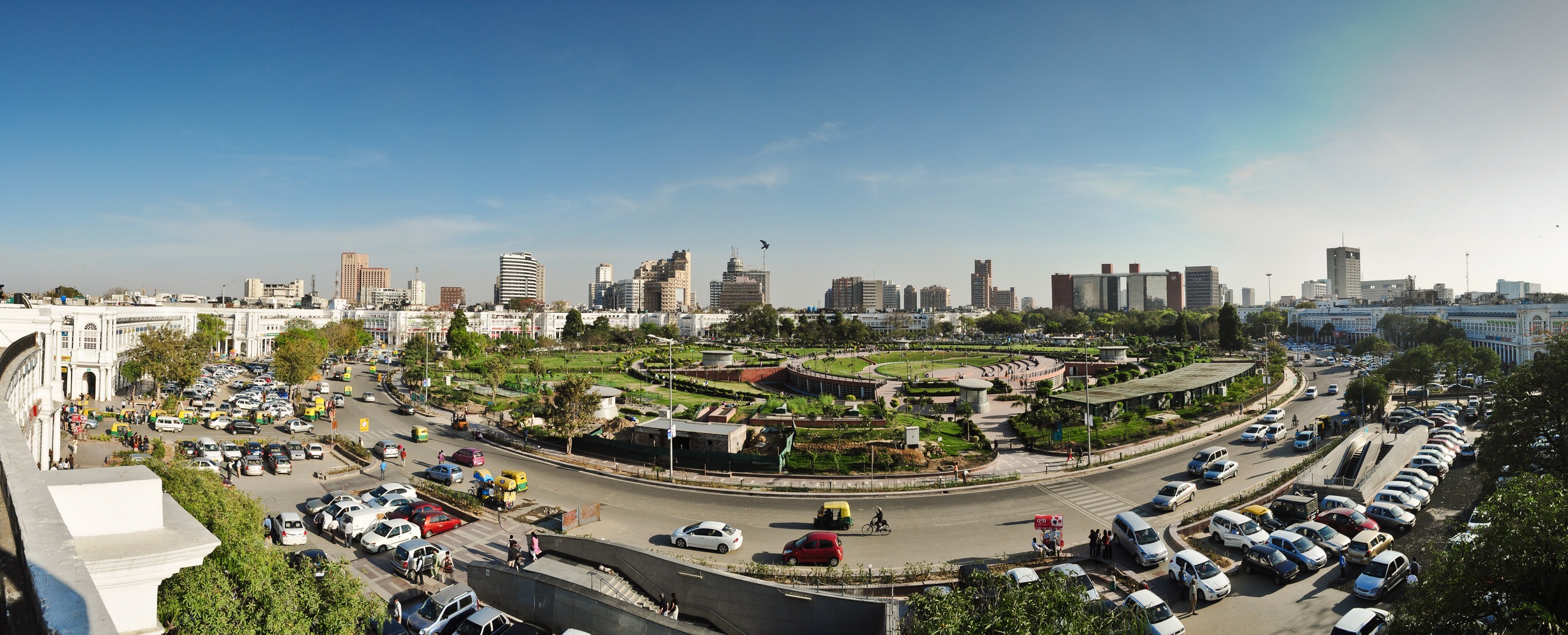
The Mehrauli area surrounding Qutub Minar is one of Delhi’s oldest inhabited regions. A visit here can easily be combined with exploring the nearby Mehrauli Archaeological Park, which contains centuries-old tombs, stepwells, mosques, and ruins hidden among landscaped pathways.
The monument is particularly beautiful during the winter months from October to March, when Delhi’s weather is pleasant for walking and sightseeing. Early mornings and late afternoons are ideal for photography, as the golden sunlight enhances the colors of the sandstone structure.
Several cafes and restaurants have also emerged around Mehrauli, making the area a popular destination for both history enthusiasts and food lovers.
Nearby Attractions
Mehrauli Archaeological Park
Mehrauli Archaeological Park
Spread across more than 200 acres, this heritage park contains over 100 historical structures dating from different periods of Delhi’s history.
Jamali Kamali Mosque and Tomb
Jamali Kamali Mosque and Tomb
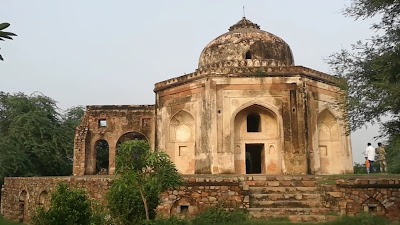
A beautifully preserved sixteenth-century monument known for its intricate decorations and historical significance.
Garden of Five Senses
Garden of Five Senses
A landscaped park featuring sculptures, themed gardens, cultural events, and walking trails.
Chhatarpur Temple
Chhatarpur Temple
One of the largest temple complexes in India, dedicated to Goddess Katyayani.
Hauz Khas Complex
Hauz Khas Complex
A blend of medieval monuments, lakeside views, cafes, and cultural spaces.
How to Reach Qutub Minar
By Metro
The easiest way to reach Qutub Minar is via the Delhi Metro. The nearest station is Qutub Minar Metro Station on the Yellow Line. From there, the monument is just a short auto-rickshaw or cab ride away.
By Road
Qutub Minar is well connected to all parts of Delhi through major roads. Taxis, app-based cabs, auto-rickshaws, and buses are readily available.
By Air
The monument is approximately 13 kilometers from Delhi’s international airport, making it easily accessible for travelers arriving by air.
Maps
FAQs
1. Why is Qutub Minar famous?
Qutub Minar is famous for being the tallest brick minaret in the world and one of the finest examples of Indo-Islamic architecture in India.
2. Who built Qutub Minar?
Construction was started by Qutb-ud-din Aibak in 1192, expanded by Iltutmish, and completed by Firoz Shah Tughlaq.
3. Can visitors climb Qutub Minar?
No. Public access to the staircase has been closed for safety reasons.
4. How much time is needed to explore the Qutub Complex?
Most visitors spend between 2 and 3 hours exploring the complex and nearby monuments.
5. What is the best time to visit Qutub Minar?
The best time to visit is from October to March when Delhi experiences cooler and more comfortable weather.
6. What is the significance of the Iron Pillar?
The Iron Pillar is renowned for its extraordinary resistance to corrosion and is considered a remarkable achievement of ancient Indian metallurgy.
7. Is photography allowed inside the complex?
Yes, photography is generally permitted, making Qutub Minar one of Delhi’s favorite destinations for photographers and history enthusiasts.