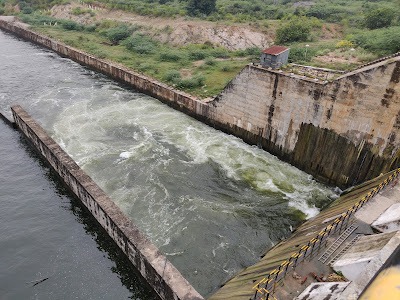
Image Source: Shrikanth Bharadwaj
Hemavathi dam
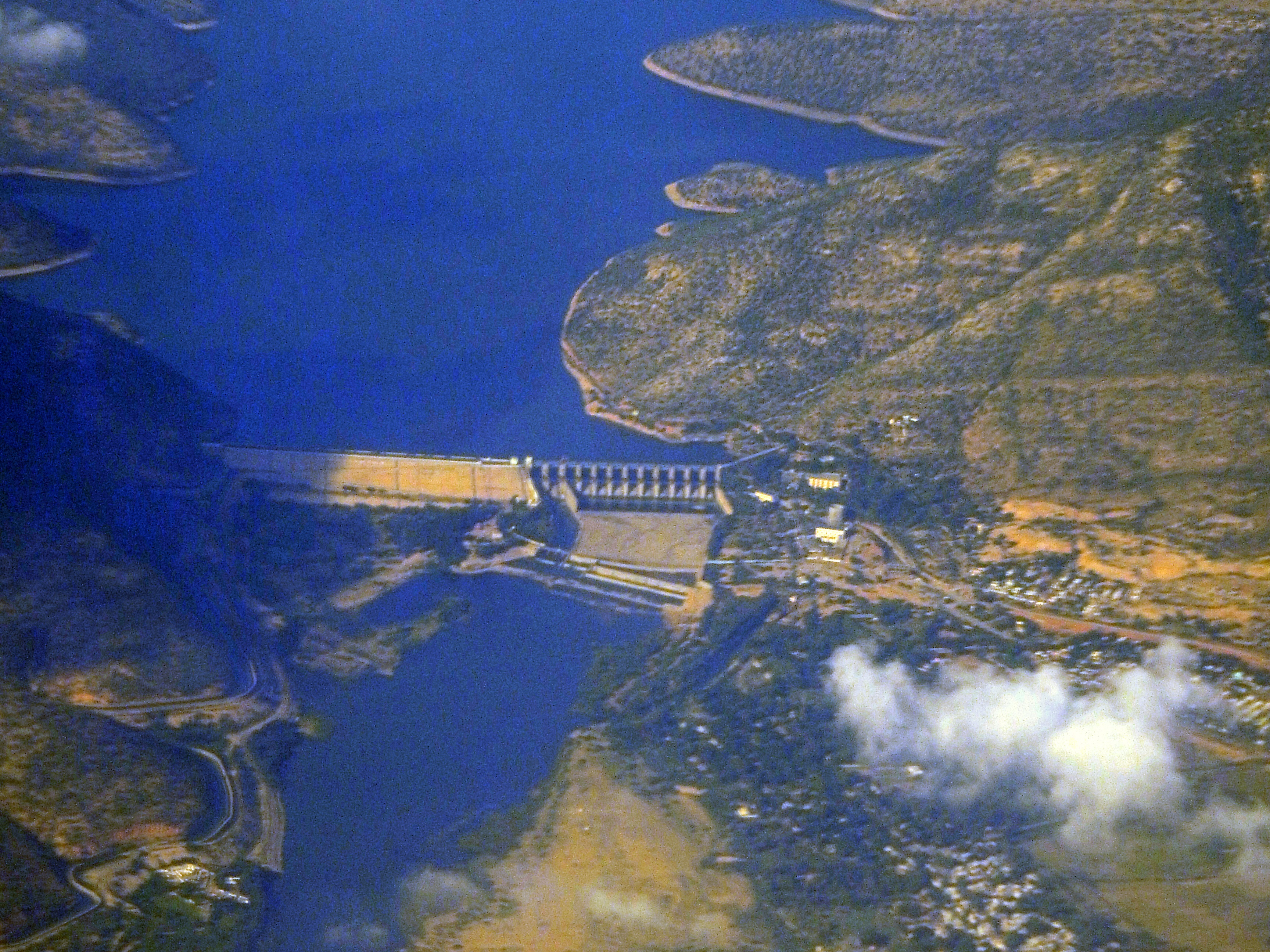
The Hemavathi Dam, also known as the Hemavathi Reservoir, has become a famous tourist spot, besides being an important source of water for irrigation, drinking, and power generation in the region. It is constructed across the Hemavathi River, which is a tributary of the Cauvery River and located near Gorrur in the Hassan district of Karnataka, India.
Hemavathi River
The Hemavathy River originates at Chikmagalur and then flows through many districts, including Hassan, and then finally merges with the Kaveri River in Mandya. The dam is built across the river Hemavathi in the district of Hassan with an estimated cost of 3400 cr. Water release from the dam is provided to the neighbouring district, including Tumkur. The excess water is diverted to the Kirshnasagar dam through canals.
History and Use of the Dam
One of the major infrastructure projects in the region, the construction of the dam was started in 1979. One of the largest dams in Karnataka, it has a length of 4,692 meters and a height of 58 meters.
Primarily it was constructed to irrigate the fertile lands in the Hassan, Mandya, and Mysore districts. Several towns and villages in the region receive water supplies from the dam. Dams help in managing and mitigating floods in the downstream areas. It is also used for generating electricity, contributing to the energy needs of the state.
Hemavathi Reservoir
Hemavathi Reservoir, also known as the Gorur Dam, has a storage capacity of 37.1 TMC (Thousand Million Cubic Feet). The backwaters of the dam spread over a vast area, creating a picturesque landscape.
Best time to visit
The best time to visit is during the monsoon when the river flows at its full vigour. During this time, the dam reservoir capacity becomes full and the gates of the dam are opened, which is a major tourist attraction.
Things to Remember
People usually are not allowed to walk on the dam. From the entrance, take a walk of 500 m, which takes around 15-20 minutes; you will reach the viewpoint, which is at the base of the reservoir. During the monsoon, when the dam gates are open, it’s an incredible sight to behold.
The nearest city to the dam is Holenarsipura, which is located at a distance of 23 km.
Nearby Attractions
Bisle Ghat: A scenic viewpoint offering breathtaking views of the Western Ghats.
Shettihalli Rosary Church: A submerged church near the reservoir, visible partially during certain seasons, adding a mystical charm to the area.
Hassan City: Known for its rich cultural heritage and proximity to other attractions like Belur and Halebidu.
How to Reach Hemavati Dam
By Air
The nearest airport is Kempegowda International Airport, located approximately 210 km from the dam. From Bengaluru, visitors can hire a taxi or take a bus to Hassan and then proceed to Gorur.
By Train
The nearest railway station is Hassan Railway Station, which is well connected to Bengaluru, Mysuru, Mangaluru, Shivamogga, and other major cities. From Hassan, the dam is about 25–30 km away and can be reached by taxi or local bus.
By Road
Hemavati Dam is situated near Gorur village in Hassan district.
- Hassan to Hemavati Dam: approximately 25–30 km
- Bengaluru to Hemavati Dam: approximately 190–210 km
- Mysuru to Hemavati Dam: approximately 125 km
Regular KSRTC buses operate between Hassan and Gorur, while private taxis are readily available.
Maps and Location of Hemavati Dam
The dam is surrounded by lush green landscapes and situated near Gorur village, which is approximately 13 km from Hassan, Karnataka.
FAQs
1. Where is Hemavati Dam located?
Hemavati Dam is located at Gorur village near Hassan in Karnataka and is built across the Hemavati River.
2. Why is Hemavati Dam famous?
The dam is famous for its vast reservoir, scenic surroundings, irrigation importance, birdwatching opportunities, and spectacular monsoon views.
3. Is Hemavati Dam the same as Gorur Dam?
Yes. Hemavati Dam and Gorur Dam are two names for the same reservoir project located at Gorur village.
4. What is the best time to visit Hemavati Dam?
October to March offers pleasant weather, while the monsoon season provides dramatic views when water is released from the spillway gates.
5. Can families visit Hemavati Dam?
Yes. The dam is a popular picnic destination with gardens, scenic viewpoints, and open spaces suitable for families and groups.
6. How much time is needed to explore Hemavati Dam?
Most visitors spend one to three hours enjoying the reservoir views, gardens, photography, and nearby attractions.
7. Is photography allowed at the dam?
Photography is generally permitted in visitor areas and is particularly popular during sunrise, sunset, and the monsoon season.
8. What are the major attractions near Hemavati Dam?
Popular nearby attractions include Shettihalli Rosary Church, Belur Chennakeshava Temple, Halebidu, Shravanabelagola, and Bisle Ghat.
9. Are boating facilities available at Hemavati Dam?
Boating availability may vary depending on local regulations and reservoir conditions. Visitors should check locally before planning water-based activities.
10. Is Hemavati Dam suitable for birdwatching?
Yes. The reservoir attracts several species of water birds, especially during winter and early mornings, making it a good spot for birdwatchers.