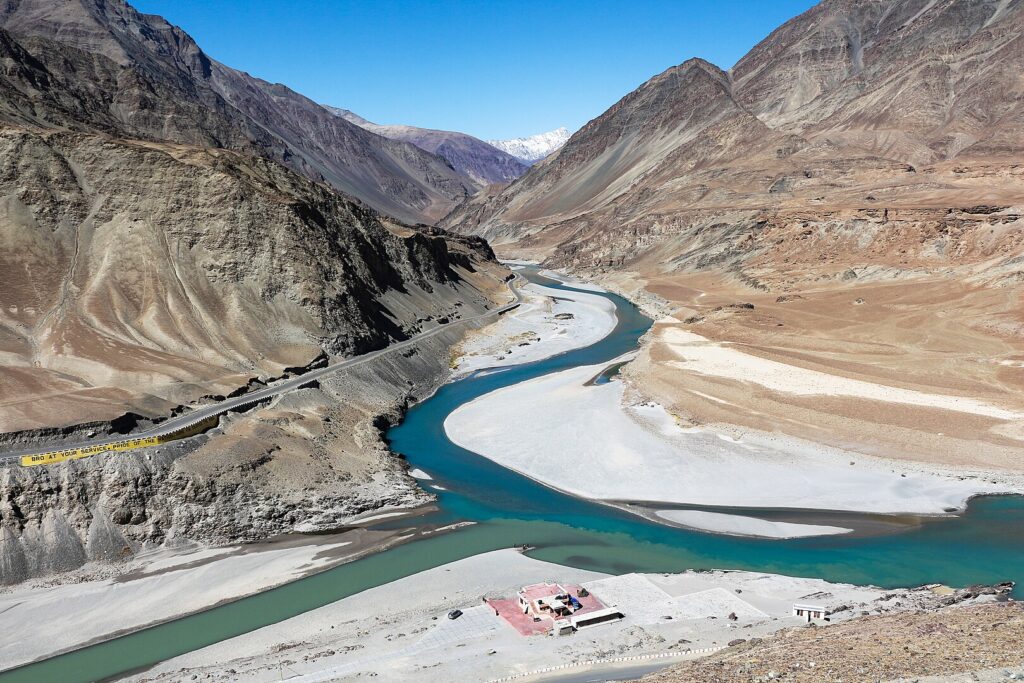
Image Source: Bernard Gagnon
The Origin of the Word “Himalayas”
The word “Himalayas” refers not only to the world’s highest mountain range but also to a concept deeply embedded in the linguistic, mythological, and cultural history of the Indian subcontinent. The term has ancient roots in Sanskrit, where it was used long before modern geography defined the mountain system scientifically. Over centuries, the word evolved in form and usage, eventually entering global languages while retaining its original semantic essence.
Sanskrit Roots of the Word Himalayas
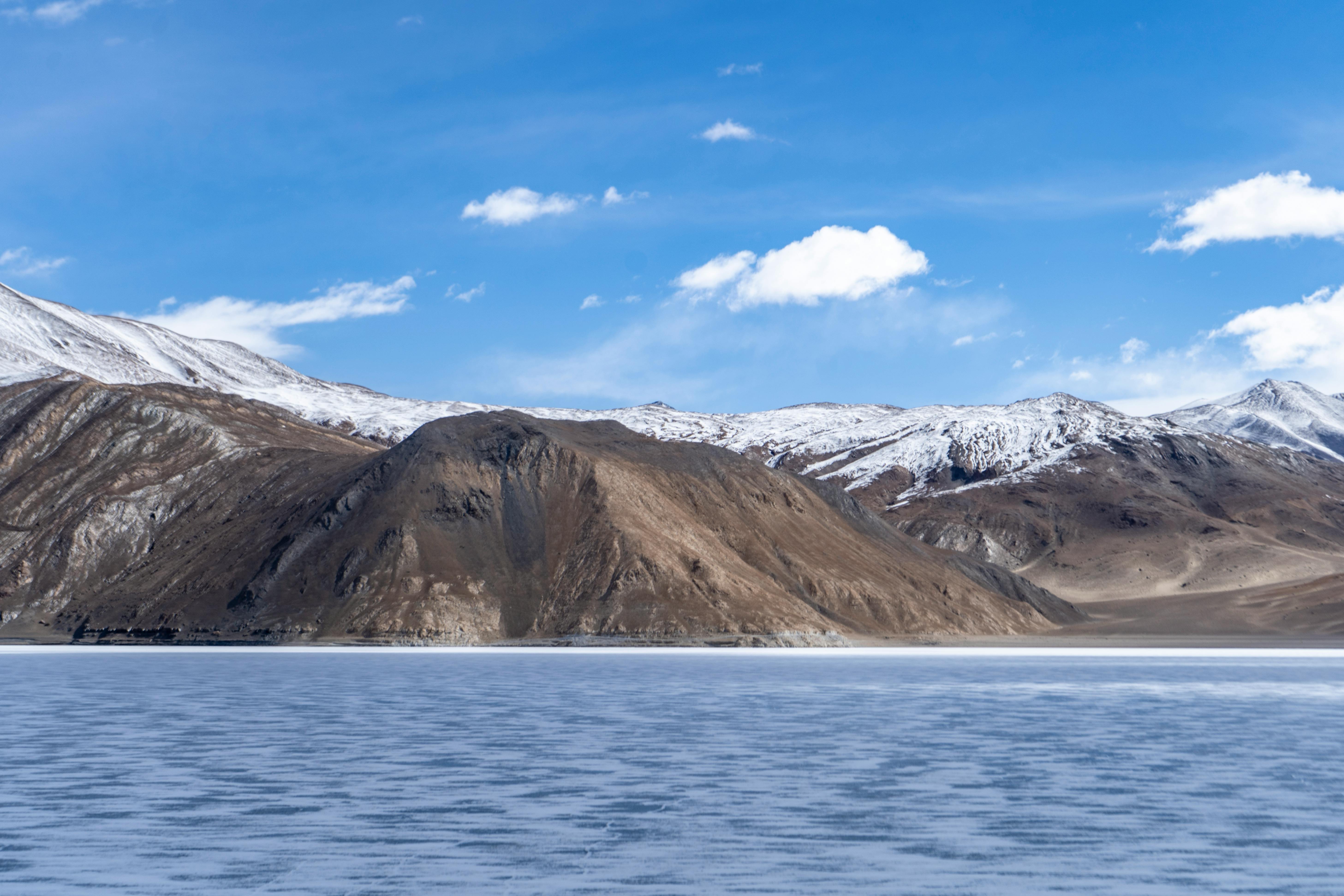
The word “Himalaya” is derived from two Sanskrit components: “Hima,” meaning snow, and “Ālaya,” meaning abode or dwelling. When combined, Himālaya literally translates to “the Abode of Snow.” This etymology is both poetic and precise, as the mountain range is perpetually snow-clad at higher elevations. The pluralized form “Himalayas” is a later linguistic adaptation used in English and other Western languages to refer to the entire mountain system rather than a singular sacred entity.
In classical Sanskrit usage, Himālaya is often treated as a proper noun, representing a singular, living presence rather than a collection of peaks. Ancient Indian texts frequently refer to the Himalaya in the singular form, emphasizing its unity and sacredness.
Early Literary References in Ancient Texts
The word “Himālaya” appears in some of the oldest surviving Sanskrit literature. In the Vedas, the Himalaya is described as a mighty northern boundary and a source of sacred rivers. Later, in Puranic literature, the Himalaya is personified as King Himavan, the father of Ganga and Parvati. Texts such as the Mahabharata, Ramayana, and Kalidasa’s Kumarasambhava repeatedly use the term “Himalaya” to signify not only geography but also divine authority and spiritual purity.
Kalidasa’s poetic descriptions firmly establish the Himalaya as a cosmic axis, where earth meets the heavens. These literary usages helped solidify the word “Himalaya” as a central symbol in Indian civilization long before cartographic science existed.
Mythological Interpretation of the Himalaya
In Hindu mythology, the Himalaya is not merely a mountain range but a sentient being. The name “Himalaya” is closely associated with Himavat or Himavan, the mountain king. According to legend, Himavan performed severe penance, earning divine recognition and becoming the guardian of the northern direction. The marriage of his daughter Parvati to Lord Shiva, who resides on Mount Kailasa, further elevated the spiritual status of the Himalaya.
In this mythological framework, the word “Himalaya” signifies a sacred abode, a place of tapasya, wisdom, and transcendence. This spiritual dimension deeply influenced how the term was preserved and respected across generations.
Transition from Ancient Usage to Geographical Term
As geographical knowledge expanded through trade, pilgrimage, and later colonial exploration, the ancient term Himālaya gradually became standardized as a geographical label. Persian and Tibetan traditions adopted variations of the word, while Chinese records referred to the range as the “Snow Mountains.” When European explorers encountered the range, they adopted the anglicized plural form “Himalayas,” aligning it with Western naming conventions for mountain systems.
Despite this transformation, the core meaning of the word—abode of snow—remained unchanged, demonstrating the linguistic resilience of the original Sanskrit term.
Linguistic Evolution in Modern Languages
In modern Indian languages such as Hindi, Nepali, Sanskritized Bengali, and Punjabi, the term Himalaya continues to be used in its original or near-original form. In English and other European languages, “Himalayas” became the standard usage, reflecting a collective understanding of the mountain range as a vast system rather than a singular sacred entity.
Interestingly, many scholars argue that referring to the range as “the Himalaya” rather than “the Himalayas” is linguistically closer to the original Sanskrit conception.
Cultural and Symbolic Meaning of the Word Himalayas
Beyond its literal meaning, the word “Himalayas” symbolizes purity, permanence, asceticism, and spiritual elevation. It represents a natural boundary protecting the Indian subcontinent and a spiritual refuge for sages and seekers. The term continues to evoke reverence in Indian philosophy, where the Himalaya is seen as the seat of dharma, yoga, and enlightenment.
From ancient hymns to modern literature, the word “Himalayas” carries layers of meaning that transcend geography, making it one of the most enduring place-names in human history.
Conclusion: The Enduring Legacy of the Word Himalayas
The word “Himalayas” came into existence through a profound fusion of language, nature, and belief. Originating from Sanskrit as Himālaya—the Abode of Snow, it evolved across millennia without losing its essential meaning. Whether viewed through linguistic analysis, mythological narrative, or historical geography, the Himalayas stand as a testament to how a word can encapsulate both the physical grandeur of the earth and the spiritual aspirations of civilization.