Image Soource: Kaushik Manghani
About Sangam
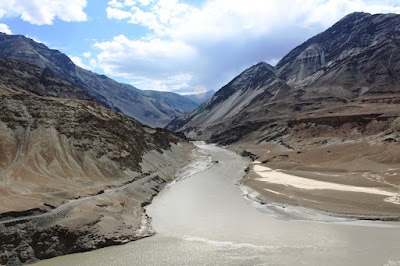
The Sangam near Nimmu in Ladakh is one of the most fascinating natural confluences in the Himalayas, where the mighty Zanskar River merges with the Indus River. Surrounded by barren mountains, dramatic cliffs, and wide river valleys, this meeting point is not only visually stunning but also deeply connected to the region’s history, spirituality, and geography. Travelers visiting Ladakh are often captivated by the striking contrast between the two rivers, especially during winter when the landscape transforms into a frozen wonderland.
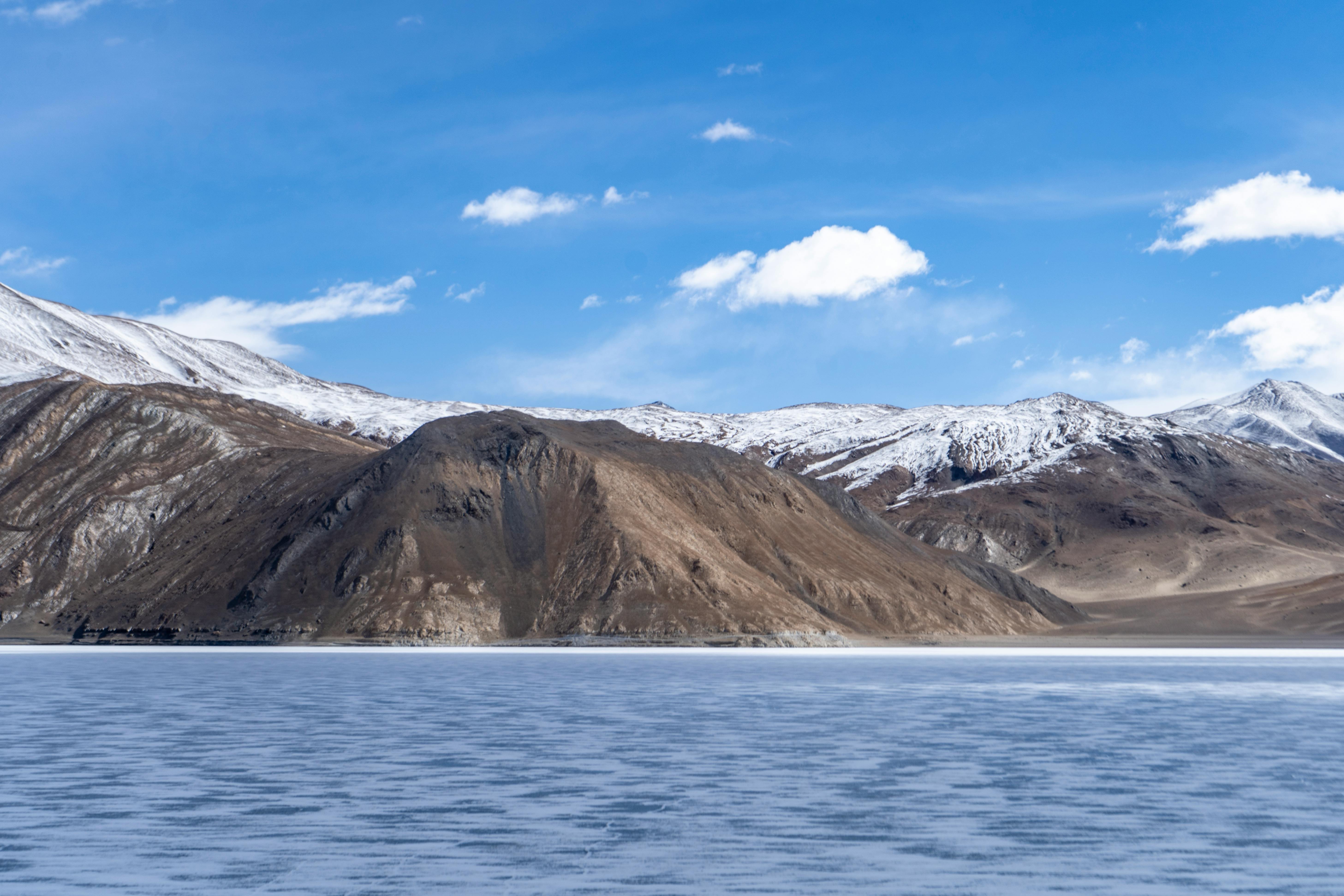
One of the most remarkable sights at Sangam appears during the winter season. At this time, the Zanskar River freezes almost completely, forming the famous route of the Chadar Trek, while the Indus River continues to flow partially because of its larger water volume and its origin in the Tibetan Plateau. This creates an extraordinary visual contrast at the confluence. One side appears white and icy, while the other remains a deep blue, producing a breathtaking natural scene that feels almost unreal.
The distinct colors of the rivers are shaped by the different geological regions they pass through. The Zanskar River originates in the Tethys Himalayas, carrying fine silt and mineral-rich sediments that often give it a muddy or brownish appearance. In contrast, the Indus River flows through the rugged Trans-Himalayan terrain, bringing heavier rocky sediments and clearer turquoise water. When these rivers meet at Sangam, the visible separation of colors creates a dramatic effect that changes with the seasons. During summer, glacier melt intensifies the shades, while in winter the frozen sections create an even sharper contrast.
Spiritual Significance of Sangam
For local communities and Buddhist monks, Sangam is much more than a scenic attraction. Many monks from nearby monasteries such as Spituk Monastery and Phyang Monastery believe that the confluence possesses a powerful spiritual energy. The meeting of the two rivers is considered symbolic of balance and harmony, making the area an important meditation site.
Some monks meditate on the surrounding cliffs, believing the location helps bring mental clarity and inner peace. During important Buddhist ceremonies, including traditional Cham dance festivals, sacred water from the Sangam is collected in silver vessels and carried to monasteries. Locals believe that the merged waters contain blessings from both rivers and are especially auspicious for spiritual rituals performed in high-altitude monasteries.
Historical Importance and Ancient Trade Routes
Historically, the Sangam region also served a strategic purpose. During the era of the Ladakhi kingdom, the elevated cliffs around the confluence acted as lookout points for monitoring trade caravans and detecting possible invasions coming from Baltistan. The Indus Valley was an important trade corridor linking Ladakh with Tibet and Central Asia, and the Sangam area played a role in safeguarding these routes.
Even today, remnants of ancient watch shelters carved into rocky outcrops can still be found in the region, although they remain largely unnoticed by regular tourists. Researchers and local historians have also identified ancient inscriptions near the riverbanks. Some of these markings, believed to date back to the Kushan era and early Tibetan periods, may be over 2,000 years old. These inscriptions provide a glimpse into the cultural exchanges and movement of people along the ancient Himalayan trade networks.
A Paradise for Birdwatchers
Sangam is also ecologically important because it lies along two major migratory bird routes — one coming from Central Asia and the other from Tibet. This makes the region an excellent location for spotting rare Himalayan bird species, particularly during autumn and spring migrations.
Birdwatchers visiting the area may encounter species such as the Bar-headed Goose, famous for flying across the Himalayas at extremely high altitudes, and the elusive Ibisbill, known for inhabiting rocky riverbanks. The mix of cold desert terrain, flowing water, and seasonal wetlands creates an ideal habitat for many migratory birds.
Ever-Changing Landscape
Another fascinating feature of Sangam is its constantly shifting landscape. During the monsoon and glacier-melt season, the rivers carry large amounts of sediment downstream. As water levels rise and fall, sandbars and small river islands change shape every year. This natural process, known as fluvial island formation, continuously reshapes parts of the confluence and subtly alters the geography of the region.
These temporary islands and sediment patterns add to the raw beauty of Sangam, making every visit slightly different from the last. The changing river channels, combined with the stark mountains and dramatic skies of Ladakh, create a landscape that feels alive and constantly evolving.
Best Time to Visit Sangam
The best time to visit Sangam depends on the experience travelers are looking for. Summer, from May to September, offers pleasant weather, clear roads, and vibrant river colors. This is also the ideal time for river rafting activities on the Zanskar and Indus rivers.
Winter, from December to February, provides an entirely different experience. The partially frozen Zanskar River, snow-covered mountains, and icy terrain create a magical atmosphere. Adventure enthusiasts visiting for the Chadar Trek often stop at Sangam to witness the dramatic frozen confluence.
How to Reach Sangam
Sangam is located near the village of Nimmu, approximately 35 kilometers from Leh on the Leh–Srinagar Highway. The drive to the confluence is scenic, passing through rugged mountains, military settlements, and traditional Ladakhi villages. Taxis and rented bikes are commonly used by travelers exploring the area.
The route is often included in day trips covering attractions like Magnetic Hill, Gurudwara Pathar Sahib, and nearby monasteries.
Nearby Attractions
Sangam, the famous confluence of the Indus and Zanskar rivers near Nimmu village, is one of the most visited attractions around Leh. Located about 35 km from Leh, it is often included in the popular Sham Valley sightseeing circuit.
- Magnetic Hill – A unique spot where vehicles appear to move uphill against gravity, making it one of Ladakh’s most intriguing natural phenomena.
- Gurudwara Pathar Sahib – A revered Sikh shrine maintained by the Indian Army, associated with the travels of Guru Nanak Dev Ji.
- Alchi Monastery – One of Ladakh’s oldest monasteries, renowned for its ancient murals, Buddhist artwork, and Indo-Tibetan architecture.
- Basgo Monastery and Fort – Historic ruins offering panoramic views of the surrounding valley and insight into Ladakh’s royal past.
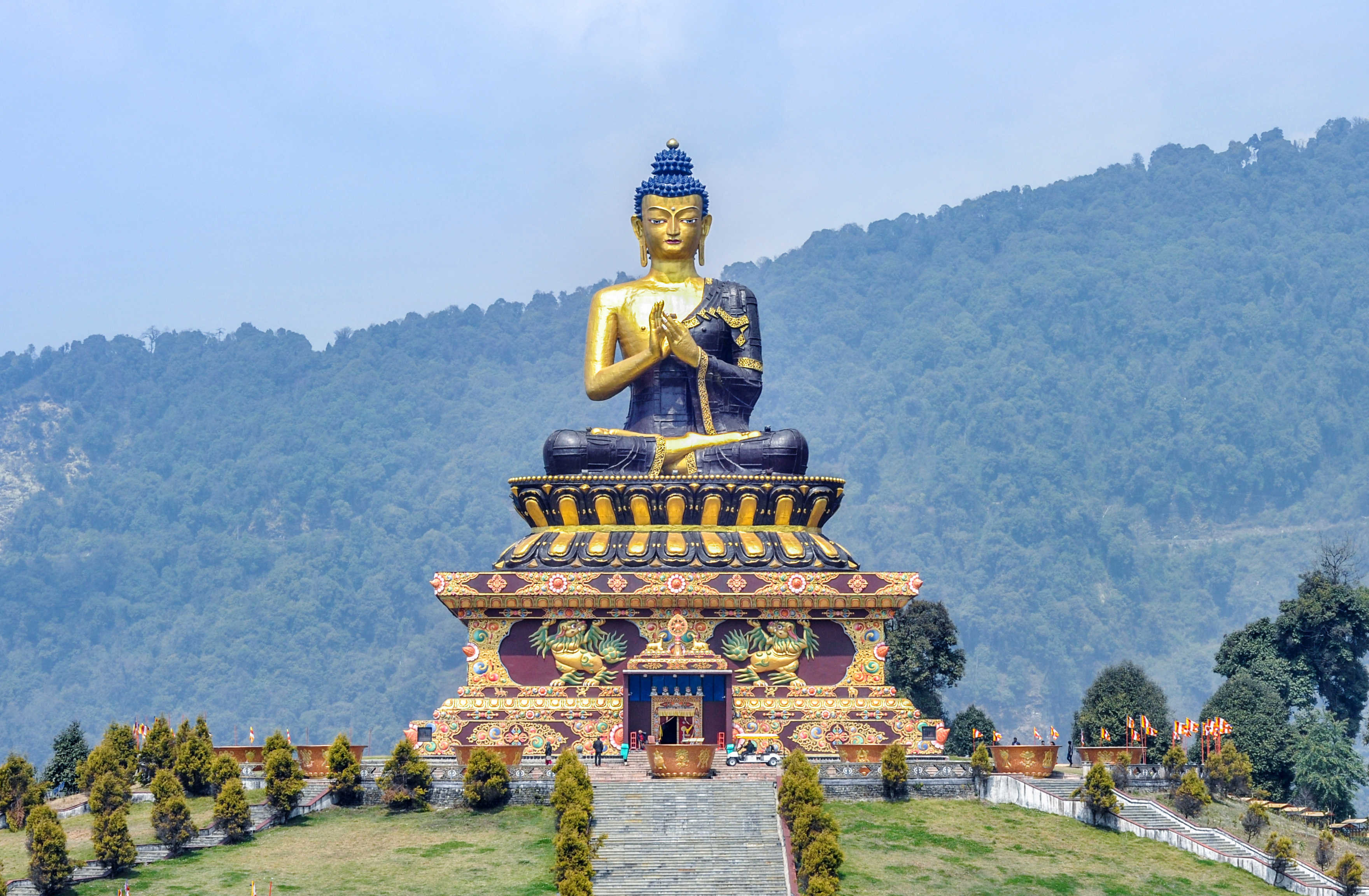
- Likir Monastery – Famous for its giant gilded Buddha statue and peaceful hilltop setting.
- Hall of Fame Museum – A museum dedicated to the Indian Army and the history, culture, and geography of Ladakh.
- Leh Palace – A 17th-century royal palace offering spectacular views of Leh town and the surrounding mountains.
- Shanti Stupa – A white-domed Buddhist monument known for its serene atmosphere and breathtaking sunrise and sunset views.
- Nimmu Village – A charming Ladakhi village near Sangam, ideal for experiencing local culture and traditional architecture.
- Zanskar River Rafting Point – One of the most popular white-water rafting destinations in Ladakh, offering thrilling river adventures during the summer season.
Google Maps
FAQs
1. What is special about Sangam in Ladakh?
Sangam is famous for the confluence of the Zanskar and Indus rivers, where visitors can clearly see the contrasting colors of the two rivers merging together amid the dramatic Himalayan landscape.
2. Why do the Zanskar and Indus rivers have different colors?
The rivers flow through different geological regions. The Zanskar carries fine silt and mineral sediments from the Tethys Himalayas, while the Indus flows through rocky Trans-Himalayan terrain, giving it a clearer turquoise appearance.
3. Can Sangam be visited during winter?
Yes, Sangam can be visited in winter. In fact, it becomes even more beautiful when parts of the Zanskar River freeze, creating a striking contrast with the flowing Indus River.
4. Is Sangam connected to the Chadar Trek?
Yes, the frozen Zanskar River near Sangam forms part of the famous Chadar Trek route during peak winter.
5. Are there any spiritual beliefs associated with Sangam?
Local Buddhist monks consider Sangam a spiritually powerful place. Water from the confluence is often used in monastery rituals and religious ceremonies.
6. Which birds can be spotted near Sangam?
Birdwatchers may spot rare species like the Bar-headed Goose, Ibisbill, and other migratory birds during spring and autumn.
7. How far is Sangam from Leh?
Sangam is located around 35 kilometers from Leh and can easily be reached by road in about an hour.
8. Is river rafting available at Sangam?
Yes, river rafting on the Zanskar and Indus rivers is a popular adventure activity during the summer months.