Image Source: Manoj Shelk
About Basholi Fort
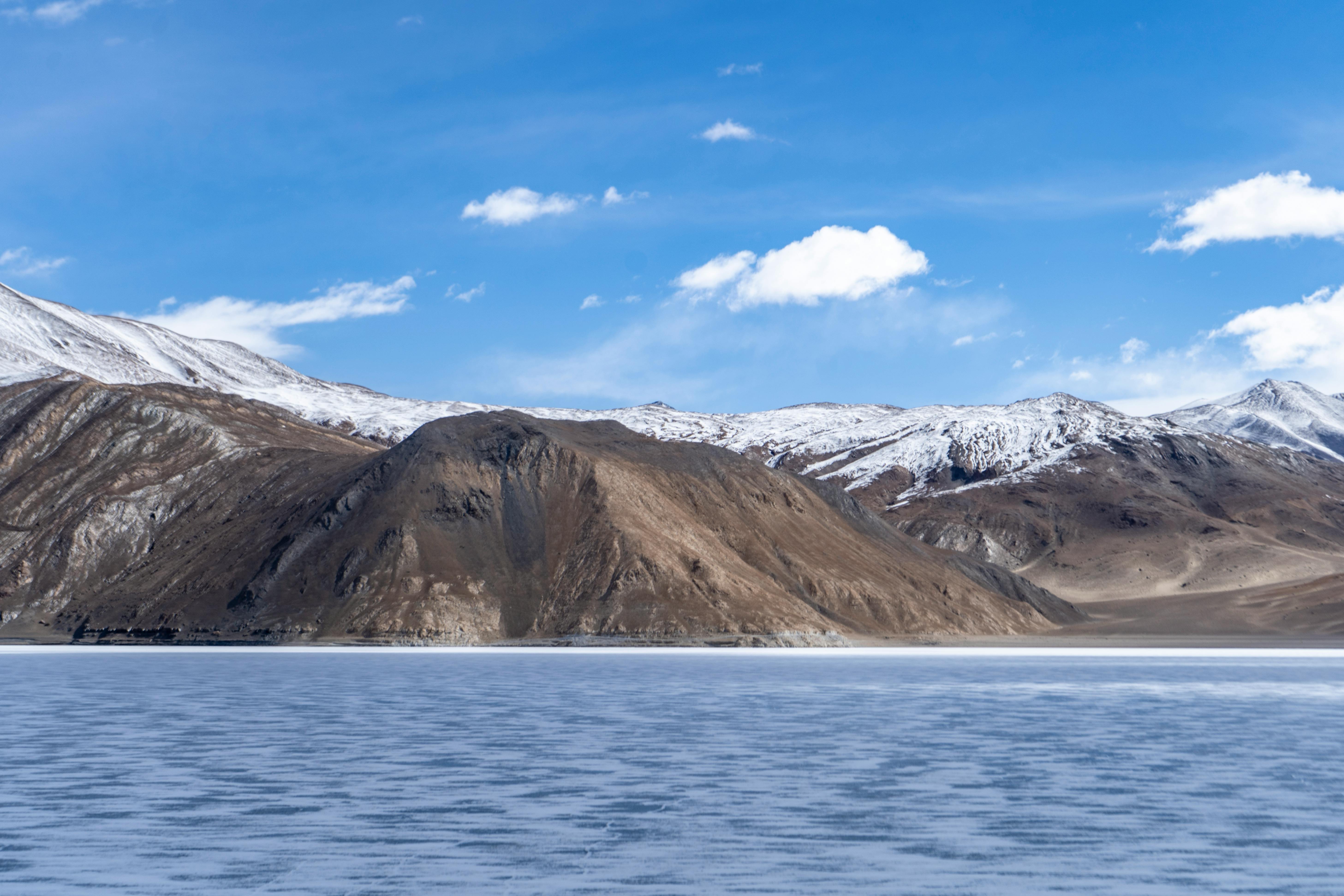
Tucked away in the quiet town of Basholi, Basholi Fort sits gracefully near the banks of the Ravi River. Perched at an elevation of about 1,870 feet (570 meters), the fort enjoys a naturally scenic setting—rolling green hills, clusters of pine forests, and the gentle flow of the river nearby make it feel both peaceful and timeless.
History
Basholi Fort is closely tied to the rise of the Basholi principality, which flourished under the Dogra rulers during the 17th and 18th centuries. The town itself was founded by Raja Bhupat Pal around the mid-1600s and soon grew into a vibrant center of administration, culture, and art.
The fort was primarily built as a defensive structure, designed to protect the kingdom from invasions—especially from nearby hill states and occasional Mughal threats. Under rulers like Raja Kirpal Pal and Raja Amrit Pal, Basholi reached new heights, particularly in art. This period also saw the flourishing of the famous Basholi School of Miniature Painting, known for its bold colors and expressive style.
As political dynamics shifted and British influence spread across the region, the fort gradually lost its strategic importance. Over time, it fell into disuse. Today, its ruins stand as quiet reminders of a once-thriving royal legacy.
Architecture
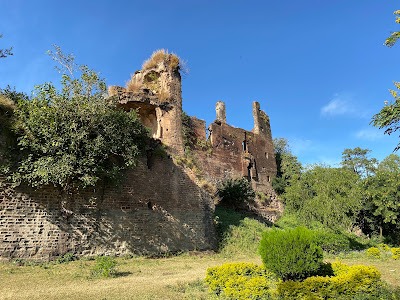
Basholi Fort reflects classic hill architecture, blending elements of Rajput and Mughal design. Its hilltop location wasn’t just for beauty—it offered a clear strategic advantage, allowing guards to keep watch over the surrounding valleys and the Ravi River.
The structure was built using locally available stone and lime, giving it both strength and durability. Thick stone walls, bastions, and a fortified main gate once made it a strong defensive outpost. Inside, the fort had courtyards and chambers that likely served as administrative spaces and royal living quarters.
Although much of the fort now lies in ruins, you can still spot remnants of arches, walls, and stonework. Walking through these remains, it’s easy to imagine the stories they hold—of battles, royal life, and artistic brilliance.
How to Reach Basholi Fort
By Road
Basholi is well connected by road:
- From Kathua: Around 70 km (about 2 hours).
- From Jammu: About 160 km (4–5 hours).
- From Pathankot: Around 85 km (2.5 hours).
Regular buses and taxis are available from Kathua and Pathankot, though hiring a private cab is often the most convenient option.
By Train
- Nearest stations: Kathua Railway Station (70 km) and Pathankot Junction (85 km)
By Air
- Nearest airport: Jammu Airport (about 160 km away).
- Pathankot also has a small airstrip, but with limited flight options.
Where to Stay
Basholi is still relatively off the tourist map, so accommodation options are simple:
- Basic guesthouses and budget lodges in Basholi town.
- Better hotel choices in Kathua or Pathankot, ideal if you prefer a more comfortable stay and plan a day trip.
Best Time to Visit
- October to March: Pleasant weather with clear skies—ideal for sightseeing
- April to June: Warm but manageable; great if you’re combining your visit with nearby attractions like Ranjit Sagar Dam
- July to September (Monsoon): Lush and green, but landslides can sometimes affect travel plans
Nearby Attractions to Basohli Fort
Perched above the banks of the Ravi River in the historic town of Basohli, Basohli Fort is a reminder of the region’s rich Dogra heritage and royal past. Once the seat of the rulers of the Basohli Kingdom, the fort overlooks a landscape of hills, river valleys, and historic settlements. While parts of the original structure have weathered the passage of time, the fort remains an important landmark for visitors interested in history, architecture, and the cultural legacy of the Jammu region.
A visit to Basohli Fort can easily be combined with several nearby attractions that showcase the area’s natural beauty, religious significance, and artistic heritage.
Ranjit Sagar Dam (Thein Dam)
One of the most prominent attractions near Basohli, Ranjit Sagar Dam is built across the Ravi River near the Punjab–Jammu and Kashmir border. The vast reservoir created by the dam offers stunning views of blue waters surrounded by hills. Boating, sightseeing, and photography are popular activities here.
Basohli Town
The historic town of Basohli is famous throughout India for its unique Basohli School of Miniature Paintings, one of the earliest and most vibrant styles of Pahari art. Walking through the town allows visitors to experience its cultural heritage, traditional markets, and centuries-old temples.
Atal Setu Basohli
Atal Setu Basohli is one of the highest cable-stayed bridges in North India. Spanning the Ravi River, the bridge offers breathtaking views of the surrounding hills and the Ranjit Sagar reservoir and has become a major attraction in the region.
Sheetla Mata Temple
Located in Basohli town, Sheetla Mata Temple is an important religious site visited by devotees throughout the year. The temple is especially crowded during Navratri celebrations.
Nagri Parole
The historic town of Nagri Parole is known for its old fortifications, temples, and traditional Dogra architecture. It provides visitors with a glimpse into the region’s historical significance.
Jasrota Fort
Situated near Kathua, Jasrota Fort was once the capital of the Jasrota Kingdom. Though now largely in ruins, the fort remains an important heritage site and offers scenic views of the surrounding countryside.
Sukrala Mata Temple
Located near Billawar, Sukrala Mata Temple is one of the most revered shrines in the Jammu region. Perched atop a hill, the temple offers magnificent views of the surrounding mountains and valleys.
Billawar
The historic town of Billawar is known for its ancient temples, cultural heritage, and traditional Dogra lifestyle. It is one of the oldest settlements in the region and makes for an interesting cultural excursion from Basohli.
Ujh Barrage
Located near Kathua, Ujh Barrage is a peaceful destination where visitors can enjoy scenic views of the water body and surrounding landscapes.
Sarthal Valley
For nature lovers, Sarthal Valley offers lush meadows, dense forests, and spectacular mountain scenery. The valley is particularly beautiful during spring and summer and is becoming increasingly popular among trekkers and adventure enthusiasts.
Chattergala Pass
Situated between Bani and Bhaderwah, Chattergala Pass is known for its rolling meadows, cool climate, and panoramic Himalayan views. It is one of the most scenic mountain destinations in the region.
Bani Valley
The beautiful Bani Valley is famous for its green landscapes, traditional villages, and the crystal-clear Sewa River. It serves as an excellent destination for travelers looking to explore the natural beauty of the Jammu hills.
Purthu Mini Goa
Located on the banks of the Ranjit Sagar reservoir, Purthu Mini Goa has gained popularity for its sandy lakeside shoreline and scenic setting. It is a favorite picnic and photography spot among visitors to Basohli.
Jandri Gali
A picturesque hill destination near Basohli, Jandri Gali offers panoramic views of the surrounding mountains and forests. The area is ideal for short hikes and nature walks
Google Maps
FAQ’s
1. Is Basholi Fort worth visiting?
Yes, especially if you enjoy history and offbeat travel. The fort may be in ruins, but its setting and historical significance make it a rewarding visit.
2. What is Basholi famous for?
Basholi is best known for its miniature paintings, particularly the Basholi school of art, which is considered one of the earliest and most expressive styles in Indian miniature painting.
3. How much time is needed to explore the fort?
You can explore the fort in about 1–2 hours, depending on how much time you spend walking around and soaking in the views.
4. Is there an entry fee for Basholi Fort?
As of now, there is generally no formal entry fee, but it’s always a good idea to check locally before visiting.
5. Is the fort safe to explore?
Yes, but since it’s in a partially ruined state, visitors should be cautious while walking around uneven paths and broken structures.
6. Can Basholi be covered as a day trip?
Absolutely. Many travelers visit Basholi as a day trip from Pathankot or Kathua.
7. Are there guides available at the fort?
There are usually no official guides on-site, so carrying some background information or exploring with a local can enhance your experience.