Image Source: Amrut Deshpande
About M. N. Krishna Rao Park
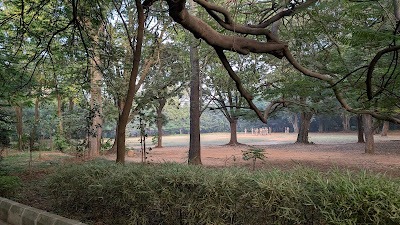
Tucked away in the charming neighbourhood of Basavanagudi in Bengaluru, M. N. Krishna Rao Park is one of the city’s oldest and most beloved green spaces. Spread across nearly 25 acres, this square-shaped park offers a refreshing escape from Bengaluru’s busy streets and traffic-filled roads. With towering old trees, shaded pathways, open lawns, and a peaceful atmosphere, the park still reflects the city’s long-standing reputation as the “Garden City of India.”
What makes this park truly special is its social and historical significance. Built during the 1940s, it was originally designed exclusively for women and children — something remarkably progressive for that era. At a time when safe recreational spaces were limited, the park became a welcoming place where families could relax, children could play freely, and women could spend time outdoors comfortably.
Even today, the park remains deeply connected to the identity of Basavanagudi and continues to attract morning walkers, joggers, yoga groups, senior citizens, and families looking for a calm corner in the middle of the city.
History and Legacy
M. N. Krishna Rao Park was founded through the vision and generosity of Sir M. N. Krishna Rao, who served as the acting Dewan of the former Mysore State in 1941. A respected administrator known for his simplicity and public service, he personally donated ₹20,000 for the development of the park — a significant amount at the time. Later, an additional ₹15,000 was invested to construct the Krishna Rao Pavilion located at the heart of the park.
The pavilion was designed by the famous architect Otto H. Koenigsberger, a Berlin-born architect who played an important role in shaping modern Mysore State architecture. He was also associated with projects like Bal Bhavan and several buildings at the Indian Institute of Science. The pavilion once served as a lively cultural venue where music performances, public gatherings, and community events were regularly held.
Although the structure has aged and now shows signs of neglect, it still stands as an important reminder of Bengaluru’s cultural past. Many heritage lovers and residents continue to advocate for its restoration.
One of the most remembered stories about Sir M. N. Krishna Rao highlights his humility. According to family accounts, he was once stopped by a security guard at the entrance because the park allowed only women and children at that time. Rather than revealing his identity or authority, he quietly smiled and walked away. The story is still shared as an example of his modest and gentle personality.
The Charm of Basavanagudi
The story of the park is closely tied to the history of Basavanagudi itself. The locality was developed after the devastating bubonic plague epidemic of 1898, when the city expanded southward to create healthier residential areas with wide roads and open spaces.
Basavanagudi soon became one of Bengaluru’s most culturally rich neighbourhoods, known for its temples, educational institutions, traditional homes, and old-world atmosphere. Sir M. N. Krishna Rao’s residence was reportedly among the earliest houses built in the area. Over the decades, the park naturally evolved into a community gathering space and an important social landmark.
Today, a walk through the neighbourhood still offers glimpses of Bengaluru’s older character — tree-lined streets, heritage buildings, local eateries, and cultural institutions that preserve the spirit of the city’s past.
Attractions and Features
Lush Green Environment
Despite rapid urbanisation and nearby infrastructure development, the park still preserves a remarkable green cover. Several old trees dating back to the 1940s continue to provide shade and support birdlife within the city. During mornings and evenings, the park feels calm, cool, and surprisingly quiet compared to the surrounding traffic.
Walking and Jogging Paths
One of the biggest attractions of the park is its well-maintained walking tracks. Fitness enthusiasts, joggers, and senior citizens regularly use the pathways for exercise and relaxation. The peaceful setting also makes it a favourite spot for meditation and yoga.
Krishna Rao Pavilion
Though now weathered by time, the Krishna Rao Pavilion remains one of the park’s most historically significant structures. Older residents still recall concerts, theatre performances, and cultural programs that once brought the community together here.
Children’s Play Area
Families visiting the park often spend time in the dedicated play zones for children. The open lawns and shaded areas make it an enjoyable outing for kids, especially during weekends and holidays.
Birdsong and Seasonal Beauty
Early mornings in the park are especially beautiful, with chirping birds, cool breezes, and sunlight filtering through the trees. During the monsoon season, the greenery becomes even more vibrant, giving the park a refreshing natural charm.
Importance in Modern Bengaluru
As Bengaluru continues to grow rapidly, green spaces like M. N. Krishna Rao Park have become increasingly valuable. The park acts as an important “green lung” for South Bengaluru, helping improve air quality and offering residents a place to reconnect with nature.
More than just a recreational space, the park also represents an important chapter in the city’s social history. Its original purpose as a dedicated park for women and children reflects an early understanding of inclusive public spaces — something that was far ahead of its time.
For many long-time residents of Basavanagudi, the park is filled with memories of childhood walks, family outings, cultural events, and community life. Even younger generations continue to appreciate it as a peaceful retreat away from the fast pace of urban living.
Best Time to Visit
The best time to visit M. N. Krishna Rao Park is during the early morning or evening hours when the weather is pleasant and the park is at its liveliest. Morning visits are especially popular among walkers, runners, and yoga enthusiasts.
The cooler months from October to February offer the most comfortable climate for spending longer hours outdoors.
Nearby Attractions
Visitors can also explore several famous landmarks located close to the park in Basavanagudi:
- Bull Temple – One of Bengaluru’s oldest and most iconic temples dedicated to Nandi.
- Dodda Ganapathi Temple – Known for its massive monolithic idol of Lord Ganesha.
- Gandhi Bazaar – A lively traditional market famous for flowers, food, and local culture.
- Basavanagudi’s heritage streets – Ideal for experiencing old Bengaluru’s charm, cafés, and traditional eateries.
Visiting Information
Location: Basavanagudi, Bengaluru, Karnataka.
Entry Fee: Free.
Timings: Open daily; mornings and evenings are the most preferred visiting hours.
Best For: Families, walkers, joggers, heritage enthusiasts, and nature lovers.
Google Maps
FAQs
1. Why is M. N. Krishna Rao Park famous?
The park is famous for its historical significance, lush greenery, and unique legacy as one of India’s earliest parks designed specifically for women and children.
2. Who was M. N. Krishna Rao?
Sir M. N. Krishna Rao was the acting Dewan of Mysore State in 1941. He was known for his administrative contributions, philanthropy, and humble personality.
3. Is M. N. Krishna Rao Park suitable for jogging and walking?
Yes, the park is one of the most popular spots in South Bengaluru for walking, jogging, yoga, and other fitness activities due to its peaceful environment and shaded pathways.
4. What is the Krishna Rao Pavilion?
The Krishna Rao Pavilion is a historic structure located inside the park. It once hosted cultural performances, music concerts, and public gatherings, though it is currently in a deteriorated state.
5. Are there attractions near the park?
Yes, visitors can explore nearby attractions like the Bull Temple, Dodda Ganapathi Temple, Gandhi Bazaar, and several heritage streets of Basavanagudi.
6. Is there an entry fee for the park?
No, entry to M. N. Krishna Rao Park is completely free for visitors.
7. What is the best time to visit the park?
Early mornings and evenings are considered the best times to visit because the weather is cooler and the park atmosphere is more vibrant and relaxing.