Image Source: Sanjeev Kumar R
About Amruthapura Temple
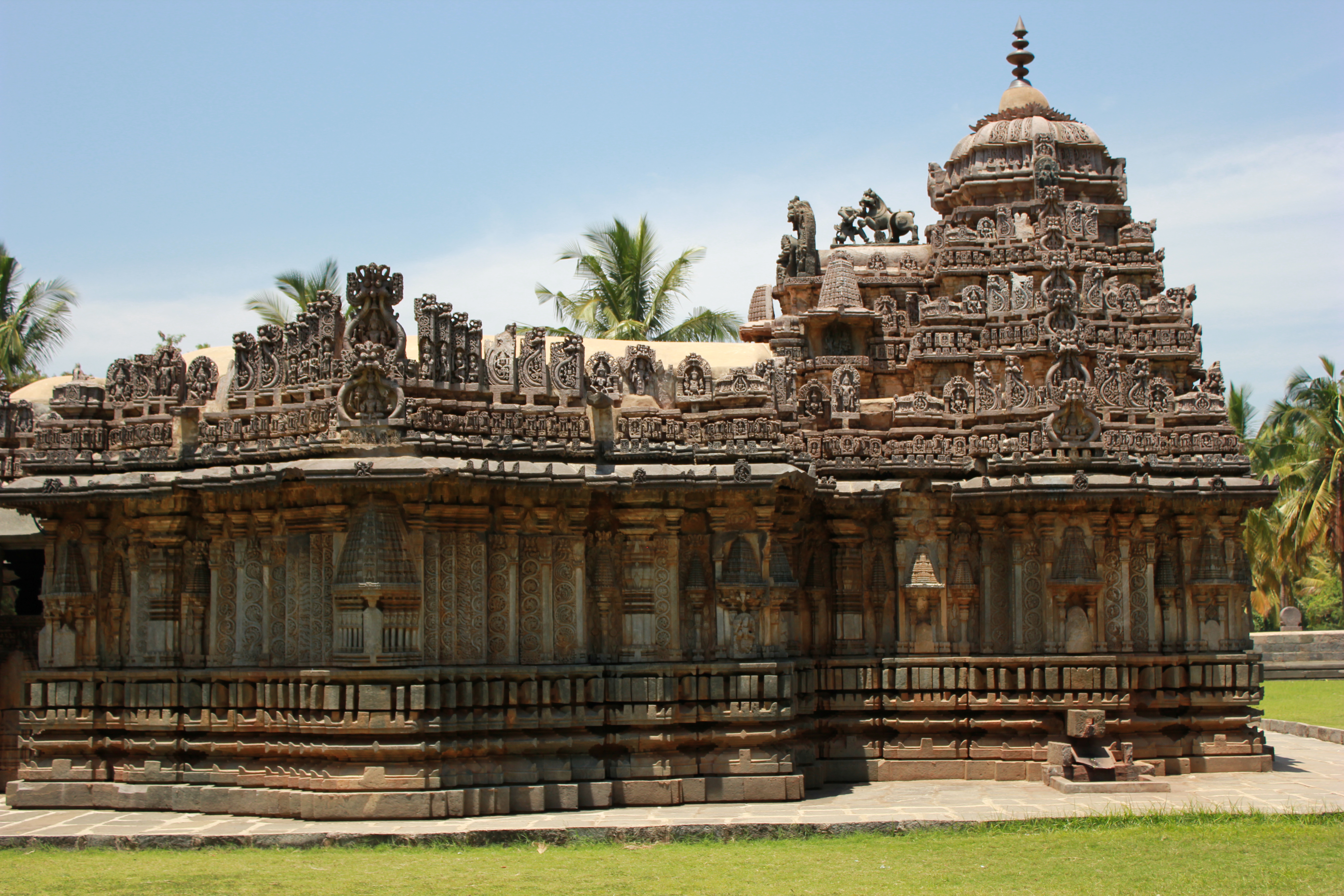
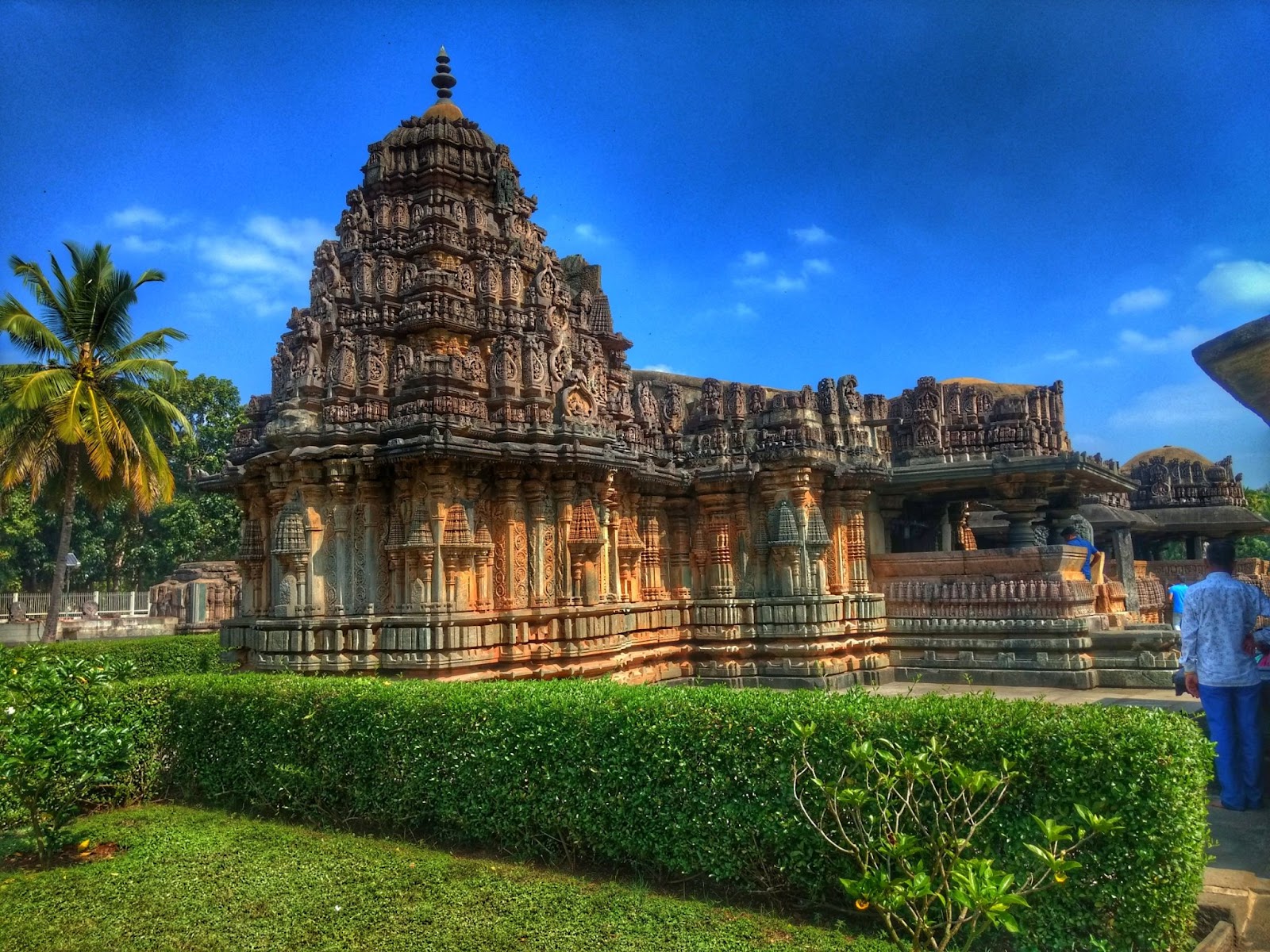
Nestled in the quiet village of Amruthapura in Karnataka, the Amruteshwara Temple is one of the finest surviving examples of Hoysala architecture. Surrounded by lush coconut groves, paddy fields, and peaceful rural landscapes, the temple offers visitors a beautiful blend of history, spirituality, and artistic brilliance. Though less crowded than some of Karnataka’s more famous temple destinations, Amruthapura has a charm of its own that leaves a lasting impression on history lovers, architecture enthusiasts, and devotees alike.
The temple is primarily dedicated to Lord Shiva and is known locally as the Amruteshwara Temple. Apart from its spiritual importance, the temple is also admired for its extraordinary stone carvings and detailed sculptures that showcase the remarkable craftsmanship of the Hoysala period. One of the temple’s revered attractions is the idol of Sri Sharada Devi, worshipped as the goddess of wisdom and learning. Many devotees visit the temple to seek blessings for education, knowledge, and success in academics.
What makes the temple even more special is its calm atmosphere. Unlike heavily commercialized pilgrimage sites, Amruthapura still retains the feel of an ancient sacred village where time seems to move slowly.
History
The Amruteshwara Temple was built in 1196 AD during the reign of the powerful Hoysala king Veera Ballala II. It was commissioned by Amrutheshwara Dandanayaka, a loyal commander and military officer in the Hoysala kingdom. The temple stands as a symbol of the prosperity and artistic excellence that flourished under Hoysala rule.
The Hoysalas were famous for constructing intricately carved temples across Karnataka, and Amruthapura remains one of their lesser-known architectural gems. The temple also holds importance in the history of Hoysala sculpture because the renowned sculptor Ruvari Mallitamma is believed to have started his artistic journey here. He later went on to work on several celebrated Hoysala monuments.
An interesting feature of the temple is the large stone inscription found on the porch. This inscription contains valuable information about medieval Kannada literature and poetry, giving historians insights into the cultural and literary traditions of the era.
Over the centuries, despite natural wear and changing dynasties, the temple has remained remarkably well preserved and continues to attract scholars, photographers, and devotees from different parts of India.
Architecture and Artistic Beauty
The Amruteshwara Temple is an outstanding example of classic Hoysala architecture. Built in the Ekakuta style, the temple features a single sanctum tower or vimana dedicated to Lord Shiva. Though modest in size compared to some larger Hoysala temples, its detailing and craftsmanship are truly extraordinary.
The temple complex includes a spacious maha mandapa (main hall) and a beautifully designed ranga mandapa that leads to the sanctum. The ceilings inside the temple are especially captivating, with intricate floral patterns, geometric designs, and decorative carvings that demonstrate the incredible skill of Hoysala artisans.
Inside the sanctum lies a sacred Saligrama Shivalinga believed to have been brought from the Gandaki River in Nepal. Surrounding the sanctum are finely carved images of the Ashtadikpalakas, the guardians of the eight directions in Hindu mythology.
The outer walls of the temple are among its most remarkable features. Visitors can spend hours admiring the detailed stone panels that narrate stories from Hindu epics. Around 140 sculpted panels decorate the outer walls of the maha mandapa. The southern side beautifully illustrates scenes from the Ramayana, while the northern side depicts episodes from the life of Lord Krishna and stories connected to the Mahabharata.
The temple walls are also adorned with decorative circular motifs, miniature shrines, floral carvings, dancers, musicians, animals, and mythological figures. Every inch of the structure reflects the precision and artistic imagination of Hoysala craftsmen.
Spiritual Importance
For devotees, Amruthapura Temple is not just an architectural wonder but also a deeply sacred place. Lord Shiva is worshipped here in the form of Amruteshwara, and regular rituals and prayers continue to be performed in the temple.
The presence of Sri Sharada Devi adds another layer of spiritual significance. Students and parents often visit the temple to pray for wisdom, concentration, and academic success. Many locals believe that sincere prayers offered here are answered by the goddess.
Festivals such as Maha Shivaratri are celebrated with great devotion, drawing pilgrims from nearby towns and villages.
Scenic Surroundings and Village Atmosphere
One of the most memorable aspects of visiting Amruthapura is the peaceful environment around the temple. The village is surrounded by coconut plantations, palm trees, and agricultural fields, creating a serene countryside setting. Unlike urban temples crowded with traffic and noise, this temple offers visitors a calm and meditative experience.
The rural charm of the village also provides excellent opportunities for photography and cultural exploration. Travelers interested in Karnataka’s heritage often combine a visit to Amruthapura with nearby historical destinations in the Chikkamagaluru region.
How to Reach Amruthapura Temple
Amruthapura village is located near Tarikere in Karnataka and is well connected by road.
By Road
The temple can easily be reached from Tarikere by local buses, taxis, or private vehicles. Roads leading to the village pass through scenic countryside landscapes.
By Rail
The nearest railway station is Tarikere Railway Station, which connects the region to major cities in Karnataka.
By Air
The nearest major airport is in Mangaluru or Bengaluru, from where travelers can continue their journey by road or rail.
Temple Timings and Entry Fee
Timings
The Amruteshwara Temple is open daily from 6:00 AM to 6:00 PM.
Entry Fee
There is no entry fee, making it accessible to all visitors.
Best Time to Visit
The best time to visit Amruthapura Temple is between October and February when the weather remains pleasant and comfortable for sightseeing. Monsoon season also adds greenery to the surrounding landscape, making the village especially scenic.
Early mornings and evenings are ideal for exploring the temple peacefully and appreciating the carvings in soft natural light.
How to Reach
The historic Amruteshwara Temple is located in the village of Amruthapura in Tarikere Taluk of Chikkamagaluru district, Karnataka. Built in 1196 CE during the Hoysala period, the temple is well-connected by road and can be easily reached from major cities such as Bengaluru, Chikkamagaluru, Shivamogga, and Hassan.
By Air
The nearest airports to Amruteshwara Temple are:
- Shivamogga Airport – approximately 45 km away.
- Mangalore International Airport – around 185–220 km away.
- Kempegowda International Airport, Bengaluru – approximately 260–280 km away.
From the airport, visitors can hire a taxi or use bus services to reach Tarikere and then continue to Amruthapura.
By Train
The nearest railway station is Tarikere Railway Station, located about 10–11 km from the temple. Regular trains connect Tarikere with Bengaluru, Mysuru, Shivamogga, and other major Karnataka cities. From the station, auto-rickshaws and taxis are readily available, and the journey to the temple takes around 20 minutes.
Alternative railheads include:
- Kadur Railway Station – about 25 km away.
- Birur Junction – about 30 km away.
By Road
Amruthapura enjoys good road connectivity with nearby towns and cities.
Distance from Major Cities
- Tarikere – 4 km
- Chikkamagaluru – 67 km
- Shivamogga – 50 km
- Hassan – 95 km
- Bengaluru – 260 km approximately
From Bengaluru
The most convenient route is:
Bengaluru → Tumakuru → Tiptur → Arsikere → Tarikere → Amruthapura
The drive covers approximately 260 km and takes about 5 hours, depending on traffic conditions.
By Bus
KSRTC and private buses operate regularly from Bengaluru, Chikkamagaluru, Shivamogga, Hassan, and other nearby cities to Tarikere. From Tarikere Bus Stand, visitors can hire an auto-rickshaw or taxi for the short 4-km journey to the temple.
Nearby Attractions
Visitors exploring Amruthapura can also visit nearby historical and cultural destinations such as:
- Tarikere.
- Chikkamagaluru.
- Belur.
- Halebidu.
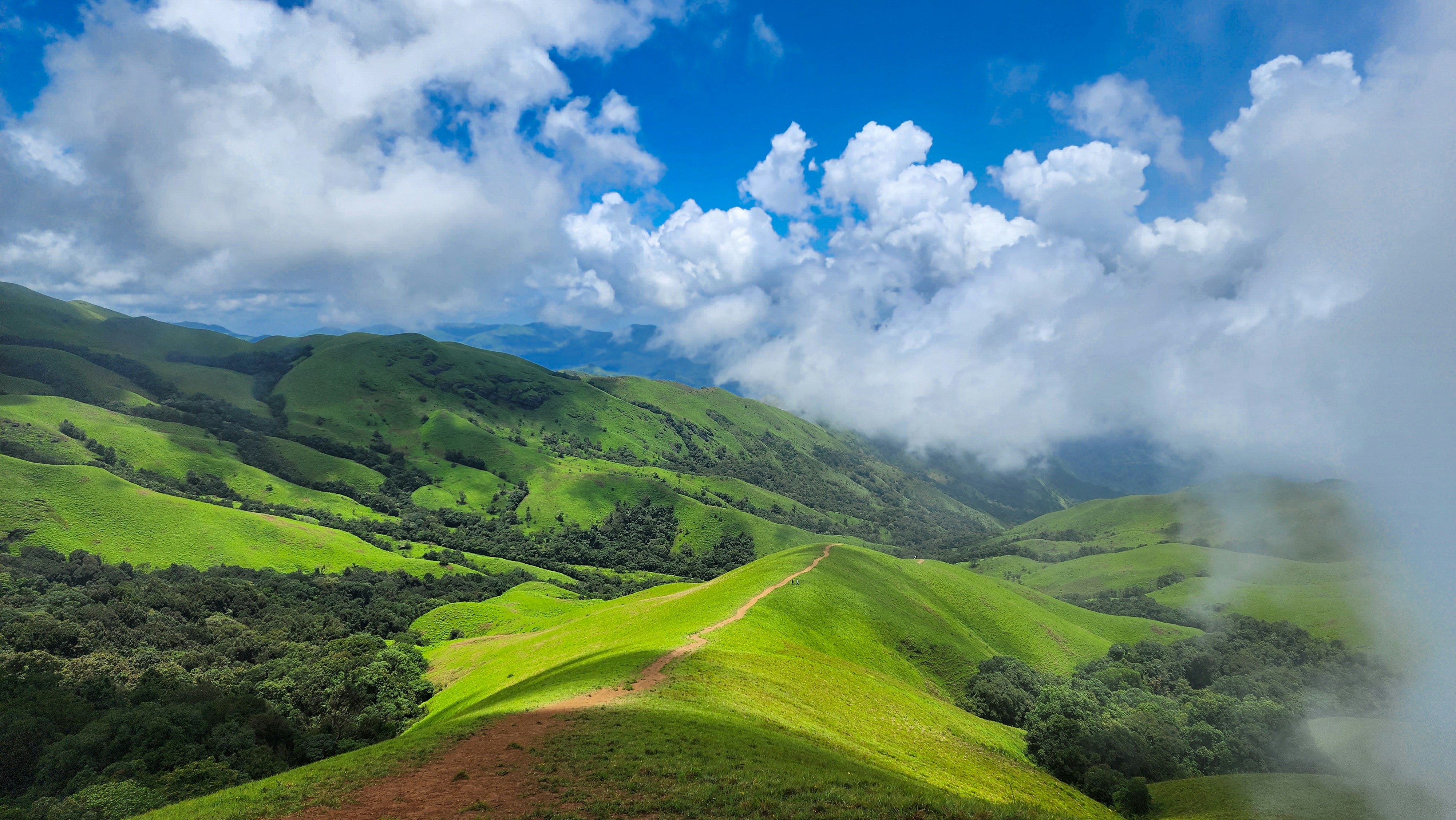
- Baba Budangiri Hills.
These places together offer a deeper understanding of Karnataka’s history, architecture, and natural beauty.
Maps and Location of Amruthapura Temple
FAQs
1. Where is Amruthapura Temple located?
Amruthapura Temple is located in Amruthapura village near Tarikere in the Chikkamagaluru district of Karnataka.
2. Which deity is worshipped in the temple?
The temple is dedicated to Lord Shiva, worshipped here as Amruteshwara.
3. Why is the temple famous?
The temple is famous for its magnificent Hoysala architecture, detailed stone carvings, and sculpted panels depicting scenes from the Ramayana and Mahabharata.
4. What is special about the carvings at Amruthapura Temple?
The temple features around 140 intricately carved panels illustrating stories from Hindu epics, along with decorative motifs, mythological figures, and detailed sculptures.
5. Who built the Amruteshwara Temple?
The temple was built in 1196 AD by Amrutheshwara Dandanayaka, a general under Hoysala king Veera Ballala II.
6. What are the temple timings?
The temple is open every day from 6:00 AM to 6:00 PM.
7. Is there any entry fee for visitors?
No, entry to the temple is completely free.
8. When is the best time to visit Amruthapura Temple?
The ideal time to visit is during the winter months from October to February when the weather is pleasant.
9. Is the temple suitable for architecture enthusiasts?
Yes, the temple is considered an excellent example of Hoysala architecture and attracts historians, photographers, and architecture lovers.
10. How far is Amruthapura from Tarikere?
Amruthapura is located a short distance from Tarikere and can be easily reached by road.