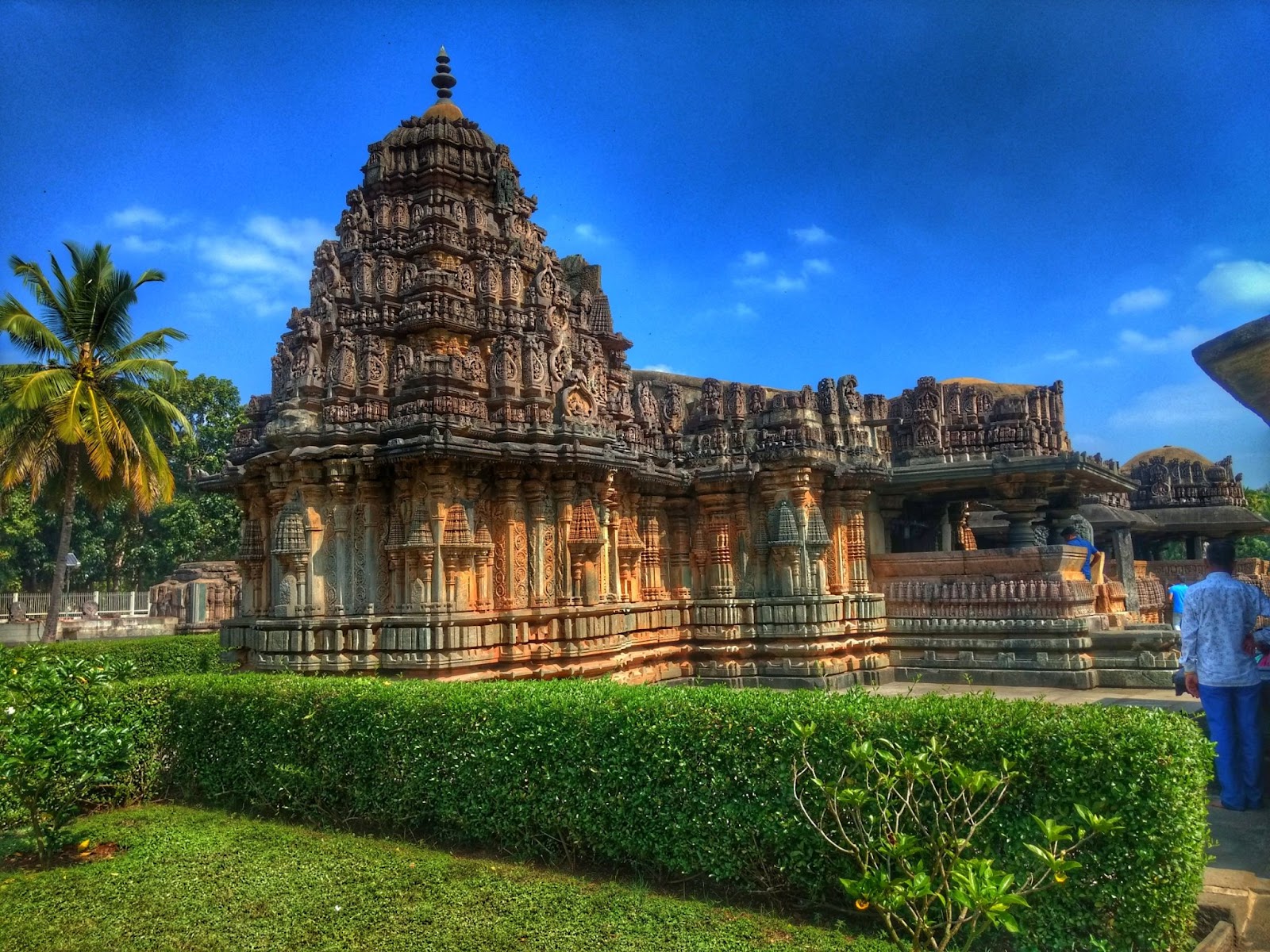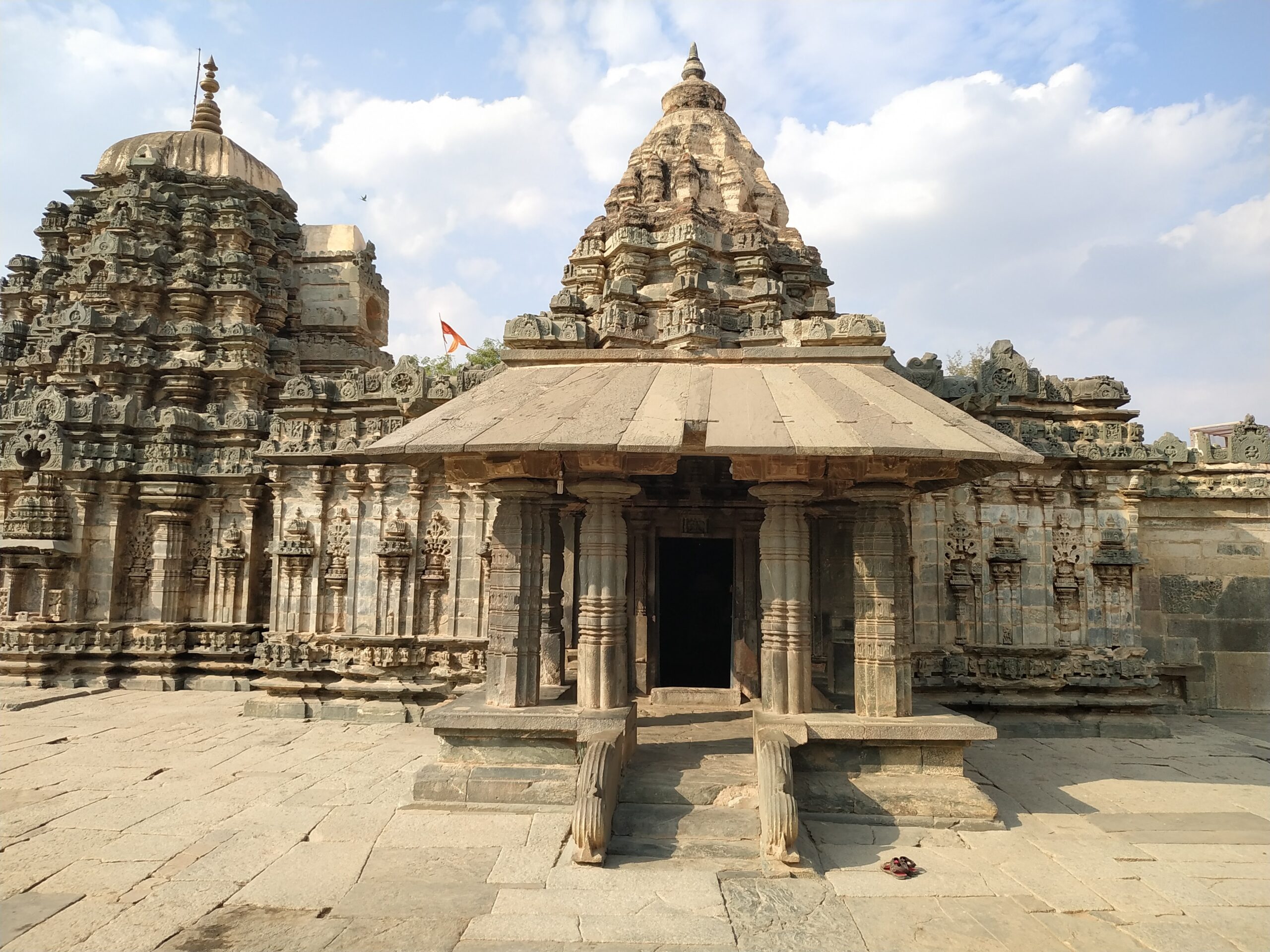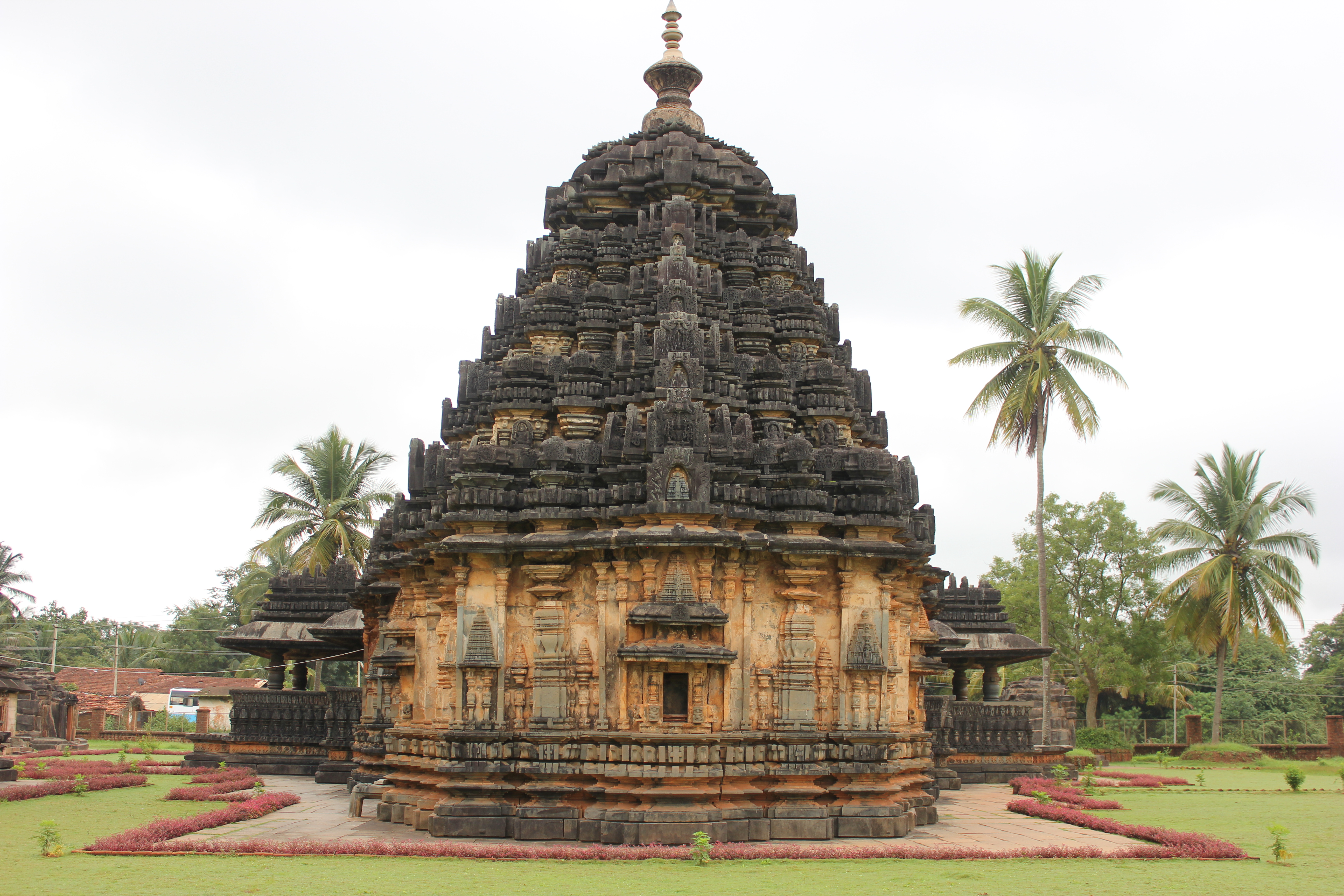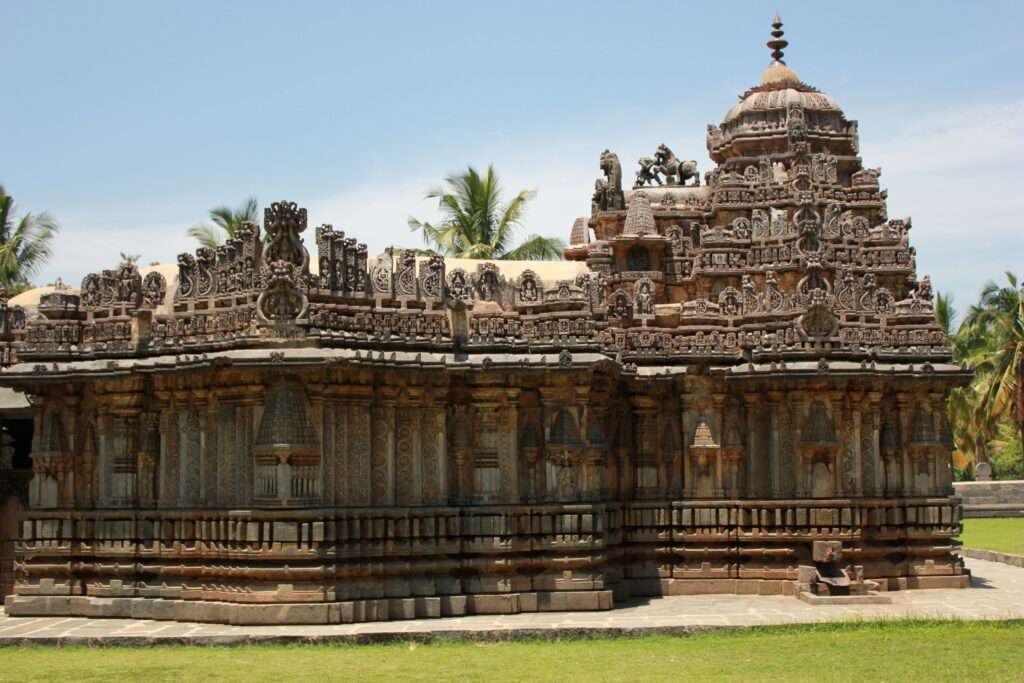
Image Source: Dineshkannambadi
About Amruteshwara Temple
Nestled in the quiet village of Amruthapura in Karnataka’s Chikkamagaluru district, the Amruteshwara Temple stands as one of the finest examples of Hoysala architecture in South India. Surrounded by a peaceful rural landscape, this 12th-century Shiva temple beautifully reflects the artistic brilliance, craftsmanship, and spiritual traditions of the Hoysala Empire. Located around 67 km from Chikkamagaluru, 50 km from Shivamogga, and about 110 km from Hassan, the temple continues to attract historians, architecture lovers, pilgrims, and travelers who wish to witness Karnataka’s rich cultural heritage.
Though not as widely known as the grand Hoysala temples of Belur and Halebidu, Amruteshwara Temple possesses a unique charm of its own. Its intricate carvings, mythological panels, polished stone pillars, and serene atmosphere create an experience that feels both sacred and timeless.
History
The Amruteshwara Temple was built in 1196 CE by Amrutheshwara Dandanayaka, a military commander who served under the famous Hoysala ruler King Veera Ballala II. The temple was dedicated to Lord Shiva and became an important spiritual and cultural center during the Hoysala period.
The Hoysalas were known for encouraging art, literature, and temple architecture, and this temple reflects that golden era remarkably well. Several inscriptions discovered near the temple provide valuable historical information about the time in which it was built. Among these inscriptions are verses composed by the celebrated medieval Kannada poet Janna, one of the important literary figures associated with the Hoysala court. These inscriptions not only enhance the temple’s historical significance but also reveal how closely religion, literature, and royal patronage were connected during that period.
Today, the temple is protected by the Archaeological Survey of India, helping preserve this architectural treasure for future generations.
Architectural Beauty of the Temple
The Amruteshwara Temple is a remarkable showcase of classic Hoysala craftsmanship. Built using soapstone, a material favored by Hoysala sculptors because of its softness and durability, the temple demonstrates extraordinary detailing in every corner.
The structure follows the ekakuta style, meaning it contains a single main shrine. At the heart of the temple lies the sanctum, which houses a Shiva Linga. The sanctum is connected to a closed hall known as a mantapa, which further opens into a spacious open-pillared hall. The layout feels balanced and elegant, reflecting the architectural precision for which the Hoysalas were famous.
One of the most striking features of the temple is its large open mantapa with twenty-nine bays. Compared to many medium-sized Hoysala temples, this hall appears especially spacious and airy. The lathe-turned pillars supporting the hall are polished so smoothly that they almost resemble metal. Even after centuries, their shine and symmetry continue to impress visitors.
The ceilings are equally breathtaking. Intricately carved domes filled with floral motifs, geometric patterns, and ornamental designs display the incredible skill of Hoysala artisans. Some historians believe that the renowned sculptor Ruvari Mallitamma, who later became famous for his work on larger Hoysala temples, began his artistic journey here.
The Temple Tower and Exterior Design
The temple’s original superstructure, or shikhara, still survives and remains one of its defining architectural features. Decorated with miniature towers and ornamental carvings, the tower rises gracefully above the shrine and reflects the refined aesthetic sense of Hoysala builders.
Above the vestibule is the sukanasi, often called the “nose” of the temple tower. This section prominently displays the royal Hoysala emblem depicting the legendary hero Sala slaying a lion. The symbol served as an important dynastic identity for the Hoysala rulers and appears in many temples built during their reign.
The outer walls of the temple combine simplicity with artistic sophistication. Unlike some later Hoysala temples that feature extremely dense ornamentation, the walls here have a more balanced decorative style. Circular carvings and carefully spaced sculptural elements create visual harmony without overwhelming the structure.
The parapet walls of the open hall are adorned with around 140 sculptural panels, each carved with remarkable detail. These panels are among the temple’s greatest artistic treasures and provide insight into the storytelling traditions of medieval temple art.
Mythological Stories Carved in Stone
One of the most fascinating aspects of the Amruteshwara Temple is the way it narrates stories from Hindu epics through stone carvings. Walking around the temple feels almost like reading an ancient illustrated manuscript.
The southern wall contains around 70 panels depicting scenes from the Ramayana. Interestingly, these scenes are arranged in an anti-clockwise direction, which is considered unusual in temple iconography. The carvings capture important moments from the life of Lord Rama with expressive detail and dynamic storytelling.
Another series of panels portrays episodes from the life of Krishna, including stories from his childhood and divine adventures. These scenes add a lively and devotional dimension to the temple’s sculptural program.
The northern wall illustrates scenes from the Mahabharata through 45 beautifully carved panels. Unlike the Ramayana sequence, these carvings follow the more traditional clockwise arrangement commonly seen in Hoysala temples.
The sculptures are larger and more expressive than those found in many contemporary temples, making the narratives easier to observe and appreciate. Decorative scrollwork, miniature towers, perforated stone windows, and intricate friezes further enrich the temple’s artistic beauty.
Religious and Cultural Importance
Beyond its architectural splendor, the Amruteshwara Temple holds deep cultural and spiritual significance. It represents an era when temples were not merely places of worship but also centers of education, literature, music, and artistic expression.
The presence of poet Janna’s inscriptions highlights the intellectual atmosphere of the Hoysala court, where scholars and artists received royal patronage. The temple also reflects an important phase in Hoysala architectural evolution, serving as a precursor to later and more elaborate temples such as the Veera Narayana Temple.
Even today, the temple remains an active place of worship for devotees of Lord Shiva. Religious rituals continue to be performed here, preserving centuries-old traditions. At the same time, the monument attracts architecture enthusiasts, photographers, historians, and travelers seeking a quieter and less commercialized heritage destination.
The Experience of Visiting Amruteshwara Temple
Visiting the temple is a peaceful and immersive experience. Unlike crowded tourist sites, the atmosphere here remains calm and deeply spiritual. The surrounding countryside, dotted with greenery and traditional village life, enhances the temple’s timeless appeal.
Early mornings and evenings are especially beautiful, when soft sunlight falls on the stone carvings and highlights their intricate details. Visitors often spend hours observing the sculptural panels, admiring the polished pillars, and exploring the artistic richness hidden in every corner of the structure.
The temple is also a rewarding destination for those interested in photography, South Indian history, and ancient Indian architecture. Its lesser-known status allows travelers to appreciate the monument without the distractions of heavy tourism.
Best Time to Visit
The ideal time to visit the Amruteshwara Temple is between October and March, when the weather in Karnataka remains pleasant and comfortable for sightseeing. The monsoon season also adds greenery to the surrounding landscape, though occasional rain may affect travel plans.
How to Reach
Amruthapura village is well connected by road from nearby towns and cities.
- Chikkamagaluru – approximately 67 km.
- Shivamogga – around 50 km.
- Hassan – about 110 km.
The nearest railway station is Tarikere, while the closest major airports are in Mangaluru and Bengaluru. Travelers usually combine a visit to the temple with other Hoysala heritage sites across Karnataka.
Nearby Attractions
Located in the peaceful village of Amruthapura in Karnataka’s Chikkamagaluru district, the Amruteshwara Temple is a remarkable example of Hoysala architecture. While visiting this historic monument, travelers can explore several nearby attractions that showcase the region’s rich cultural heritage, natural beauty, and spiritual significance.
1. Kallathigiri Falls
Situated about 25 kilometers from Amruthapura, Kallathigiri Falls is a scenic waterfall nestled amidst lush greenery. The water cascades down rocky cliffs into a small pool, creating a serene environment ideal for nature lovers and photographers. A cave temple dedicated to Lord Veerabhadra is also located near the falls, adding a spiritual touch to the visit.
2. Chennakesava Temple, Belur
Approximately 65 kilometers away, the famous Chennakesava Temple in Belur is one of Karnataka’s most celebrated Hoysala monuments. Known for its intricate sculptures, star-shaped platform, and detailed carvings depicting scenes from Hindu epics, it is a must-visit destination for architecture enthusiasts.
3. Hoysaleswara Temple, Halebidu
Located around 80 kilometers from Amruthapura, Halebidu is home to the magnificent Hoysaleswara Temple. Dedicated to Lord Shiva, this temple is renowned for its elaborate stone carvings and is considered one of the finest examples of Hoysala craftsmanship.
4. Chikkamagaluru
About 70 kilometers away, Chikkamagaluru is famous for its coffee plantations, rolling hills, and pleasant climate. Visitors can enjoy plantation tours, trekking, and scenic drives through the Western Ghats. The town serves as an excellent base for exploring nearby hill stations and natural attractions.
5. Mullayanagiri
The highest peak in Karnataka, Mullayanagiri lies roughly 85 kilometers from Amruthapura. Rising to an altitude of 1,930 meters, it offers breathtaking views of the surrounding mountains and valleys. The destination is popular among trekkers and adventure seekers.
6. Baba Budangiri
Located near Chikkamagaluru, Baba Budangiri is known for its scenic mountain ranges, caves, and religious significance. The region is ideal for trekking and provides stunning panoramic views, especially during the monsoon and winter seasons.
7. Kemmanagundi
Around 90 kilometers from Amruthapura, Kemmanagundi is a beautiful hill station known for its gardens, viewpoints, waterfalls, and cool climate. Popular attractions here include Z Point, Hebbe Falls, and Raj Bhavan Garden.
8. Bhadra Wildlife Sanctuary
Nature enthusiasts can visit the Bhadra Wildlife Sanctuary, located approximately 75 kilometers away. The sanctuary is home to tigers, leopards, elephants, deer, and numerous bird species. Jungle safaris and boat rides offer excellent opportunities for wildlife viewing.
9. Yagachi Dam
Situated near Belur, Yagachi Dam is a peaceful getaway known for boating, water sports, and picturesque sunset views. It is a great place to relax after exploring the historic temples of the region.
10. Sri Veeranarayana Temple, Belavadi
Located about 60 kilometers from Amruthapura, this lesser-known Hoysala temple is dedicated to Lord Vishnu. The temple is admired for its grand architecture, spacious interiors, and beautifully carved pillars.
11. Ballalarayana Durga Fort
Adventure lovers can explore the ruins of Ballalarayana Durga Fort, situated amidst the Western Ghats. The trek to the fort passes through dense forests and grasslands, rewarding visitors with spectacular views of the surrounding landscape.
12. Hebbe Falls
Located near Kemmanagundi, Hebbe Falls is one of Karnataka’s most picturesque waterfalls. Surrounded by coffee estates and forests, it is a popular destination for nature lovers and trekking enthusiasts.
Google Maps
FAQs
1. Where is Amruteshwara Temple located?
The Amruteshwara Temple is located in Amruthapura village in the Chikkamagaluru district of Karnataka, India.
2. Who built the Amruteshwara Temple?
The temple was built in 1196 CE by Amrutheshwara Dandanayaka, a commander under Hoysala king Veera Ballala II.
3. Which deity is worshipped in the temple?
The temple is dedicated to Lord Shiva and houses a Shiva Linga in the sanctum.
4. What is special about the temple architecture?
The temple is famous for its classic Hoysala architecture, polished lathe-turned pillars, detailed ceiling carvings, and sculptural panels depicting scenes from the Ramayana and Mahabharata.
5. Why are the sculptural panels important?
The panels narrate stories from Hindu epics and showcase the exceptional storytelling and artistic skills of Hoysala sculptors.
6. Is the temple protected by the government?
Yes, the temple is protected by the Archaeological Survey of India as an important historical monument.
7. What is the best time to visit the temple?
The best time to visit is from October to March when the weather is pleasant for sightseeing.
8. Is photography allowed inside the temple complex?
Photography is generally allowed in the outer areas of the temple, though visitors should remain respectful during religious activities.
9. How much time is needed to explore the temple?
Most visitors spend around one to two hours exploring the carvings, architecture, and surroundings of the temple.
10. Are there other attractions nearby?
Yes, travelers often combine their visit with nearby Hoysala temples and heritage destinations in Karnataka such as Belur, Halebidu, and Belavadi.