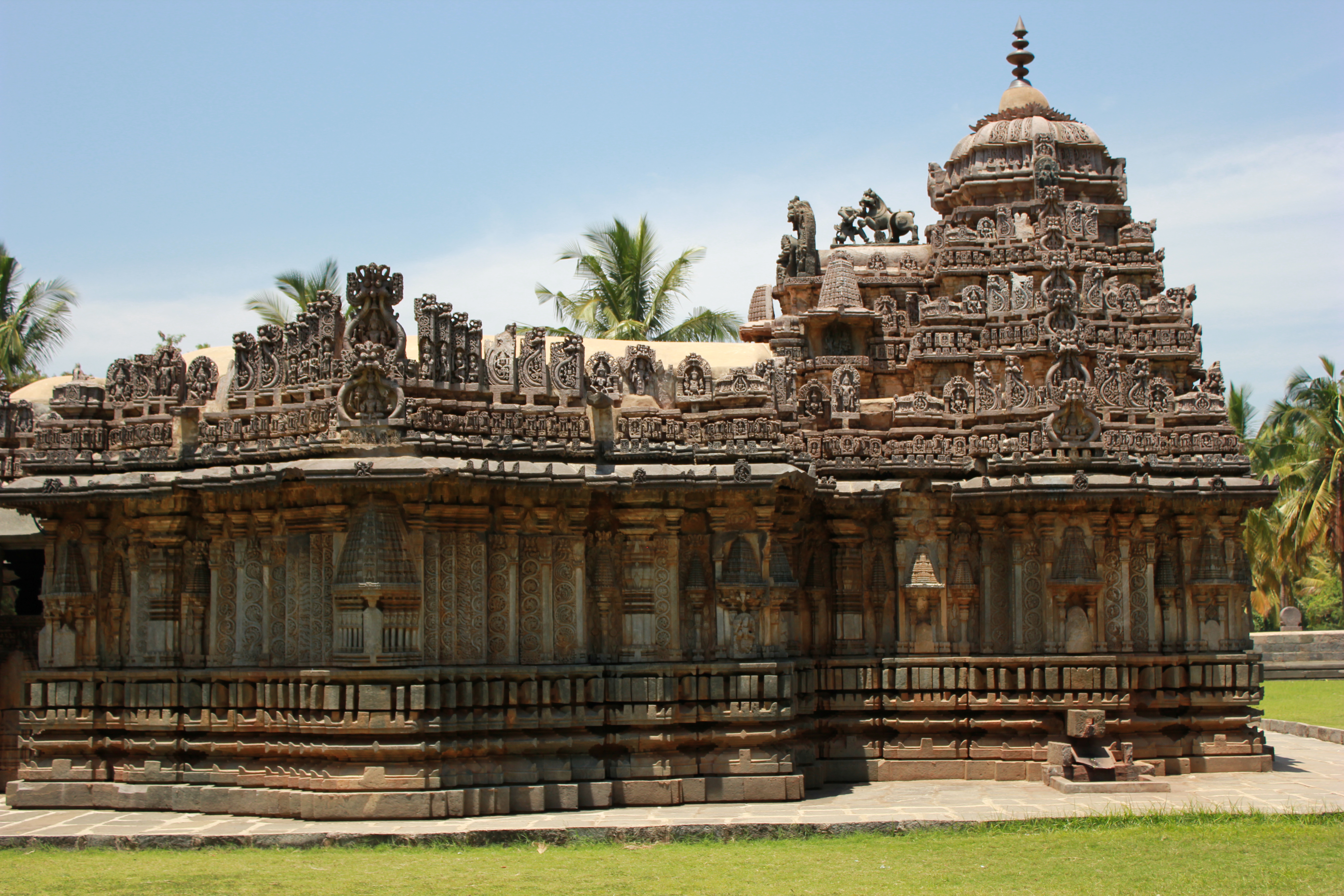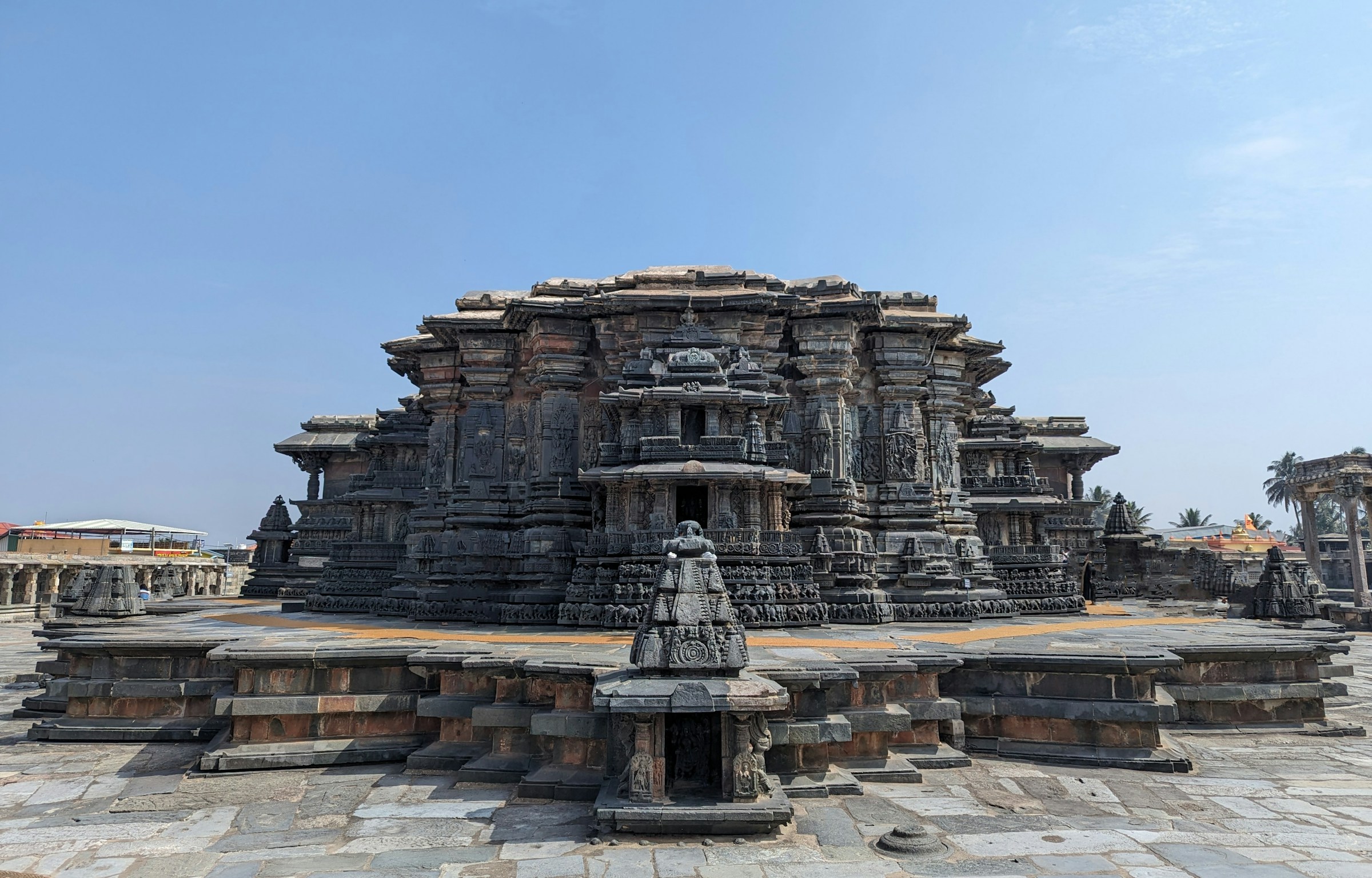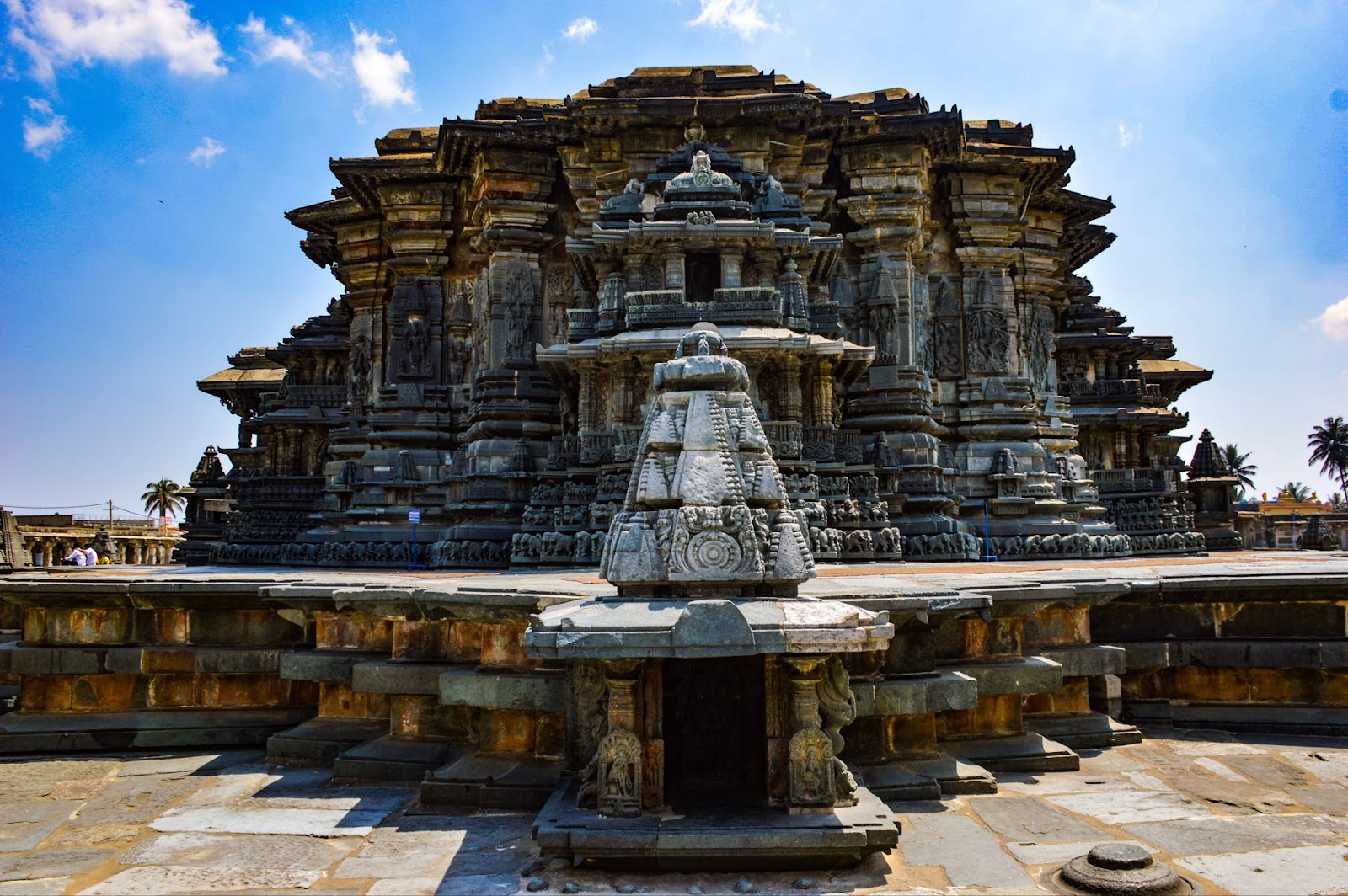
Image Source: Dineshkannambadi
About Kaitabheshvara Temple
Hidden away in the peaceful village of Kubatur—also known historically as Kotipura or Kuppattur—in Karnataka’s Shivamogga district, the Kaitabheshvara Temple is one of the region’s most fascinating yet underrated heritage monuments. While famous Hoysala temples like Belur and Halebidu often steal the spotlight, this lesser-known shrine quietly preserves an important chapter in South Indian architectural history.
Built around 1100 CE during the reign of Hoysala king Vinayaditya, the temple belongs to a period when the Hoysalas were still subordinate to the powerful Western Chalukyas. Because of this, the structure beautifully combines elements from both architectural traditions. The result is a rare transitional monument that captures the artistic evolution between the Western Chalukya style and the ornate craftsmanship for which the Hoysalas later became famous.
Today, the temple is protected by the Archaeological Survey of India and recognized as a monument of national importance. Despite its historical and artistic value, the site remains relatively uncrowded, making it an ideal destination for travelers interested in architecture, history, spirituality, and offbeat heritage exploration.
Historical Background of the Temple
In ancient inscriptions, Kubatur was referred to as Kotipura and served as an important religious center during the 11th and 12th centuries. The region was closely associated with the Kalamukha sect of Shaivism, a medieval Shaivite tradition that once had considerable influence across Karnataka. Priests belonging to this sect were respected scholars and spiritual teachers, and some even became royal advisors and preceptors in neighboring kingdoms.
The temple’s name, “Kaitabheshvara,” is connected to the mythological tale of the demon Kaitabha. According to Hindu mythology, Lord Vishnu defeated the demons Madhu and Kaitabha to restore cosmic order. Though the temple is dedicated to Lord Shiva, the legend associated with Vishnu reflects the harmonious blending of Shaiva and Vaishnava traditions that was common in medieval Indian spirituality.
The construction of the temple during a politically transitional era is especially significant. At the time, the Hoysalas were gradually emerging as an independent power but still followed many Western Chalukyan artistic traditions. The Kaitabheshvara Temple therefore acts as a visual bridge between two major dynasties and their evolving styles of temple architecture.
Architectural Style and Design
Although smaller than the grand Hoysala complexes built in later centuries, the Kaitabheshvara Temple stands out for its refinement and experimentation. Every part of the structure reveals the skill and creativity of medieval artisans.
Temple Layout
The temple follows an ekakuta design, meaning it has a single sanctum or shrine. The layout consists of:
- A sanctum (garbhagriha).
- A vestibule (antarala).
- A spacious hall or navaranga.
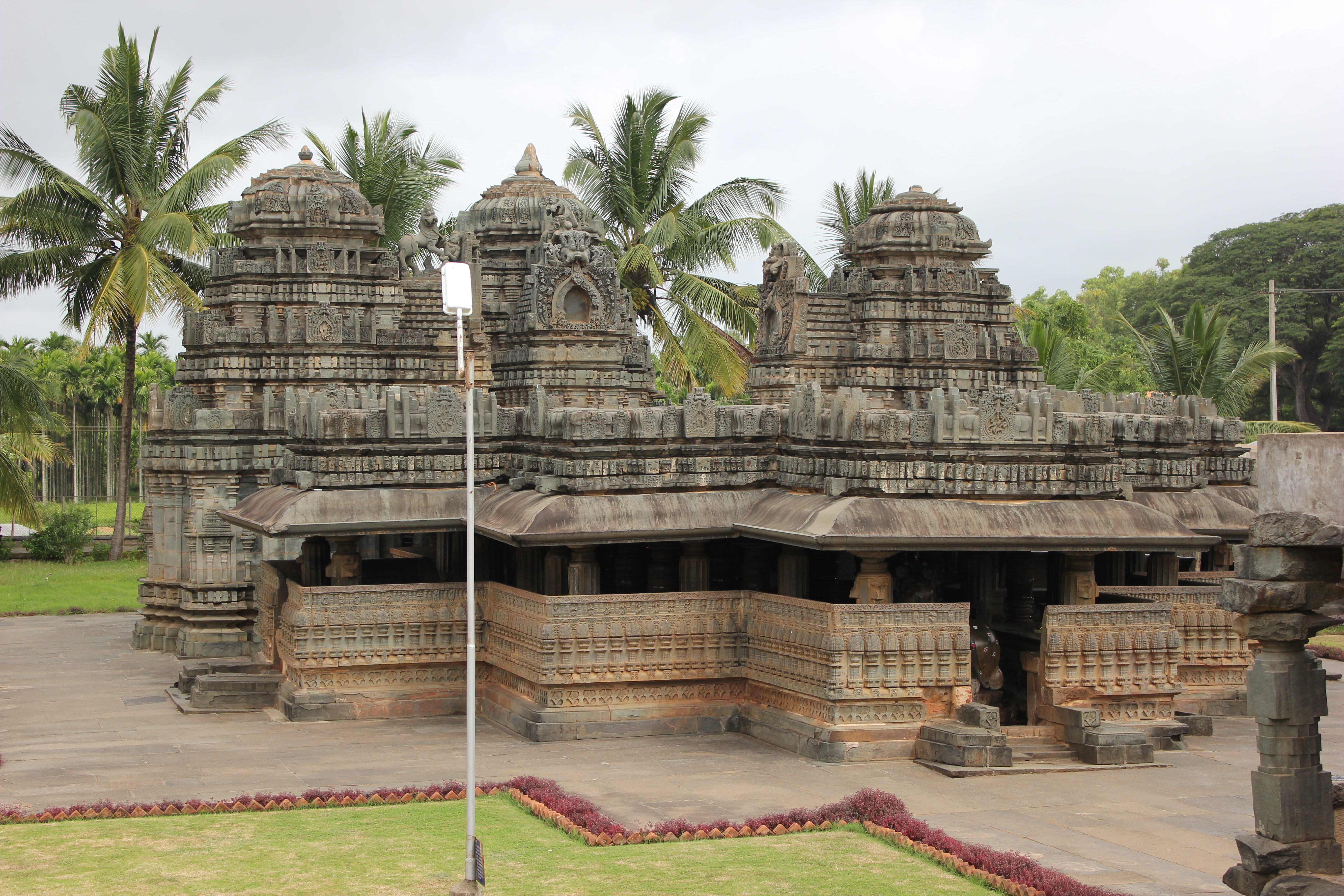
One of the most unusual features of the temple is its staggered square hall with entrances on five sides. This gives the structure a balanced and open appearance while also improving movement and accessibility within the temple complex.
The raised platform and carefully planned geometry create a sense of elegance despite the temple’s modest size.
The Tower and Superstructure
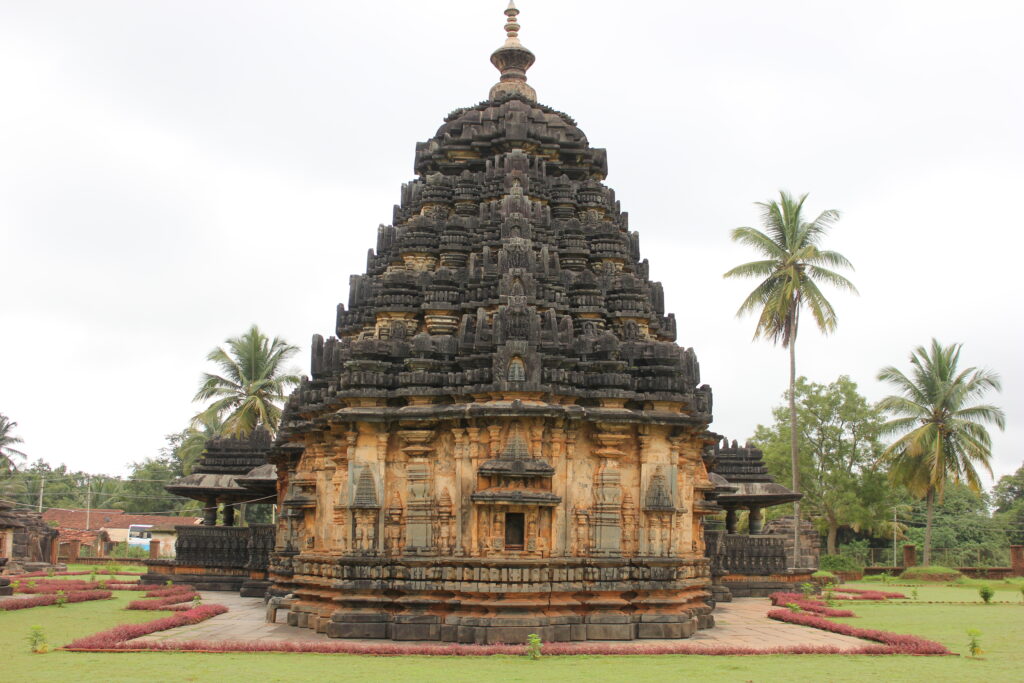
Above the sanctum rises a beautifully proportioned four-tiered vesara-style tower, also known as a chatustala shikhara. The vesara form itself represents a fusion of northern and southern Indian architectural traditions, which further emphasizes the temple’s transitional character.
The tower is crowned with an intricately carved amalaka and kalasha, traditional symbolic elements seen in many medieval Indian temples. Extending outward from the vestibule is the sukhanasi, a smaller tower projection that blends harmoniously with the main superstructure.
Even after centuries, the tower retains its graceful proportions and intricate detailing.
Pillars, Ceilings, and Interior Beauty
The interior of the temple is one of its most impressive aspects. The hall contains polished lathe-turned soapstone pillars, an innovation that later became a defining feature of mature Hoysala architecture.
These pillars are smooth, symmetrical, and remarkably refined, showcasing the technical expertise of the craftsmen. The use of soapstone allowed sculptors to carve extremely fine details with precision.
The ceilings are equally breathtaking. Elaborate circular ceiling panels depict various Hindu deities including:
- Narasimha.
- Varaha.
- Keshava.
The carvings resemble ornate stone mandalas and demonstrate the artistic sophistication of the period. Light entering through the multiple doorways creates dramatic shadows across the sculpted surfaces, adding to the spiritual atmosphere inside the hall.
Sculptures and Iconography
The outer walls of the temple are richly decorated with miniature shrines, pilasters, and sculptural panels. These carvings represent a mixture of Shaiva, Vaishnava, and Shakta imagery, reflecting the inclusive nature of medieval temple worship.
Important sculptures found here include:
- Mahishamardini.
- Bhairava.
- Ganesha.
- Brahma.
- Surya.
- Harihara.
- Sapta Matrikas.
The doorway leading to the sanctum is especially noteworthy for its exquisite Gajalakshmi carving on the lintel. Intricately sculpted guardian figures and decorative motifs further enhance the sacred entrance.
What makes the temple extraordinary is the sheer density of carvings despite its relatively compact scale. Almost every surface carries artistic detailing, turning the structure into a stone gallery of medieval Hindu mythology and symbolism.
Why Kaitabheshvara Temple Is Unique
Transitional Architectural Heritage
The temple represents a rare transitional phase between Western Chalukya and Hoysala architecture. It combines Chalukyan structural discipline with the decorative richness that later became synonymous with Hoysala temples.
Early Hoysala Craftsmanship
The temple contains some of the earliest examples of lathe-turned soapstone pillars, a feature that would later define iconic Hoysala monuments across Karnataka.
Blend of Religious Traditions
Though primarily a Shaivite shrine, the temple includes Vaishnava themes and imagery, demonstrating the coexistence of multiple spiritual traditions.
Historical Inscriptions
Scholars consider inscriptions related to the Bhumija style found here among the earliest references of their kind in Karnataka, making the temple important for architectural studies.
Peaceful Heritage Experience
Unlike heavily crowded tourist sites, Kaitabheshvara Temple offers a quiet and immersive experience. Visitors can admire the carvings and architecture without the rush commonly found at larger monuments.
Surroundings and Cultural Atmosphere
The rural setting of Kubatur adds greatly to the charm of the temple. Surrounded by greenery, traditional villages, and open landscapes, the monument feels deeply connected to the natural environment.
Travelers exploring this region often combine a visit with nearby historical destinations such as Banavasi, Hangal, and other lesser-known heritage sites of Karnataka. The calm atmosphere also makes the temple appealing for photographers, architecture enthusiasts, and those seeking peaceful spiritual spaces away from commercial tourism.
Best Time to Visit
The ideal time to visit the Kaitabheshvara Temple is between October and February when the weather remains pleasant and comfortable for sightseeing.
The monsoon season also gives the surrounding countryside a lush appearance, though travel can sometimes become difficult due to heavy rainfall.
Early mornings and late afternoons are particularly rewarding for photography because the soft sunlight highlights the carvings and stone textures beautifully.
How to Reach Kaitabheshvara Temple
The temple is located in Kubatur village near Anavatti in Karnataka.
By Road
- From Shivamogga: approximately 99 km.
- From Hangal: around 26 km.
- From Hubballi Airport: about 114 km.
- From Bengaluru: nearly 367 km.
The roads connecting Anavatti and nearby towns are generally motorable, making the journey relatively smooth.
By Bus
KSRTC buses operate from Bengaluru, Shivamogga, and Hubballi to nearby towns such as Hangal and Anavatti. From there, local taxis and auto-rickshaws are available to reach Kubatur village.
By Car or Bike
A road trip to the temple is highly recommended for travelers who enjoy scenic countryside drives and heritage exploration. Routes through Shivamogga and Hangal offer pleasant rural landscapes and glimpses of Karnataka’s traditional village life.
Nearby Attractions
Rameshwara Temple
Located in the same village, this ancient temple dates back to the Rashtrakuta period and features remarkable stone inscriptions and architectural details.
Parshvanatha Basadi
A historic Jain monument that reflects the rich religious diversity of medieval Karnataka. The surviving structure contains beautiful carvings and historical significance.
Keladi Rameshwara Temple
Situated near Sagara, this temple is associated with the Keladi Nayakas and is renowned for its elegant architecture and historical importance.
Ikkeri Aghoreshwara Temple
One of Karnataka’s most impressive heritage temples, showcasing a unique blend of Vijayanagara and Dravidian architectural styles.
Jog Falls
One of India’s highest waterfalls, offering spectacular views, especially during and after the monsoon season.
Sagara
A charming town that serves as a gateway to several historical monuments, waterfalls, and Western Ghats attractions.
Accommodation Options
Since Kubatur is a small village, accommodation facilities are limited nearby. Most travelers prefer staying in:
- Shivamogga.
- Banavasi.
- Ranebennur.
- Hubballi.
These towns provide a range of hotels, guesthouses, and budget lodging options suitable for different kinds of travelers.
Google Maps
FAQs
Where is Kaitabheshvara Temple located?
The temple is located in Kubatur village near Anavatti in Shivamogga district, Karnataka.
Who built the Kaitabheshvara Temple?
The temple was built around 1100 CE under the patronage of Hoysala king Vinayaditya during a period when the Hoysalas were feudatories of the Western Chalukyas.
What is the architectural style of the temple?
The temple represents a transitional style that blends Western Chalukya and early Hoysala architectural features.
Why is the temple historically important?
It reflects an important phase in South Indian architectural evolution and preserves early examples of artistic techniques later perfected by Hoysala craftsmen.
What deity is worshipped in the temple?
The temple is dedicated to Lord Shiva in the form of Kaitabheshvara.
What are the major attractions inside the temple?
Key highlights include the lathe-turned soapstone pillars, carved ceilings, vesara-style tower, Gajalakshmi lintel, and intricate sculptures of Hindu deities.
Is the temple protected by the government?
Yes, the temple is protected by the Archaeological Survey of India as a monument of national importance.
What is the best time to visit?
The best months to visit are from October to February when the weather is cooler and more comfortable for exploration.
Are guides available at the site?
Professional guides may not always be available due to the temple’s remote location, so travelers often explore independently or with local assistance.
Can the temple be visited along with other heritage sites?
Yes, travelers often combine it with visits to Banavasi, Hangal, and other historic temples in Karnataka for a broader heritage circuit experience.