Image Source: Dineshkannambadi
About Mallikarjuna Temple
Nestled in the quiet village of Kuruvatti in Karnataka’s Vijayanagara district, the Mallikarjuna Temple stands as one of the finest surviving examples of Western Chalukya architecture in South India. Dedicated to Lord Shiva, who is worshipped here as Mallikarjuna, this centuries-old shrine is admired for its graceful design, artistic precision, and spiritual atmosphere. Built during the late 11th century CE, the temple represents a mature phase of Chalukyan craftsmanship, where architectural beauty was achieved through balance, proportion, and refined detailing rather than excessive ornamentation.
Unlike many crowded pilgrimage sites, the Mallikarjuna Temple offers a peaceful heritage experience. The calm surroundings, intricate stone carvings, and timeless architectural elegance make it a remarkable destination for devotees, historians, architects, and travelers interested in Karnataka’s rich cultural legacy.
Historical Background
The Mallikarjuna Temple was constructed during the rule of the Western Chalukyas, also known as the Kalyani Chalukyas, who governed large parts of present-day Karnataka between the 10th and 12th centuries. Historians believe the temple was most likely built during the reign of King Vikramaditya VI (1076–1126 CE), one of the most influential rulers of the dynasty. His era is often regarded as a golden age for temple architecture in the Deccan region.
Several inscriptions discovered around Kuruvatti mention donations, land grants, and religious activities connected to the temple. These inscriptions reveal that the shrine was not merely a religious structure but also an important social and cultural center where local communities gathered for rituals, festivals, and administrative activities.
The temple is often grouped with two other architectural masterpieces of the Western Chalukya period — the Mahadeva Temple at Itagi and the Kasivisvesvara Temple at Lakkundi. Together, these monuments are considered the pinnacle of Chalukyan temple design and craftsmanship.
Architectural Brilliance of the Temple
One of the most fascinating aspects of the Mallikarjuna Temple is its architectural sophistication. The temple beautifully demonstrates the transition between early Chalukyan traditions and the later, more decorative Hoysala style that emerged in Karnataka.
Temple Layout and Structure
The temple follows the classic Western Chalukyan layout and is carefully organized into different sections that flow harmoniously into one another.
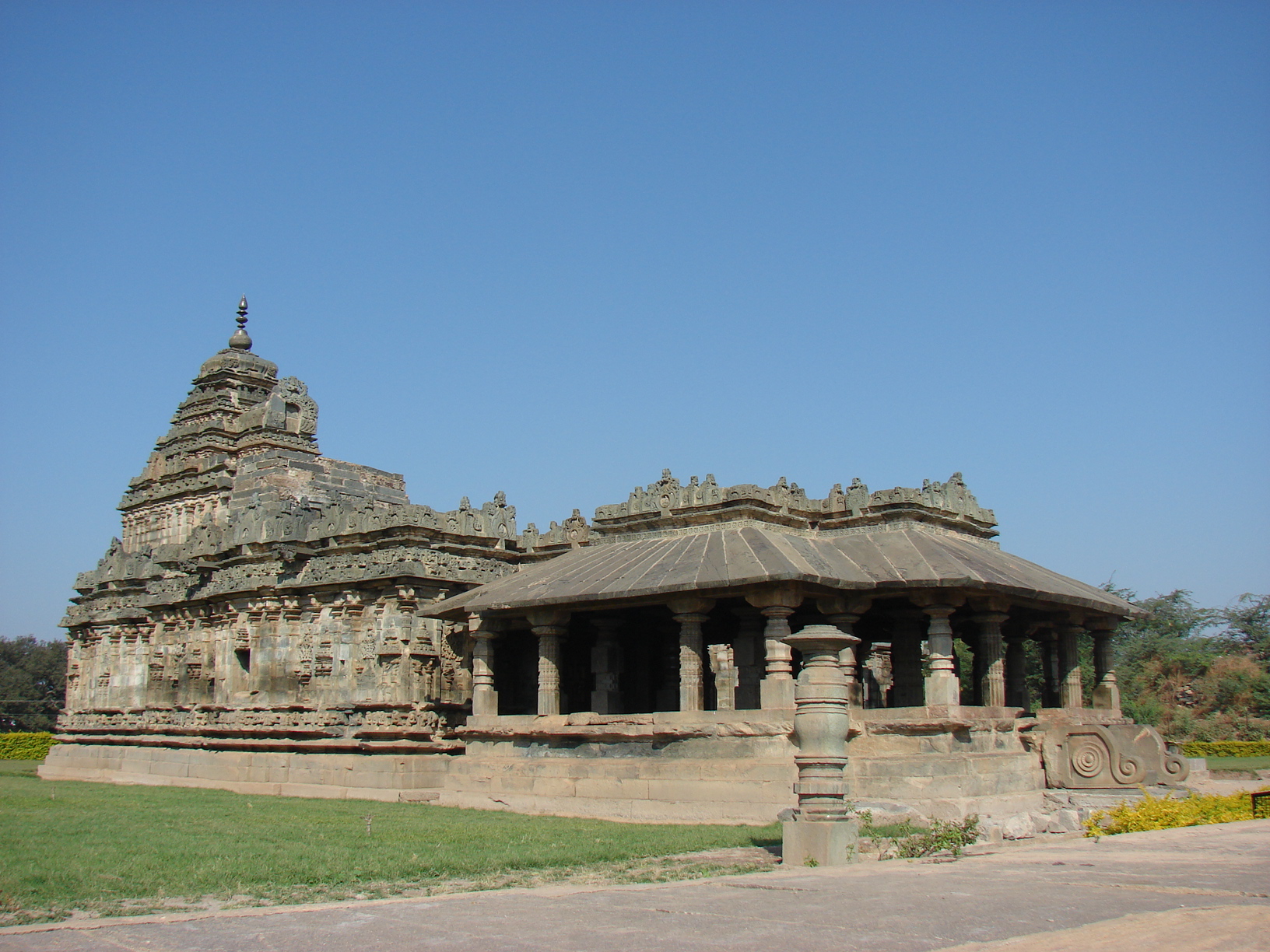
The Garbhagriha (sanctum) houses the Shiva linga, which remains the central object of worship. Connected to the sanctum is the Antarala (vestibule), a small transitional chamber leading into the larger prayer halls.
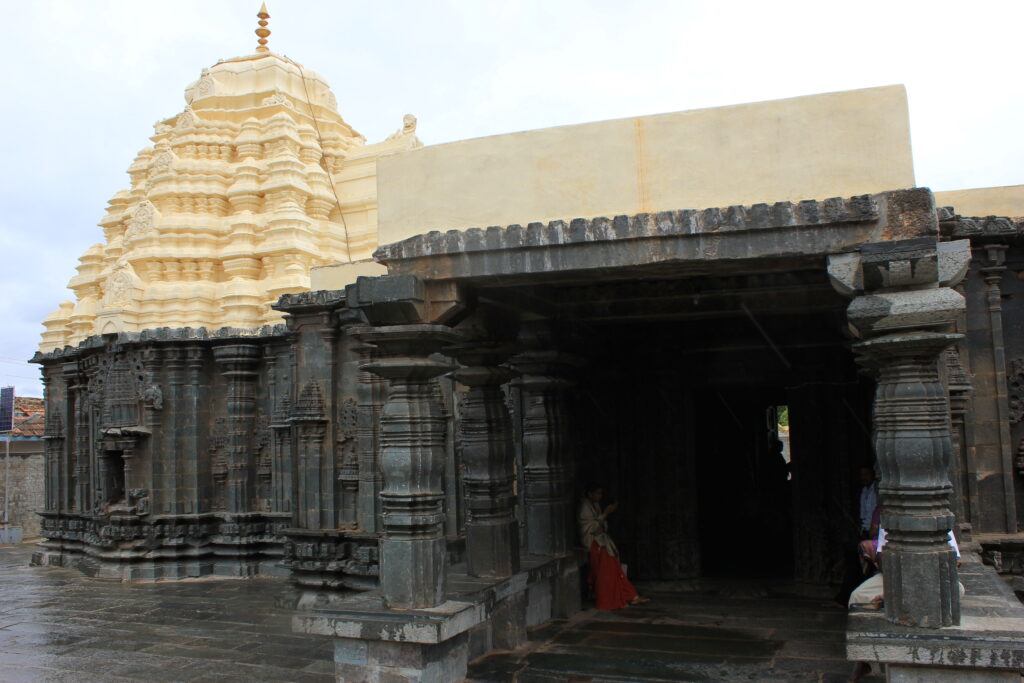
The Navaranga, or enclosed pillared hall, was designed for devotees to gather and participate in rituals. Beyond this lies the Mukhamantapa, an open entrance pavilion that welcomes visitors into the sacred complex.
The entire structure is built using soapstone, a material favored by Chalukyan craftsmen because it allowed them to carve intricate details with remarkable precision. Over time, the stone acquires a smooth, polished appearance that enhances the temple’s visual beauty.
The Magnificent Shikhara
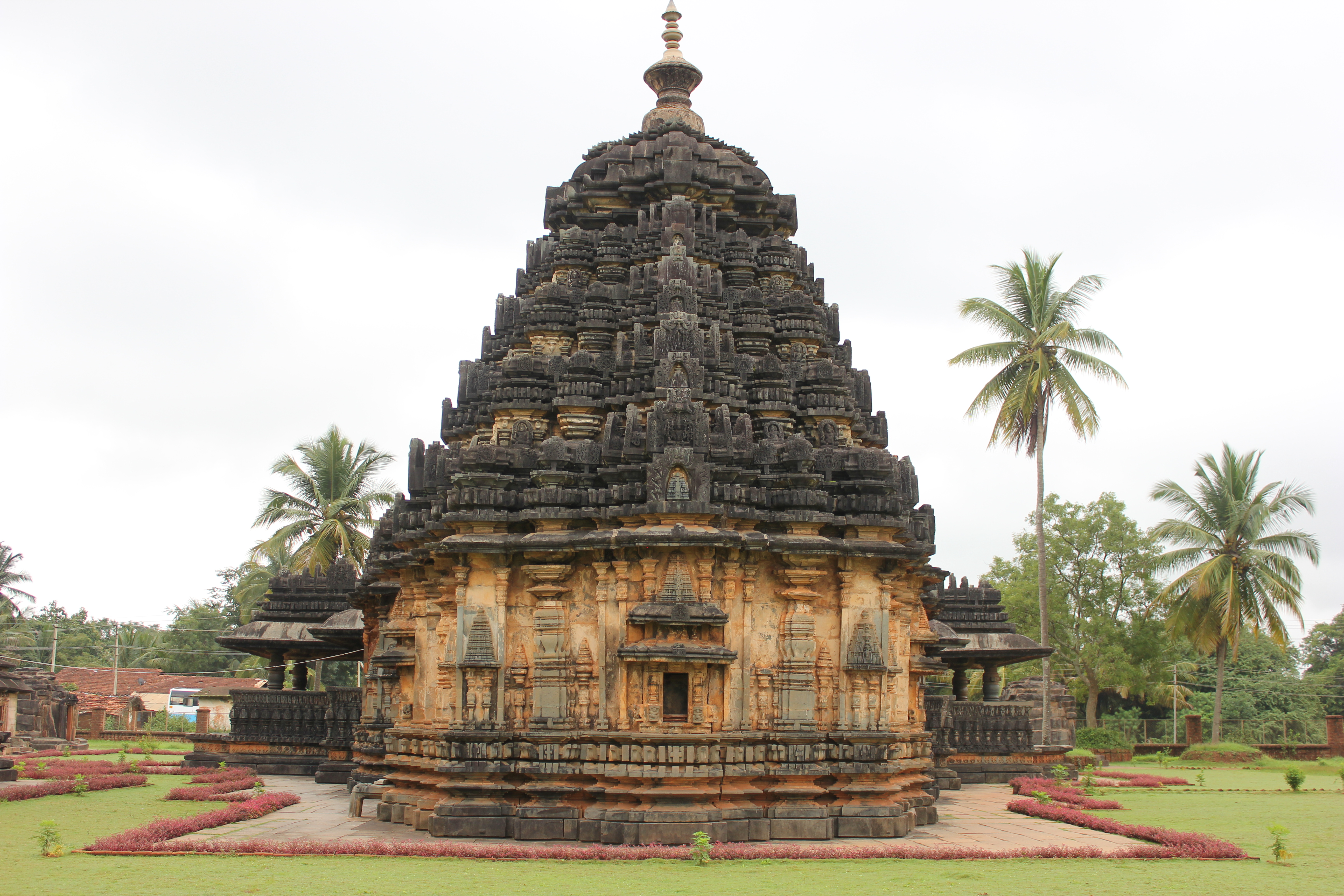
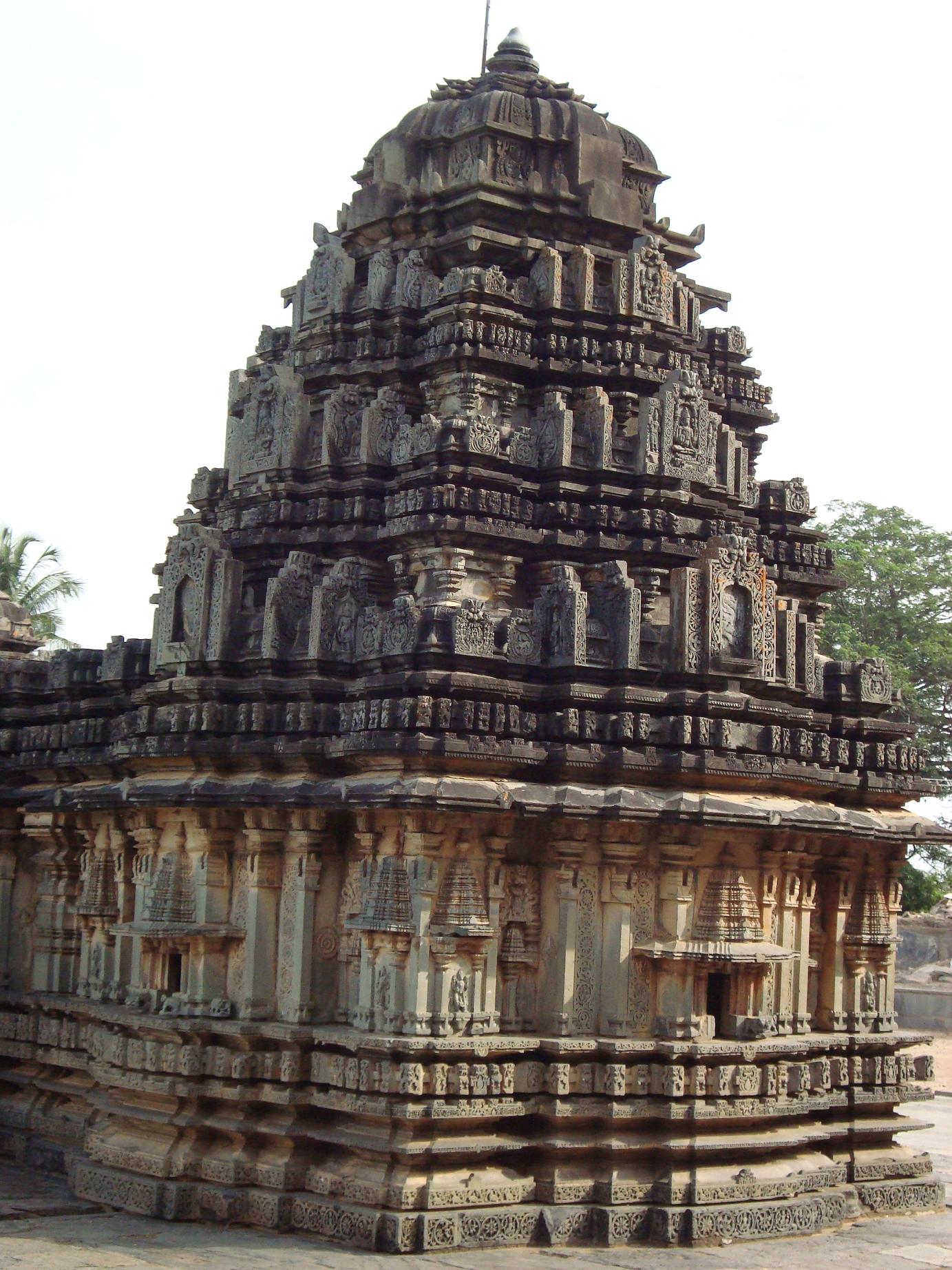
The temple’s sanctum is crowned by a beautifully proportioned Dravidian-style vimana or shikhara. Rising in a stepped pyramidal form, the tower displays the disciplined geometry typical of Western Chalukyan architecture.
Each tier of the superstructure is adorned with miniature shrine motifs and decorative carvings, creating a rhythmic vertical effect. Although not as heavily ornamented as later Hoysala temples, the shikhara possesses a dignified elegance that reflects the artistic restraint of the Chalukyan period.
Intricate Sculptural Details
The temple’s artistic beauty becomes even more evident in its sculptural decorations. The richly carved doorframes feature makara toranas, floral scrolls, and guardian figures known as dvarapalas. These carvings were intended not only for decoration but also for symbolic protection of the sacred space.
Inside the halls, the ceilings are adorned with finely carved lotus medallions and geometric designs. The craftsmanship reveals an extraordinary understanding of symmetry and spatial aesthetics.
The outer walls of the temple contain projections and recesses filled with miniature shrine-like structures. While the carvings are relatively restrained compared to the elaborate sculptures of Hoysala temples, they possess a refined elegance that gives the monument its unique identity.
Pillars and Interior Beauty
The lathe-turned pillars inside the Navaranga are among the temple’s most admired features. These polished stone pillars display smooth fluted surfaces and precise geometric forms, showcasing the technical mastery of Western Chalukyan artisans.
The interiors are designed with careful symmetry, creating an atmosphere of calmness and spiritual harmony. Light filtering through the halls gently illuminates the stone surfaces, enhancing the sacred ambiance of the temple.
Unique Features of Mallikarjuna Temple
Part of the Chalukyan Architectural Trinity
The Mallikarjuna Temple is considered one of the three greatest temples of the Western Chalukya era, alongside the Mahadeva Temple at Itagi and the Kasivisvesvara Temple at Lakkundi. Together, these monuments represent the peak of Chalukyan temple architecture.
Transitional Architectural Style
The temple is especially important because it marks a transition between Western Chalukyan and Hoysala architectural traditions. Certain design elements, including decorative experimentation and complex layouts, hint at the artistic developments that later flourished under the Hoysalas.
Elegance Through Simplicity
Unlike many later South Indian temples covered in dense sculptural ornamentation, the Mallikarjuna Temple is admired for its restraint. Its beauty lies in balanced proportions, graceful lines, and carefully controlled decorative elements.
Living Religious Heritage
Despite being centuries old, the temple continues to function as an active place of worship. Daily rituals and local festivals still take place here, preserving the temple’s spiritual relevance and cultural continuity.
Cultural and Religious Importance
For generations, the Mallikarjuna Temple has served as the spiritual heart of Kuruvatti and nearby villages. During the Chalukyan period, temples often acted as centers of education, social gatherings, music, dance, and economic activity. This temple likely played a similar role in shaping the local community.
The shrine reflects the strong Shaivite traditions that flourished under the Western Chalukyas. Even today, devotees visit the temple seeking blessings and participating in religious ceremonies dedicated to Lord Shiva.
Recognizing its historical and architectural value, the Archaeological Survey of India (ASI) has declared the temple a protected monument. Heritage enthusiasts, architecture students, photographers, and historians frequently visit the site to study its remarkable craftsmanship.
Best Time to Visit
The ideal time to visit the Mallikarjuna Temple is between October and February, when the weather in Karnataka remains pleasant and suitable for sightseeing. Early mornings and evenings are especially peaceful and allow visitors to appreciate the temple’s architecture in soft natural light.
Festival periods such as Maha Shivaratri bring additional vibrancy to the temple, with special rituals, devotional singing, and gatherings of pilgrims.
How to Reach Mallikarjuna Temple
By Road
Kuruvatti is well connected by road to nearby towns and cities. The temple is located about 10 km from Hadagali, around 50 km from Hospet, and approximately 90 km from Ballari. Buses and private taxis are available from these locations.
By Rail
The nearest major railway station is Hospet Junction, located roughly 50 km away. Hospet is connected to Bengaluru, Hubballi, Ballari, and several other cities in Karnataka.
By Air
The nearest airport is Ballari Airport, around 90 km from Kuruvatti. However, Hubballi Airport, located about 160 km away, offers better connectivity to major Indian cities.
Nearby Attractions
Visitors exploring the Mallikarjuna Temple can also discover several nearby heritage destinations in the Vijayanagara region:
- The UNESCO World Heritage ruins of Hampi.
- Tungabhadra River landscapes.
- Ancient temples of Lakkundi and Itagi.
- Anjanadri Hills.
- Vijayanagara-era monuments and forts.
These nearby attractions make the region an excellent destination for history lovers and cultural travelers.
Google Maps
FAQs
Where is the Mallikarjuna Temple located?
The temple is located in Kuruvatti village in Hadagali taluk of Vijayanagara district, Karnataka.
Which deity is worshipped in the temple?
The temple is dedicated to Lord Shiva, worshipped here in the form of Mallikarjuna.
Who built the Mallikarjuna Temple?
The temple was built during the reign of the Western Chalukyas, most likely under King Vikramaditya VI in the late 11th century CE.
Why is the temple historically important?
It is considered one of the finest examples of Western Chalukyan architecture and forms part of the celebrated Chalukyan architectural trinity along with Itagi and Lakkundi temples.
What architectural style does the temple follow?
The temple follows the Western Chalukyan architectural style with Dravidian influences and transitional features that later inspired Hoysala temple architecture.
Is the temple protected by the ASI?
Yes, the Archaeological Survey of India (ASI) recognizes and protects the temple as a monument of national importance.
What is the best time to visit the temple?
The best time to visit is from October to February when the weather is cooler and more comfortable for travel.
Are photography and sightseeing allowed?
Yes, visitors can explore and photograph the temple’s exterior and architectural details, though respectful behavior is expected within the sacred premises.