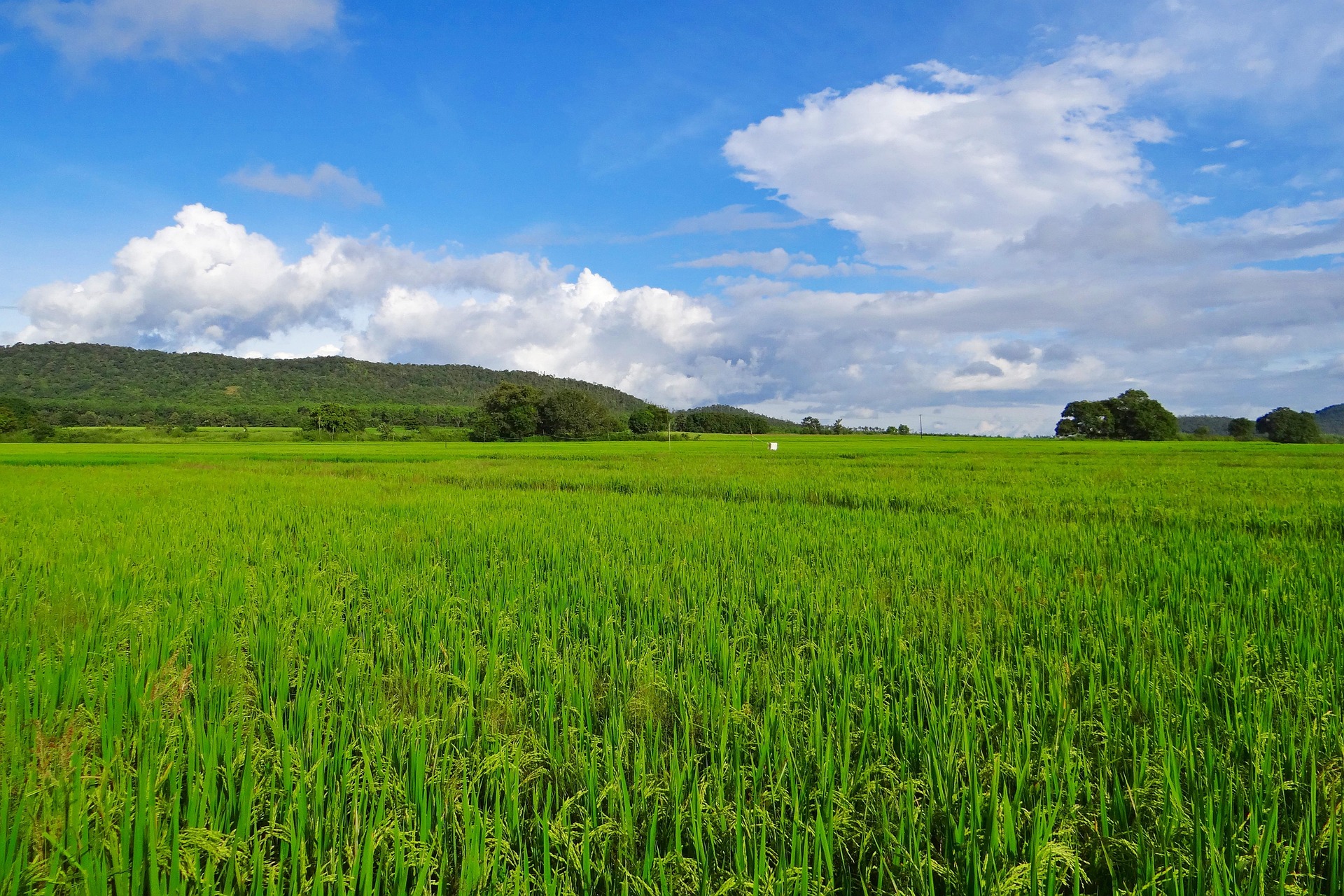
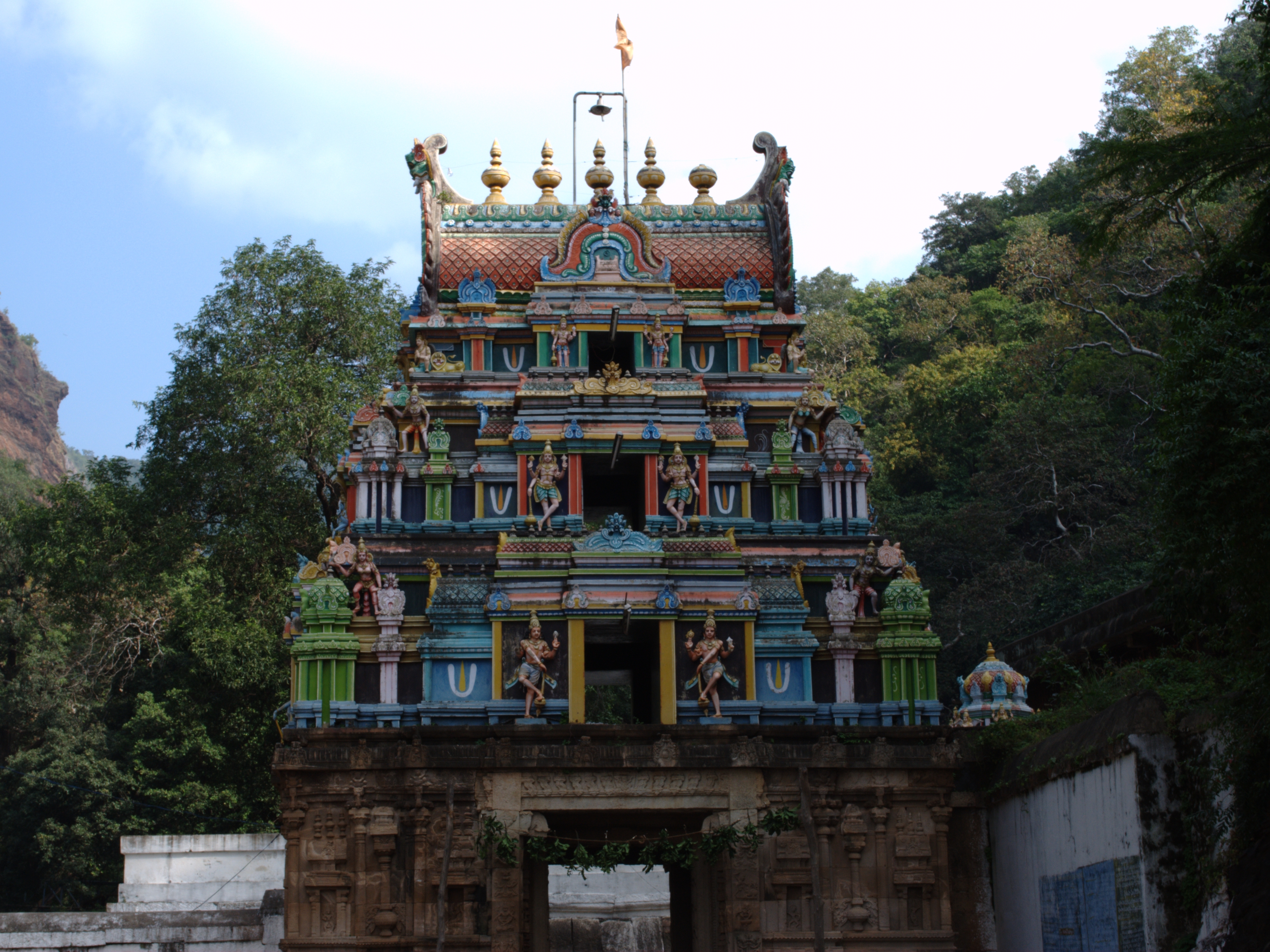
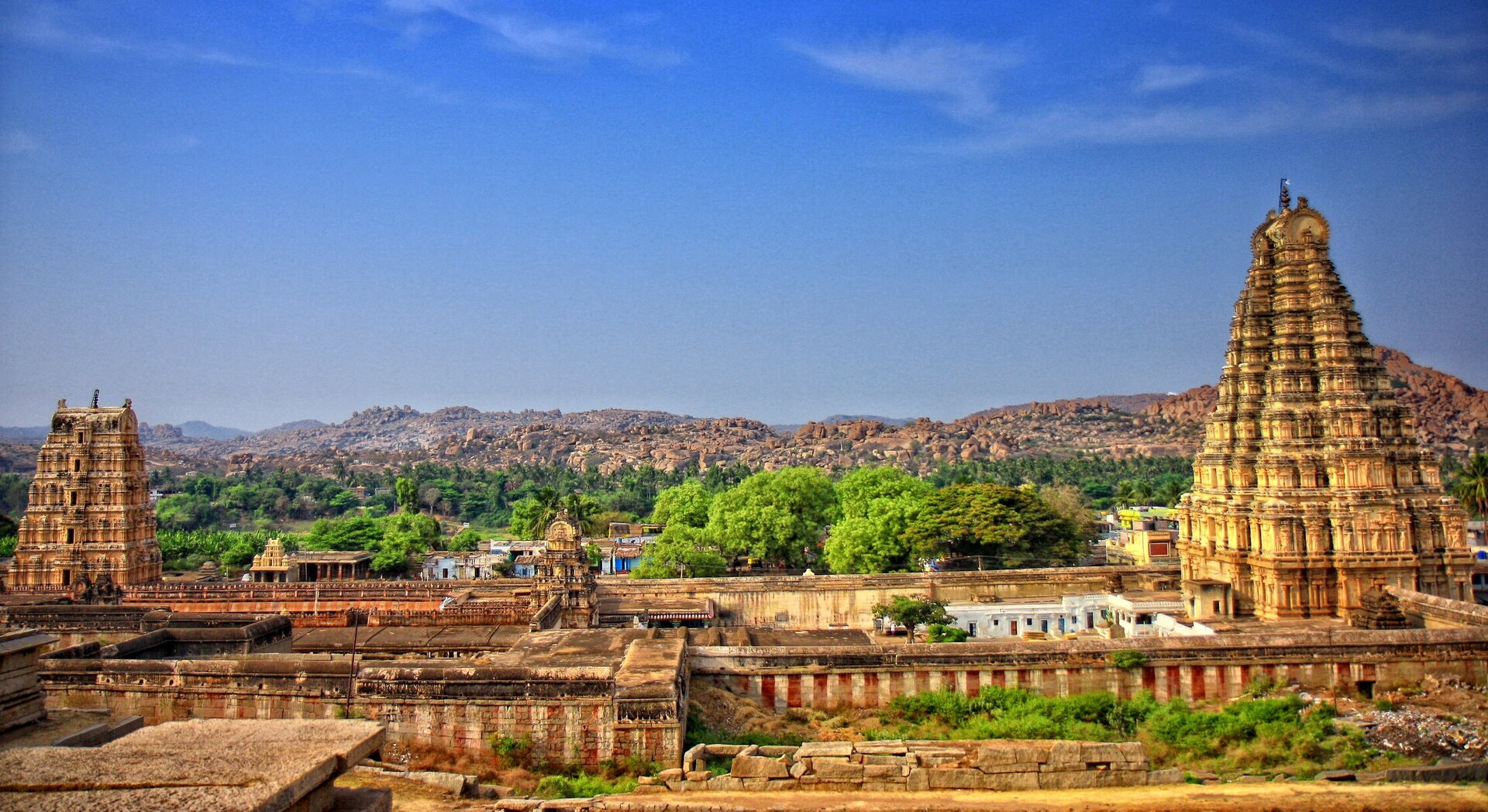
Image Source: Vijaya narasimha
About Hubli–Dharwad
Hubballi (still commonly called Hubli) and Dharwad together form one of Karnataka’s most important urban regions. Known collectively as Hubli–Dharwad, these twin cities make up the second-largest urban agglomeration in the state after Bengaluru.
Though closely connected, each city has its own role. Dharwad serves as the administrative centre, while Hubli is the commercial heartbeat of North Karnataka. Located about 20 km apart, both cities are governed by a single body—the Hubli-Dharwad Municipal Corporation—which was formed in 1962 by merging the two. This unified system has helped streamline urban planning and development across the region.
Population and Urban Landscape
According to the 2011 Census, Hubli–Dharwad has a population of around 9.4 lakh, and it is entirely urban in nature. Spread across roughly 202 sq. km, the region includes a mix of busy commercial zones, residential neighborhoods, and educational institutions.
The population reflects a rich cultural mix. Hindus form the majority, followed by a significant Muslim community, along with smaller groups of Christians and Jains. This diversity adds to the social and cultural vibrancy of the twin cities.
Economy and Industry
Hubli–Dharwad is one of the fastest-growing cities in Karnataka and an emerging industrial hub after Bengaluru. The region is home to over 1,000 small and medium-scale industries, especially in areas like Gokul Road and Tarihal.
These industries cover a wide range—machine tools, electrical equipment, steel furniture, rubber, leather, and food processing. Supporting this growth is the Karnataka Chamber of Commerce and Industry, which plays a key role in promoting trade and industry.
Agriculture also remains an important part of the economy. Through the Agricultural Produce Market Committee, farmers from nearby regions bring crops like cotton, peanuts, and chillies to market. This blend of traditional agriculture and modern industry gives Hubli a strong and balanced economic base.
Transport and Connectivity
Hubli–Dharwad is a major transportation hub in North Karnataka, with strong connectivity by air, rail, and road.
Air Connectivity
Hubli Airport connects the region to major Indian cities. It is among the busiest airports in Karnataka and has expanded under the government’s regional connectivity initiatives.
Rail Network
The city is anchored by Hubballi Junction railway station, which serves as the headquarters of the South Western Railway Zone. It’s one of the highest revenue-generating railway divisions in the country. The station is also known for developing one of the longest railway platforms in the world.
Hubli also houses a rail heritage museum that showcases its long association with Indian Railways.
Road Connectivity
Strategically located on major corridors like the Golden Quadrilateral and Asian Highway 47, Hubli enjoys excellent road connectivity. The North Western Karnataka Road Transport Corporation is headquartered here.
Modern transport initiatives like the Hubli–Dharwad Bus Rapid Transit System (BRTS) have introduced dedicated bus lanes and efficient urban mobility. Plans for a Light Rail Transit (LRT) system further highlight the region’s push toward advanced infrastructure.
Education Hub of Karnataka
Dharwad, in particular, is known as an educational centre, attracting students from across the country. Some of the key institutions include:
- Karnataka Institute of Medical Sciences (KIMS)
- Indian Institute of Technology Dharwad
- Indian Institute of Information Technology Dharwad
- KLE Technological University
- Karnataka University
- Karnataka State Law University
- University of Agricultural Sciences Dharwad
Together, these institutions have turned Hubli–Dharwad into a major hub for education, research, and innovation.
History and Culture
Hubli’s roots go back to the time of the Vijayanagara Empire, when it was an important trading centre in the Deccan region. Over time, it came under the rule of the Marathas, Tipu Sultan, and later the Mysore Kingdom.
During British rule, the city grew rapidly as a railway and commercial hub, strengthening its importance in the region.
Culturally, Hubli–Dharwad has made significant contributions to Kannada literature, music, and arts. Many renowned poets, writers, and classical musicians have emerged from this region, giving it a distinct cultural identity.
Conclusion
Hubli–Dharwad is much more than just a pair of cities—it’s a dynamic region that brings together commerce, education, history, and culture.
- A thriving business and trade centre
- A major transport and logistics hub
- A growing educational and research destination
- A place rich in heritage and cultural traditions
From its historical roots to its modern growth, Hubli–Dharwad continues to shape the future of North Karnataka.
FAQs
1. Where is Hubli–Dharwad located?
It is located in the state of Karnataka, in the northwestern part of the state.
2. Why are Hubli and Dharwad called twin cities?
They are located close to each other (about 20 km apart) and are governed by a single municipal body, functioning as one urban region.
3. What is Hubli famous for?
Hubli is known for its commercial markets, industries, transport connectivity, and as a business hub of North Karnataka.
4. Is Dharwad an educational hub?
Yes, Dharwad is home to several prestigious institutions like Indian Institute of Technology Dharwad and Karnataka University.
5. How is the connectivity in Hubli–Dharwad?
The region has excellent connectivity through Hubli Airport, major railway lines, and national highways.
6. What industries are prominent in Hubli–Dharwad?
Key industries include machine tools, electrical equipment, steel furniture, rubber, leather, and food processing.
7. What is the best time to visit Hubli–Dharwad?
The best time to visit is between October and February when the weather is pleasant.