About Kateel Durga Parameshwari Temple
Nestled amidst the serene surroundings of the Nandini River near Mangalore, the sacred Kateel Durga Parameshwari Temple is one of the most revered pilgrimage sites in coastal Karnataka. Dedicated to Goddess Durga Parameshwari, the temple attracts thousands of devotees every year who come seeking blessings, peace, and spiritual comfort. Surrounded by lush greenery and flowing river waters, the temple offers a calm and deeply devotional atmosphere that instantly makes visitors feel connected to nature and divinity.
What makes the temple truly unique is its remarkable location. According to local belief, the shrine stands in the middle of the Nandini River, and the name “Kateel” is derived from the words “Katee,” meaning center, and “Ila,” meaning land. Over time, this sacred place evolved into a major spiritual and cultural landmark in the region.
History and Spiritual Importance
The history of Kateel Durga Parameshwari Temple is closely tied to ancient legends and local folklore. Devotees believe that Goddess Durga manifested here to protect the land and its people from evil forces. Over centuries, the temple became an important center of Shakti worship in Karnataka, drawing pilgrims from across South India.
The temple is especially significant among devotees who worship the divine feminine energy, or Shakti. Many people visit the shrine to seek blessings for prosperity, protection, health, and success in life. The peaceful environment, combined with the spiritual energy of the temple, creates a deeply meditative experience for visitors.
Apart from its religious significance, the temple also plays a major role in preserving the traditions and cultural heritage of coastal Karnataka. Daily rituals, devotional music, and community gatherings continue to keep ancient customs alive.
Temple Architecture and Deities
The architecture of the temple beautifully reflects the traditional style of coastal Karnataka temples. Built with intricate carvings and traditional wooden elements, the structure carries a timeless charm. The river flowing around the temple further enhances its scenic beauty and spiritual aura.
The presiding deity, Goddess Durga Parameshwari, is depicted in a calm seated posture with four arms, symbolizing divine power, compassion, and protection. Her graceful form inspires immense devotion among worshippers.
Apart from the main deity, the temple complex also houses several important shrines dedicated to other deities, including:
Rakteswari.
Maha Ganapati.
Lord Ayyappa.
Kshetrapalas.
Nagas (serpent deities).
Each shrine has its own spiritual importance, and devotees often offer prayers to all the deities during their visit. The temple surroundings, filled with chants, lamps, and the fragrance of incense, create a soothing environment ideal for prayer and reflection.
Association with Music and Yakshagana
One of the most fascinating aspects of Kateel Durga Parameshwari Temple is its deep connection with traditional music and performing arts. It is believed that the goddess is especially fond of music and dance, and this belief gave rise to the temple’s rich cultural traditions.
The temple is widely known for promoting Yakshagana, the vibrant folk theatre form of coastal Karnataka. Yakshagana performances often narrate stories from Hindu epics and the divine exploits of Goddess Durga. These performances combine dance, music, elaborate costumes, and dramatic storytelling, making them both spiritually uplifting and culturally enriching.
Many dedicated Yakshagana troupes associated with the temple continue to preserve this centuries-old art form, attracting art lovers and devotees alike.
Festivals Celebrated at the Temple
Festivals at Kateel Durga Parameshwari Temple are celebrated with immense devotion and grandeur. During these occasions, the temple comes alive with lights, rituals, cultural performances, and devotional gatherings.
Some of the major festivals celebrated here include:
Annual Brahmakalashotsava Festival
The temple hosts a grand annual festival, usually celebrated over eight days during April. Thousands of devotees participate in the celebrations, special pujas, processions, and cultural events.
Navaratri
Navaratri is one of the most important festivals celebrated at the temple. The nine-day festival dedicated to Goddess Durga draws huge crowds of worshippers who come to seek blessings and witness elaborate rituals.
Laksha Deepotsava
Celebrated during Kartika Masa, Laksha Deepotsava is a mesmerizing festival where countless lamps illuminate the temple premises. The glowing surroundings create a magical and spiritually uplifting atmosphere.
Scenic Beauty Around the Temple
The natural beauty surrounding the temple adds greatly to its charm. The gentle flow of the Nandini River, combined with the lush greenery around the temple island, creates a peaceful retreat away from city life. Early mornings and evenings are especially beautiful, as the sounds of temple bells blend harmoniously with the calm river breeze.
Visitors often spend time simply sitting near the riverbanks, enjoying the tranquil environment and spiritual ambiance.
Temple Timings
Kateel Durga Parameshwari Temple is generally open to devotees from 6:30 AM to 8:30 PM. However, timings may vary slightly during festivals and special occasions.
Best Time to Visit
The temple can be visited throughout the year, but the months between October and March offer pleasant weather and comfortable sightseeing conditions. Visiting during Navaratri or Laksha Deepotsava allows travelers to witness the temple at its most vibrant and festive.
How to Reach
The famous Kateel Durga Parameshwari Temple is located in Kateel town, about 25 km northeast of Mangaluru in Karnataka. The temple stands on a small island in the sacred Nandini River and is one of the most revered Shakti temples in coastal Karnataka.
By Air
The nearest airport is Mangalore International Airport at Bajpe, located around 16–20 km from the temple. Taxis and private cabs are readily available from the airport to Kateel.
By Train
The nearest major railhead is Mangaluru Central Railway Station, about 25 km away. Travelers can hire taxis, auto-rickshaws, or board local buses to reach the temple.
By Road
Kateel enjoys excellent road connectivity with Mangaluru, Udupi, Karkala, and other towns of coastal Karnataka. Regular KSRTC and private buses operate from Mangaluru to Kateel throughout the day. Those driving can reach the temple in approximately 40–50 minutes from Mangaluru city.
Nearby Attractions
Polali Rajarajeshwari Temple
Located about 20 km from Kateel, this ancient temple dedicated to Goddess Rajarajeshwari is renowned for its unique clay idol and grand annual festivals. It is one of the most important Shakti shrines in the region.
Kadri Manjunath Temple
One of the oldest temples in South India dedicated to Lord Shiva, known for its bronze idols, historic architecture, and natural springs.
Tannirbhavi Beach
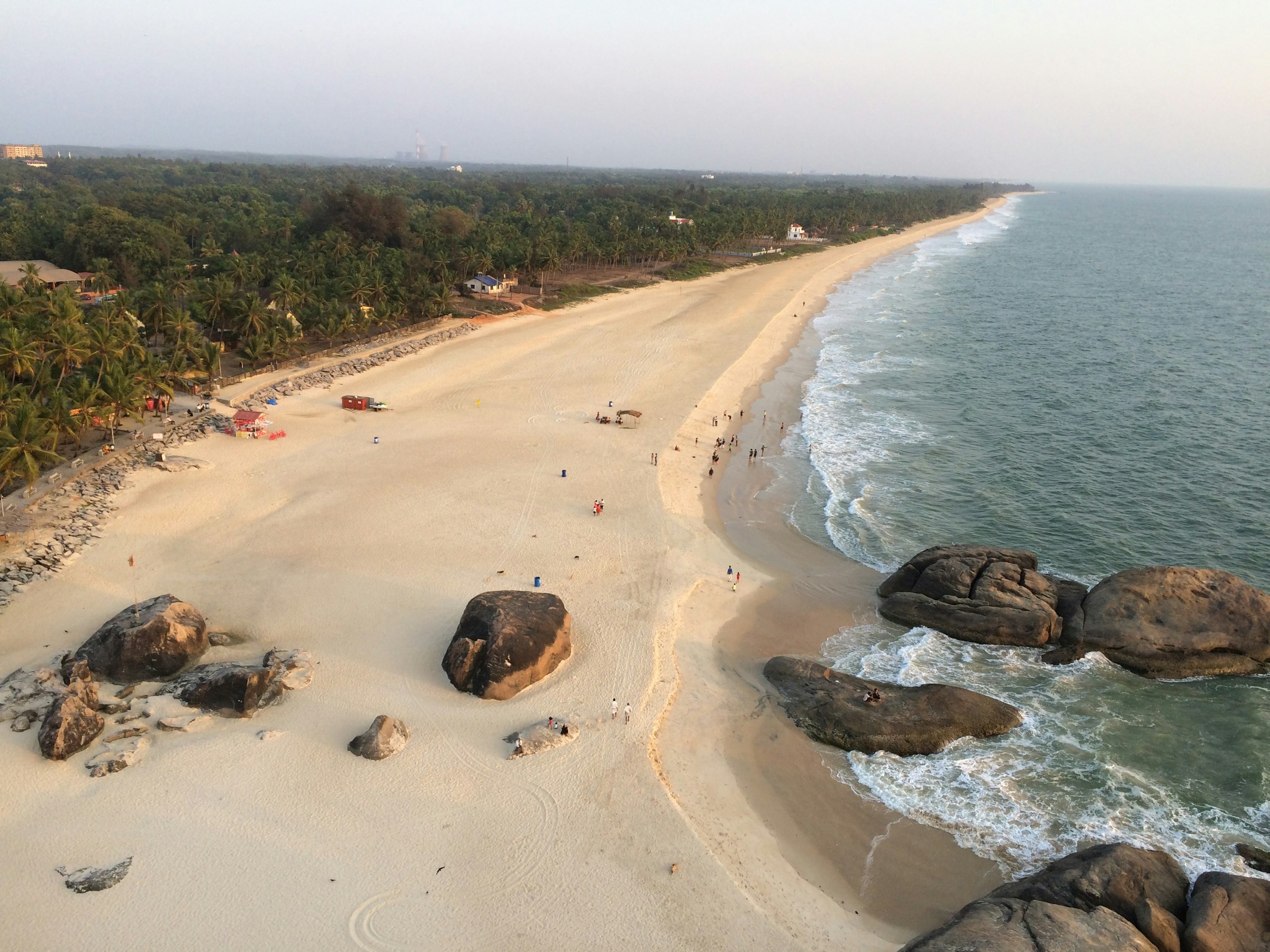
A clean and peaceful beach ideal for relaxing after a temple visit. The beach is famous for its golden sands, sunset views, and less-crowded atmosphere.
Sasihithlu Beach
Located around 17 km away, this scenic beach is popular among surfers and nature lovers. The meeting point of the river and sea creates beautiful coastal landscapes.
Kapu Lighthouse
Situated about 30 km from Kateel, this iconic lighthouse offers panoramic views of the Arabian Sea and the surrounding coastline.
Sri Krishna Temple
One of the most important Vaishnavite pilgrimage centers in India, located around 40 km from Kateel. The temple is associated with the philosopher-saint Madhvacharya.
Kudroli Gokarnanatheshwara Temple
A beautifully maintained temple complex known for its impressive architecture and vibrant Dasara celebrations.
Mangaladevi Temple
The historic temple from which the city of Mangaluru is believed to derive its name. It is an important pilgrimage site dedicated to Goddess Mangaladevi.
A visit to Kateel is often combined with Mangaluru’s temples, beaches, and cultural attractions, making it an excellent spiritual and sightseeing destination in Dakshina Kannada.
Maps and Location
Nestled at a distance of 25 kilometers from Mangalore.
FAQs
1. Where is Kateel Durga Parameshwari Temple located?
The temple is located near Mangalore in the Dakshina Kannada district of Karnataka, on an island formed by the Nandini River.
2. Why is the temple called “Kateel”?
The name “Kateel” is believed to come from the temple’s location in the middle of the river, with “Katee” meaning center.
3. What is special about the temple?
The temple is famous for its spiritual significance, scenic riverside setting, and strong connection with Yakshagana, the traditional folk theatre of Karnataka.
4. Which festivals are celebrated at the temple?
Major festivals include Navaratri, Laksha Deepotsava, and the annual eight-day temple festival held in April.
5. What are the temple timings?
The temple is usually open from 6:30 AM to 8:30 PM.
6. Is photography allowed inside the temple?
Photography may be restricted inside the main sanctum, though visitors can usually take photos in the outer premises. It is advisable to follow temple guidelines.
7. What is the best time to visit the temple?
The ideal time to visit is between October and March, especially during major festivals when the temple celebrations are at their peak.