Image Source: Dinesh Kumar
About Dharamsthala
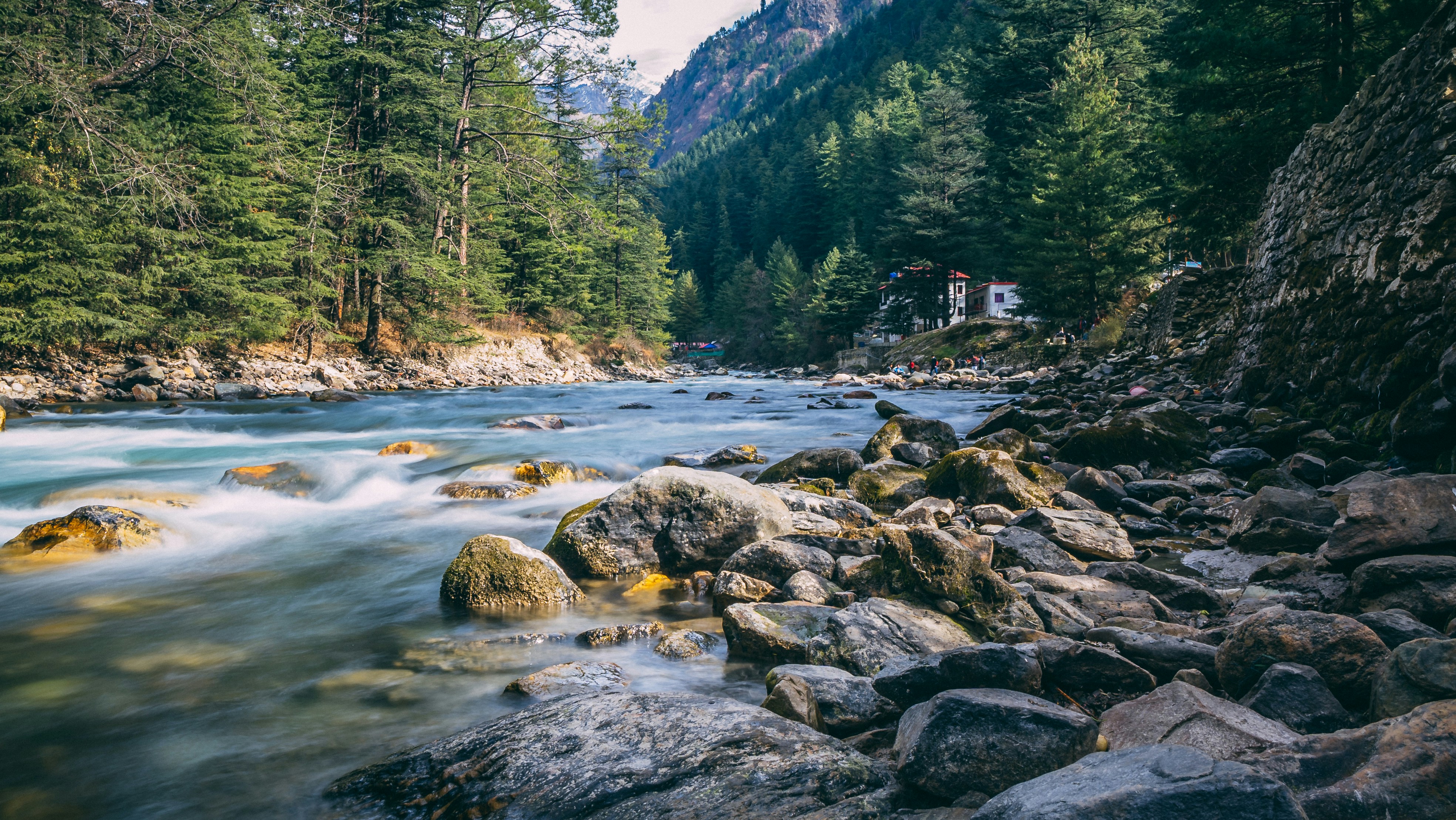
Nestled on the serene banks of the Nethravathi River in Karnataka, Dharmasthala is one of South India’s most revered pilgrimage destinations. Located around 70 kilometers from Mangaluru, this sacred town attracts millions of devotees and travelers every year. Surrounded by lush greenery and the gentle flow of the river, Dharmasthala offers a peaceful spiritual atmosphere that beautifully blends faith, culture, and tradition.
The town is well connected by road, making it easily accessible from nearby cities such as Mangaluru, Udupi, Bengaluru, and Mysuru. Pilgrims often visit not only for religious purposes but also to experience the unique harmony and hospitality that the place is known for.
History and Origin of Dharamsthala
Dharmasthala was originally known as Kuduma. The name “Dharmasthala” translates to “the place of righteousness” or “the abode of charity.” It is believed that the town received this name during the 16th century when the renowned saint Vadiraja Swami visited the region and recognized its spiritual importance.
One of the most fascinating aspects of Dharmasthala is its unique cultural and religious harmony. Although the temple is dedicated to Lord Shiva and follows Hindu traditions, it has historically been administered by a Jain family, the Heggades. This rare blend of Shaiva, Vaishnava, and Jain traditions has made Dharmasthala a symbol of communal harmony and spiritual unity.
Sri Manjunatha Temple
The heart of Dharmasthala is the famous Sri Manjunatha Temple, also known as Sri Kshetra Dharmasthala. The temple is dedicated to Lord Shiva in the form of Manjunatha or Lokeshwara. According to legend, the sacred Shiva Linga worshipped here was brought from Kadri Manjunath Temple by spiritual leaders centuries ago.
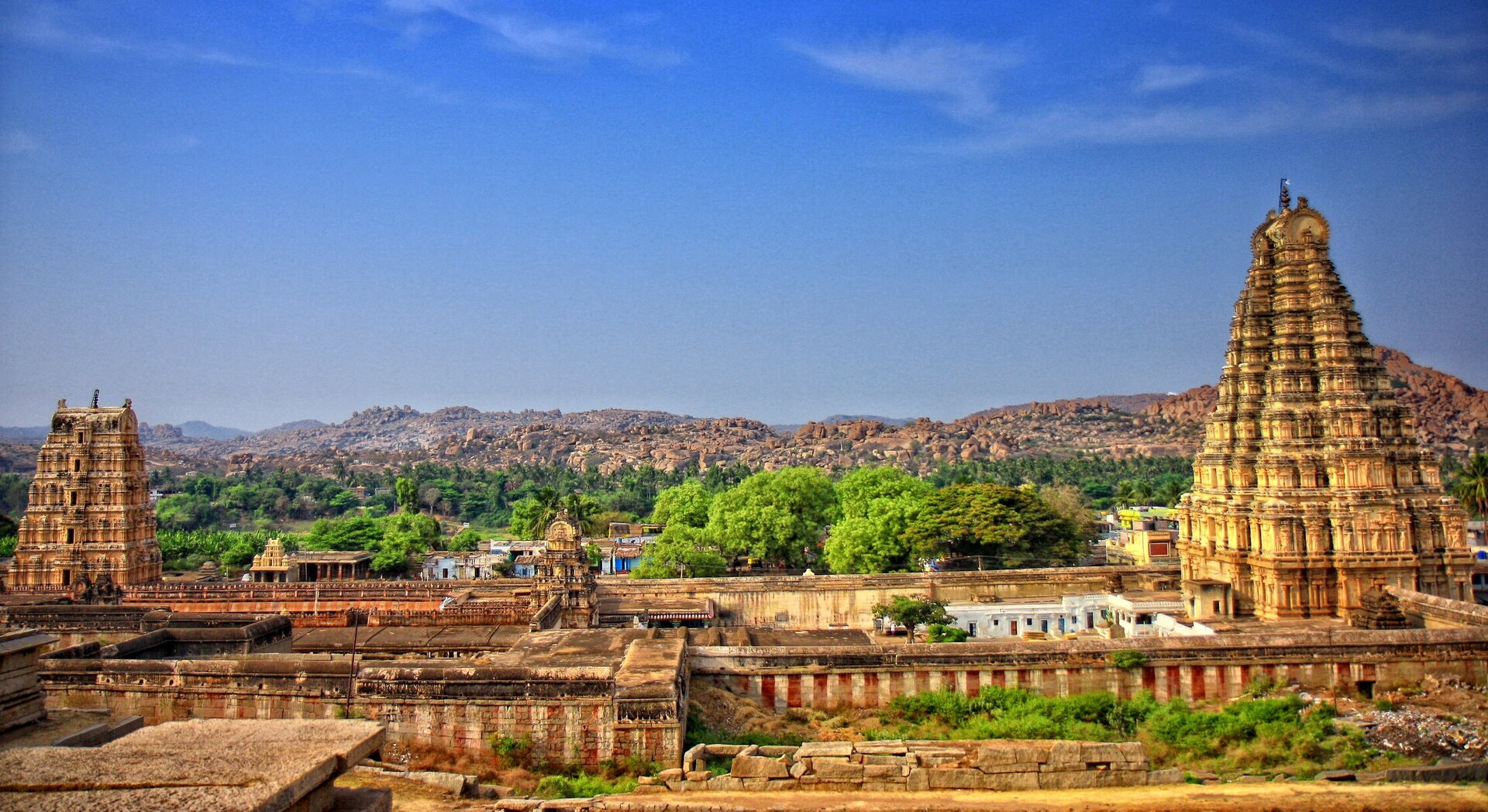
The origins of the temple are believed to date back to the 6th century, making it one of the oldest and most respected pilgrimage sites in Karnataka. The temple architecture reflects traditional South Indian design, with intricate carvings, sacred halls, and a spiritually uplifting ambiance. Every day, thousands of devotees gather here to seek blessings and participate in rituals and prayers.
The Sacred Dharma Daivas
Before entering the main Manjunatha Temple, devotees pay respects to the shrines of the four Dharma Daivas — Kalarahu, Kalarkayi, Kanyakumari, and Kumaraswamy. These guardian deities hold a special place in the spiritual traditions of Dharmasthala and are deeply connected to local beliefs and customs.
The presence of these shrines adds a mystical and traditional charm to the pilgrimage experience. Many devotees believe that worshipping these Daivas before visiting Lord Manjunatha brings spiritual protection and blessings.
Festivals Celebrated at Dharamsthala
Dharmasthala comes alive during its vibrant religious festivals. Among the most significant celebrations is the Lakshadeepotsava festival, held during the months of November and December in the Hindu month of Kartheeka Masa.
During this grand event, the temple and surrounding streets are illuminated with thousands of oil lamps, creating a breathtaking spiritual spectacle. Cultural performances, devotional music, religious rituals, and processions attract devotees from across the country. The atmosphere during Lakshadeepotsava is deeply devotional and visually mesmerizing.
Apart from this festival, several annual rituals, Rathotsava celebrations, and spiritual gatherings are organized throughout the year.
Social Welfare and Educational Contributions
Dharmasthala is not only a spiritual center but also a major hub for social service and community welfare. The temple administration actively supports charitable activities in the fields of education, healthcare, rural development, and community empowerment.
The Dharmasthala institutions have established schools, colleges, and educational programs aimed at helping underprivileged students. Free meals are served daily to thousands of pilgrims and visitors through the temple’s anna dana program, reflecting the place’s long-standing tradition of charity and service.
The temple authorities are also involved in rural self-employment programs, healthcare camps, and environmental initiatives that benefit surrounding communities.
Best Time to Visit Dharamsthala
Dharmasthala can be visited throughout the year, but the ideal time is between October and February when the weather is pleasant and suitable for sightseeing and temple visits. The monsoon season also adds natural beauty to the surrounding landscapes, although heavy rains are common in the region.
Pilgrims visiting during festival seasons can witness the town in its most vibrant and spiritual form.
Temple Timings
Visitors can enter the temple during the following hours:
- Morning: 6:30 AM to 2:30 PM.
- Evening: 5:00 PM to 8:30 PM.
It is advisable to arrive early during weekends and festival periods, as the temple often experiences large crowds.
Places to Visit Near Dharamsthala
Several attractions around Dharmasthala make the trip even more memorable. Some nearby places worth exploring include:
- Bahubali Statue – A towering monolithic statue of Lord Bahubali located on a hilltop.
- Manjusha Museum – Showcasing antique artifacts, traditional objects, and vintage collections.
- Annappa Betta – A scenic hill known for spiritual significance and panoramic views.
- Ujire – A nearby town famous for educational institutions and natural beauty.
How to Reach
By Air
The nearest airport is Mangalore International Airport, located about 70–75 km from Dharmasthala. The airport is well connected to major Indian cities such as Bengaluru, Mumbai, Chennai, Hyderabad, and Delhi. From the airport, visitors can hire taxis or take buses to reach Dharmasthala. The journey usually takes around 2 to 3 hours depending on traffic conditions.
By Train
Dharmasthala does not have its own railway station. The nearest railhead is Mangaluru Central Railway Station, approximately 75 km away. Another convenient option is Subrahmanya Road Railway Station, which is about 55 km from Dharmasthala. Taxis and buses are readily available from both stations.
By Road
Dharmasthala enjoys excellent road connectivity with major cities in Karnataka and neighboring states. Regular KSRTC and private buses operate from Bengaluru, Mangaluru, Mysuru, Udupi, and Shivamogga. The drive through the Western Ghats offers beautiful views of forests, hills, and rivers.
Reaching the Nethravathi River
The sacred Nethravathi River flows alongside Dharmasthala and can be easily accessed from the temple town. Visitors can reach the riverbanks by auto-rickshaw, taxi, or even on foot from many parts of Dharmasthala. The river is especially popular for ritual bathing and peaceful nature walks before visiting the famous Sri Manjunatha Temple.
Distance from Major Cities
- Mangaluru – approximately 75 km.
- Bengaluru – approximately 300 km.
- Udupi – approximately 110 km.
- Mysuru – approximately 250 km.
- Hassan – approximately 150 km.
Maps and Location of Dharamsthala
FAQs
1. Why is Dharamsthala famous?
Dharmasthala is famous for the Sri Manjunatha Temple, its spiritual significance, religious harmony, charitable activities, and beautiful surroundings along the Nethravathi River.
2. Which deity is worshipped in Dharmasthala?
Lord Shiva is worshipped here in the form of Manjunatha or Lokeshwara.
3. What is the best time to visit Dharamsthala?
The best time to visit is from October to February when the weather remains pleasant.
4. How far is Dharamsthala from Mangaluru?
Dharmasthala is located around 70 kilometers from Mangaluru and is well connected by road.
5. What is Lakshadeepotsava?
Lakshadeepotsava is a grand festival celebrated with thousands of oil lamps, devotional rituals, and cultural events during Kartheeka Masa.
6. Are there accommodation facilities available in Dharamsthala?
Yes, Dharamsthala offers several guest houses, lodges, and temple-managed accommodations for pilgrims and tourists.
7. Is photography allowed inside the temple?
Photography is generally restricted inside the main temple premises, though visitors can take photos in surrounding areas.
8. What are the temple opening hours?
The temple is open from 6:30 AM to 2:30 PM and again from 5:00 PM to 8:30 PM.