Image Source: Sanjitech
Introduction
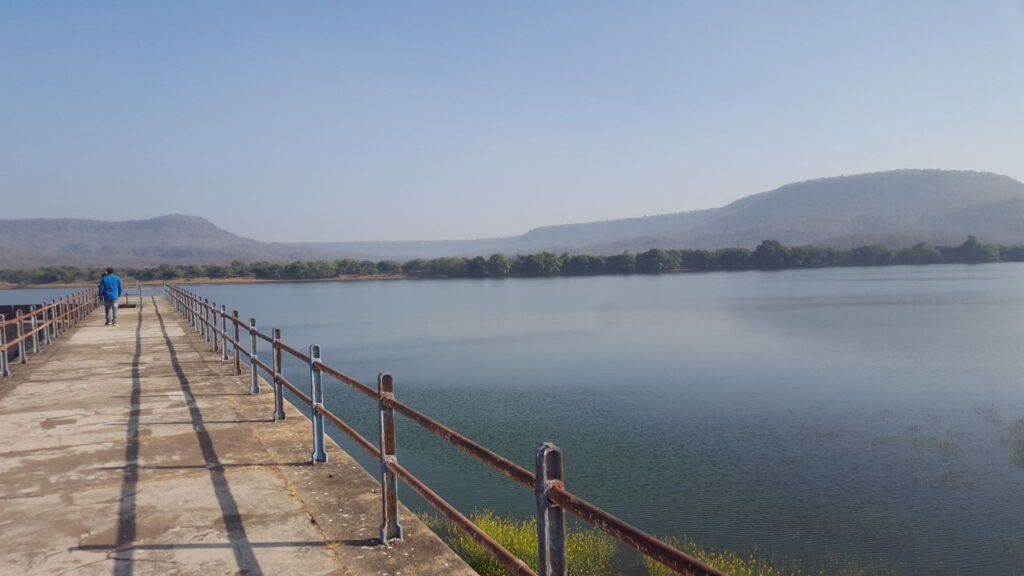
Gangau Dam is a quiet yet historically rich water reservoir located near Khajuraho in the Chhatarpur district of Madhya Pradesh. Nestled deep within the forested landscape close to Panna Tiger Reserve, this century-old dam offers a rare combination of colonial engineering, river geography, wildlife surroundings, and scenic beauty. Unlike crowded tourist spots, Gangau Dam appeals to travelers seeking peaceful natural settings, offbeat destinations, and heritage linked with nature.
Surrounded by dense forests and flowing rivers, Gangau Dam is increasingly attracting nature lovers, photographers, bird watchers, and travelers exploring Khajuraho and Panna beyond temples and safaris.
Geographical Location and Natural Setting
Gangau Dam is situated at the meeting point of the Ken River and the Simiri River, forming a small yet picturesque reservoir. This confluence lies within the Vindhya Range region, known for its rocky plateaus, gentle hills, and forest corridors. The dam is located around twenty-nine kilometers from Khajuraho and approximately fifty kilometers from Panna town.
The surrounding geography is dominated by mixed deciduous forests, grasslands, and riverine ecosystems that form part of the buffer zone of Panna Tiger Reserve. The area experiences a tropical climate with hot summers, a lush monsoon season, and pleasant winters, making it ideal for nature-based tourism.
Because of its location near protected forest land, the region around Gangau Dam supports diverse flora and fauna. Seasonal water availability attracts birds, while the nearby forests sustain deer, reptiles, and occasionally larger wildlife species.
A Marvelous Relic from the British Era
Gangau Dam was constructed during the British colonial period between the years nineteen hundred nine and nineteen hundred fifteen. It was built as part of early twentieth-century water management efforts aimed at controlling river flow and supporting irrigation in nearby agricultural regions.
The dam stands as an example of colonial-era engineering adapted to local river geography. One of its most notable historical features is the long tunnel structure that runs through the dam, which was used to regulate water flow. This tunnel remains one of the most intriguing aspects of the site and draws curiosity from visitors even today.
Over time, with changes in water management systems and the rise of modern dams elsewhere, Gangau Dam gradually lost its operational importance. However, instead of falling into neglect, the site became naturally integrated into the surrounding forest ecosystem, giving it a new identity as a scenic and recreational location.
Ecological Importance and Surroundings
Gangau Dam lies close to forest zones that later became part of Panna National Park and Panna Tiger Reserve. As a result, the area plays a subtle yet important role in supporting wildlife habitats and maintaining regional biodiversity.
The reservoir attracts several resident and migratory bird species, particularly during the winter months. The combination of water bodies, forest edges, and open clearings makes it an excellent spot for bird watching and nature observation. The calm environment and absence of heavy tourist traffic enhance the overall ecological experience.
Adventure and Water Sports
Gangau Dam is a hub of water sports activities. The dam’s strategic position on the confluence of rivers gives rise to the reservoir. Boating expeditions and other activities offer adventure enthusiasts solace in their exhilarating experiences.
Agricultural Prosperity
The dam has become a source of agricultural prosperity for the locals. Irrigation facilities are used to cultivate the land and harness its fertile potential. Multiple crops are grown in the verdant landscapes surrounding the dam
Unforgettable Experiences at Gangau Dam
The best season to visit the Gangau Dam is during the monsoon season, when the water in the dam is at its peak. The entire region is covered with lush green, giving it a spellbound aura. Do remember to check the local weather conditions and plan accordingly. Capture the stunning landscape with your camera.
Best Time to Visit Gangau Dam
The best time to visit Gangau Dam is from October to February, when the weather is pleasant and the surrounding forests are at their greenest. This period is also ideal for bird watching and photography.
The monsoon season from July to September fills the reservoir and enhances the scenic appeal, though travel may require caution due to slippery terrain. Summers can be hot, but early morning visits still offer a calm and enjoyable experience.
Top Things to Do
Picnic by the Water
Bring some snacks to enjoy open spots along the dam. The dam is perfect for having a picnic beside the calm water and beautiful views.
Photography
Gangau Dam is a visual treat for landscape photographers. In monsoon dramatic skies, golden hues at sunrise and misty mornings are different shades of colors offered to the visitors.
Birdwatching
Wetlands around the dam attract various kinds of bird species, especially in the winter. The place is heaven for bird lovers that might spot kingfishers, herons, and even vultures soaring overhead.
Explore Panna Tiger Reserve (Nearby)
The dam is situated within the buffer zone of the Panna Tiger Reserve. Include in your itinerary a safari tour or visit Raneh Falls, which is just a few kilometers away.
Boating (Seasonal)
The reservoir of the dam is ideal for doing boating activities. Visitors enjoy it after the monsoon season when the reservoir is flowing at full capacity. Especially around sunrise or sunset.
How to Reach Gangau Dam
Reaching from Khajuraho
Gangau Dam is located about twenty-nine kilometers from Khajuraho. Travelers can hire a taxi or use a private vehicle for the journey, which takes approximately forty-five minutes to one hour. The route passes through forested and rural areas, adding to the travel experience.
Reaching from Panna
From Panna town, Gangau Dam is roughly fifty kilometers away. The journey involves driving through forest roads and villages. Taxis and safari vehicles are commonly used for this route.
Public Transport Options
There is no direct public bus service to Gangau Dam due to its forest location. Visitors usually rely on private taxis, rented vehicles, or guided tours from Khajuraho or Panna.
Nearby Attractions to Gangau Dam
Panna National Park
One of the most popular attractions near Gangau Dam, Panna National Park is known for its rich wildlife, including tigers, leopards, deer, and numerous bird species. The park’s scenic forests and river landscapes make it a favorite destination for nature lovers and wildlife enthusiasts.
Raneh Falls
Located on the Ken River, Raneh Falls is famous for its spectacular canyon formed from colorful granite rocks. During and after the monsoon season, the waterfall creates a breathtaking natural spectacle.
Ken Gharial Sanctuary
Situated along the Ken River, this sanctuary is home to the endangered gharial and several species of aquatic wildlife. Visitors can enjoy the serene river scenery and spot various birds and reptiles.
Pandav Falls
A picturesque waterfall surrounded by lush greenery, Pandav Falls is associated with legends from the Mahabharata. The site also features caves believed to have been used by the Pandavas during their exile.
Pandav Caves
Located near Pandav Falls, these ancient caves hold historical and mythological significance and offer visitors a chance to explore the region’s cultural heritage.
Khajuraho Group of Monuments
About an hour’s drive from Gangau Dam, the UNESCO World Heritage temples of Khajuraho are renowned worldwide for their magnificent architecture, intricate sculptures, and historical importance.
Panna Diamond Mines
Panna is India’s only active diamond-producing region. Visitors interested in geology and mining history can learn about the area’s famous diamond heritage.
Jugal Kishore Ji Temple
A revered temple dedicated to Lord Krishna, this historic shrine is an important pilgrimage site in Panna and is known for its peaceful spiritual atmosphere.
Brihaspati Kund Waterfall
A stunning natural waterfall surrounded by rocky cliffs and dense vegetation. The site is especially beautiful during the monsoon and post-monsoon seasons.
Ajaygarh Fort
This historic hilltop fort offers panoramic views of the surrounding landscape and provides a fascinating glimpse into the region’s medieval history.
These attractions can easily be combined with a visit to Gangau Dam, making the area an excellent destination for nature, wildlife, history, and photography enthusiasts.
Location
FAQS
- Q: Where is Gangau Dam located in Madhya Pradesh
Gangau Dam is located near Khajuraho in the Chhatarpur district of Madhya Pradesh. It lies close to the confluence of the Ken River and Simiri River and is situated near the forested buffer zone of Panna Tiger Reserve.
- Q: Why is Gangau Dam famous ?
Gangau Dam is known for its British era history, scenic reservoir, and natural surroundings within the Vindhya range. It is also famous for its historic tunnel structure, peaceful environment, and proximity to popular destinations like the Khajuraho temples and Panna National Park.
- Q: What is the best time to visit Gangau Dam ?
The best time to visit Gangau Dam is from October to February, when the weather is pleasant and the surrounding forests are lush. The post-monsoon season is ideal for photography, bird watching, and enjoying the natural landscape.
- Q: How can tourists reach Gangau Dam from Khajuraho
Tourists can reach Gangau Dam from Khajuraho by hiring a taxi or using a private vehicle. The distance is about twenty nine kilometers, and the drive usually takes around forty-five minutes to one hour through rural and forested roads.
- Q: Is Gangau Dam suitable for nature and wildlife lovers
Yes, Gangau Dam is an excellent destination for nature lovers, bird watchers, and ecotourism enthusiasts. Its location near Panna Tiger Reserve supports diverse flora and fauna, making it ideal for peaceful nature exploration and wildlife observation.