Image Source: Dr. Akhilesh A. Waoo
About Jyotiba Temple
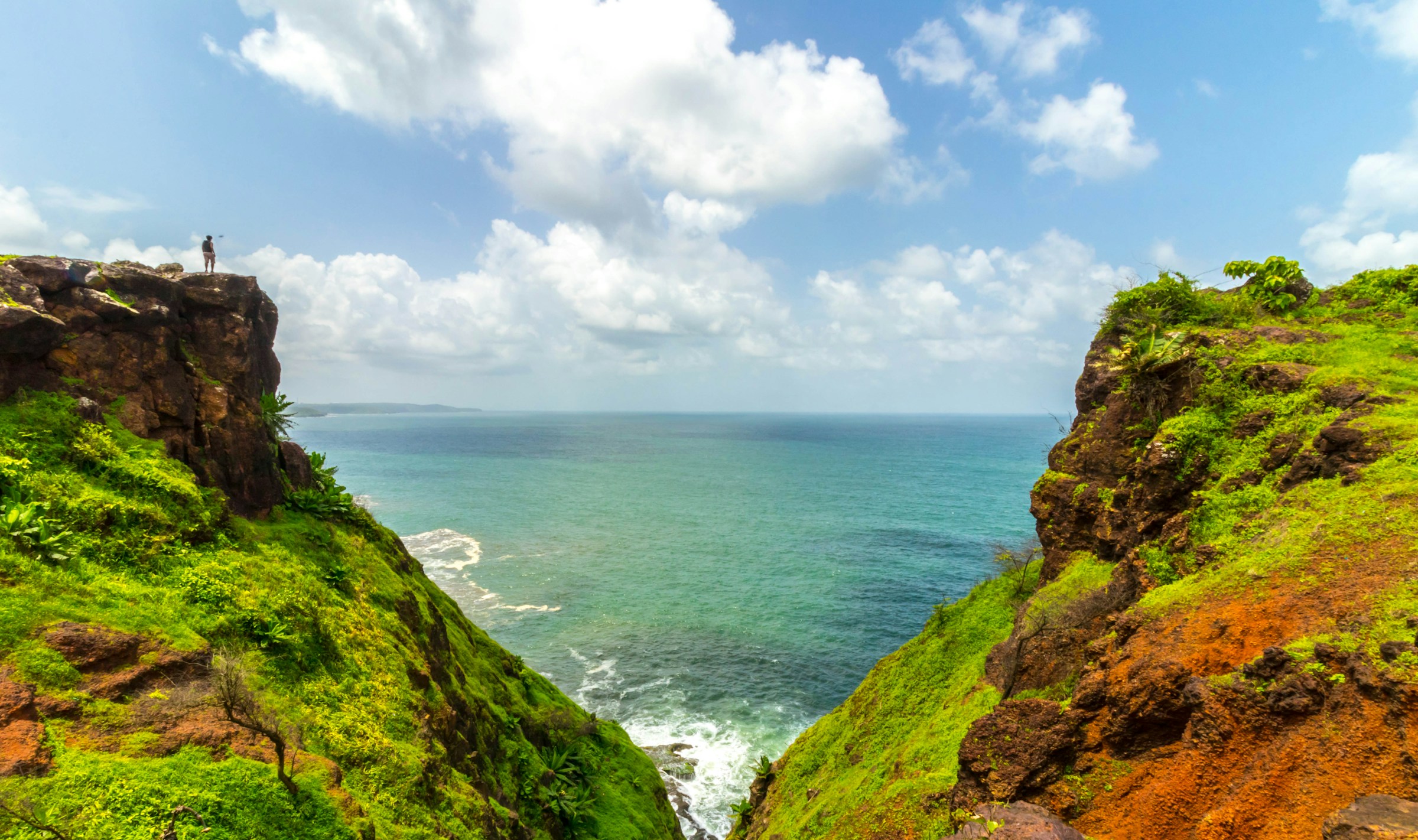
At an altitude of 3124 feet, Jyotiba Temple is one of Maharashtra’s most revered pilgrimage sites. It is situated amidst the hills of Wadi Ratnagiri , around 18 km from Kolhapur.
The temple is dedicated to Jyotiba , a manifestation of Lord Shiva. Devotees from all over India draw to the temple for a serene environment, scenic views, and a unique cultural experience. Locals believed that Jyotiba, in his divine form, continues to protect the surrounding areas from evil forces, making the temple a symbol of faith and protection for devotees.
Mythological Significance
According to legend, Jyotiba is believed to be an incarnation of Brahma, Vishnu, and Mahesh . He was born to destroy the demon brothers Ratnasur and Raktabhoj , who terrorised the region. Goddess Mahalakshmi , the presiding deity of Kolhapur, sought the help of Jyotiba in defeating the demons. With his immense power, Jyotiba fought and killed them, thereby restoring peace and divinity in the region.
Historical Background
The construction of the temple dates back to the early 18th century , built by Naga Baba , a devotee of Jyotiba. Over the time period, various rulers and devotees have contributed to the temple’s development.
Architectural Features
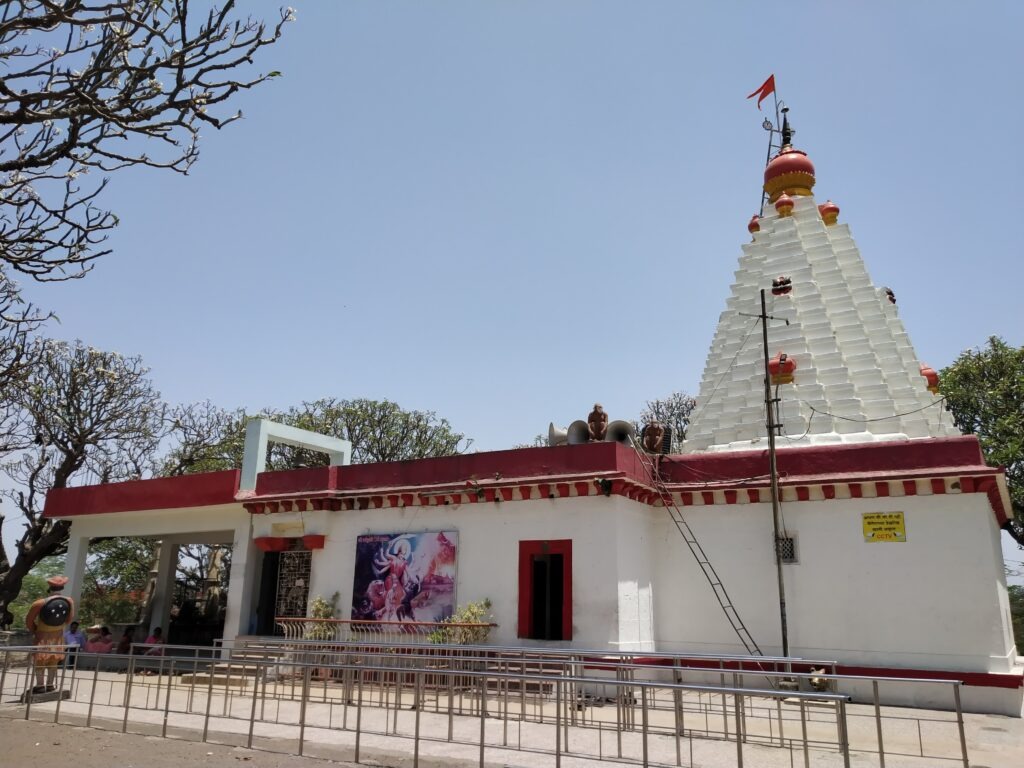
The Jyotiba temple features a blend of Hemadpanti and Deccan styles. Its walls and pillars are adorned with carvings depicting mythological stories, floral motifs, and intricate geometric patterns.The use of locally sourced limestone reflects a distinct pink colour.
Main Temple Complex
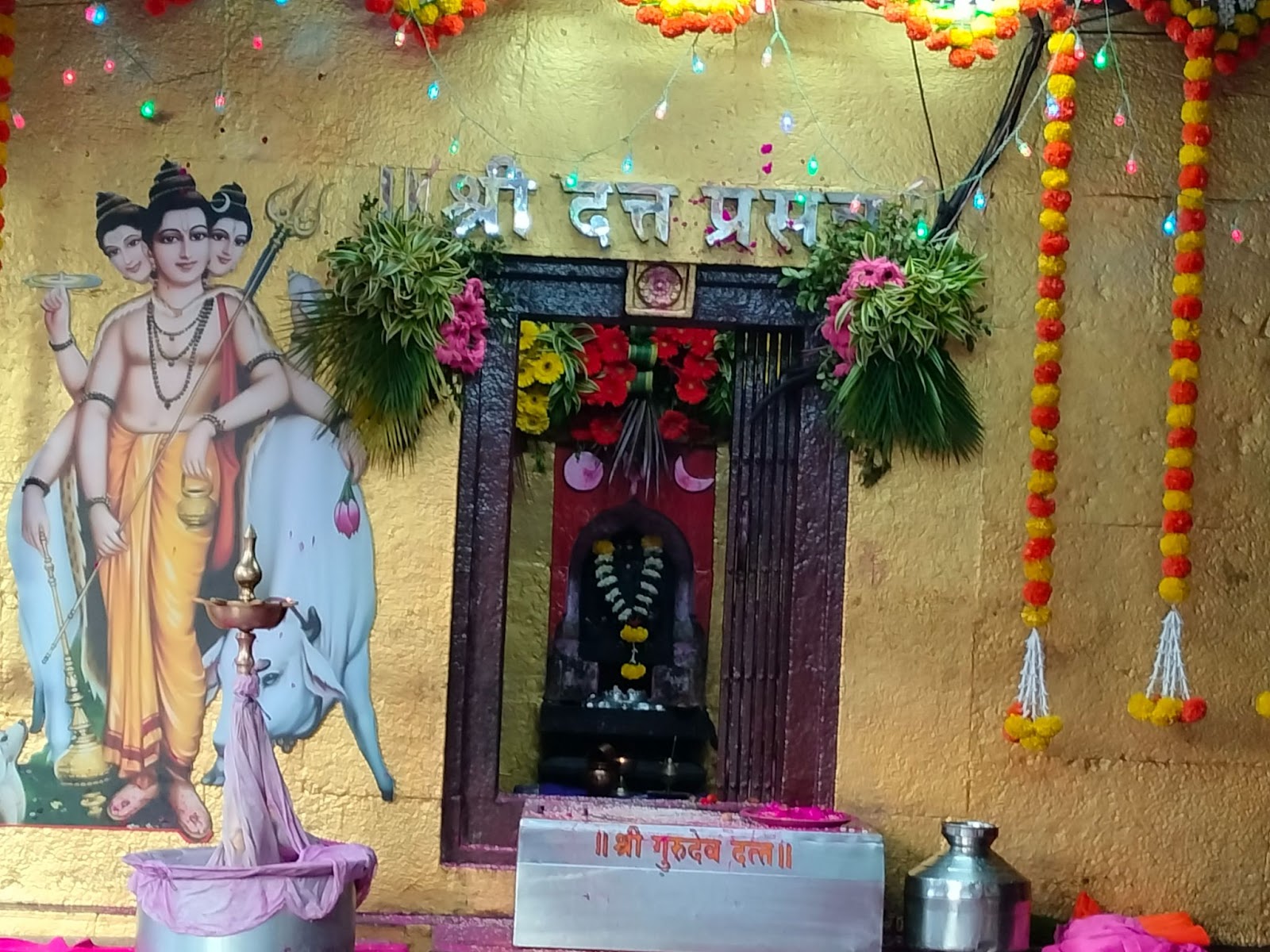
The main temple complex consists of a large courtyard and three distinct shrines dedicated to Jyotiba, Goddess Yamai, and Lord Kedareshwar. Inside the main sanctum, the idol of Jyotiba is adorned with ornaments and weapons, symbolising his warrior aspect.
Shikhara (Spire)
The temple’s shikhara rises are intricately carved with images of gods, goddesses, and celestial beings. Majestically against the backdrop of the hills, it showcases the craftsmanship of the era.
Deepamala (Lamp Towers)
Creating spectacular sights, the temple’s tall deepamalas (lamp towers) are during this festival.
Festivals and Celebrations
Celebrated in the Hindu month of Chaitra (March-April), the temple premises are covered with gulal (pink powder) as an offering to Jyotiba. During this festival, thousands of devotees gather to pay offerings in the grand procession.
Dussehra
Another important occasion is Dussehra , when devotees offer prayers and seek blessings for prosperity and protection.
How to Reach Jyotiba Temple
By Road:
Kolhapur is well-connected by road, and regular buses and taxis are available from Kolhapur city to Jyotiba Temple.
By Rail:
The nearest railway station is Kolhapur Railway Station , about 18 km from the temple.
By Air:
The nearest airport is Kolhapur Airport , located around 30 km from the temple. Pune Airport, about 230 km away, is a better option for travellers from distant cities.
Nearby Attractions
1. Mahalaxmi Temple
Located about 18–20 km from Jyotiba Temple, this famous shrine dedicated to Goddess Mahalakshmi is one of Maharashtra’s most revered pilgrimage sites. Many devotees traditionally visit Jyotiba Temple before seeking blessings at Mahalakshmi Temple.
2. Panhala Fort
One of the largest and most historically significant forts in Maharashtra, Panhala Fort offers stunning views, impressive architecture, and fascinating stories from the era of Chhatrapati Shivaji Maharaj.
3. Rankala Lake
A popular recreational spot in Kolhapur, Rankala Lake is known for its scenic promenade, boating opportunities, and beautiful sunset views. It is a great place to relax after a temple visit.
4. New Palace Museum
This magnificent palace showcases the royal heritage of Kolhapur and houses an impressive collection of artifacts, weapons, photographs, and memorabilia of the Bhosale dynasty.
5. Kaneri Math
A spiritual and cultural center known for its peaceful atmosphere, traditional architecture, and educational initiatives, making it a worthwhile stop for visitors interested in spirituality and heritage.
6. Radhanagari Wildlife Sanctuary
Nature lovers can explore this sanctuary, which is home to diverse flora and fauna, including the Indian bison (gaur), along with lush forests and scenic landscapes.
Maps and Location
FAQs
1. Where is Jyotiba Temple located?
Jyotiba Temple is situated on Wadi Ratnagiri hill in Kolhapur district, Maharashtra, approximately 18 km northwest of Kolhapur city.
2. Who is the presiding deity of the temple?
The temple is dedicated to Lord Jyotiba, who is believed to be a divine manifestation associated with Brahma, Vishnu, and Mahesh (Shiva).
3. What is the best time to visit Jyotiba Temple?
The temple can be visited throughout the year, but the monsoon and winter seasons offer pleasant weather and beautiful hilltop views. Early mornings are generally less crowded.
4. Why is the temple famous for pink-colored gulal?
During the annual Chaitra Yatra and other religious celebrations, devotees shower pink gulal (colored powder) as an expression of devotion, creating a unique and vibrant atmosphere around the temple.
5. Is parking available at the temple?
Yes, parking facilities are available near the temple premises, making it convenient for visitors traveling by private vehicles.
6. How much time is required for a visit?
Most visitors spend between 1 and 2 hours exploring the temple complex, offering prayers, and enjoying the panoramic views from the hilltop.
7. Can Jyotiba Temple and Mahalaxmi Temple be visited on the same day?
Yes, both temples can comfortably be covered in a single day, and many pilgrims follow the traditional practice of visiting Jyotiba Temple before proceeding to Mahalaxmi Temple in Kolhapur.
8. Is Jyotiba Temple suitable for elderly visitors?
Yes. Unlike many hilltop temples, Jyotiba Temple is accessible by motorable road, allowing vehicles to reach close to the temple complex.