Image Source: pradip vasoya
About Devil’s Kitchen
Tucked beneath the massive Table Land plateau in Panchgani, Devil’s Kitchen is one of the most mysterious and fascinating natural attractions in Maharashtra’s Satara district. Unlike the typical hill station viewpoints crowded with tourists, this hidden spot offers a more rugged and adventurous experience. Known for its deep rock fissures, narrow cave-like passages, and dramatic volcanic formations, Devil’s Kitchen attracts travelers who enjoy exploring unusual landscapes and hidden corners of nature.
Surrounded by the scenic beauty of the Western Ghats, the place carries an eerie charm, especially during early mornings and evenings when shadows fill the rocky chambers. The combination of mythology, geology, and wilderness makes Devil’s Kitchen one of Panchgani’s most intriguing offbeat destinations.
Geographical Importance and Natural Formation
Devil’s Kitchen lies along the southern edge of Table Land, which is considered one of Asia’s largest laterite plateaus. This region was formed millions of years ago through volcanic activity that shaped much of the Western Ghats. Over centuries, erosion, rainwater, and weathering gradually carved cracks, tunnels, and deep crevices into the laterite rock, creating the cave-like structures seen today.
The rocks found here are mainly laterite — a reddish, iron-rich volcanic rock common in the hill stations of Panchgani and Mahabaleshwar. Since Devil’s Kitchen sits slightly below the plateau level, it remains cooler and darker than the open surroundings above. Limited sunlight, echoing acoustics, and naturally shaded chambers give the place its mysterious atmosphere.
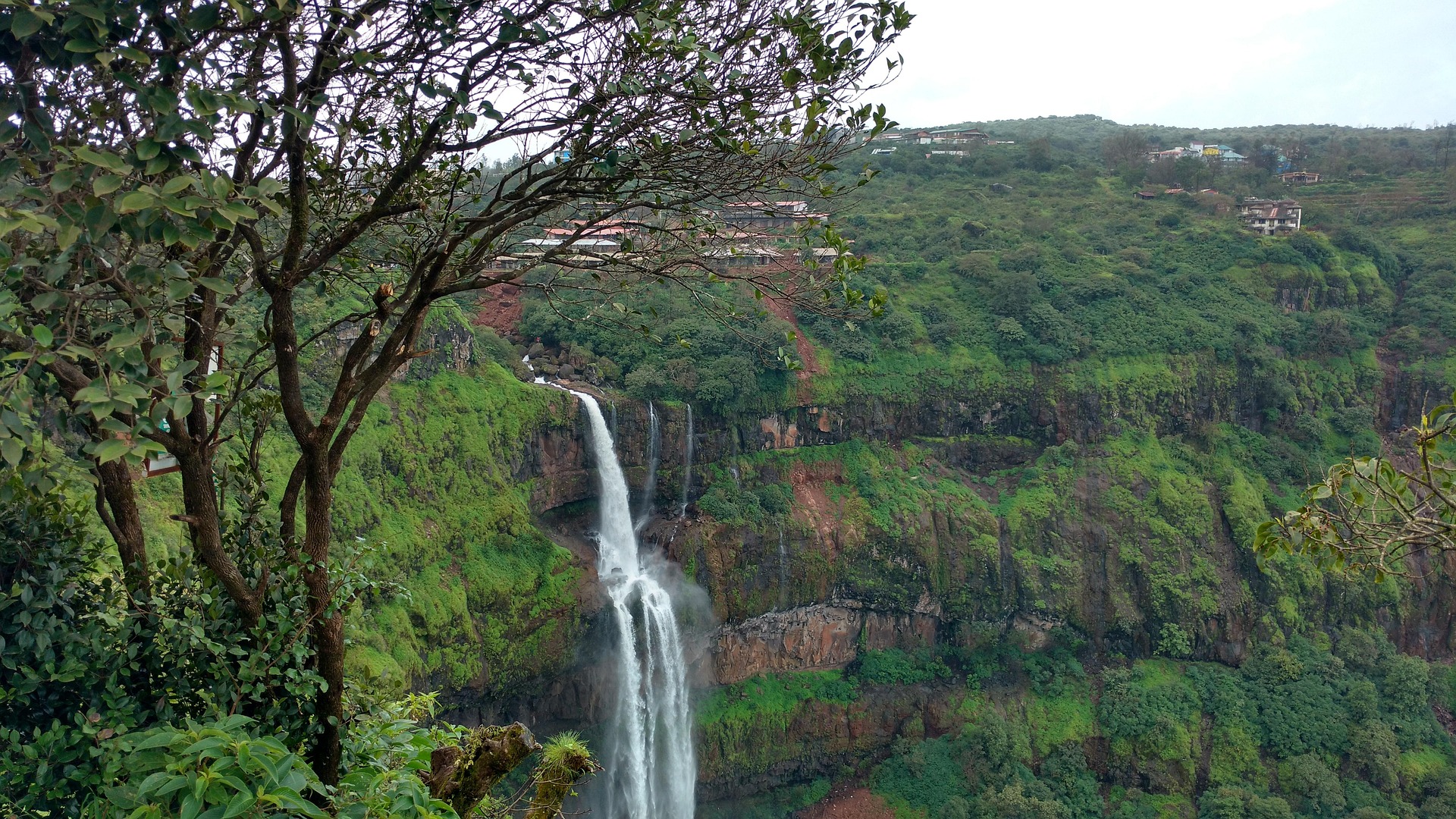
During the monsoon season, the entire area transforms dramatically. Moss-covered rocks, dripping water, and misty surroundings make the caves look even more enchanting, though visitors need to be cautious because the pathways can become slippery.
The Story Behind the Name
The unusual name “Devil’s Kitchen” comes from the dark and haunting appearance of the caves. In the past, the dimly lit rock chambers and strange echoes created an eerie feeling that sparked the imagination of locals and travelers alike. During twilight hours, the shadows and silence inside the rocky passages give the place a mysterious vibe, which eventually inspired its dramatic name.
Located close to Table Land, the caves have long been part of Panchgani’s local folklore and continue to attract curious explorers.
Mythological Connection with the Mahabharata
Devil’s Kitchen is also associated with legends from the Mahabharata. According to local folklore, the Pandavas stayed in these caves during their exile and used the rocky shelters for cooking and resting. This belief is what gave rise to the symbolic name “Devil’s Kitchen.”
Although there is no archaeological evidence confirming this story, such mythological associations are common throughout the Panchgani–Mahabaleshwar region. Nearby places like Rajpuri Caves are also linked to similar legends. These stories add a cultural and spiritual dimension to the natural beauty of the area, making the experience more meaningful for visitors interested in Indian mythology and folklore.
Adventure and Exploration
For trekking enthusiasts and adventure seekers, Devil’s Kitchen offers a unique experience compared to Panchgani’s more conventional tourist attractions. The rocky terrain, narrow pathways, and cave-like interiors create a sense of exploration and discovery.
The surrounding hills and valleys are ideal for short hikes, photography walks, and nature exploration. Some parts of the cave system remain less explored due to limited lighting and difficult terrain, adding to the mystery of the place. However, visitors should wear comfortable footwear and remain cautious while navigating the rocky surfaces.
The site is especially popular among photographers because of the dramatic shadows, textured rocks, and changing light patterns throughout the day.
Best Time to Visit
The best time to visit Devil’s Kitchen is from October to February, when the weather remains cool and pleasant. During winter and post-monsoon months, the greenery around Panchgani looks vibrant, and the skies remain clear, making it perfect for sightseeing and photography.
Summer mornings are also enjoyable, though afternoons can become slightly warm. Monsoon season brings lush landscapes and mist-covered rocks, but visitors should be careful because the trails may become slippery.
Nearby Attractions
Devil’s Kitchen is often included in the Panchgani sightseeing circuit along with several nearby attractions:
- Table Land – A vast volcanic plateau known for horse riding and panoramic views.
- Sydney Point – Famous for breathtaking views of Dhom Dam and Krishna Valley.
- Parsi Point – A scenic viewpoint overlooking lush valleys.
- Rajpuri Caves – Ancient caves associated with mythology and local legends.
How to Reach Devil’s Kitchen
Devil’s Kitchen is easily accessible from Panchgani town and does not require a long trek.
From Panchgani Town
The caves are located close to Table Land, around 2–3 km from Panchgani Bus Stand. Visitors can hire taxis, auto-rickshaws, or even walk to Table Land.
From the southern edge of the plateau, a short downhill trail leads to Devil’s Kitchen. The path is rocky but manageable for most visitors with basic fitness levels.
From Mahabaleshwar
Devil’s Kitchen is approximately 18 km from Mahabaleshwar. Many travelers visit it as part of a day trip from Mahabaleshwar.
From Pune and Mumbai
- Pune to Panchgani: Around 100 km
- Mumbai to Panchgani: Around 250 km
Travelers can reach Panchgani via NH-48 and the scenic Wai–Panchgani route. The nearest major railway station is Satara Railway Station, while the nearest airport is Pune International Airport.
Map and Location of Devil’s Kitchen
FAQS
- Q: Where is Devil’s Kitchen located in Panchgani?
Devil’s Kitchen is located just below the famous Table Land plateau in Panchgani, in the Satara district of Maharashtra. It lies within the Western Ghats (Sahyadri range) and is easily accessible from Panchgani town, making it a popular offbeat spot for visitors exploring Panchgani and Mahabaleshwar tourist attractions.
- Q: Why is Devil’s Kitchen in Panchgani famous?
Devil’s Kitchen is famous for its natural rock fissures, cave-like formations, and laterite terrain, formed due to ancient volcanic activity. It is also known for its mythological association with the Pandavas from the Mahabharata, which adds cultural intrigue to this unique geological site near Table Land.
- Q: Is Devil’s Kitchen a cave or a trekking spot?
Devil’s Kitchen is not a single cave, but a cluster of natural cracks, narrow passages, and shaded rock chambers. It does not require a long trek; instead, visitors take a short walk downhill from Table Land, making it suitable for casual explorers and families visiting Panchgani.
- Q: How do you reach Devil’s Kitchen from Mahabaleshwar or Pune?
From Mahabaleshwar, Devil’s Kitchen can be reached by driving to Panchgani and Table Land, followed by a short walk. From Pune, travelers can drive via NH-48 and Wai–Panchgani road. The nearest railway station is Satara, and the nearest airport is Pune International Airport.
- Q: What is the best time to visit Devil’s Kitchen, Panchgani?
The best time to visit Devil’s Kitchen is between October and February, when the weather in Panchgani is cool and pleasant. The post-monsoon season offers lush scenery, while winter months are ideal for walking, photography, and exploring rock formations without slippery conditions.