Image Source: Niranjan Wagh
About Rajpuri Caves
Hidden amid the peaceful hills and lush greenery of Panchgani in Maharashtra, Rajpuri Caves are among the region’s most fascinating spiritual and historical attractions. Located around 7 kilometers from the Panchgani bus station, these ancient caves attract pilgrims, history lovers, and curious travelers throughout the year. The calm surroundings, sacred atmosphere, and centuries-old legends associated with the caves create an experience that feels both spiritual and mysterious.
Rajpuri Caves are not just a religious destination; they are also an important part of local folklore and heritage. The caves are believed to date back many centuries and continue to hold deep significance for devotees of Lord Kartikeya, also known as Lord Karthikeya or Kartik Swami. Surrounded by rocky terrain, natural springs, and sacred water tanks, the caves offer visitors a unique blend of mythology, devotion, and natural beauty.
Historical and Mythological Significance
According to local legends, Rajpuri Caves were once the place where Lord Kartikeya performed intense penance and spiritual meditation. Lord Kartikeya, the son of Lord Shiva and Goddess Parvati, is worshipped as the god of war, courage, and wisdom. Devotees believe that the divine energy of his meditation still lingers within these ancient caves.
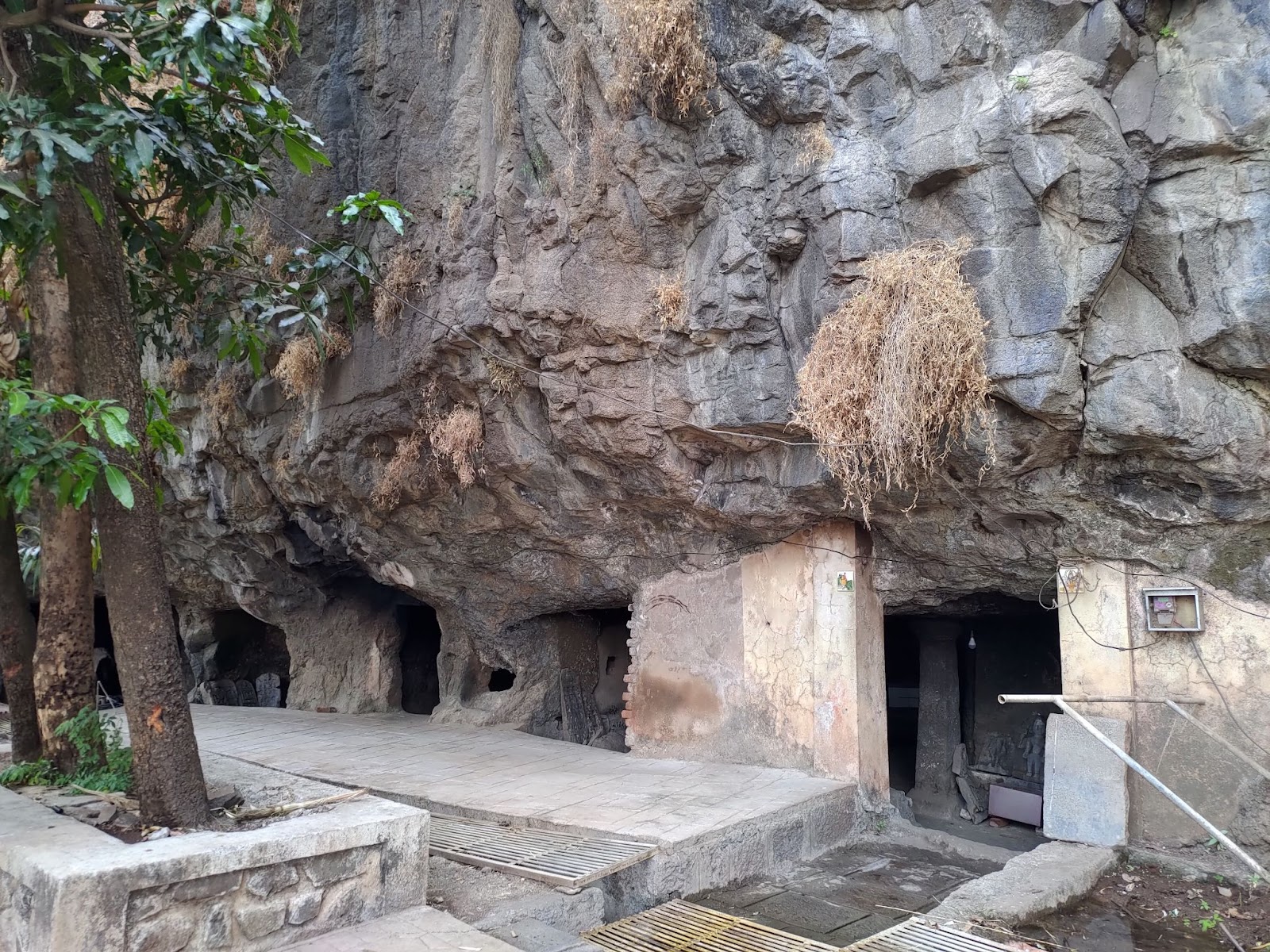
Among the four caves found at Rajpuri, the cave dedicated to Lord Kartikeya is considered the most sacred. Pilgrims visit this cave to offer prayers and seek blessings for strength, protection, and spiritual peace. The religious importance of the site has made it a prominent pilgrimage destination in the Panchgani region for generations.
The caves are also associated with several myths and oral traditions passed down by local communities. Many people believe the underground tunnels connecting the caves were once used by sages and ascetics for meditation and spiritual practices. Though much of the tunnel system remains unexplored, it continues to add a sense of mystery to the site.
Architecture and Cave Structure
The structure of Rajpuri Caves reflects ancient rock-cut craftsmanship and simple yet spiritually significant design. The temple dedicated to Lord Kartikeya is believed to have been constructed using sand and materials taken directly from the caves themselves. This connection between the temple and the caves gives the site a natural and harmonious appearance.
One of the most striking features near the entrance is the pair of traditional Nandi statues. These sacred bull figures, associated with Lord Shiva, symbolize devotion and guardianship. One Nandi statue faces the entrance of the cave temple, welcoming devotees as they step inside the sacred complex.
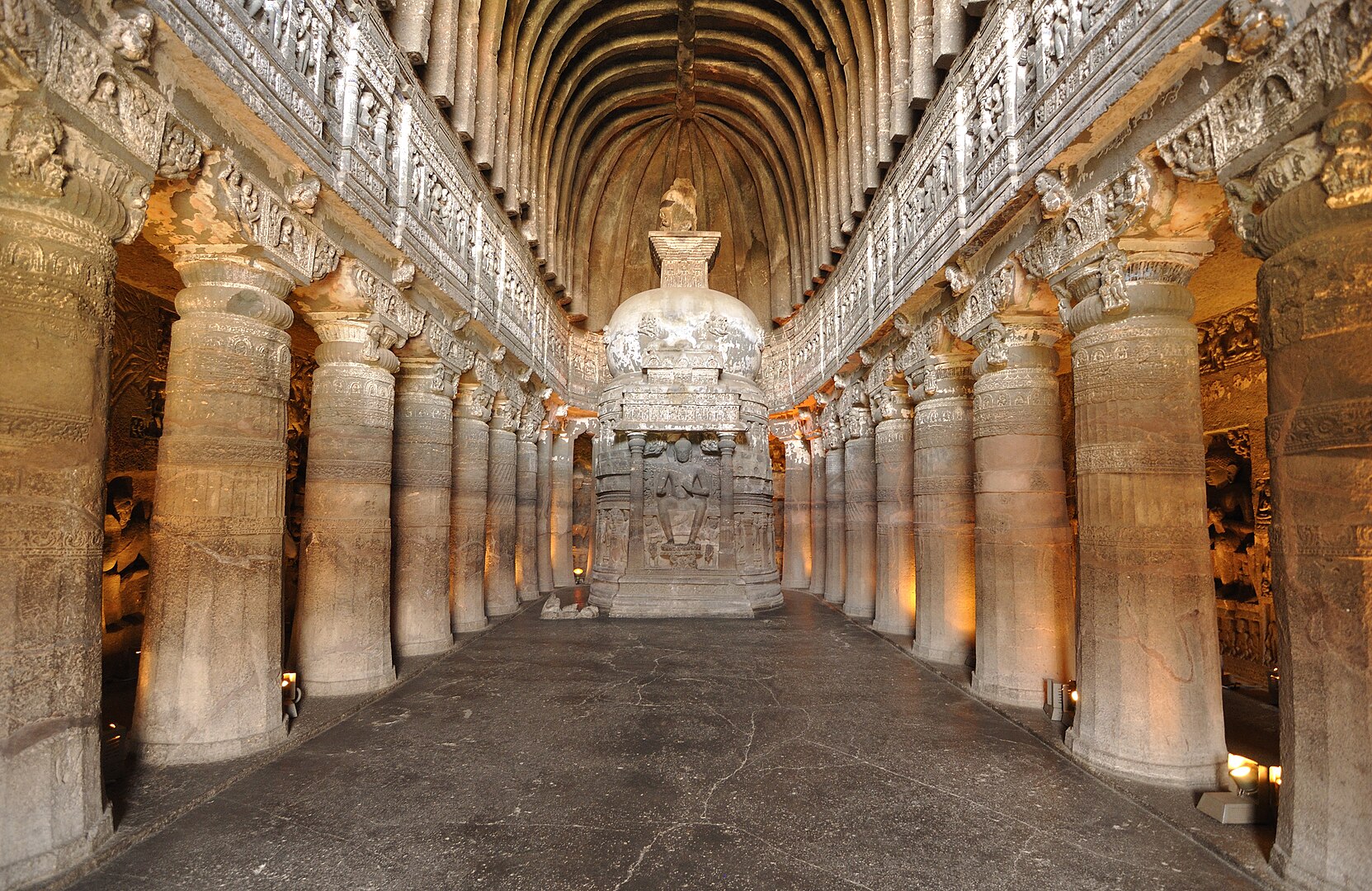
The caves themselves are relatively modest in size, yet they create a deeply spiritual atmosphere. The dim interiors, stone walls, and cool air inside the caves make visitors feel transported into another era. Some sections of the caves are interconnected through narrow underground passages, which further enhance their ancient charm.
Sacred Kunds and Healing Beliefs
A major attraction of Rajpuri Caves is the presence of several sacred water kunds, or ponds, surrounding the caves. These kunds are considered holy by devotees, who believe the waters possess healing and purifying properties. Pilgrims often take ritual baths here to seek relief from illnesses, negativity, and spiritual troubles.
Among these sacred water tanks, the Gomukh Kund is especially revered. The kund is naturally filled with water, and according to legend, the water flows from the mouth of a mythical cow. The continuous flow of water has amazed visitors for centuries and is regarded as a divine blessing.
The kunds also add to the serene beauty of the site. During the monsoon season, the surroundings become especially scenic, with greenery covering the hills and fresh water flowing through the area.
Spiritual Atmosphere and Religious Festivals
Rajpuri Caves become particularly vibrant during the Taipooyam festival, celebrated in January or February. During this period, thousands of devotees gather at the caves to honor Lord Kartikeya. The festival fills the area with devotional songs, prayers, rituals, and processions, creating a lively spiritual atmosphere.
Pilgrims from different parts of Maharashtra and neighboring states visit the caves during the celebrations. The sound of bells, chants, and traditional music echoes through the hills, making the festival one of the most memorable times to experience the spiritual significance of Rajpuri Caves.
Even outside the festival season, the caves remain a peaceful retreat for meditation and quiet reflection. Many visitors come simply to experience the calmness and spiritual energy of the place.
Natural Beauty Around Rajpuri Caves
Apart from their religious importance, Rajpuri Caves are also surrounded by beautiful natural scenery. Panchgani itself is known for its pleasant climate, rolling hills, and scenic valleys, and the caves perfectly complement this peaceful environment.
The route leading to the caves passes through charming rural landscapes and green hills, making the journey enjoyable for nature lovers. Early mornings and evenings are especially beautiful, as mist often covers the surrounding hills and creates a magical atmosphere.
Travelers visiting Panchgani often combine a trip to Rajpuri Caves with nearby attractions such as Table Land, Sydney Point, Parsi Point, and Mapro Garden.
Best Time to Visit
The best time to visit Rajpuri Caves is between October and February, when the weather remains cool and pleasant. The monsoon season from June to September also enhances the beauty of the surroundings, although the paths may become slippery due to rain.
Visitors interested in experiencing the religious celebrations should plan their trip during the Taipooyam festival, when the caves witness their largest gatherings.
How to Reach Rajpuri Caves
Rajpuri Caves are located approximately 7 kilometers from Panchgani bus station in Maharashtra. Visitors can easily reach the caves by taxi, auto-rickshaw, or private vehicle. Panchgani itself is well connected by road to cities like Pune and Mumbai.
The nearest railway station is Wathar Railway Station, while Pune Airport is the closest major airport.
Nearby Attractions Around Rajpuri Caves
Parsi Point
Located a short drive from Rajpuri Caves, Parsi Point offers spectacular views of the Krishna Valley and Dhom Dam. The viewpoint is especially popular during sunrise and sunset, making it a favorite stop for photographers and nature lovers.
Table Land
One of Panchgani’s most famous attractions, Table Land is a vast volcanic plateau known for its panoramic views, horse riding activities, and open landscapes. Several Bollywood films have been shot here due to its unique terrain.
Sydney Point
Situated near Panchgani, Sydney Point provides breathtaking views of the Krishna Valley, Dhom Dam, and surrounding hills. It is a peaceful spot ideal for sightseeing and photography.
Mapro Garden
A popular family destination, Mapro Garden is known for its strawberry products, delicious food, and beautifully maintained gardens. Visitors can enjoy fresh fruit-based treats and shop for local specialties.
Devrai Art Village
This unique cultural center showcases traditional tribal art and handcrafted products created by local artisans. It offers visitors an opportunity to learn about the region’s artistic heritage.
Kamalgad Fort
Located amidst the Sahyadri hills, Kamalgad Fort is a lesser-known trekking destination that offers stunning views of the surrounding valleys and mountains. It is ideal for adventure enthusiasts and history lovers.
Dhom Dam
Built across the Krishna River, Dhom Dam is a scenic attraction surrounded by rolling hills. The reservoir creates a picturesque landscape and is a popular photography spot.
Venna Lake
Located in nearby Mahabaleshwar, Venna Lake is one of the region’s most visited attractions. Visitors can enjoy boating, horse riding, and leisurely walks along the lakeside.
Lingmala Waterfall
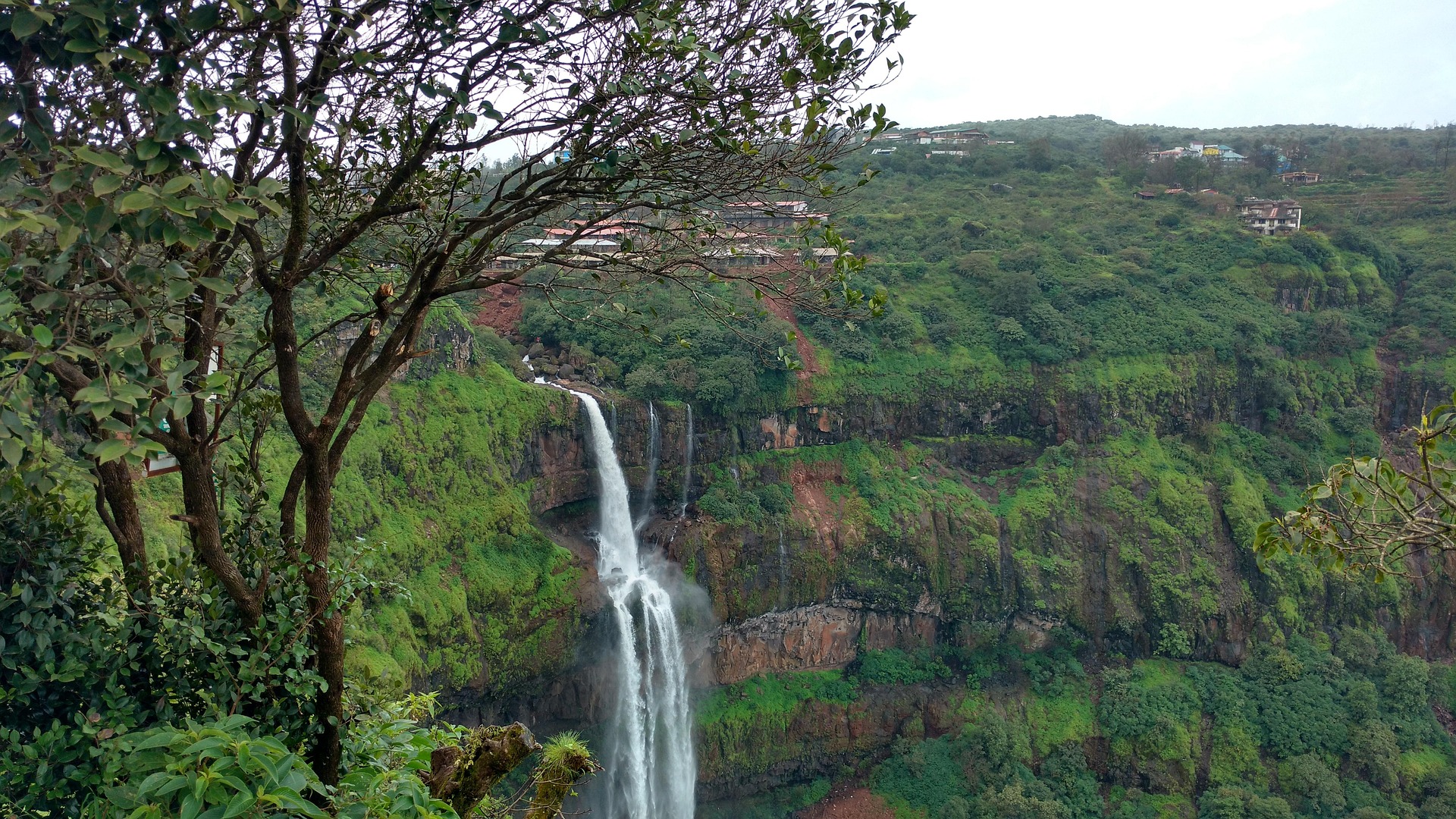
A beautiful waterfall near Mahabaleshwar, Lingmala Waterfall becomes particularly impressive during the monsoon season when water cascades down from a significant height amid lush greenery.
Mahabaleshwar Temple
Dedicated to Lord Shiva, this ancient temple is an important pilgrimage site and one of the oldest religious landmarks in the Mahabaleshwar region. It is known for its historical and spiritual significance.
Travel Tips for Visitors
- Wear comfortable footwear, as some areas around the caves may be uneven or slippery.
- Carry water and light snacks, especially during summer visits.
- Respect the religious significance of the site and maintain cleanliness.
- Early morning visits are ideal for avoiding crowds and enjoying peaceful surroundings.
- Photography is generally allowed, but visitors should avoid disturbing worshippers.
Map of Rajpuri Caves
FAQs
Where are Rajpuri Caves located?
Rajpuri Caves are located near Panchgani in Maharashtra, around 7 kilometers from the Panchgani bus station.
Why are Rajpuri Caves famous?
The caves are famous for their connection to Lord Kartikeya, ancient cave structures, sacred kunds, and spiritual atmosphere.
How many caves are there in Rajpuri?
There are four main caves at Rajpuri, with one cave especially dedicated to Lord Kartikeya.
What is Gomukh Kund?
Gomukh Kund is a sacred water tank inside the cave complex. It is believed that water naturally flows into the kund from the mouth of a mythical cow.
Is there any entry fee for Rajpuri Caves?
Usually, entry to the caves is free or involves a very small donation, though this may change over time.
Which is the best time to visit Rajpuri Caves?
The best time to visit is from October to February when the weather is pleasant. The monsoon season also offers beautiful scenery.
Are Rajpuri Caves suitable for families?
Yes, the caves are suitable for families, pilgrims, and travelers interested in history, spirituality, and nature.
What festival is celebrated at Rajpuri Caves?
The Taipooyam festival, dedicated to Lord Kartikeya, is the major celebration held at Rajpuri Caves during January or February.