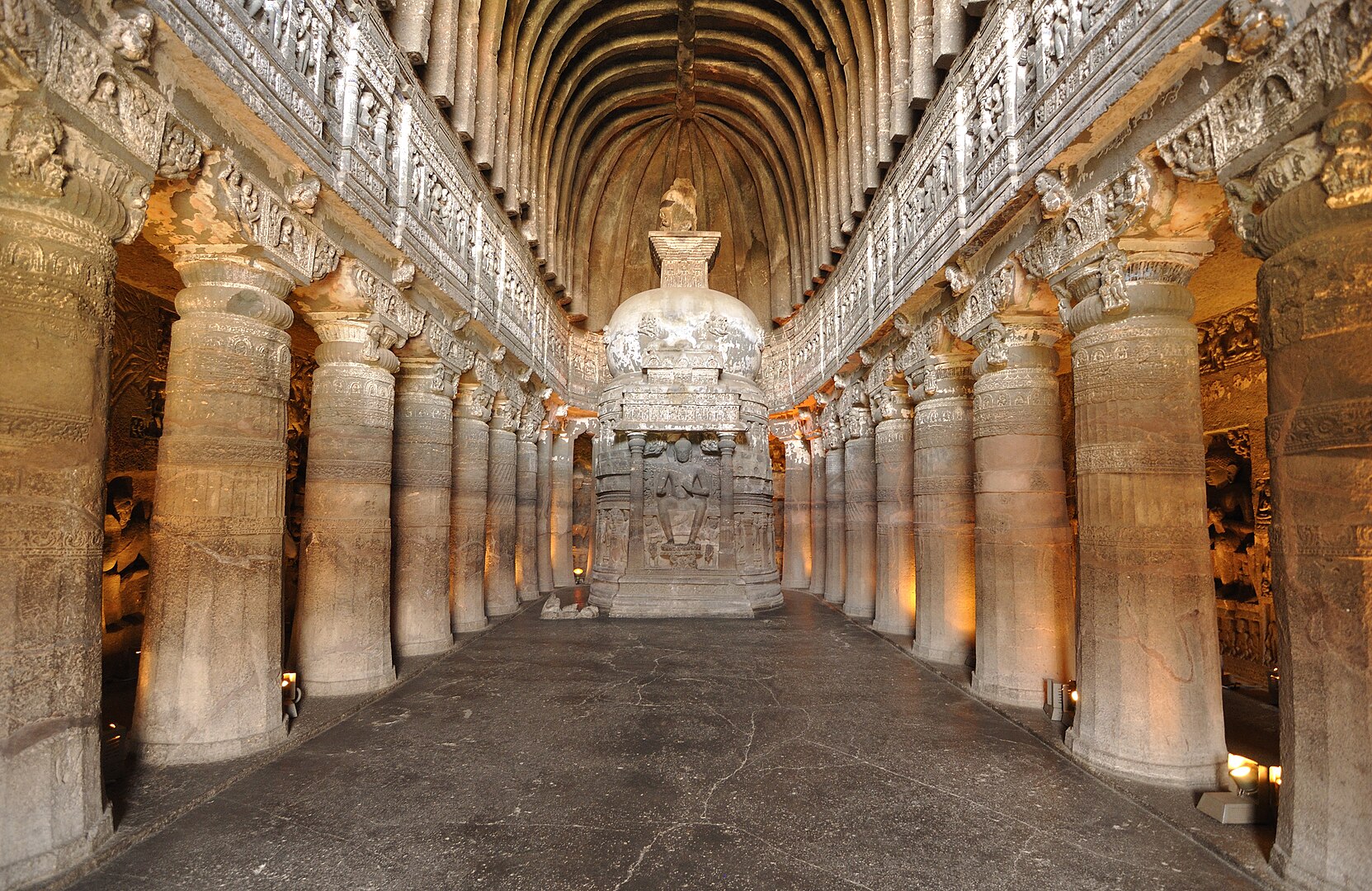
Image Source: Vinay Thoke
Nestled amidst the peaceful surroundings of Satara district, Natraj Mandir, popularly known as Uttara Chidambaram Temple, is one of Maharashtra’s most remarkable Shiva temples. Located near Karad along the Pune–Bengaluru National Highway (NH 48), the temple is dedicated to Lord Nataraja, the cosmic dancer form of Lord Shiva. Renowned for its magnificent South Indian architecture and serene atmosphere, the temple attracts devotees, spiritual seekers, architecture enthusiasts, and tourists from across the country.
Often referred to as the “Chidambaram of the North,” the temple was built to replicate the spiritual essence and architectural grandeur of the famous Chidambaram Temple in Tamil Nadu. Surrounded by lush greenery and tranquil landscapes, it offers visitors a peaceful retreat away from the bustle of city life.
History of Natraj Mandir
The foundation of Natraj Mandir was laid in 1981 through the efforts of devoted followers and spiritual leaders. A generous local resident named Samanna donated the land for the temple’s construction. The project was undertaken with the vision of creating a sacred center dedicated to Lord Nataraja in western India.
Over the years, the temple has grown into an important spiritual and cultural landmark. It continues to receive support from devotees and cultural organizations from Maharashtra as well as southern states such as Tamil Nadu, Karnataka, and Andhra Pradesh, reflecting its unique blend of northern and southern Indian traditions.
Architecture of Natraj Mandir
The temple is a masterpiece of traditional Dravidian architecture and was designed by renowned temple architects Shri M.S. Ganapathi Sthapathi and Shri M. Muthiah Sthapathi. Every aspect of the structure follows ancient architectural principles and reflects the grandeur of South Indian temple design.
One of the temple’s most striking features is its four majestic entrances, symbolizing openness and welcoming devotees from all directions. Intricately carved pillars, beautifully sculpted shrines, and elegant temple towers showcase the extraordinary craftsmanship of traditional artisans.
The sanctum sanctorum houses the magnificent idol of Lord Nataraja, depicting Shiva performing the cosmic dance of creation, preservation, and destruction.
Spiritual Significance and Temple Complex
The temple complex houses several shrines dedicated to various Hindu deities. Along with Lord Nataraja, devotees can offer prayers at the shrines of Lord Ganesha, Lord Hanuman, Goddess Parvati, and other revered deities.
The peaceful atmosphere, devotional chants, and beautifully maintained surroundings create an ideal setting for meditation and spiritual reflection. Many visitors spend time exploring the temple’s architecture while enjoying the calm and serene environment.
Cultural and Educational Activities
Natraj Mandir serves as an important cultural center under the guidance of the Kanchi Kamakoti Peetham. The temple regularly hosts classical dance performances, Carnatic music concerts, spiritual discourses, and religious celebrations.
A Veda Pathashala located within the campus helps preserve ancient Vedic traditions by educating students in Sanskrit scriptures, rituals, and traditional learning. These activities make the temple not only a place of worship but also a center for cultural preservation and education.
Temple Timings
The temple is generally open to visitors during the following hours:
- Morning: 7:00 AM to 12:00 PM
- Evening: 3:00 PM to 8:30 PM
Visitors are advised to check timings during festivals and special religious occasions.
How to Reach Natraj Mandir
By Road
Natraj Mandir is located near Karad in Satara district and enjoys excellent road connectivity via NH 48 (formerly NH 4). It is approximately 18 km from Karad and around 55 km from Satara city. Private vehicles, taxis, and state transport buses are easily available.
By Train
The nearest railway station is Karad Railway Station, located about 15–20 km from the temple. The station is well connected to Pune, Mumbai, Kolhapur, and Bengaluru. Local taxis and auto-rickshaws are available from the station.
By Air
The nearest airports are:
- Pune International Airport (approximately 175 km)
- Kolhapur Airport (approximately 80 km)
Visitors can hire taxis or use public transport to reach the temple from these airports.
Nearby Attractions
1. Koyna Dam
One of India’s largest hydroelectric projects, surrounded by scenic hills and beautiful landscapes.
2. Thoseghar Waterfalls
A spectacular waterfall destination near Satara, especially popular during the monsoon season.
3. Sajjangad Fort
The final resting place of Sant Ramdas, the spiritual guru of Chhatrapati Shivaji Maharaj.
4. Kaas Plateau
A UNESCO World Natural Heritage Site famous for its seasonal bloom of wildflowers.
5. Agashiv Caves
Ancient rock-cut Buddhist caves located near Karad, known for their historical and archaeological significance.
6. Pritisangam
The sacred confluence of the Krishna and Koyna rivers in Karad, considered an important pilgrimage site.
7. Sadashivgad Fort
A historic hill fort offering scenic views of the surrounding region.
8. Mayani Bird Sanctuary
A paradise for birdwatchers and nature enthusiasts, especially during the migratory season.
Maps
FAQs
1. Where is Natraj Mandir located?
Natraj Mandir is located near Karad in the Satara district of Maharashtra along the Pune–Bengaluru Highway.
2. Why is the temple called Uttara Chidambaram?
The temple is known as Uttara Chidambaram because it is modeled after the famous Chidambaram Nataraja Temple in Tamil Nadu.
3. Which deity is worshipped here?
The temple is primarily dedicated to Lord Nataraja, the cosmic dancer form of Lord Shiva.
4. What are the temple timings?
The temple is usually open from 7:00 AM to 12:00 PM and from 3:00 PM to 8:30 PM.
5. Is there an entry fee?
No, entry to the temple is generally free for devotees and visitors.
6. Who designed the temple?
The temple was designed by renowned South Indian temple architects Shri M.S. Ganapathi Sthapathi and Shri M. Muthiah Sthapathi.
7. Are photography and videography allowed?
Photography may be permitted in certain areas, but visitors should follow temple guidelines and seek permission where necessary.
8. Does the temple host cultural programs?
Yes, the temple regularly hosts classical dance performances, music concerts, spiritual lectures, and religious festivals.
9. What is the best time to visit?
The winter months from October to February offer pleasant weather and are ideal for sightseeing and temple visits.
10. Is the temple suitable for family visits?
Yes, Natraj Mandir is a peaceful and family-friendly destination that combines spirituality, culture, and architectural beauty.