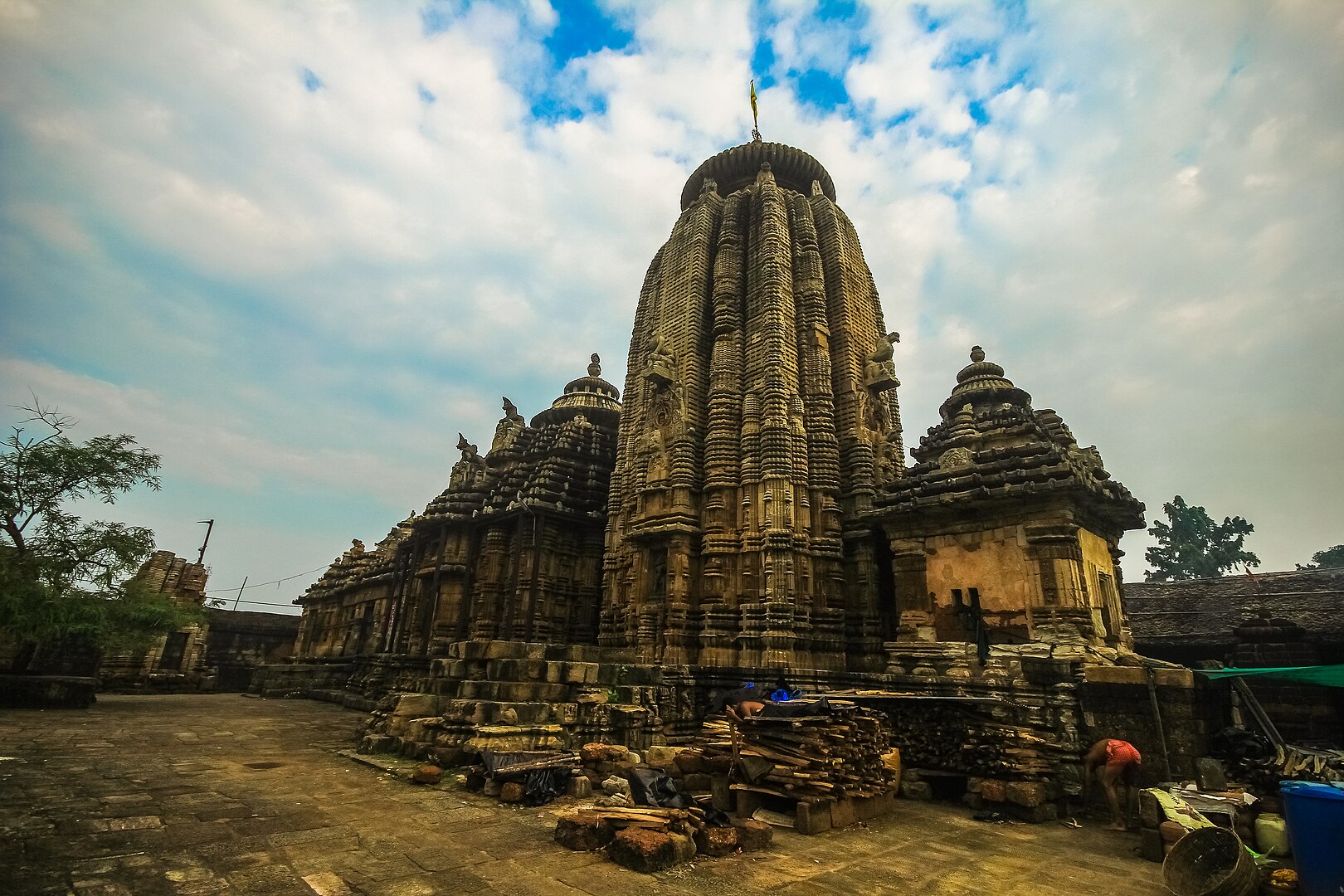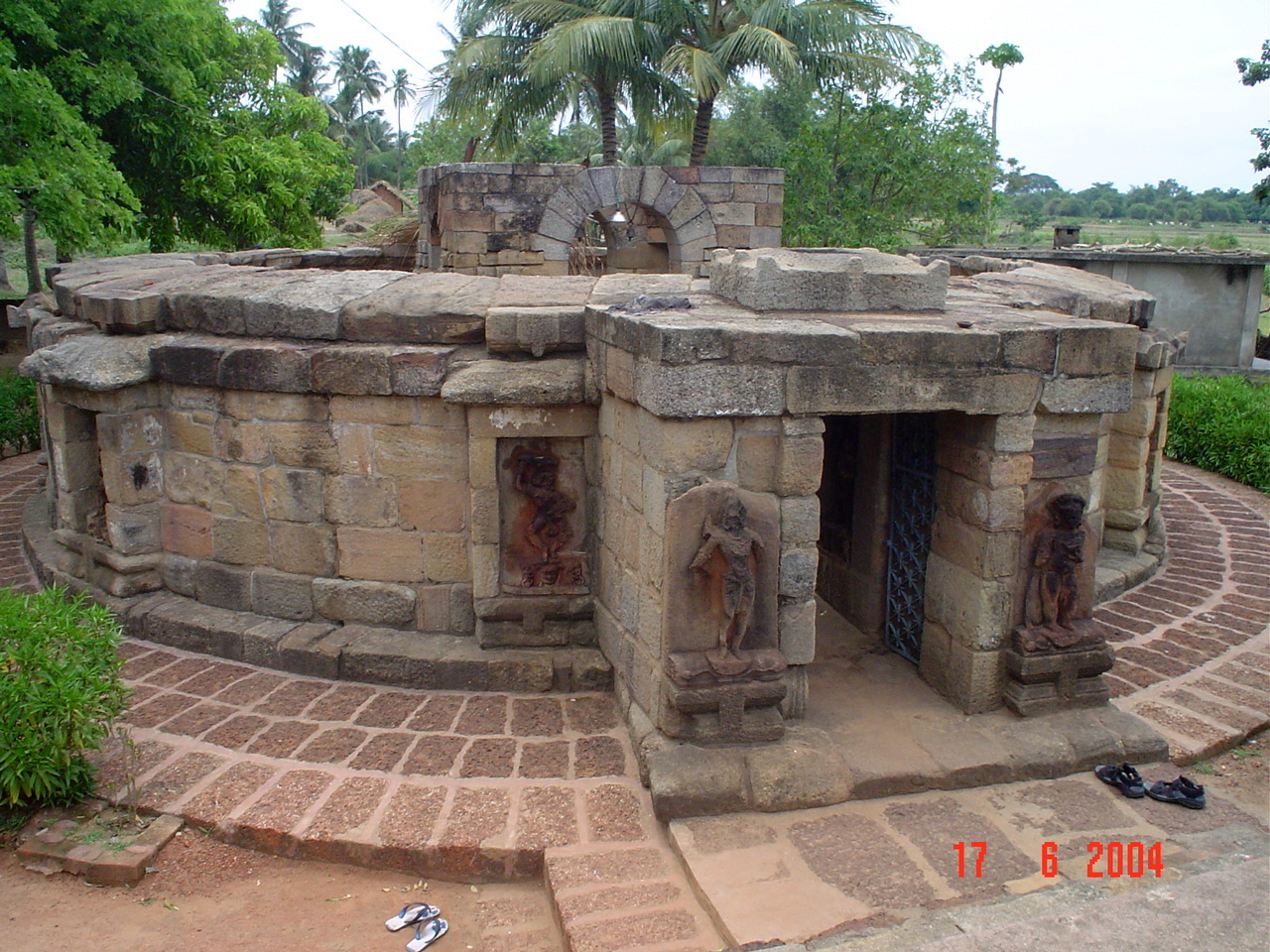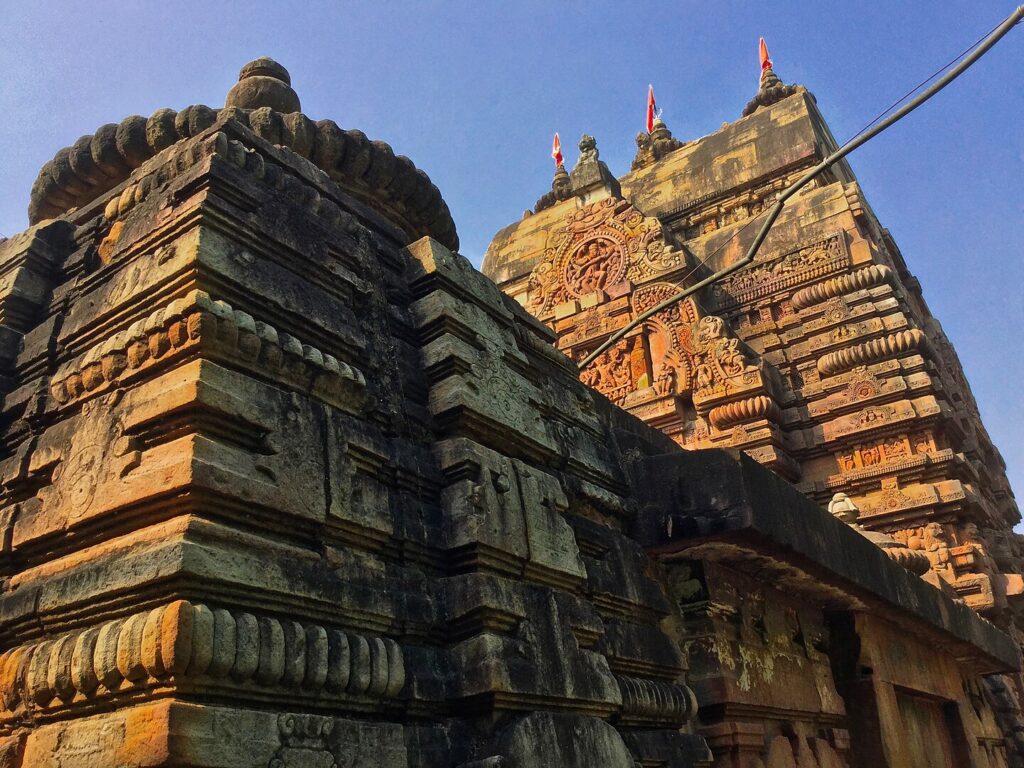
Image Source: Prateek Pattanaik
About Vaital Deul
Tucked away in the historic city of Bhubaneswar, Vaital Deul Temple is one of those places that instantly feels different. It’s not just another ancient temple—it carries a mysterious, almost intense energy that sets it apart.
Built around the 8th century, this temple is dedicated to Goddess Chamunda, a fierce and powerful form of Shakti. Unlike the more commonly visited temples in the city, Vaital Deul is closely linked with tantric traditions, giving it a unique spiritual identity. Its unusual structure and deep-rooted symbolism make it especially fascinating for history lovers and curious travelers.
History
Vaital Deul is believed to have been constructed during the rule of the Somavamsi dynasty, sometime between the 8th and 9th centuries. During this period, tantric practices were quite prominent in Odisha, and this temple reflects that influence clearly.
The main deity, Chamunda, is depicted in a striking and intense form—seated on a corpse and adorned with skulls and serpents. These elements may seem unusual, but they carry deep symbolic meaning tied to life, death, and transformation.
What makes this temple stand out is how different it is from the more familiar Vaishnavite and Shaivite temples. It represents a lesser-seen, more esoteric side of ancient Indian spirituality.
Architecture
Architecturally, Vaital Deul is truly unique. While most temples in Bhubaneswar follow the Rekha or Pidha style, this one is built in the rare Khakhara style.
Instead of a tall, curving tower, the temple has a rectangular sanctum with a long, barrel-shaped roof—giving it a completely different look. It almost feels more compact but equally powerful in presence.
The outer walls are richly decorated with carvings of deities, mythical figures, and symbolic motifs. These carvings beautifully blend elements from Shakta, Shaiva, and Tantric traditions.
Inside the sanctum, the idol of Chamunda is intense and symbolic—depicted with a skeletal form and surrounded by imagery associated with death and destruction, which in tantric philosophy represents the cycle of life and liberation.
Religious and Cultural Importance
Vaital Deul holds a special place in Odisha’s tantric heritage. It is believed that in earlier times, secret rituals and spiritual practices were performed here, especially those connected to Shakti worship.
Even today, the temple attracts a different kind of visitor—people interested in mysticism, symbolism, and the deeper layers of spiritual traditions.
While it may not draw massive crowds like the nearby Lingaraja Temple, it remains an important cultural and historical landmark. If you’re exploring Bhubaneswar’s temple circuit, this one offers a completely different perspective.
How to Reach
Vaital Deul is located in the Old Town area of Bhubaneswar, close to landmarks like Bindu Sagar Lake and Mukteshwar Temple.
By Air:
The nearest airport is Biju Patnaik International Airport, about 5 km away.
By Train:
Bhubaneswar Railway Station is around 4 km from the temple and is well connected to major cities.
By Road:
You can easily reach the temple by auto-rickshaw, taxi, or local buses from anywhere in the city.
Nearby Attractions
- Lingaraj Temple (about 1 km) – The largest and most revered temple in Bhubaneswar, dedicated to Lord Shiva and renowned for its magnificent Kalinga-style architecture.
- Bindu Sagar Lake (about 1 km) – A sacred lake surrounded by numerous ancient temples, offering a serene atmosphere and spiritual significance.
- Ananta Vasudeva Temple (about 1.1 km) – A 13th-century Vaishnavite temple dedicated to Lord Krishna, Balarama, and Subhadra, known for its exquisite stone carvings and traditional temple kitchen.
- Mukteswara Temple (about 1.2 km) – Often called the “Gem of Odisha Architecture,” this temple is famous for its beautifully carved torana (arched gateway) and elegant sculptures.
- Parashurameswar Temple (about 1.2 km) – One of the oldest surviving temples in Odisha, dating back to the 7th century and showcasing early Kalinga architecture.
- Siddhesvara Temple (about 1.3 km) – A historic Shiva temple admired for its peaceful surroundings and classic Kalinga architectural style.
- Kedar Gouri Temple (about 1.4 km) – A revered temple complex dedicated to Lord Shiva and Goddess Gouri, attracting pilgrims throughout the year.
- Brahmeswar Temple (about 2 km) – A magnificent 11th-century Shiva temple known for its intricate carvings and remarkable architectural features.
- Rajarani Temple (about 2 km) – An elegant temple built of reddish-golden sandstone, celebrated for its detailed sculptures and graceful design.
- Odisha State Museum (about 3 km) – A museum displaying archaeological artifacts, ancient manuscripts, sculptures, coins, tribal heritage, and traditional Odia art.
- Khandagiri and Udayagiri Caves (about 7 km) – Ancient Jain rock-cut caves dating back to the 2nd century BCE, known for their historic inscriptions, carvings, and panoramic city views.
- Dhauli Shanti Stupa (about 8 km) – A beautiful white Peace Pagoda on Dhauli Hills, marking the site where Emperor Ashoka embraced Buddhism after the Kalinga War.
Google Maps
FAQs
1. What is special about Vaital Deul Temple?
It’s known for its rare Khakhara-style architecture and strong connection to tantric traditions, which makes it very different from typical temples.
2. Which deity is worshipped here?
The temple is dedicated to Goddess Chamunda, a fierce form of Goddess Shakti.
3. Is Vaital Deul Temple suitable for tourists?
Yes, especially for those interested in history, architecture, and unique spiritual traditions.
4. How much time is needed to visit the temple?
You can explore the temple in about 30–60 minutes, but you might want to spend more time observing the carvings and surroundings.
5. Is photography allowed?
Photography is generally allowed outside, but it’s best to check locally before taking pictures inside.
6. When is the best time to visit?
Early mornings or late afternoons are ideal for a peaceful visit and better lighting for photography.
7. Can I combine this visit with other attractions?
Absolutely. The temple is close to Lingaraja Temple, Mukteshwar Temple, and Bindu Sagar Lake, making it easy to explore multiple sites in one trip.