
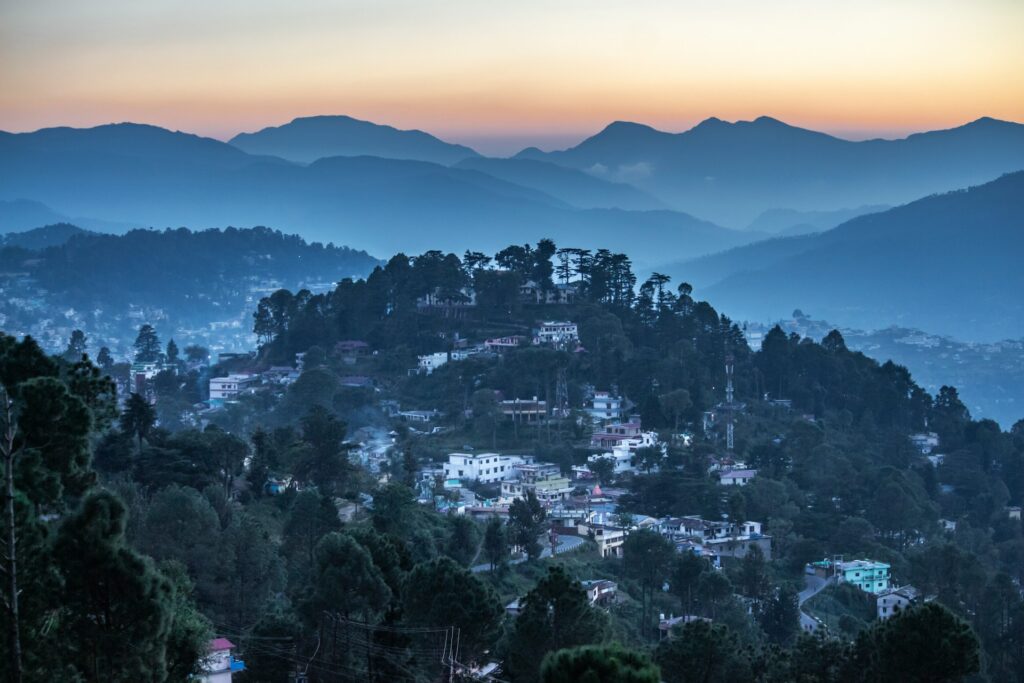
Khordha
Khordha (also spelled Khurda) is known as the “Temple City of India” that embodies a unique synthesis of history, culture, architecture, and innovation.From the timeless sanctity of Lingaraj Temple to the bustling IT parks and educational institutions of modern Bhubaneswar, the district reflects Odisha’s journey from ancient Kalinga to a contemporary cultural hub.
Geography and Overview
Khordha lies in the east-central part of Odisha, bordered by Cuttack, Nayagarh, Puri, and Ganjam districts. The district covers both upland and coastal plains, with elevations gently sloping toward the east. The Daya and Kuakhai rivers, branches of the Mahanadi system, flow through this region, enriching its agricultural landscape. The Chilika Lake, Asia’s largest brackish water lagoon, partially extends into the district, offering rich biodiversity and scenic beauty. Khordha’s geography, combining fertile plains and forested hills, provides a diverse environment supporting both agriculture and urban growth.
Historical Background
Khordha has immense historical importance, particularly as the last bastion of the independent Khordha kingdom, which resisted British occupation longer than any other Odia region. The Paikas of Khordha, under the leadership of Buxi Jagabandhu Bidyadhar, led the famous Paika Rebellion of 1817, considered the first armed uprising against British rule in India. Before colonial rule, Khordha was closely linked with the Gajapati kings of Puri, serving as their military and administrative base. The ancient city of Bhubaneswar, with its cluster of over 700 temples, traces its roots back to 3rd century BCE, reflecting the region’s ancient Kalingan architectural brilliance.
Cultural and Religious Heritage
Khordha’s cultural fabric is deeply spiritual, woven with centuries of temple traditions and classical art forms. Bhubaneswar’s temples—Lingaraj, Rajarani, Mukteswar, and Brahmeswar—represent the zenith of Kalinga temple architecture. Festivals like Shivaratri, Rath Yatra, Durga Puja, and Ashokashtami are celebrated with grandeur. The district is also a center for Odissi dance, one of India’s oldest classical dance forms. The blend of Sanskrit learning, temple rituals, and modern education gives Khordha a rare cultural depth where tradition and progress coexist.
Best time to visit Khordha
June to September—Monsoon turns Alibaug lush and green, perfect for nature lovers.
Top Attractions in Khordha
Khordha district is a treasure trove of heritage, nature, and modern attractions that draw pilgrims, historians, and travelers alike.
Lingaraj Temple (Bhubaneswar): The architectural centerpiece of Odisha, dedicated to Lord Shiva, showcasing intricate carvings and monumental design.
Rajarani Temple: Renowned for its exquisite sculpture and reddish sandstone, symbolizing Odisha’s sculptural excellence.
Mukteswar Temple: Often called the “Gem of Odishan Architecture,” representing the perfect blend of grace and artistry.
Khandagiri and Udayagiri Caves: Ancient Jain rock-cut caves built during the reign of Emperor Kharavela in the 1st century BCE.
Dhauligiri Shanti Stupa: A Buddhist peace pagoda marking the site of the historic Kalinga War where Emperor Ashoka embraced Buddhism.
Ekamra Kanan and Nandankanan Zoological Park: Popular urban green spaces and wildlife attractions offering recreation and conservation experiences.
Chilika (Balugaon and Barkul): The northern stretch of Chilika Lake within Khordha offers birdwatching, boating, and serene scenic beauty.
Modern Bhubaneswar – The Smart City
Bhubaneswar, the district’s headquarters, is not just a city of temples but also a modern planned metropolis designed by Otto Königsberger in 1946. Today, it stands as one of India’s top Smart Cities, combining efficient urban planning with cultural preservation. It is home to premier institutions like IIT Bhubaneswar, AIIMS, Utkal University, and KIIT University, making it an educational hub of Eastern India. The presence of IT parks such as Infocity and Infovalley has transformed Bhubaneswar into a growing technology and startup destination.
How to Reach Khordha?

BY ROAD
The district is well-connected through the NH-16 (Golden Quadrilateral), ensuring easy access to Puri, Cuttack, and Berhampur.

BY TRAIN
Bhubaneswar Railway Station and Khurda Road Junction serve as major railway hubs in eastern India.

BY AIR
Biju Patnaik International Airport connects it with major Indian cities and select international destinations.
Top Tourist Attractions in Khordha
Khorda, a culturally rich district in Odisha, is known for its temples, historic sites, and scenic natural landscapes. Famous for attractions like the Lingaraj Temple, Bhuvaneshwari Temple, and Chilika Lake nearby, Khorda attracts spiritual travelers, history enthusiasts, and nature lovers. The top tourist attractions in Khorda offer a fascinating blend of religious significance, heritage architecture, and tranquil surroundings.

Atri Hot Springs
Atri Hot Springs is a fascinating natural wonder that attracts both tourists and devotees… Read More
Must Vist Places around Khordha
The areas surrounding Khorda are dotted with ancient temples, historic towns, lakes, and eco-tourism destinations, making them ideal for cultural exploration, spiritual journeys, and nature trips. Nearby destinations such as Bhubaneswar, Puri, Konark, and Chilika Lake provide travelers with a mix of scenic beauty, heritage experiences, and religious significance. Whether exploring ancient temples, enjoying lakeside views, or visiting nearby heritage sites, the must-visit places around Khorda offer immersive and enriching travel experiences in Odisha.