Image Source: Prerana
About Atri Hot Springs
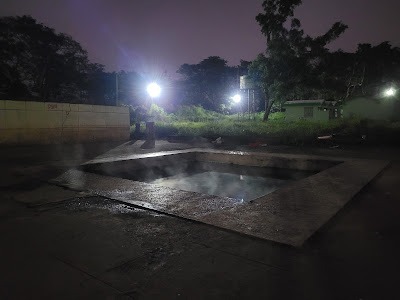
Atri Hot Springs, located in the Khordha district of Odisha, is a fascinating natural wonder that attracts both tourists and devotees. Known for its geothermal activity, the hot spring offers naturally warm water that has been flowing for centuries.
The spring is not just a natural retreat but also a site of religious importance, as it is situated near the Hatakeswar Temple, adding to its cultural charm.
Natural Significance
The Atri Hot Springs are celebrated for their medicinal properties. The geothermal waters are rich in minerals such as sulfur, which are believed to provide relief from skin diseases and joint ailments. The spring maintains a pleasant warmth throughout the year, making it a rejuvenating spot for visitors. The soothing effect of bathing in the spring water makes it a natural spa in the heart of Odisha.
Cultural and Religious Importance
The nearby Hatakeswar Temple, dedicated to Lord Shiva, enhances the spiritual aura of the site. During religious occasions like Shivratri, devotees from nearby regions visit the temple and take a holy dip in the hot springs. The blend of faith, wellness, and nature makes Atri a place where both spiritual seekers and wellness enthusiasts come together.
How to Reach
Atri Hot Springs is located about 15 km from Khurda town and around 40 km from Bhubaneswar, the capital city of Odisha. The site is well connected by road, and visitors can hire taxis, auto-rickshaws, or use buses from Bhubaneswar and Khurda.
The nearest railway station is Khurda Road Junction, while Biju Patnaik International Airport in Bhubaneswar is the closest airport for long-distance travelers.
Nearby Attractions
- Hatakeswar Temple (Within the Atri Hot Springs Complex) – Dedicated to Lord Shiva, this ancient temple stands beside the natural hot springs and is an important pilgrimage site. Many devotees take a dip in the sulphur-rich water before offering prayers at the temple.
- Barunei Hill and Barunei Temple (About 20 km) – A place of historical and religious importance, Barunei Hill is associated with the Paika Rebellion of 1817. The hill offers scenic views, peaceful surroundings, and a temple dedicated to Goddess Barunei.
- Udayagiri and Khandagiri Caves (Around 35 km) – These ancient rock-cut caves date back to the 2nd century BCE and showcase remarkable Jain sculptures, inscriptions, and architectural heritage. They are among Odisha’s most famous historical attractions.
- Dhauli Shanti Stupa (Around 40 km) – Built on Dhauli Hill, this iconic white Peace Pagoda marks the site of the historic Kalinga War. Visitors can enjoy panoramic views of the Daya River and explore nearby rock edicts of Emperor Ashoka.
- Lingaraj Temple, Bhubaneswar (About 42 km) – One of Odisha’s most revered temples, Lingaraj Temple is an outstanding example of Kalinga architecture and attracts thousands of devotees and history enthusiasts every year.
- Mukteswar Temple (Around 42 km) – Often called the “Gem of Odisha Architecture,” Mukteswar Temple is famous for its beautifully carved stone archway, intricate sculptures, and peaceful surroundings.
- Nandankanan Zoological Park (Around 50 km) – One of India’s premier zoological parks, Nandankanan is home to white tigers, Asiatic lions, reptiles, and a botanical garden. The park also offers safari experiences and boating facilities.
- Deras Dam and Nature Camp (Around 55 km) – Surrounded by the Chandaka forests, Deras Dam is a peaceful destination for picnics, birdwatching, boating, and nature walks.
- Chandaka-Dampara Wildlife Sanctuary (Around 60 km) – Known for its elephants, deer, leopards, and rich birdlife, this sanctuary offers eco-tourism activities, watchtowers, and forest trails close to Bhubaneswar.
- Satkosia Gorge (Around 90 km) – Formed by the Mahanadi River cutting through the Eastern Ghats, Satkosia is known for its breathtaking landscapes, boating, wildlife, and crocodile conservation projects.
Google Maps
FAQs
1. Why is Atri Hot Springs famous?
Atri Hot Springs is famous for its naturally occurring sulphur-rich hot water springs, which are traditionally believed to have therapeutic properties. The springs are also closely associated with the ancient Hatakeswar Temple.
2. Can visitors bathe in the hot springs?
Yes. Separate bathing tanks are available for men and women, allowing visitors to take a dip in the warm mineral-rich water.
3. What is the best time to visit Atri Hot Springs?
The best time to visit is from October to February, when the weather is pleasant for sightseeing and exploring nearby attractions.
4. How far is Atri Hot Springs from Bhubaneswar?
Atri Hot Springs is located about 42 km southwest of Bhubaneswar and can be reached in approximately one to one-and-a-half hours by road.
5. Is there an entry fee to visit Atri Hot Springs?
Entry to the hot springs is generally free, although nominal charges may apply for parking or use of certain facilities.
6. Are accommodation facilities available near Atri?
Limited accommodation is available near Atri, while a wider range of hotels, resorts, and guesthouses can be found in Bhubaneswar and Khordha.
7. Is Atri Hot Springs suitable for families?
Yes. The hot springs, temple, and peaceful natural surroundings make it a popular destination for families, pilgrims, and weekend travelers.
8. Can Atri Hot Springs be covered as a day trip from Bhubaneswar?
Yes. Atri Hot Springs is a popular day-trip destination from Bhubaneswar and is often combined with visits to Barunei Hill, Dhauli, Udayagiri-Khandagiri Caves, and Lingaraj Temple.