Image Source: SHIVA SHANKER PRASAD
About Orchha Chatris
Orchha is one of the most fascinating heritage towns in Madhya Pradesh, known for its magnificent palaces, temples, and riverside monuments. Among its most iconic landmarks are the Orchha Chhatris, a group of elegant cenotaphs that stand gracefully along the banks of the Betwa River. These towering structures not only enhance the beauty of Orchha’s skyline but also preserve the legacy of the Bundela rulers who once governed this historic kingdom.
The name “Orchha” itself is deeply connected to the region’s history. According to local tradition, the founder of the Bundela dynasty offered drops of his own blood to Goddess Kali as an act of devotion. Because of this sacrifice, he came to be known as “Bundela,” meaning “one who has offered drops.” The rulers who followed carried forward this legacy and transformed Orchha into one of the most important centers of Bundelkhand.
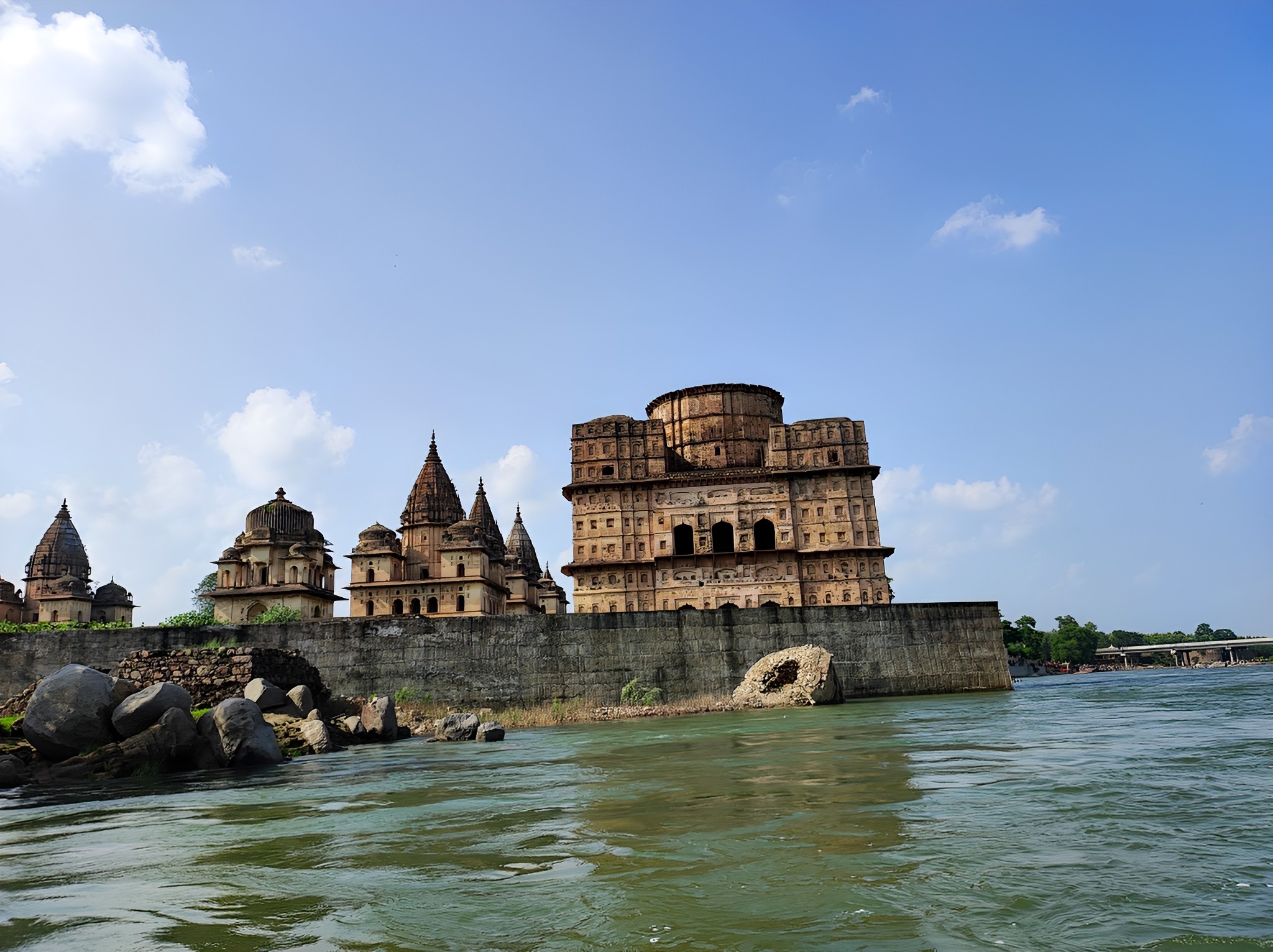
Located near Kanchan Ghat on the southern bank of the Betwa River, the Orchha Chhatris form a stunning cluster of royal memorials. Their reflection in the river at sunrise and sunset creates a breathtaking sight, making them one of the most photographed attractions in the region.
History of Orchha Chhatris
The Orchha Chhatris were constructed between the 17th and 18th centuries in memory of the Bundela kings. These cenotaphs commemorate the rulers who played significant roles in shaping the history and culture of Orchha and the wider Bundelkhand region.
Each chhatri serves as a memorial dedicated to a particular ruler. Among them, the cenotaph of Raja Bir Singh Deo is the most prominent and historically significant. Bir Singh Deo was a powerful Bundela ruler who became closely associated with Prince Salim, the future Mughal Emperor Jahangir.
Historical records state that when Prince Salim rebelled against Emperor Akbar, Akbar’s trusted courtier and historian Abul Fazl was sent to deal with the situation. During his journey through Bundela territory, Bir Singh Deo ambushed and killed Abul Fazl in support of Prince Salim. This act earned him the favor of Jahangir after he ascended the Mughal throne. Their friendship resulted in strong political ties and significant architectural development in Orchha.
Today, the cenotaphs stand as enduring reminders of the power, loyalty, and achievements of the Bundela dynasty.
Architecture of Orchha Chhatris
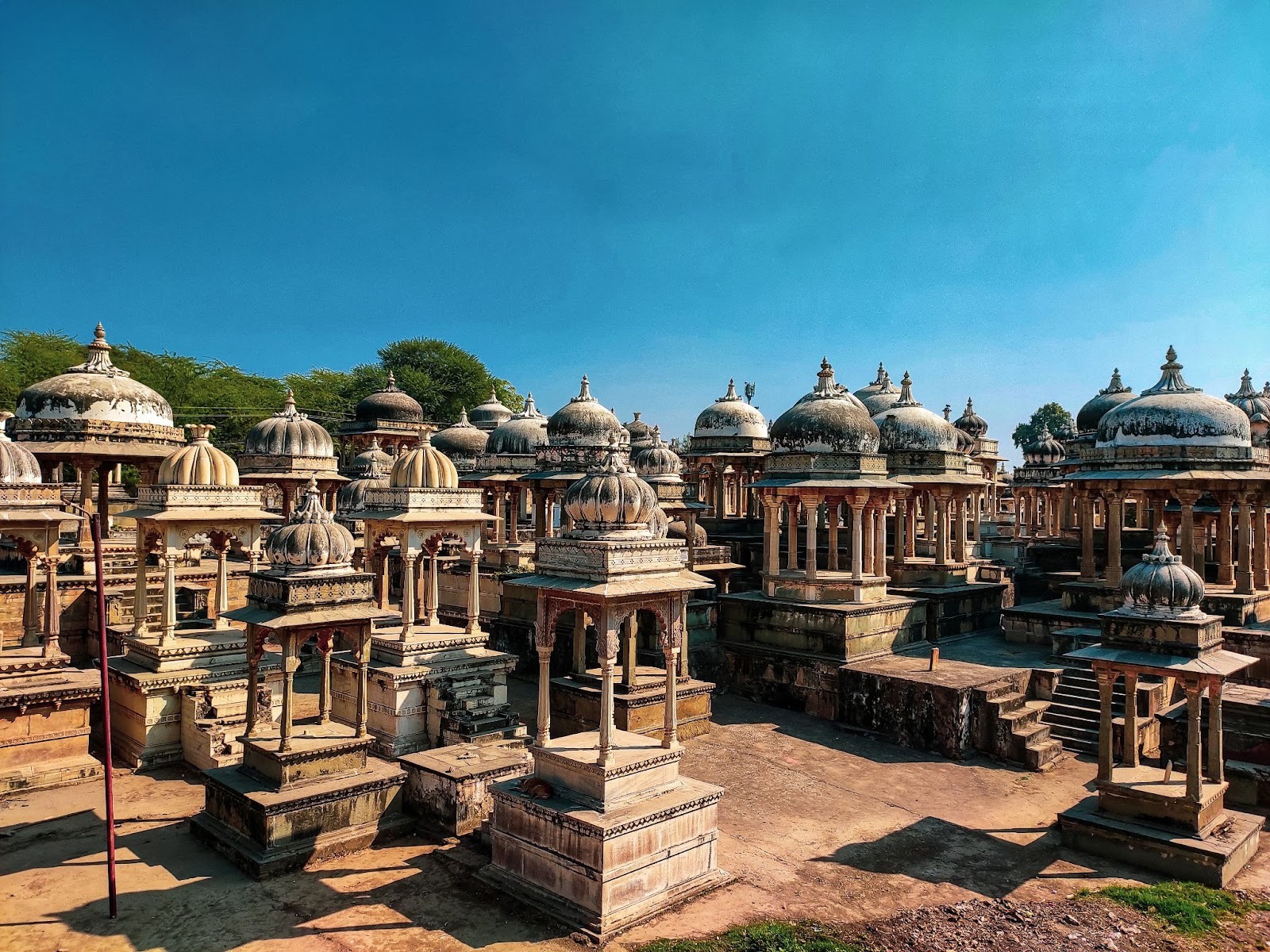
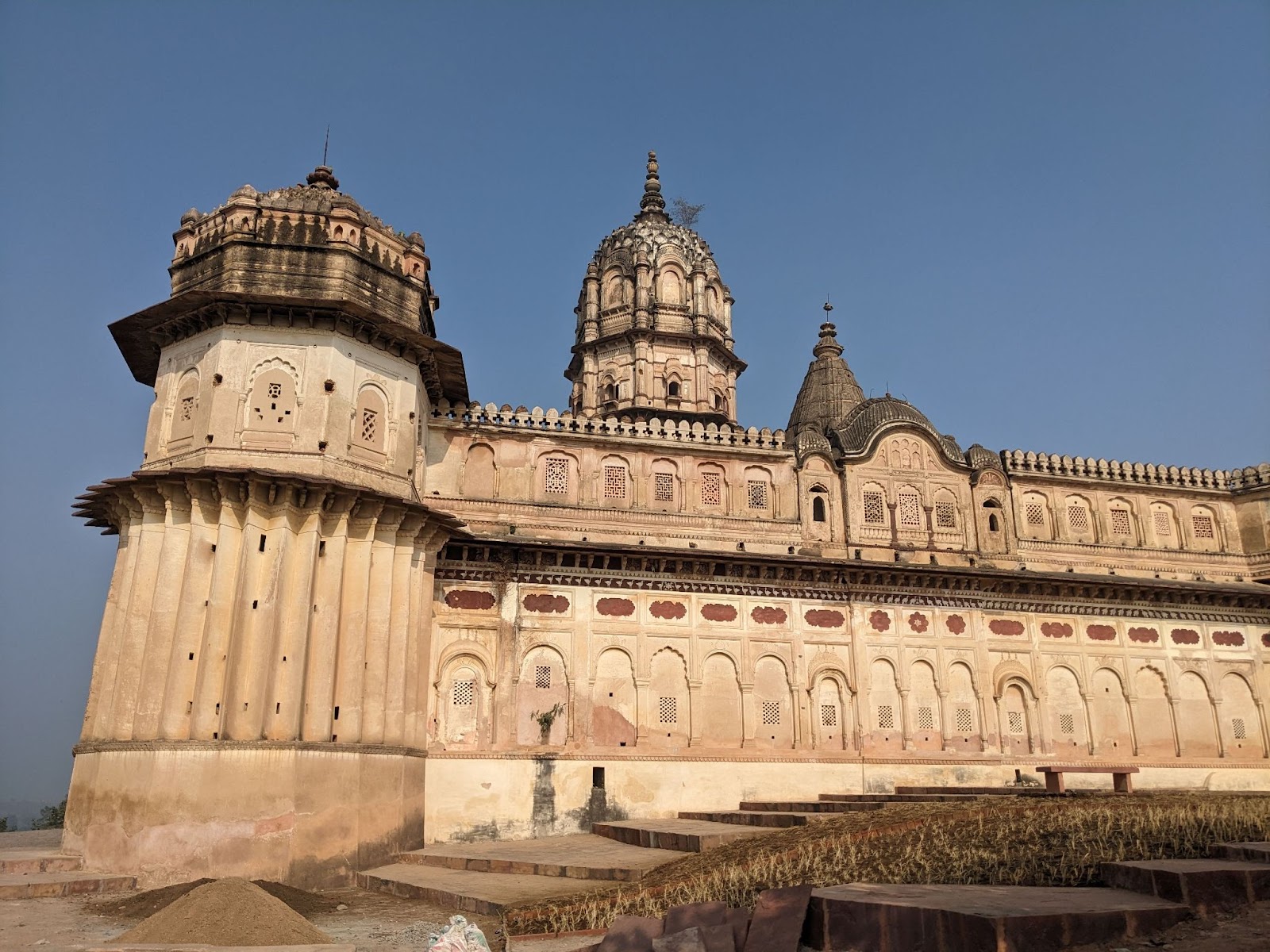
The Orchha Chhatris showcase a beautiful blend of Rajput and Mughal architectural styles. Built on raised platforms overlooking the Betwa River, these three-story structures feature ornate domes, arched openings, decorative balconies, and temple-like spires.
Unlike traditional tombs, the cenotaphs are memorial monuments built to honor deceased rulers. Their elevated design and symmetrical layout create an impressive riverside panorama. The structures remain open on all sides, allowing natural light and air to flow through the interiors.
The complex includes memorials dedicated to rulers such as Raja Madhukar Shah, Bir Singh Deo, Jaswant Singh, Udait Singh, Pahar Singh, and several others. Among all the cenotaphs, the Chhatri of Bir Singh Deo attracts the most visitors due to its grand scale and distinctive Indo-Islamic architectural features.
Photographers, history enthusiasts, and architecture lovers particularly admire the intricate details visible on the domes, arches, and exterior walls.
Best Time to Visit Orchha Chhatris
The ideal time to visit Orchha Chhatris is between October and March when the weather remains pleasant and suitable for sightseeing. The winter season offers clear skies and comfortable temperatures, making it perfect for exploring the monuments and enjoying riverside walks.
The monsoon months from July to September also add a special charm to the site. During this period, the Betwa River flows vigorously, and the surrounding landscape becomes lush green, creating picturesque views around the cenotaphs.
Early morning and sunset are considered the best times of day to visit, as the golden light enhances the beauty of the monuments and their reflections in the river.
How to Reach
Orchha is well connected by road and rail and can be easily reached from major cities in Madhya Pradesh and Uttar Pradesh.
By Air: The nearest airport is Gwalior Airport, located about 120 km away. Khajuraho Airport, around 170 km away, is another convenient option for travelers.
By Train: The nearest railway station is Jhansi Junction, approximately 18 km from Orchha. Jhansi is well connected to Delhi, Mumbai, Bhopal, Agra, and other major cities. Taxis and auto-rickshaws are readily available from Jhansi to Orchha.
By Road: Orchha enjoys good road connectivity with Jhansi, Gwalior, Khajuraho, Tikamgarh, and other nearby destinations. Regular buses and private taxis operate throughout the region.
Local Transport: Once in Orchha, visitors can easily reach the Chhatris by auto-rickshaw, cycle-rickshaw, taxi, or even on foot from the town center.
Nearby Attractions
Raja Mahal
One of Orchha’s most famous palaces, Raja Mahal is known for its beautifully preserved murals, royal chambers, and impressive architecture. The palace offers valuable insight into the lifestyle of the Bundela rulers.
Jahangir Mahal
Built by Raja Bir Singh Deo to commemorate Emperor Jahangir’s visit to Orchha, this magnificent palace combines Mughal and Rajput architectural styles and remains one of the town’s biggest attractions.
Ram Raja Temple
Unlike most Hindu temples, Ram Raja Temple worships Lord Rama as a king rather than a deity. It is one of the most sacred and unique religious sites in Madhya Pradesh.
Lakshmi Narayan Temple
Situated on a hill, this temple is renowned for its remarkable wall paintings that depict mythology, history, and local folklore.
Betwa River Rafting
Adventure seekers can enjoy river rafting on the Betwa River during the suitable season. The activity offers beautiful views of Orchha’s monuments from the water.
Orchha Wildlife Sanctuary
Located along the Betwa River, this sanctuary is home to various species of birds, deer, and other wildlife, making it a pleasant destination for nature lovers.
Maps
FAQs
1. What are Orchha Chhatris famous for?
Orchha Chhatris are famous for their royal cenotaphs built in memory of the Bundela kings and for their stunning riverside location along the Betwa River.
2. Who built the Orchha Chhatris?
The cenotaphs were built by successive rulers of the Bundela dynasty to honor deceased kings and members of the royal family.
3. Which is the most famous chhatri in Orchha?
The cenotaph dedicated to Raja Bir Singh Deo is considered the most prominent and architecturally significant.
4. Are Orchha Chhatris tombs?
No. They are cenotaphs, which are memorial monuments built to commemorate rulers rather than actual burial sites.
5. What is the best time to visit Orchha Chhatris?
The best time to visit is from October to March, although the monsoon season also offers beautiful scenery.
6. How much time is needed to explore the Chhatris?
Most visitors spend around one to two hours exploring the cenotaph complex and enjoying the riverside views.
7. Is photography allowed at Orchha Chhatris?
Yes, photography is generally permitted and the site is particularly popular among landscape and heritage photographers.
8. Can I visit Orchha Chhatris during sunset?
Yes. Sunset is one of the most popular times to visit because of the beautiful reflections of the monuments in the Betwa River.
9. How far are Orchha Chhatris from Jhansi?
The cenotaphs are located approximately 18 km from Jhansi and can be reached within 30 to 40 minutes by road.
10. Are Orchha Chhatris suitable for family visits?
Yes, the site is family-friendly and offers a wonderful combination of history, architecture, photography, and scenic beauty.