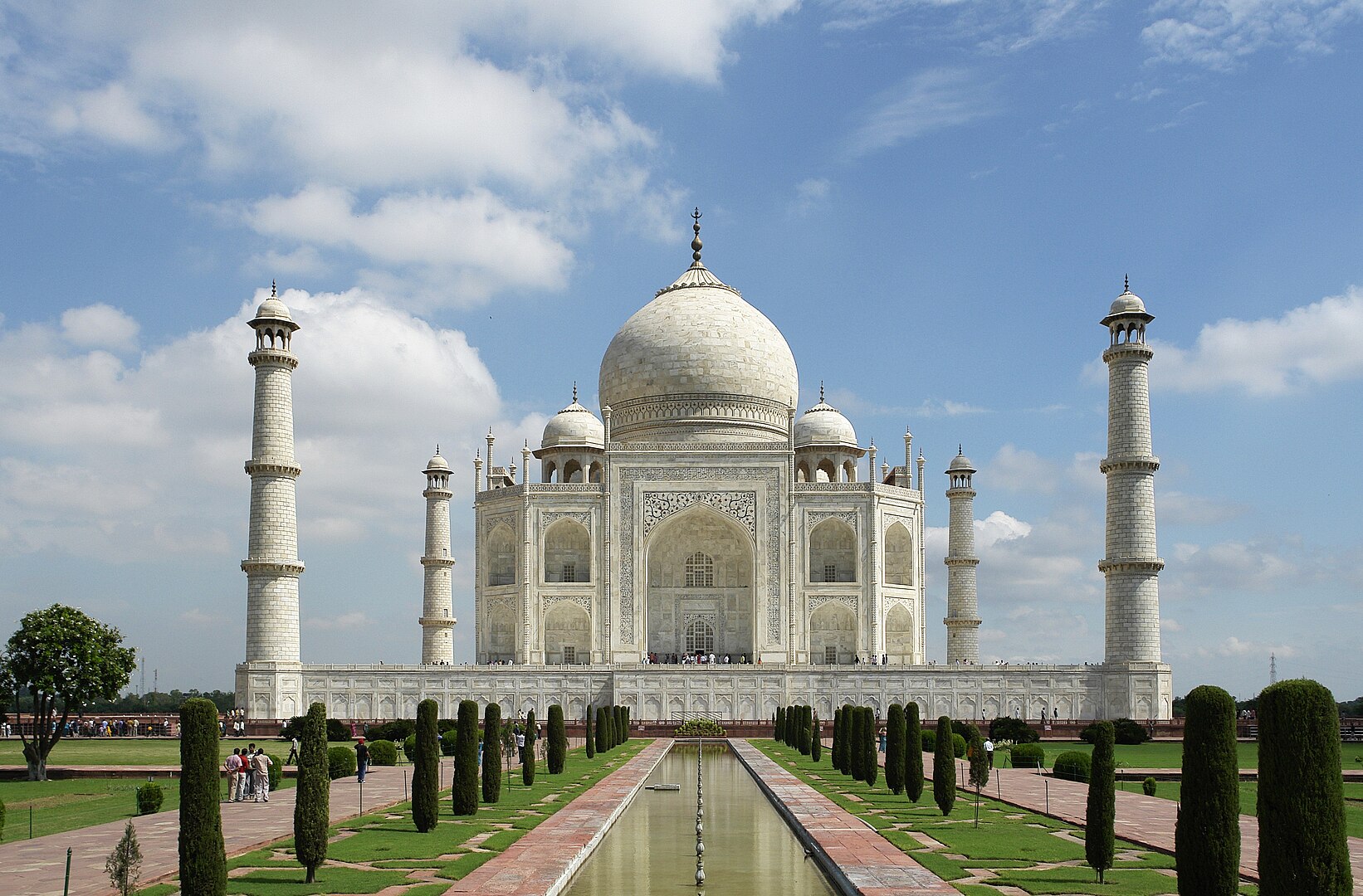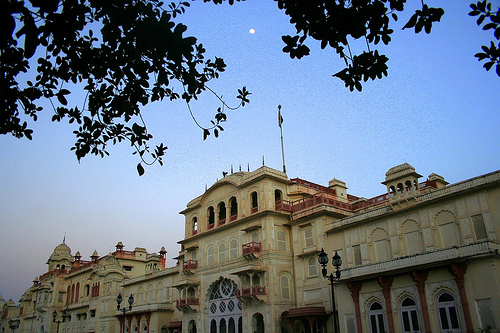
Image Source: Rohit Markande
About Moti Bagh Palace
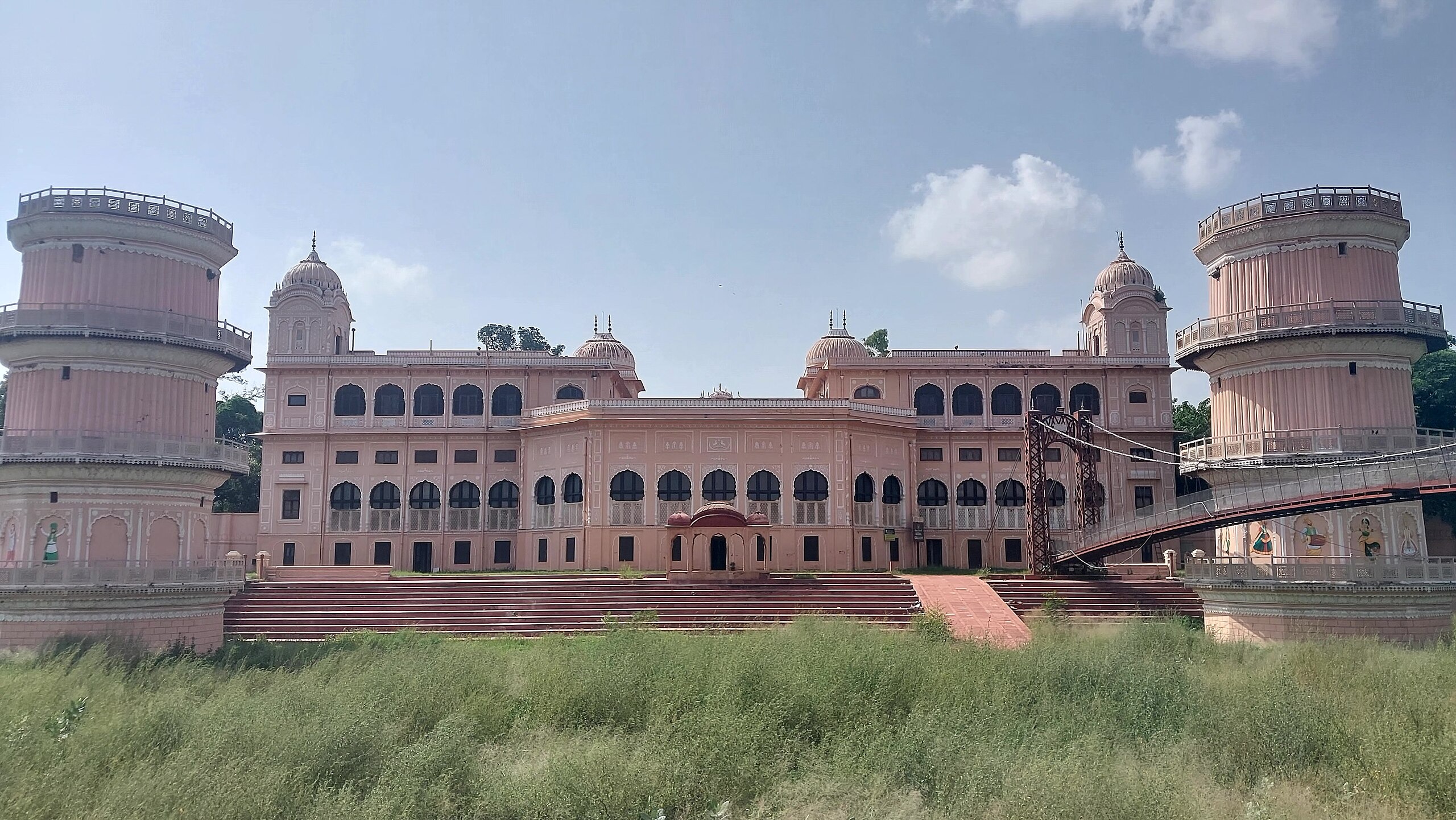
Moti Bagh Palace is one of Punjab’s most impressive royal residences—grand in scale, rich in detail, and steeped in history. The name loosely translates to “Pearl Garden Palace,” which perfectly reflects the elegance and refinement associated with the rulers of Patiala.
More than just a palace, it’s a place where history, culture, and even modern-day sports come together, carrying forward the legacy of the Phulkian dynasty.
History
Moti Bagh Palace was built in the mid-19th century during the reign of Maharaja Narinder Singh. He envisioned it as a sprawling royal retreat—a place for leisure, celebrations, and courtly life.
Over the years, the palace was expanded and enhanced by successive rulers. Interestingly, Narinder Singh himself stands out as one of the most influential contributors to Patiala’s identity. Known for his flamboyant lifestyle and love for architecture, he played a key role in shaping the grandeur you see today.
For many years, Moti Bagh served as the main residence of the royal family. Later, the royals moved to the newer palace complex, but this historic structure continues to remain a symbol of Patiala’s regal past.
Architecture
Moti Bagh Palace is among the largest royal residences in India, easily comparable to the grand estates of Rajasthan and Central India.
A Blend of Styles
The palace beautifully combines Mughal, Rajasthani, and European architectural influences. Arched windows, ornate balconies (jharokhas), domed pavilions (chhatris), and vast courtyards give it a distinctive and layered look.
Sprawling Gardens
True to its name, the palace is surrounded by expansive gardens, lawns, terraces, and water channels inspired by Mughal charbagh layouts—symmetrical and serene.
Lavish Interiors
Inside, the palace once featured richly decorated halls, marble staircases, chandeliers, murals, and antique furnishings—each reflecting royal opulence.
Sheer Scale
With more than 1,000 rooms, multiple wings, and large courtyards, the palace was designed to host not just the royal family but also guests, courtiers, and staff on a grand scale.
Moti Bagh & the National Institute of Sports
One of the most unique aspects of Moti Bagh Palace is its modern-day role. A large part of the complex now houses the Netaji Subhas National Institute of Sports—India’s premier sports training center.
Originally known as the Patiala State Sports Institute, it was later renamed in honor of Subhas Chandra Bose.
Today, the institute trains some of India’s top athletes and coaches. There’s also a sports museum on the premises, showcasing trophies, vintage sports equipment, and memorabilia from legendary athletes—adding a modern layer to this historic space.
Location & Visitor Experience
Located just about 2 km from the heart of Patiala, the palace is easy to reach and close to several other heritage sites.
Why Visitors Love It
- A chance to experience the grandeur of Patiala’s royal past.
- Stunning architecture that’s perfect for photography.
- Cultural events and festivals hosted on the palace grounds.
- A unique mix of heritage and sports culture.
Visitor Information
- Entry: Full access inside the palace is limited due to its use by the NIS, but visitors can explore the outer premises, gardens, and sports museum.
- Timings: Generally open during the day; museum timings may vary.
- Photography: Allowed in outdoor areas—perfect for capturing domes, arches, and gardens.
Best Time to Visit
- October to March: Pleasant weather and lush gardens make this the best time.
- If you’re lucky, you might catch the Patiala Heritage Festival, often hosted in or around the palace grounds.
Nearby Places to Visit
You can easily combine your visit with other landmarks in Patiala:
- Sheesh Mahal – famous for its intricate mirror work.
- Qila Mubarak – the city’s historic fort complex.
- Baradari Gardens – a peaceful green space from the royal era.
- Local markets of Patiala – known for phulkari, juttis, and the iconic “Patiala peg”.
How to Reach Moti Bagh Palace
Moti Bagh Palace is located in the heart of Patiala, Punjab, around 5 km from Patiala city centre. Built by Maharaja Narinder Singh in 1847 and later expanded by Maharaja Bhupinder Singh, the palace is one of the finest examples of Sikh, Mughal, and Rajput architectural influences. Today, the palace complex houses the Netaji Subhas National Institute of Sports (NIS), the North Zone Cultural Centre, and the famous Sheesh Mahal, making it one of Patiala’s most visited heritage attractions.
By Air
The nearest airport is Chandigarh International Airport, located about 65 km from Moti Bagh Palace. The airport is well connected to major Indian cities, and visitors can easily hire taxis or use app-based cab services to reach Patiala.
By Train
The nearest railhead is Patiala Railway Station, approximately 5 km from the palace. The station has regular train services from Delhi, Chandigarh, Ambala, Amritsar, and several other cities. Auto-rickshaws, taxis, and local cabs are readily available outside the station.
By Road
Moti Bagh Palace is easily accessible by road from Chandigarh (about 70 km), Ambala (55 km), Ludhiana (95 km), and Delhi (around 250 km) via NH-7 and other well-maintained highways. Punjab Roadways and private buses operate frequent services to Patiala, while taxis and auto-rickshaws can take visitors directly to the palace from the city’s bus stand, which is about 5 km away.
Google Maps
FAQs
1. Can you enter Moti Bagh Palace?
Only parts of the palace are open to the public. Since a major portion is used by the National Institute of Sports, visitors can mainly explore the outer areas, gardens, and the sports museum.
2. Why is Moti Bagh Palace famous?
It’s known for its grand architecture, royal history, and its unique role today as a sports training hub.
3. How much time is needed to visit?
Around 1–2 hours is enough to explore the accessible areas and nearby attractions.
4. Is photography allowed inside the palace?
Photography is generally allowed in outdoor areas, but restrictions may apply inside certain sections.
5. What is the best time to visit Moti Bagh Palace?
Winter months (October to March) are ideal due to pleasant weather and well-maintained gardens.
6. Is the sports museum worth visiting?
Yes, especially if you’re interested in Indian sports history—it offers a glimpse into the achievements of top athletes.
7. Can Moti Bagh Palace be covered in a day trip?
Absolutely. It can be comfortably explored along with other nearby attractions in Patiala within a day.