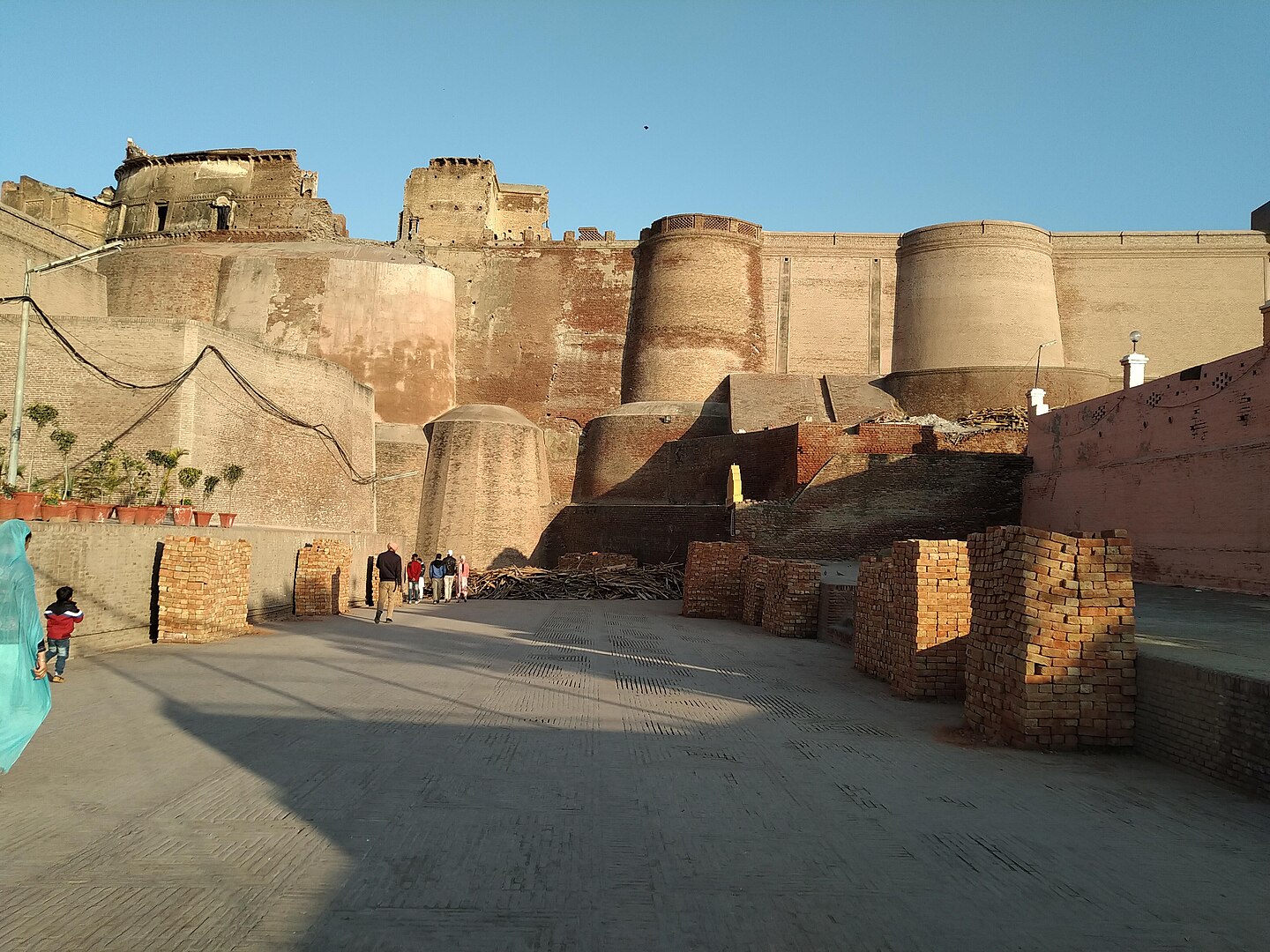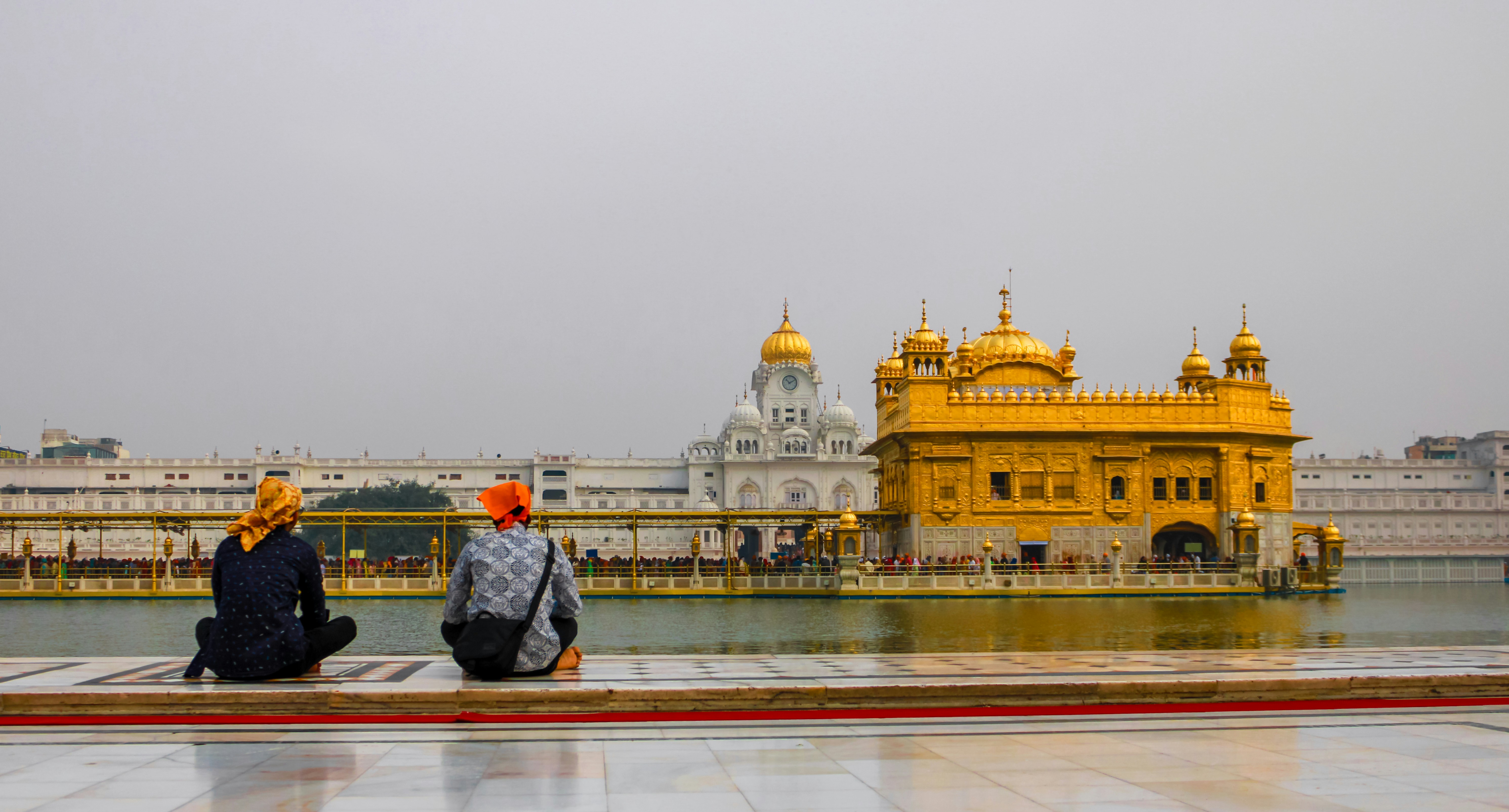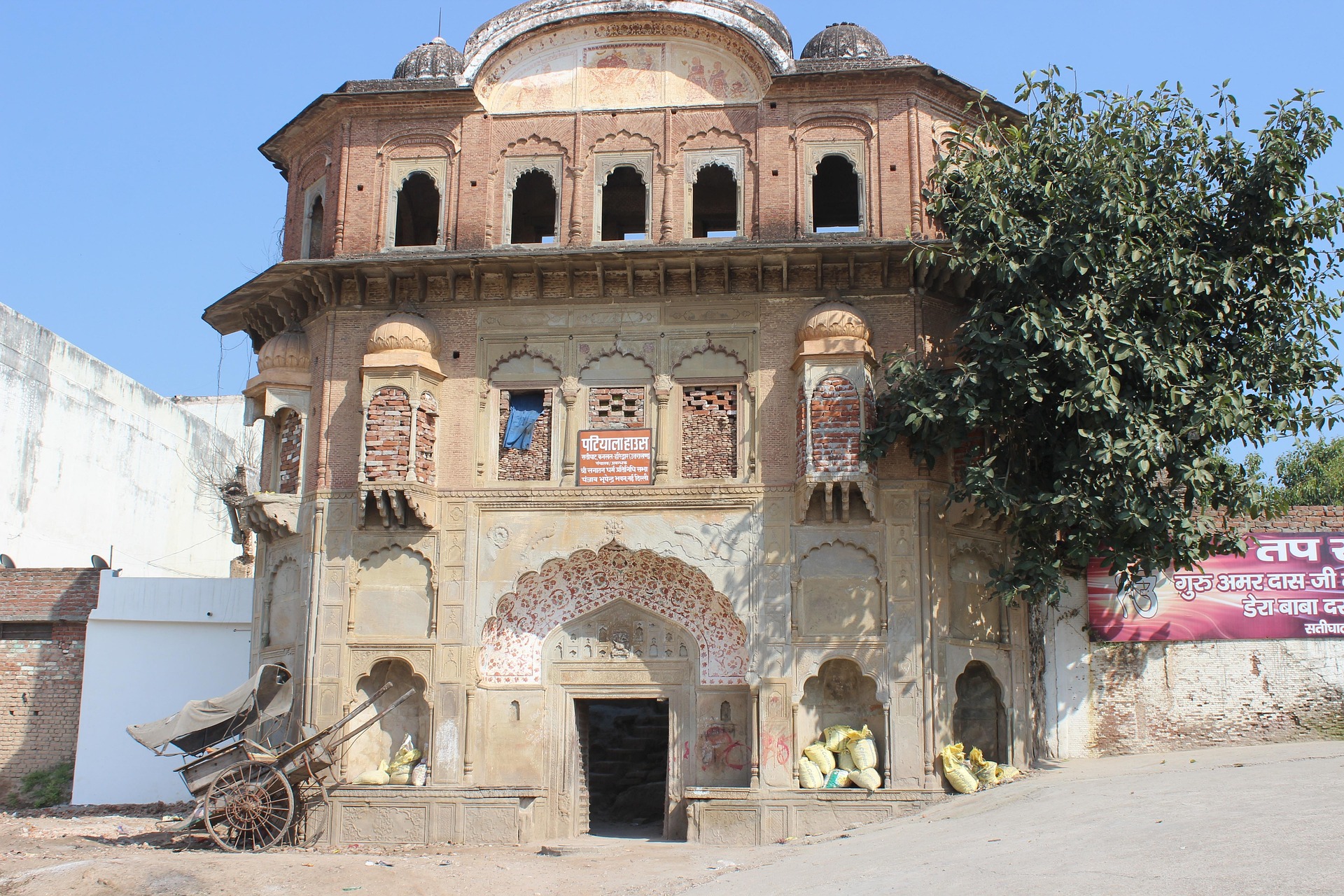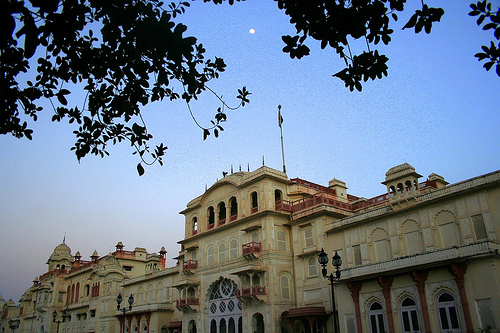
Image Source: Keshuseeker
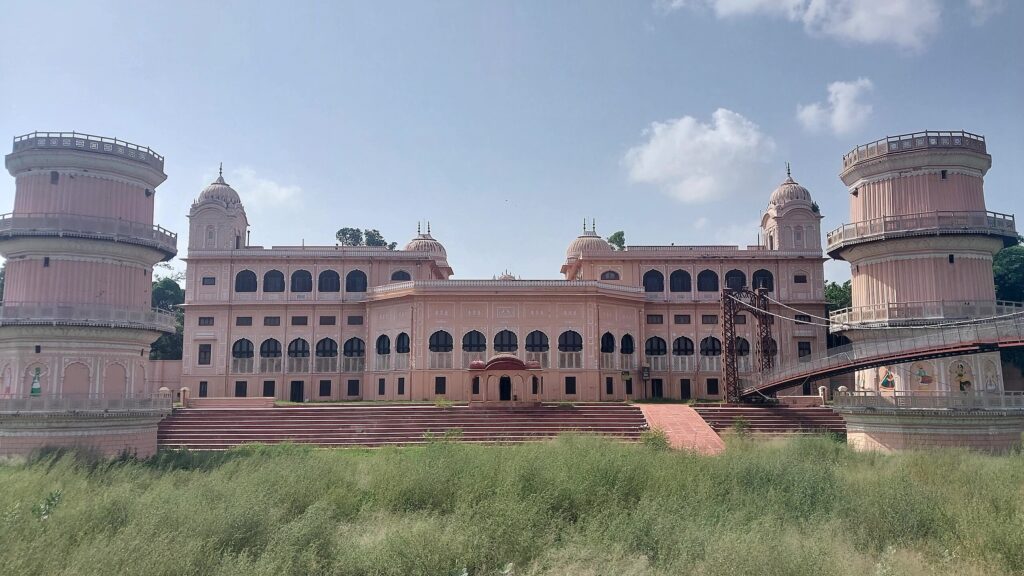
One of the most magnificent royal landmarks in Patiala, Sheesh Mahal is a stunning reminder of Punjab’s regal past. Popularly known as the “Palace of Mirrors,” this architectural marvel was built during the golden period of the Phulkian dynasty and reflects the luxurious lifestyle, refined artistic taste, and cultural richness of Patiala’s royal family. Commissioned by Maharaja Narinder Singh, who ruled between 1845 and 1862, the palace was designed not as a military fortification but as a place of leisure, art, and royal entertainment.
Unlike the older Qila Mubarak, which served primarily as a fortified residence, Sheesh Mahal was envisioned as an elegant retreat where the Maharaja could relax, host cultural gatherings, and showcase his prized collection of art and antiques. Even today, the palace continues to captivate visitors with its mirror-studded halls, painted chambers, peaceful gardens, and historical artifacts.
History
Maharaja Narinder Singh was widely admired for his patronage of architecture, music, literature, and fine arts. During his reign, Patiala flourished as a center of culture and royal sophistication. Sheesh Mahal became one of his most ambitious projects, representing both royal grandeur and artistic excellence.
The palace complex was carefully planned with gardens, fountains, water channels, artificial lakes, and recreational spaces. It was meant to be a pleasure palace where members of the royal court could enjoy poetry gatherings, music performances, and cultural events in a serene environment away from the busy royal fort.
Over the years, the palace evolved into a treasure house of art and heritage. Today, it stands not only as an architectural masterpiece but also as an important cultural symbol of Punjab’s princely era.
Architecture of Sheesh Mahal
Sheesh Mahal beautifully combines Mughal, Rajput, and Sikh architectural influences. Every corner of the palace reflects extraordinary craftsmanship, from decorative arches and carved balconies to colorful murals and mirror mosaics.
The Famous Hall of Mirrors
The most breathtaking feature of the palace is undoubtedly its mirror work. Thousands of tiny mirrors are delicately embedded into floral and geometric patterns across the walls and ceilings. When light falls on these mirrors, the entire chamber glows with shimmering reflections, creating a magical atmosphere. This dazzling effect is what earned the palace the name “Sheesh Mahal.”
The artistry of the mirror work is remarkable because each piece was carefully hand-cut and arranged by skilled craftsmen. Even after decades, the intricate detailing continues to impress visitors and historians alike.
Frescoes and Wall Paintings
The walls and ceilings of Sheesh Mahal are adorned with colorful frescoes depicting scenes from Hindu mythology, Sikh history, Persian poetry, royal life, and Indian epics. Some paintings portray musical themes like Rag Ragini, while others depict courtly celebrations, romantic tales, and poetic gatherings.
These murals provide a glimpse into the cultural world of Punjab’s royal courts, where music, poetry, and storytelling played an important role in daily life. The paintings also reveal the influence of Persian and Mughal artistic traditions that blended seamlessly with regional Punjabi aesthetics.
Architectural Layout
The palace complex features graceful archways, ornamental columns, jharokhas (projecting balconies), and decorative stucco work. Terraced gardens and fountains once surrounded the palace, enhancing its royal charm.
One of the most unique attractions within the complex is the iron suspension bridge known as Lakshman Jhula. Inspired by the famous bridge in Rishikesh, this bridge connects Sheesh Mahal with Banasar Ghar, a garden retreat located across the artificial lake. The bridge adds both beauty and engineering interest to the palace grounds.
Museum and Art Gallery
Today, Sheesh Mahal houses an impressive museum and art gallery that preserves valuable pieces of Punjab’s royal heritage. The museum contains one of North India’s finest collections of miniature paintings from the Kangra, Rajasthani, and Patiala schools of art.
Visitors can also explore:
- Rare manuscripts and historical documents
- Antique coins and sculptures
- Traditional metalwork and decorative objects
- Portraits of the Patiala royal family
- Old weapons and ceremonial artifacts
The museum offers fascinating insight into the artistic preferences and luxurious lifestyle of the Patiala rulers. Art lovers and history enthusiasts often spend hours exploring the detailed collections preserved inside the palace.
Why Travelers Love Sheesh Mahal
Sheesh Mahal is more than just a historic building—it is an immersive cultural experience. Travelers are drawn to the palace for several reasons.
A Window into Royal Punjab
The palace provides a vivid glimpse into the elegance and sophistication of Punjab’s princely courts. From glittering mirror halls to painted ceilings, every section reflects royal luxury and artistic refinement.
A Paradise for Photography
The interplay of mirrors, frescoes, arches, and natural light makes Sheesh Mahal a dream location for photography enthusiasts. Heritage photographers especially enjoy capturing the ornate interiors and symmetrical architecture.
Peaceful Atmosphere
Despite being located in the city, the palace complex maintains a calm and relaxing environment. The gardens, water features, and old pathways create a charming historical ambiance that feels far removed from modern urban life.
How to Reach
Sheesh Mahal is one of the most magnificent heritage attractions in Patiala, Punjab. Built during the reign of Maharaja Narinder Singh in the 19th century, the palace was once the royal summer residence of the Patiala rulers. It is renowned for its intricate mirror work, vibrant frescoes, elegant architecture, and the famous Medal Gallery, which houses one of Asia’s largest collections of medals and decorative art. Located within the Moti Bagh Palace Complex, Sheesh Mahal is easily accessible from all parts of Patiala.
By Air
The nearest airport is Chandigarh International Airport, approximately 65 km from Sheesh Mahal. The airport has regular flights from major Indian cities, and visitors can hire taxis or app-based cabs to reach Patiala in about 1.5 to 2 hours.
By Train
The nearest railway station is Patiala Railway Station, located about 5 km from the palace. The station is well connected to Delhi, Chandigarh, Ambala, Ludhiana, and Amritsar. Auto-rickshaws, taxis, and local cabs are readily available outside the station.
By Road
Sheesh Mahal enjoys excellent road connectivity with Chandigarh (70 km), Ambala (55 km), Ludhiana (95 km), and Delhi (around 250 km). Punjab Roadways and private buses operate regular services to Patiala. From the city bus stand, the palace is about 5 km away and can be reached easily by taxi or auto-rickshaw.
Nearby Attractions
Visitors often combine their Sheesh Mahal trip with nearby attractions such as:
- Qila Mubarak.
- Moti Bagh Palace.
- Baradari Gardens.
- Gurudwara Dukh Nivaran Sahib.
Visitor Information
Timings
The palace is generally open from 10 AM to 5 PM. It usually remains closed on Mondays and certain public holidays.
Entry Fee
A small entry fee is charged for visitors. Separate camera charges may apply for photography inside certain sections.
Guided Tours
Formal guided tours may not always be available, but local guides near the complex often provide detailed explanations about the murals, paintings, and royal history.
Best Time to Visit
The ideal time to visit Sheesh Mahal is between October and March, when the weather in Patiala remains pleasant and suitable for sightseeing.
If possible, plan your trip during the Patiala Heritage Festival, which showcases Punjabi folk music, dance performances, crafts, and traditional culture. The festive atmosphere adds even more charm to the palace experience.
Travel Tips
- Photography without flash is recommended because the interiors are dimly lit to protect the mirror work and frescoes.
- Spend time observing the fine details on the ceilings and walls, as many artistic elements are easy to miss in a quick visit.
- Visit during the morning or late afternoon for softer lighting and fewer crowds.
- Wear comfortable footwear if you plan to explore the entire palace complex and surrounding gardens.
Google Maps
FAQs
Why is Sheesh Mahal called the Palace of Mirrors?
The palace gets its name from the extensive mirror work decorating its interiors. Thousands of tiny mirrors embedded in the walls and ceilings create dazzling reflections when illuminated.
Who built Sheesh Mahal in Patiala?
Sheesh Mahal was commissioned by Maharaja Narinder Singh of the Phulkian dynasty during the mid-19th century.
Is photography allowed inside Sheesh Mahal?
Yes, photography is generally allowed, although additional camera charges may apply in some sections. Flash photography is discouraged to help preserve the artwork.
How much time is needed to explore Sheesh Mahal?
Most visitors spend around 1.5 to 2 hours exploring the palace, museum, gardens, and nearby surroundings.
What are the main attractions inside Sheesh Mahal?
The Hall of Mirrors, fresco paintings, miniature art gallery, suspension bridge, royal portraits, and museum collections are among the top attractions.
What is the best season to visit Sheesh Mahal?
Winter, especially from October to March, is considered the best time because the weather is cool and comfortable for sightseeing.
Are guides available at the palace?
Local guides are often available near the entrance and can provide detailed historical and artistic information about the palace complex.