Image source: YP JainAbout Tirumalai Jain Temple
About Tirulmala
Tirumalai, also known as Arhatsgiri or Arhasugiri, is a historically important Jain pilgrimage site located near Polur in the Tiruvannamalai district of Tamil Nadu. Surrounded by rocky hills and peaceful rural landscapes, this sacred destination has been a center of Jain spirituality and learning for more than a thousand years. The site dates back to around the 10th century CE and continues to attract pilgrims, historians, and architecture enthusiasts from across India.
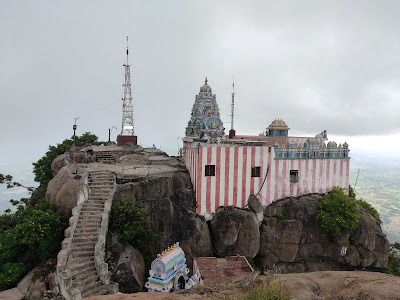
Perched on a hilltop, Tirumalai is known for its ancient Jain temples, natural caves, inscriptions, and magnificent sculptures that reflect the rich heritage of Jainism in South India. The atmosphere here is calm and spiritual, making it an ideal place for meditation and quiet exploration. The climb to the hill offers scenic views of the surrounding countryside and gives visitors a glimpse into the monastic life once practiced here.
The Majestic Statue of Bhagavan Neminatha
One of the most remarkable attractions at Tirumalai is the gigantic monolithic statue of Bhagavan Neminatha, the 22nd Tirthankara in Jainism. Standing approximately 16 feet tall, this sculpture is among the tallest ancient Jain statues in Tamil Nadu. Carved out of a single rock, the statue displays extraordinary craftsmanship and spiritual symbolism.
The serene expression on the face of Neminatha reflects the ideals of peace, renunciation, and enlightenment associated with Jain philosophy. Positioned on the hill, the statue overlooks the surrounding landscape and creates a striking visual impression for visitors climbing toward the temple complex. The monument is not only a sacred icon for devotees but also an important example of medieval South Indian rock-cut artistry.
Ancient Jain Temples and Architecture
Tirumalai houses two ancient Jain temples that showcase the elegance of early Jain architecture in Tamil Nadu. The most prominent among them is the temple dedicated to Bhagavan Neminatha. Built using stone with beautifully carved pillars and detailed sculptures, the temple stands as a testimony to the artistic and religious achievements of the Jain community during the Chola period.
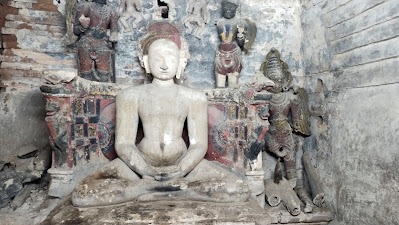
Inside the temple, visitors can find intricate carvings, inscriptions, and images of Tirthankaras that reveal the devotional practices of ancient Jain monks and followers. Despite the passage of centuries, much of the structure has retained its historical charm. The temple’s simple yet graceful design reflects the Jain emphasis on spiritual purity and minimalism.
Jain Caves and Monastic Heritage
Apart from the temples, Tirumalai is also famous for its three Jain caves that were once used by monks for meditation and religious practices. These caves provide insight into the ascetic lifestyle followed by Jain saints in ancient times. The naturally formed rock shelters, combined with carved beds and inscriptions, indicate that the site served as an important monastic center for centuries.
Walking through these caves gives visitors a sense of the spiritual discipline practiced by Jain monks who chose isolated hill regions for meditation and self-realization. The caves also preserve traces of Tamil Jain culture, which played a major role in shaping literature, philosophy, and education in medieval South India.
Historical Inscriptions and Cultural Importance
Numerous inscriptions discovered at Tirumalai date back to 1024 CE and are written in Tamil and other ancient scripts. These inscriptions provide valuable historical information about donations, religious activities, royal patronage, and the development of Jainism in the region.
Historians believe that the site flourished during the reign of the Chola rulers, who supported various religious traditions, including Jainism. The inscriptions also help scholars understand the spread of Jain philosophy across Tamil Nadu and the important role played by Jain monks in preserving knowledge and education.
Mythological Beliefs and Spiritual Significance
According to local traditions and Jain beliefs, Tirumalai is associated with the spiritual journey of thousands of Jain monks. It is believed that more than 8,000 Jain monks accompanying the revered sage Bhadrabahu attained nirvana at this sacred site. This belief has elevated Tirumalai into one of the holiest Jain pilgrimage centers in South India.
The association with Bhadrabahu, who is regarded as one of the last Jain acharyas to possess complete knowledge of Jain scriptures, adds immense spiritual significance to the hill. Pilgrims visit the site seeking peace, blessings, and a deeper connection with Jain teachings centered around non-violence, truth, and liberation.
Scenic Beauty and Visitor Experience
Beyond its religious importance, Tirumalai is also admired for its natural beauty. The hill is surrounded by greenery, rocky formations, and open landscapes that create a peaceful atmosphere away from crowded urban centers. The climb to the temple complex is moderately challenging but rewarding, especially during the early morning or evening hours when the weather is pleasant.
Visitors often spend time admiring the panoramic views, exploring the ancient structures, and experiencing the calmness that defines the site. Photography enthusiasts, history lovers, and spiritual travelers all find Tirumalai to be a fascinating destination.
Best Time to Visit Tirumalai
The ideal time to visit Tirumalai is between October and March when the weather remains cooler and comfortable for climbing the hill. Summers in Tamil Nadu can be quite hot, making daytime visits difficult. Early mornings are considered the best time for exploration and photography.
Maps and Location
FAQs
1. Where is Tirumalai Jain Temple located?
Tirumalai is located near Polur in the Tiruvannamalai district of Tamil Nadu, India.
2. Why is Tirumalai important in Jainism?
It is one of the most significant Jain pilgrimage sites in South India and is associated with ancient Jain monks and the sage Bhadrabahu.
3. What is the main attraction at Tirumalai?
The main attraction is the 16-foot-high monolithic statue of Bhagavan Neminatha, one of the tallest Jain statues in Tamil Nadu.
4. How old is the Tirumalai Jain complex?
The site dates back to around the 10th century CE, though some traditions suggest it may have been sacred even earlier.
5. Are there caves at Tirumalai?
Yes, Tirumalai has three ancient Jain caves that were used by monks for meditation and spiritual practices.
6. What do the inscriptions at Tirumalai reveal?
The inscriptions, dating back to 1024 CE, provide information about donations, religious activities, and the history of Jainism in Tamil Nadu.
7. Is Tirumalai suitable for tourists as well as pilgrims?
Yes, the site attracts pilgrims, history enthusiasts, architecture lovers, and travelers seeking peaceful surroundings.
8. What is the best time to visit Tirumalai?
The best time to visit is from October to March when the climate is pleasant for sightseeing and climbing the hill.