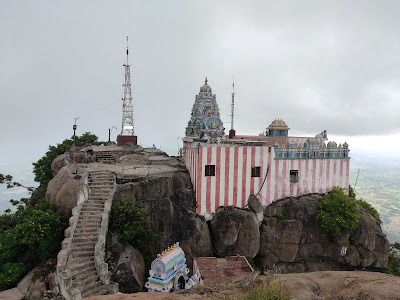
Image source: Purushothaman Magi
About Parvathamalai
Nestled in the peaceful landscapes near Polur in the Tiruvannamalai district of Tamil Nadu, Parvathamalai is one of South India’s most fascinating spiritual trekking destinations. Surrounded by rocky hills, forest patches, and rural villages, this sacred hill attracts a unique mix of pilgrims, adventure seekers, photographers, and meditation enthusiasts throughout the year.
Unlike ordinary hill stations, Parvathamalai offers a deeply spiritual atmosphere combined with an adventurous climb. The journey to the summit is not just a physical trek but also a devotional experience for many visitors. The hill stands tall as part of the Eastern Ghats and is especially popular among devotees of Lord Shiva.
The name “Parvathamalai” literally means “Hill of Goddess Parvati.” According to local belief, Goddess Parvati performed penance here to seek the blessings of Lord Shiva, giving the hill immense religious importance among Tamil devotees.
Spiritual Importance of Parvathamalai
Parvathamalai has been revered for centuries as a powerful spiritual center. At the summit lies the ancient temple of Lord Mallikarjuna, a form of Lord Shiva worshipped in many sacred Shaivite traditions. Local legends suggest that the temple is more than 2,000 years old and shares a mystical connection with the famous Arunachaleswarar Temple in Tiruvannamalai.
Many devotees believe the hill is filled with divine vibrations and positive spiritual energy. Saints, Siddhas, and sages are said to have meditated in the caves and forests around the hill for enlightenment and spiritual power. Even today, many visitors climb the hill not only for adventure but also to experience silence, meditation, and inner peace.
The hill becomes especially crowded during full moon nights (Pournami), Maha Shivaratri, and Karthigai Deepam celebrations. Devotees often chant “Om Namah Shivaya” while trekking, creating an atmosphere that feels both spiritual and uplifting.
The Challenging Trek Experience
One of the biggest attractions of Parvathamalai is its thrilling trek. Unlike simple walking trails, this climb involves steep rocky paths, narrow ridges, iron ladders, chain railings, and giant boulders. The trek is considered moderately difficult to challenging, making it one of the most adventurous pilgrimage treks in Tamil Nadu.
The total trekking distance is around 6–7 kilometers depending on the route chosen. Most trekkers take around 3 to 5 hours to reach the summit. During the climb, visitors pass through forest trails, stone pathways, small shrines, and resting spots where pilgrims pause for prayers and relaxation.
The most popular trekking routes begin from:
Thenmathimangalam Route
This is the longer and more traditional trekking route. Many devotees prefer this path because it passes through scenic landscapes and offers a gradual spiritual journey toward the summit.
Kadaladi Route
The Kadaladi route is shorter and more adventurous. It is popular among experienced trekkers because it includes steeper climbs and the famous iron ladder section.
One of the most exciting parts of the trek is the “Kadapparai” section, where trekkers climb using iron rods and chains fixed onto the rocks. Though physically demanding, the experience becomes unforgettable once visitors witness the breathtaking views from above.
Night Trekking at Parvathamalai
Night trekking is extremely popular at Parvathamalai. Many pilgrims begin the climb late in the evening or around midnight so they can reach the summit before sunrise. Walking under the moonlight with cool winds and temple chants creates a magical atmosphere.
The sunrise view from the summit is one of the most rewarding experiences here. As dawn breaks, the surrounding hills, forests, and villages slowly emerge from the mist, offering stunning panoramic views of the Tiruvannamalai region.
During full moon nights, the hill becomes lively with groups of trekkers carrying flashlights, devotional songs echoing through the trails, and temporary stalls selling tea and snacks near the base villages.
The Temple at the Summit
At the top of Parvathamalai stands the sacred Mallikarjuna Swamy Temple. The temple may appear simple compared to large South Indian temple complexes, but its spiritual atmosphere leaves a deep impact on visitors.
The main deity is worshipped in the form of a Shiva Lingam. Inside the small sanctum, devotees offer flowers, camphor, coconuts, and prayers. Priests conduct regular poojas, especially during festival days and weekends when visitor numbers increase.
Near the temple, there are natural rock formations believed by devotees to represent divine manifestations of Lord Shiva. Pilgrims often sit quietly around the summit for meditation, prayer, and relaxation after completing the difficult climb.
Some devotees even stay overnight near the temple, experiencing the silence and cold mountain air before descending the next morning.
Natural Beauty Around the Hill
Apart from its spiritual importance, Parvathamalai is also admired for its untouched natural beauty. The hill is surrounded by dense vegetation, medicinal plants, rocky landscapes, and seasonal streams. During the monsoon and winter months, the region becomes greener and more refreshing.
Birdwatchers and nature lovers often spot various species of birds, butterflies, and small wildlife along the trekking paths. The peaceful forest environment makes the place ideal for meditation and escaping city life.
From the summit, visitors can enjoy wide panoramic views of nearby villages, agricultural lands, distant hills, and the vast plains of northern Tamil Nadu. On clear days, the scenery becomes especially spectacular during sunrise and sunset.
Best Time to Visit
The ideal time to visit Parvathamalai is between November and February when the weather remains cool and comfortable for trekking. Early mornings and winter nights are particularly pleasant.
Avoid trekking during heavy monsoon rains because the rocks become slippery and dangerous. Summer trekking can also be exhausting due to high temperatures and humidity.
Many visitors prefer weekends and full moon days, though weekdays are quieter and more peaceful.
Local Food and Village Atmosphere
The villages around Parvathamalai still preserve a traditional rural Tamil culture. Small roadside stalls near the trekking base offer tea, coffee, lemon juice, buttermilk, and simple local meals for trekkers.
You may also find traditional Tamil snacks such as murukku, sundal, bajji, and hot idlis served during festival periods and busy trekking nights. Local villagers are generally friendly and often guide first-time visitors regarding routes and safety.
How to Reach Parvathamalai
Parvathamalai is a sacred hill and popular trekking destination located in the Tiruvannamalai district of Tamil Nadu, near Polur. The trek usually begins from Thenmathimangalam or Kadaladi villages, both of which serve as the main base points for reaching the hill.
- By Air: The nearest airport is Puducherry Airport, about 85–90 km away. For better flight connectivity, you can also use Chennai International Airport (around 190–200 km) or Kempegowda International Airport, Bengaluru (around 220 km). From the airport, taxis and buses are available to Tiruvannamalai or Polur.
- By Train: The nearest railway stations are Polur (around 20 km) and Tiruvannamalai (around 35–40 km). Both stations are connected to major cities such as Chennai, Villupuram, and Bengaluru. From either station, visitors can hire taxis or take local buses to the trekking base villages.
- By Road: Parvathamalai is well connected by road via Tiruvannamalai and Polur. Regular buses operate from Chennai, Bengaluru, Vellore, and Tiruvannamalai to Polur. From Polur or Tiruvannamalai, local buses, shared autos, and taxis are available to Thenmathimangalam or Kadaladi, where the trek begins.
Nearby Attractions
- Arunachaleswarar Temple, Tiruvannamalai.
- Arunachala Hill (Girivalam Path).
- Sathanur Dam.
- Javadi Hills.
- Beemanmadavu Waterfalls.
- Gingee Fort.
- Sri Ramana Ashram.
- Virupaksha Cave.
- Skandashram.
- Kadaladi Trek Base.
- Thenmathimangalam Trek Base.
- Siddhar Cave, Parvathamalai.
- Kailasa Giri Temple.
- Yelagiri Hills (ideal for an extended trip).
- Vellore Fort (for visitors travelling via Vellore).
Travel Tips for Visitors
- Wear comfortable trekking shoes with good grip.
- Carry enough drinking water and light snacks.
- Avoid carrying heavy luggage during the climb.
- Use flashlights or headlamps for night trekking.
- Trek carefully during rainy weather.
- Respect the spiritual atmosphere and avoid littering.
- Beginners should ideally trek in groups rather than alone.
- Start the trek early to avoid afternoon heat.
Accessibility
Parvathamalai is located around 25 km from Polur and 20 km from Tiruvannamalai. The nearest major town is Tiruvannamalai, which is well connected by road and rail. Visitors often take buses or private transport to reach the base of the hill.
FAQs
Where is Parvathamalai located?
Parvathamalai is located near Polur in the Tiruvannamalai district of Tamil Nadu, India.
Why is Parvathamalai famous?
It is famous for its Shiva temple, spiritual significance, challenging trekking route, and scenic hilltop views.
How difficult is the Parvathamalai trek?
The trek is considered moderately difficult to challenging because of steep climbs, iron ladders, chain railings, and rocky terrain.
How long does it take to climb Parvathamalai?
Most trekkers take around 3 to 5 hours to reach the summit depending on their fitness level and chosen route.
Is night trekking allowed at Parvathamalai?
Yes, night trekking is very popular, especially during full moon days and festival occasions.
Which is the best route for trekking?
The Kadaladi route is shorter and adventurous, while the Thenmathimangalam route is longer and more traditional.
What is the best time to visit Parvathamalai?
The winter season from November to February is considered the best time for trekking and sightseeing.
Is Parvathamalai suitable for beginners?
Beginners can attempt the trek, but it is advisable to go with experienced trekkers or in groups because some sections are steep and challenging.
Are food and water available during the trek?
Basic food stalls and tea shops are available near the base villages, but carrying your own water and snacks is recommended.
What can visitors see from the summit?
The summit offers panoramic views of forests, villages, rocky hills, and the surrounding Tiruvannamalai region.