Image source: Karthik Easvur
About Javadi Hills
The scenic Javadi Hills, also known as Jawadhu Hills or Jawadhu Malai, are a beautiful extension of the Eastern Ghats in northern Tamil Nadu. Spread across the districts of Vellore, Tirupattur, and Tiruvannamalai, these hills are known for their peaceful landscapes, tribal heritage, forests, waterfalls, and cool climate. Unlike many crowded hill stations, Javadi Hills still retain a raw and untouched charm, making them ideal for nature lovers, trekkers, photographers, and travelers seeking solitude.
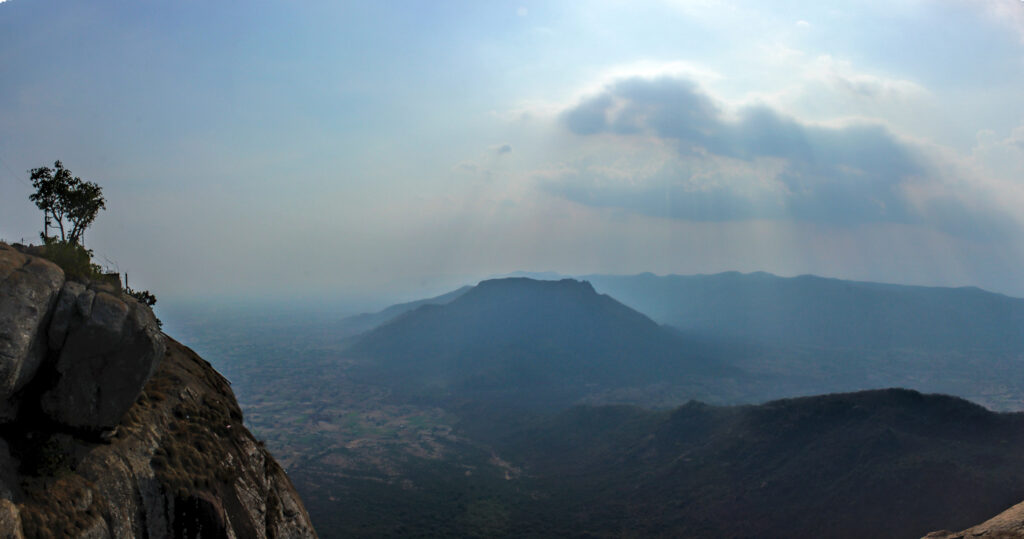
The hills rise to an average elevation of around 1,300 to 1,350 meters above sea level, with several peaks offering sweeping views of valleys, forests, and distant plains. Because of their pleasant climate and green surroundings, the region is often called a hidden paradise of Tamil Nadu. The terrain is relatively gentle compared to steeper mountain regions, which makes exploring the hills easier and more enjoyable.
Geography and Natural Landscape
Geographically, the Javadi Hills form part of the Eastern Ghats and stretch roughly 80 kilometers in length and about 32 kilometers in width. The landscape is divided into eastern and western sections by the Cheyyar and Agaram rivers, both of which are tributaries of the Palar River. The eastern slopes are particularly lush and green, while some western sections appear drier and rockier.
One of the most striking features of the hills is their changing appearance during different times of the day. During sunset, the mountain range often takes on a soft purple hue, creating a magical atmosphere across the valleys and forests. Thick patches of woodland, scattered tribal villages, streams, and cultivated lands together create a unique ecological environment.
The hills also hold geographical importance because they mark part of the southern boundary of the Deccan Plateau. Their elevation and forest cover help regulate local weather conditions and support biodiversity in northern Tamil Nadu.
Geological Features
The Javadi Hills are primarily composed of ancient bluish-grey granite formations. These rocky structures are believed to be millions of years old and form a significant part of the Eastern Ghats geological system. Over centuries, erosion by rivers and weather patterns has shaped the rolling hills, valleys, and cliffs visible today.
The region contains rich soil suitable for agriculture in several plateau areas. Forested slopes also support medicinal plants, shrubs, and various native tree species. Due to its geological stability and low levels of light pollution, parts of the hills were even selected for astronomical research facilities.
Historical Importance of Javadi Hills
The history of the Javadi Hills stretches back nearly 2,000 years. In ancient times, the region was known as “Palkundra Kottam.” Sangam-era literature, especially the famous Tamil work Malaipadukadam by poet Perungausikanar, referred to these mountains as “Naviramalai,” associated with the rule of King Sengann Matthuvel Nannan Sey Nannan.
Several inscriptions discovered in villages like Pudur Nadu support the historical significance of the region. These inscriptions reveal details about ancient settlements, trade routes, and early cultural practices in the hills.
During British rule, the hills frequently appeared in colonial records, travel writings, and government gazetteers. British officials admired the pleasant climate and scenic beauty of the area. Henry le Fanu, a British civil servant, described the hills in 1883 as one of the most beautiful elevated regions in the Madras Presidency.
Recent archaeological discoveries have added even more importance to the region. In 2021, researchers uncovered Neolithic stone tools in tribal settlements, suggesting that human habitation here dates back thousands of years. In 2024, archaeologists discovered more than 100 megalithic burial sites in the Pattarakadu Reserve Forest near Jamunamarathur, making the region highly significant from an archaeological perspective.
Tribal Communities and Local Culture
The hills are sparsely populated and are mainly home to the Malayali tribal communities, who have lived here for generations. Their culture remains deeply connected to nature, forests, agriculture, and traditional beliefs. Many villages still follow age-old customs, folk traditions, and farming techniques passed down through families.
Agriculture is the backbone of local life. Farmers cultivate crops such as paddy, millets, tamarind, jackfruit, mango, gooseberry, guava, lemon, coconut, and plantain. Seasonal fruits from the hills are especially popular in nearby towns and markets.
Traditional herbal medicine also plays an important role in the daily lives of tribal communities. Many medicinal plants found in the forests are used for natural remedies and healing practices. Forest products, honey collection, and small-scale farming continue to support livelihoods across the hills.
Forests and Biodiversity
The forests of the Javadi Hills are home to a wide variety of plant and animal species. Dense vegetation, fruit-bearing trees, shrubs, medicinal herbs, and native hardwood species once covered much of the landscape. Historically, sandalwood trees were abundant in these forests, but illegal logging over several decades caused a major decline, and by the 2010s sandalwood had almost disappeared from the region.
The forests still support many birds, reptiles, butterflies, and small mammals. During monsoon and post-monsoon seasons, the hills become exceptionally green and vibrant, attracting birdwatchers and wildlife enthusiasts.
The biodiversity of the hills also contributes to ecological balance in northern Tamil Nadu by supporting groundwater recharge, forest ecosystems, and local rainfall patterns.
Climatic Importance of Javadi Hills
Apart from their scenic beauty, the Javadi Hills play an important role in the climate system of northern Tamil Nadu. Because of their elevation and geographical location, the hills assist in cloud formation and rainfall generation. Pre-monsoon thunderstorms frequently develop in this region before moving toward surrounding districts.
The hills influence weather conditions in areas including Vellore, Tirupattur, Ranipet, Kanchipuram, Chennai, Chengalpattu, and Tiruvallur. Forest cover and elevation help maintain cooler temperatures compared to the surrounding plains, especially during summer months.
Major Attractions in Javadi Hills
Vainu Bappu Observatory
One of the most important scientific landmarks in the hills is the Vainu Bappu Observatory at Kavalur. Established in 1967, it is among India’s leading astronomical observatories and was chosen for its clear skies and minimal light pollution. The observatory houses powerful telescopes and has contributed significantly to Indian astronomy.
Beemanmadavu Waterfalls
Beemanmadavu Waterfalls is one of the most popular natural attractions in the region. Surrounded by forests and rocky terrain, the waterfall offers a refreshing escape during monsoon and winter months. Visitors usually need to trek down several steps to reach the falls, making the journey adventurous and scenic.
Jamunamarathur
Jamunamarathur is the largest and most populated settlement in the hills. Located on a plateau at around 857 meters elevation, it serves as the cultural and administrative center of the region. The nearby Kolappan Lake adds to the beauty of the area and offers boating opportunities.
Parvathamalai
Parvathamalai is a sacred hill famous for its Shiva temple and challenging trekking route. The climb is considered one of the toughest treks in Tamil Nadu due to steep rock sections and narrow pathways. Pilgrims and adventure seekers visit throughout the year.
Kottai Malai Peak
Kottai Malai is among the highest peaks in the region and offers panoramic views of surrounding forests and valleys. The hill is also home to the Venugopalasamy Temple, which attracts devotees and trekkers alike.
Sripuram Golden Temple
Located near the foothills, the famous Sripuram Golden Temple is dedicated to Goddess Mahalakshmi. Covered with gold leaf work, the temple is admired for its architecture, spiritual atmosphere, and beautifully maintained surroundings.
Vellore Amirthi Zoo
Amirthi Zoological Park is situated near the foothills and serves as a family-friendly attraction on the route toward Jamunamarathur. The park combines a small zoo, forest area, and waterfall surroundings, making it popular among children and casual visitors.
Trekking and Adventure Activities
Javadi Hills are increasingly becoming popular among trekkers and offbeat travelers. The hills offer forest walks, village trails, rocky climbs, and waterfall treks. Parvathamalai is considered one of the most challenging trekking destinations in Tamil Nadu, while areas around Beemanmadavu and Kottai Malai provide easier trekking options for beginners.
Camping, birdwatching, photography, and cycling are also gaining popularity in the region due to the peaceful environment and scenic terrain.
Best Time to Visit Javadi Hills
The best time to visit the Javadi Hills is between October and February, when the weather remains cool and pleasant. Monsoon months from June to September transform the forests and waterfalls into lush green landscapes, though roads can sometimes become slippery.
Summer temperatures are still milder than the surrounding plains, making the hills a refreshing getaway even during warmer months.
How to Reach Javadi Hills
The main access point to the hills is through Vellore and nearby towns such as Polur, Alangayam, and Tirupattur. Jamunamarathur serves as the central settlement within the hills.
Travelers can reach the hills through several routes:
Vellore – Amirthi – Jamunamarathur.
Chennai – Arcot – Arni – Polur – Jamunamarathur.
Tirupattur – Alangayam – Jamunamarathur.
Bengaluru – Krishnagiri – Tirupattur – Alangayam.
The ghat roads are generally well maintained, but caution is recommended during night travel because long stretches have limited shops and sparse human settlements.
The nearest major railway stations are Katpadi Junction and Jolarpettai Junction. The nearest urban center with better accommodation and transport facilities is Vellore.
Nearby Attractions to Javadi Hills
Nestled across the Tirupattur and Tiruvannamalai districts of Tamil Nadu, the Javadi Hills are part of the Eastern Ghats and are known for their dense forests, waterfalls, trekking trails, and tranquil villages. Whether you’re a nature lover, adventure enthusiast, or someone seeking a peaceful getaway, several fascinating attractions around the hills make for an enriching travel experience.
1. Beemanmadavu Waterfalls (Approx. 20 km)
One of the most popular attractions in the Javadi Hills, Beemanmadavu Waterfalls cascades from a height of nearly 100 feet into a natural pool. Surrounded by lush greenery and rocky cliffs, it is an excellent spot for trekking, photography, and enjoying nature.
2. Komutteri Lake (Approx. 15 km)
Located amidst the hills, Komutteri Lake is a serene freshwater lake known for its peaceful surroundings. It is a great place for birdwatching, picnics, and relaxing while enjoying the scenic landscape.
3. Kavalur Observatory (Approx. 35 km)
Home to the renowned Vainu Bappu Observatory, Kavalur Observatory is one of India’s leading astronomical research centres. Visitors can explore the observatory during public viewing sessions and learn about astronomy and space science.
4. Amirthi Zoological Park and Waterfalls (Approx. 40 km)
Situated at the foothills of the Javadi Hills, Amirthi is a popular family destination featuring a small zoo, children’s park, trekking trails, and a beautiful seasonal waterfall surrounded by forests.
5. Yelagiri Hills (Approx. 45 km)
A charming hill station located close to the Javadi Hills, Yelagiri is known for its pleasant climate, trekking routes, boating at Punganoor Lake, nature parks, and adventure activities such as paragliding during select seasons.
6. Jalagamparai Waterfalls (Approx. 55 km)
Fed by streams originating from the Yelagiri Hills, Jalagamparai Waterfalls is a scenic destination where visitors can enjoy the cool waters and picturesque surroundings, especially after the monsoon.
7. Tiruvannamalai Arunachaleswarar Temple (Approx. 65 km)
One of the most revered Shiva temples in South India, the Arunachaleswarar Temple is famous for its towering gopurams, rich Dravidian architecture, and the sacred Girivalam pilgrimage around Arunachala Hill.
8. Sathanur Dam (Approx. 70 km)
Built across the Thenpennai River, Sathanur Dam is a popular picnic destination featuring landscaped gardens, a crocodile park, boating facilities, and scenic viewpoints.
9. Yelagiri Nature Park (Approx. 45 km)
Located near Punganoor Lake, this beautifully maintained park features landscaped gardens, musical fountains, children’s play areas, and walking paths, making it a relaxing stop for families.
10. Punganoor Lake (Approx. 45 km)
The largest lake in Yelagiri, Punganoor Lake is a favourite tourist attraction offering pedal boating, rowing, walking trails, and peaceful views surrounded by hills and gardens.
Google Maps
FAQs
Where are the Javadi Hills located?
The Javadi Hills are located in northern Tamil Nadu and spread across the districts of Vellore, Tirupattur, and Tiruvannamalai.
What is special about the Javadi Hills?
The hills are known for their untouched natural beauty, tribal culture, waterfalls, trekking routes, forests, and astronomical observatory.
What is the best time to visit Javadi Hills?
October to February is considered the best season because of the cool and pleasant climate.
Are the Javadi Hills suitable for trekking?
Yes, the region offers several trekking opportunities ranging from moderate forest trails to difficult climbs like Parvathamalai.
Which is the main town in Javadi Hills?
Jamunamarathur is the primary settlement and administrative center in the hills.
Is the Vainu Bappu Observatory open to visitors?
The observatory occasionally allows public visits on specific days and events, though entry may require prior permission or registration.
Are there waterfalls in the Javadi Hills?
Yes, Beemanmadavu Waterfalls is one of the most famous waterfalls in the region.
Which tribal communities live in the Javadi Hills?
The hills are mainly inhabited by the Malayali tribal communities, who practice traditional agriculture and maintain a close connection with nature.