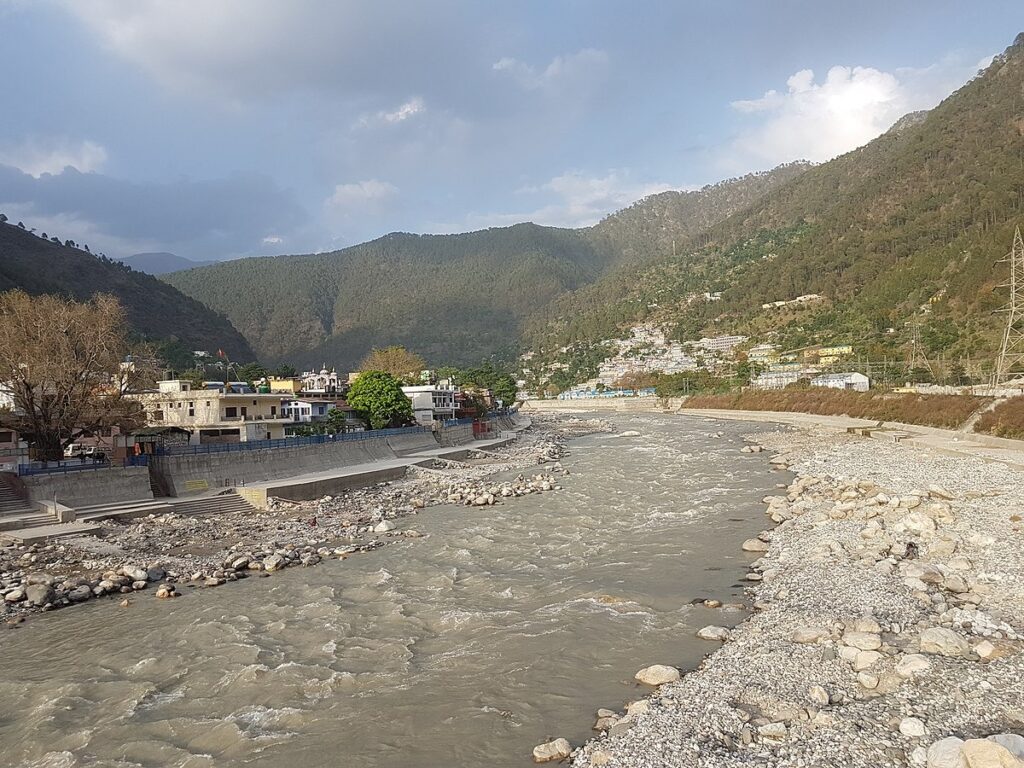
Image Source: rakesh bishnoi
Ancient History of Uttarkashi
The history of Uttarkashi stretches back to the era of the Mahabharata and is deeply connected with the spiritual and cultural traditions of the Himalayan region. Ancient texts and local traditions mention that the area was once inhabited by several hill tribes, including the Kunindas, Tanganas, Kiratas, Uttara Kurus, and Khasas. These communities lived in the rugged Himalayan terrain and developed their own distinct cultural practices, many of which still influence the traditions of the region today.
Because of its location in the upper Himalayas, Uttarkashi served as an important route connecting the Indian plains with Tibet. The district shares its northern boundaries with Himachal Pradesh and Tibet, making it historically significant for trade, pilgrimage, and cultural exchange. Ancient sages and pilgrims are believed to have traveled through these valleys on their way to sacred Himalayan shrines.
The region also holds immense religious importance in Hindu mythology. Many legends associated with the Mahabharata and various Hindu saints are linked to the valleys, rivers, and mountains surrounding Uttarkashi. Over centuries, it became known as a spiritual center where sages performed meditation and penance amidst the serene Himalayan landscape.
Administrative History of Uttarkashi
Spread across an area of nearly 8,016 square kilometers, Uttarkashi officially became a separate district on 24 February 1960. Before this reorganization, the region formed part of the old Tehri Garhwal district. The new district was created by combining the parganas of Rawain and Uttarkashi from the Rawain tehsil of the former Tehri Garhwal region.
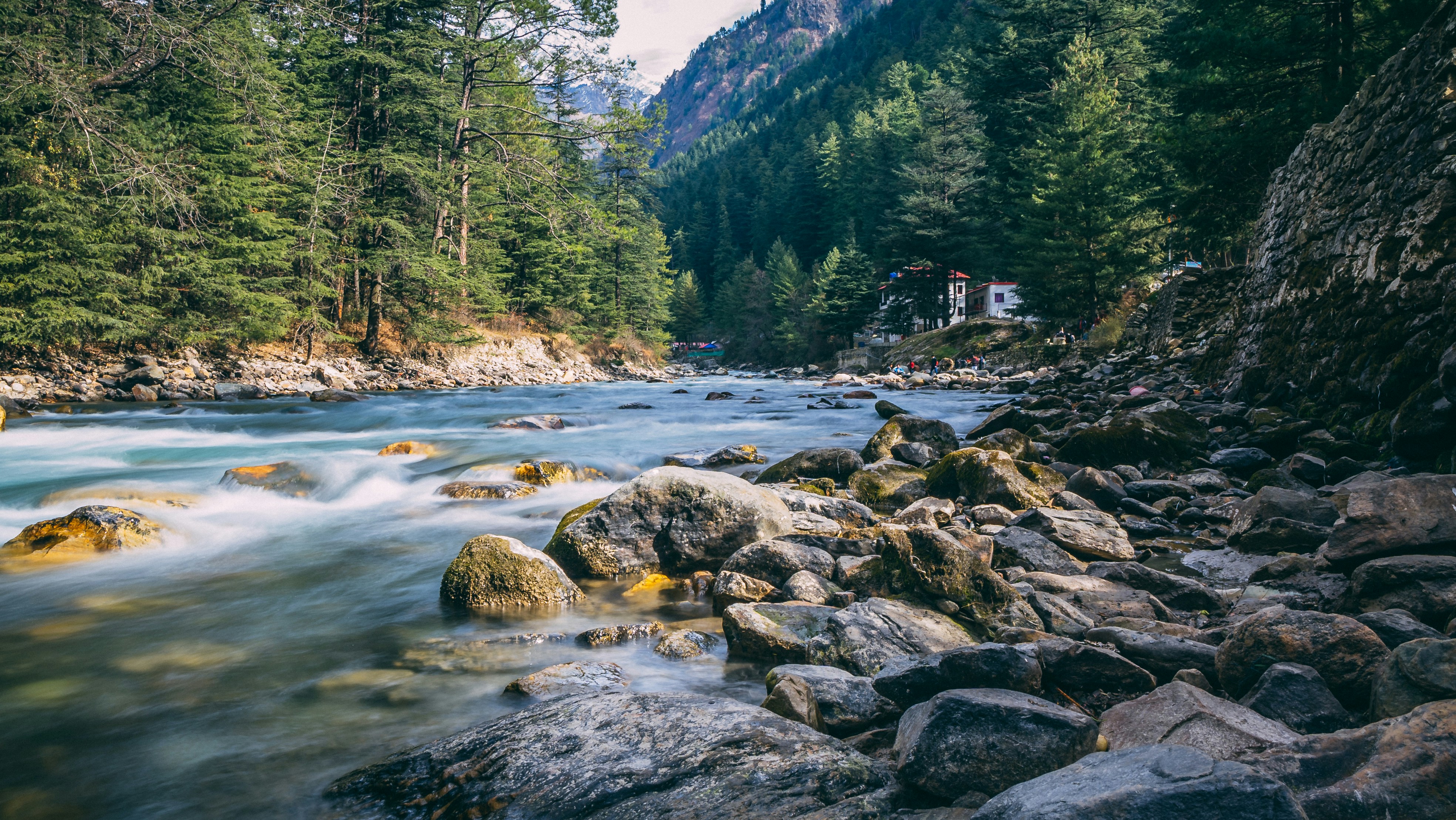
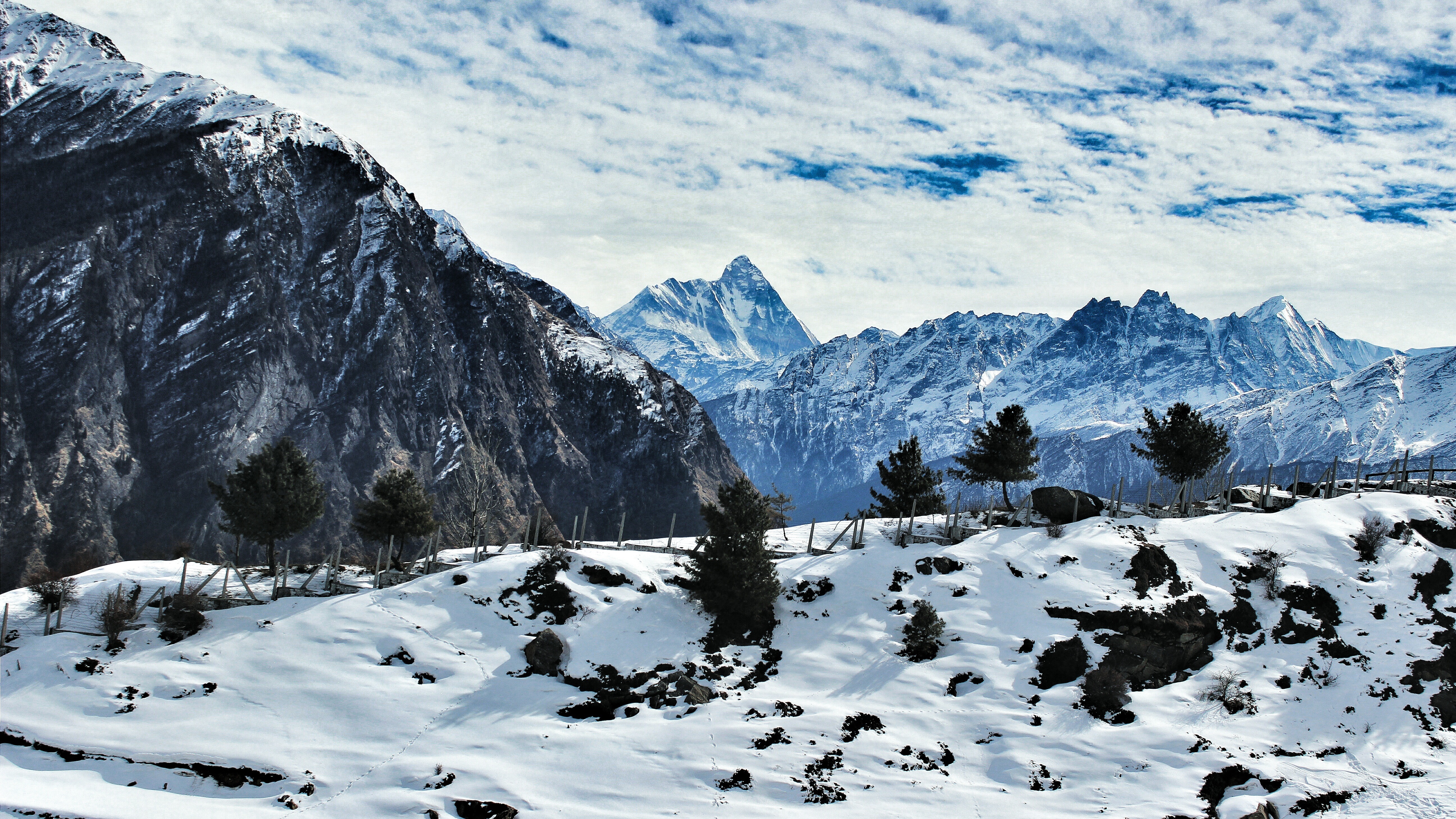
Geographically, Uttarkashi occupies a strategic position in the northern part of Uttarakhand. It is bordered by Himachal Pradesh and Tibet in the north, while districts such as Chamoli lie to its east. The district is characterized by towering Himalayan peaks, dense forests, glaciers, and fast-flowing rivers, making it one of the most naturally diverse regions in the state.
Over time, Uttarkashi developed into an important administrative and pilgrimage center. Today, it serves as a gateway to several famous religious destinations, including the sacred Gangotri Temple and many trekking routes leading into the higher Himalayas.
The Connection Between Kashi and Uttarkashi
One of the most fascinating aspects of Uttarkashi is its deep spiritual connection with Varanasi, which is traditionally known as Kashi. The name “Uttarkashi” literally means “Kashi of the North,” and the similarities between the two places are remarkable.
Both towns are situated on the banks of the sacred Ganga River and are home to revered temples dedicated to Lord Vishwanath. In Uttarkashi, the ancient Kashi Vishwanath Temple attracts thousands of devotees every year and is considered spiritually connected to the famous Kashi Vishwanath Temple in Varanasi.
Another striking similarity lies in the rivers surrounding the towns. Uttarkashi is located between the rivers Syalam Gad and Kaligad, which are locally identified with Varuna and Asi. Likewise, the city of Varanasi lies between the Varuna and Asi rivers in the plains of northern India. Even the presence of a Manikarnika Ghat in both locations strengthens the symbolic relationship between the two sacred towns.
Because of these parallels, many devotees believe that Uttarkashi holds the same spiritual essence as Kashi, especially for pilgrims traveling in the Himalayan region.
Modern History of Uttarkashi
Before becoming part of modern Uttarakhand, the region of Uttarkashi was under the rule of the Garhwal Kingdom. The Garhwal rulers governed the mountainous region for centuries and contributed significantly to its cultural and religious development.
In 1803, the Gorkhas invaded Garhwal and captured large parts of the region, including Uttarkashi. Their rule continued for about twelve years and was marked by political instability and hardships for the local population. The situation changed in 1815 when the British East India Company intervened and defeated the Gorkhas with the support of the Garhwal rulers.
After the Gorkha defeat, the British divided Garhwal into two regions. The western part came under direct British administration, while the eastern region was handed over to Sudarshan Shah, the heir of the Garhwal dynasty. This princely state later became known as Tehri Garhwal.
Following India’s independence, Tehri Garhwal merged with Uttar Pradesh in 1949. Eventually, in 2000, the region became part of the newly formed state of Uttarakhand. Today, Uttarkashi is widely recognized not only for its religious significance but also for its breathtaking Himalayan landscapes, adventure tourism, and rich cultural heritage.
Geography and Cultural Importance
The landscape of Uttarkashi is dominated by snow-covered mountains, alpine forests, glaciers, and sacred rivers. The district is home to several important peaks and pilgrimage routes, including those leading to Gangotri, one of the four sacred shrines of the Char Dham Yatra.
The culture of Uttarkashi reflects a blend of Garhwali traditions, spiritual practices, and mountain lifestyles. Festivals, folk songs, and local rituals continue to preserve the heritage of the Himalayan communities living in the region. The district is also famous for mountaineering institutes and trekking trails that attract adventure enthusiasts from across the world.
Uttarkashi map

Credit: uttarkashi.nic.in
FAQs About Uttarkashi
Why is Uttarkashi called the “Kashi of the North”?
Uttarkashi is called the “Kashi of the North” because of its spiritual similarities with Varanasi (Kashi). Both towns are situated near sacred rivers, have temples dedicated to Lord Vishwanath, and share symbolic religious features such as Manikarnika Ghat.
When was Uttarkashi district formed?
Uttarkashi district was officially formed on 24 February 1960 after being separated from the former Tehri Garhwal district.
Which kingdom ruled Uttarkashi in ancient times?
The region was historically part of the Garhwal Kingdom before the Gorkha invasion in 1803 and later British involvement in 1815.
What are the major rivers associated with Uttarkashi?
The district is associated with the sacred Ganga River and local streams identified as Varuna and Asi, similar to the rivers connected with Varanasi.
What is Uttarkashi famous for today?
Today, Uttarkashi is famous for pilgrimage tourism, especially the Gangotri Temple, Himalayan trekking routes, mountaineering activities, and its rich spiritual heritage.
Which tribes lived in Uttarkashi in ancient times?
Ancient tribes such as the Kunindas, Kiratas, Tanganas, Uttara Kurus, and Khasas are believed to have inhabited the region.