Image Source: Amit Gupta
Introduction
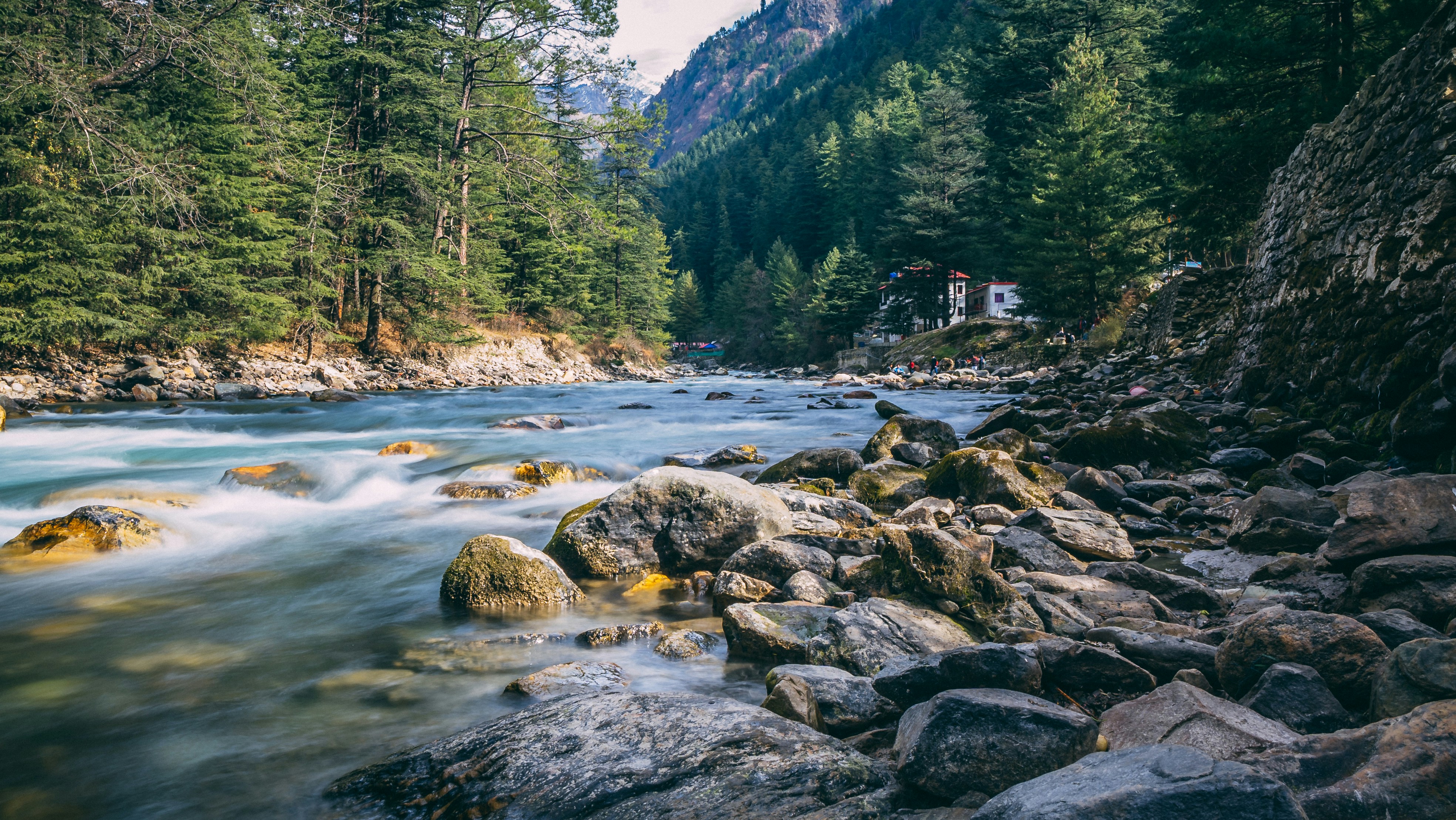
Nestled along the banks of the River Ganga in Uttarakhand’s Tehri Garhwal district, Kaudiyala is a small yet widely known destination that has earned a special place on India’s adventure tourism map. Located on the historic Rishikesh–Badrinath Highway, now part of National Highway 7, Kaudiyala lies around 36 to 40 kilometers upstream from Rishikesh. Surrounded by forested Himalayan slopes and the fast-flowing Ganga, the area combines dramatic natural scenery with ecological importance.
At an elevation ranging between approximately 380 and 480 meters above sea level, Kaudiyala marks a fascinating transition zone where the plains of northern India begin giving way to the lower Himalayan terrain. This geographical setting gives the region a unique landscape characterized by river valleys, rocky slopes, dense forests, and sandy riverbanks. The Ganga cuts through the area with tremendous force, shaping deep channels and rapids that have become famous among rafting enthusiasts from across the country.
Despite its growing popularity, Kaudiyala still retains a raw and peaceful atmosphere. Unlike heavily urbanized tourist towns, the region remains closely connected to nature, offering visitors a chance to experience both adventure and the quiet beauty of the Himalayan foothills.
Landscape and Geographical Features
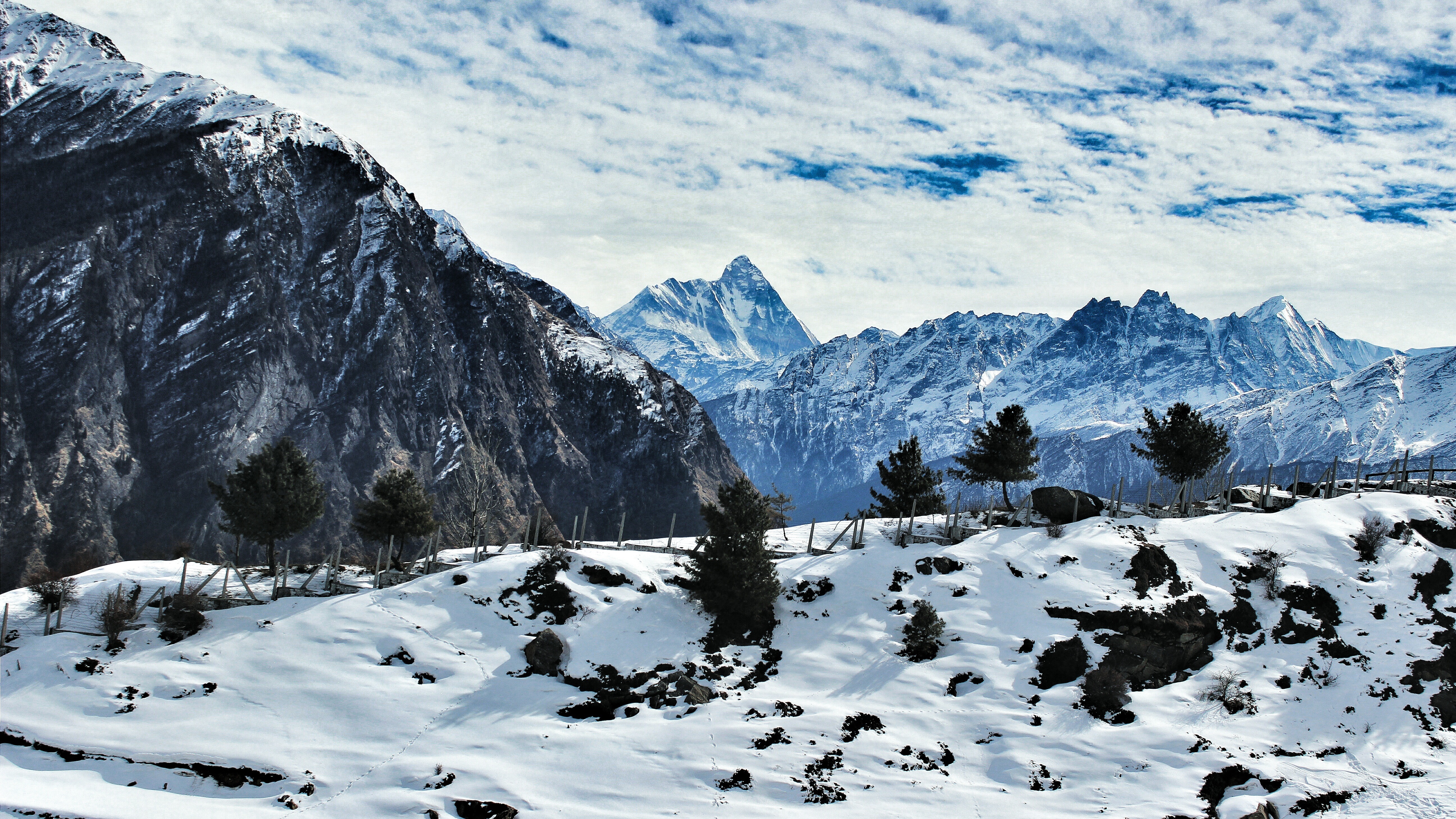
The terrain around Kaudiyala is rugged, dynamic, and shaped largely by the movement of the Ganga River over thousands of years. The surrounding hills belong to the Shivalik range, the outermost section of the Himalayas. These hills are steep and heavily forested, creating a dramatic backdrop to the river valley below.
The riverbanks here are highly varied. In some stretches, visitors encounter sandy beaches and gravel deposits, while other sections feature massive boulders, rocky outcrops, and narrow channels carved by strong water currents. Seasonal streams, locally known as nullahs, descend from the hills during the monsoon season and merge with the Ganga, contributing to the area’s constantly changing river dynamics.
One of the most striking geographical characteristics of Kaudiyala is the narrowness of the river valley. As the Ganga squeezes through constricted sections, the water velocity increases significantly, creating powerful rapids and turbulent water formations. These hydrological conditions are responsible for the region’s global reputation as a white-water rafting destination.
The landscape also plays an important ecological role. The forests and riverbanks form part of a larger Himalayan river ecosystem that supports wildlife movement, soil conservation, and watershed stability.
India’s Premier White-Water Rafting Destination
Kaudiyala is best known as one of India’s top white-water rafting hubs. The rafting route between Kaudiyala and Rishikesh is considered among the most exciting river adventure stretches in the country. Spanning approximately 30 to 36 kilometers, this section of the Ganga features rapids ranging from Grade III to Grade V, depending on seasonal water levels and river discharge.
Several natural factors make this stretch ideal for rafting:
- Steep river gradient.
- High water velocity.
- Narrow river channels.
- Submerged rocks and uneven riverbeds.
- Strong monsoon-fed currents.
Among the most famous rapids in this region is “The Wall,” regarded as one of the most challenging rapids on the Ganga. Another well-known rapid, “Three Blind Mice,” tests both technical skill and teamwork. These rapids are formed due to the unique contours of the riverbed and the immense hydraulic pressure created by fast-moving water colliding with underwater rock formations.
Adventure enthusiasts, professional rafters, kayaking groups, and outdoor training organizations frequently visit Kaudiyala for high-intensity river expeditions. The rafting season usually begins in October and continues until June. During the monsoon months, rafting operations are generally suspended because rising water levels and strong currents increase the risk of flooding and accidents.
Beyond rafting, the area also attracts visitors interested in cliff jumping, body surfing, riverside camping, trekking, and nature photography.
Forests and Riparian Ecology
The forests surrounding Kaudiyala are part of the ecologically rich Shivalik landscape. The vegetation is dominated by moist deciduous forests, particularly sal trees (Shorea robusta), which thrive in the subtropical climate of the Himalayan foothills.
Other commonly found tree species include:
- Khair (Acacia catechu).
- Sissoo (Dalbergia sissoo).
- Bamboo and riverine shrubs.
- Various medicinal and native Himalayan plants.
These forests perform several important ecological functions. Their root systems help stabilize riverbanks and reduce soil erosion, especially during the monsoon season when water flow intensifies. The vegetation also assists in groundwater recharge and supports the broader hydrological balance of the region.
The riparian ecosystem along the Ganga creates ideal habitats for insects, reptiles, amphibians, and numerous bird species. The mixture of forest cover and freshwater systems makes Kaudiyala an important biodiversity corridor within the Himalayan foothills.
The soundscape of the region is equally remarkable. Early mornings are often filled with bird calls, flowing river currents, and the rustling of forest leaves, giving the area a peaceful wilderness atmosphere despite its popularity with tourists.
Wildlife Around Kaudiyala
Although Kaudiyala itself is not officially designated as a wildlife sanctuary, it lies close to forest regions connected with Rajaji Tiger Reserve. Because of this proximity, the area forms part of an important wildlife corridor used by several species native to the Himalayan foothills.
Wildlife sightings in the surrounding forests may include:
- Asian elephants.
- Indian leopards.
- Barking deer.
- Sambar deer.
- Langurs and rhesus macaques.
- Monitor lizards and reptiles.
- Eagles, vultures, kingfishers, and migratory birds.
The river ecosystem itself supports freshwater fish species and contributes to the larger biodiversity network of the Ganga basin. The relatively undisturbed forest patches around Kaudiyala continue to provide refuge for wildlife despite increasing tourism activity.
Birdwatchers often find the area rewarding, especially during winter when migratory species arrive in the Himalayan foothills.
Environmental Concerns and Conservation Measures
With increasing tourism and rafting activities over the years, environmental concerns have become more significant in Kaudiyala. The Ganga corridor is ecologically sensitive, and unchecked riverside development once led to problems such as waste accumulation, riverbank erosion, vegetation loss, and disturbance to wildlife habitats.
To address these concerns, the National Green Tribunal (NGT) introduced regulations restricting camping activities within 100 meters of the river’s active channel. These measures were aimed at protecting the fragile river ecosystem and maintaining the natural integrity of the Ganga’s banks.
Today, rafting and tourism activities operate under stricter environmental guidelines. Many camps now focus on eco-friendly practices such as:
- Waste segregation and disposal.
- Reduced plastic usage.
- Controlled camping zones.
- Environmentally sustainable infrastructure.
- Awareness programs about river conservation.
These regulations attempt to balance adventure tourism with long-term ecological preservation, ensuring that the natural beauty of Kaudiyala remains protected for future generations.
Climate and Best Time to Visit
Kaudiyala experiences a subtropical climate strongly influenced by Himalayan geography. Weather conditions vary considerably across seasons, and these seasonal changes directly affect tourism and river activity.
Winter (October to February)
Winters are cool, pleasant, and ideal for rafting, camping, and outdoor activities. Clear skies and comfortable temperatures make this one of the best times to visit.
Summer (March to June)
Summers are moderately warm, though still cooler than the plains. Snowmelt and controlled river discharge create excellent rafting conditions during this season.
Monsoon (July to September)
Heavy rainfall transforms the landscape into lush green terrain, but river currents become extremely strong and unpredictable. Rafting is generally suspended due to safety concerns, landslides, and flooding risks.
The post-monsoon season is particularly beautiful, as the forests appear refreshed and the river regains a calmer flow.
Connectivity and Tourism Infrastructure
Kaudiyala is easily accessible due to its location along National Highway 7. Travelers can reach the area through several routes:
- By road from Rishikesh, Haridwar, or Dehradun.
- By rail via Rishikesh Railway Station.
- By air through Jolly Grant Airport.
Despite its relatively remote feel, the area has developed a modest tourism infrastructure. Visitors can find rafting camps, eco-resorts, riverside accommodations, cafes, and adventure tour operators. However, large-scale commercial development remains limited due to environmental regulations.
Many travelers use Kaudiyala as a stopover while heading toward higher Himalayan destinations such as Badrinath, Devprayag, and other Garhwal region pilgrimage sites.
Ecological and Strategic Importance
Kaudiyala is far more than an adventure tourism destination. Ecologically, it represents an important transitional belt connecting the Indo-Gangetic plains with the lower Himalayas. This location supports watershed protection, biodiversity conservation, and wildlife movement across the Shivalik landscape.
The region contributes significantly to:
- Preservation of riparian ecosystems.
- Forest-based carbon storage.
- Riverbank stabilization.
- Aquatic biodiversity conservation.
- Sustainable eco-tourism initiatives.
Its role in India’s rafting tourism industry also makes it economically valuable for local communities, guides, camp operators, and transport services.
At the same time, Kaudiyala serves as a reminder of the delicate balance between tourism and environmental conservation in fragile Himalayan ecosystems.
FAQs
Where is Kaudiyala located?
Kaudiyala is located in the Tehri Garhwal district of Uttarakhand along the Rishikesh–Badrinath Highway, about 36–40 kilometers from Rishikesh.
Why is Kaudiyala famous?
Kaudiyala is primarily famous for white-water rafting on the Ganga River. It is considered one of India’s best rafting destinations due to its challenging rapids and scenic Himalayan setting.
What is the best time to visit Kaudiyala?
The best time to visit is between October and June, when the weather is pleasant and rafting activities are operational.
Is rafting in Kaudiyala safe?
Rafting is generally safe when conducted through certified operators following proper safety protocols. During the monsoon season, rafting is suspended because of dangerous river conditions.
Which rapids are famous in Kaudiyala?
Some of the most famous rapids include “The Wall” and “Three Blind Mice,” both known for their strong currents and technical challenges.
Is Kaudiyala part of Rajaji Tiger Reserve?
Kaudiyala itself is not inside the reserve, but it lies close to forest corridors connected to Rajaji Tiger Reserve.
Can visitors camp near the river in Kaudiyala?
Camping is regulated due to environmental restrictions introduced to protect the Ganga river ecosystem. Camps must follow designated eco-sensitive guidelines.
How can I reach Kaudiyala?
You can reach Kaudiyala by road from Rishikesh or Haridwar. The nearest railway station is in Rishikesh, while the closest airport is Jolly Grant Airport near Dehradun.