Image Source: Soumyajit Nandy
About Jim Corbett National Park
Nestled in the foothills of the Himalayas, where dense forests meet winding rivers and mist-covered grasslands stretch into the horizon, lies the legendary Jim Corbett National Park — India’s oldest national park and one of the country’s most iconic wildlife destinations. Established in 1936 as Hailey National Park, it was later renamed in honor of the famed hunter-turned-conservationist Jim Corbett, whose work played a major role in shaping wildlife conservation in India.
Spread across more than 520 square kilometers in the beautiful state of Uttarakhand, the park is far more than a tourist attraction. It is a thriving ecosystem filled with rich biodiversity, dramatic landscapes, and unforgettable wildlife encounters. For travelers, photographers, birdwatchers, and adventure seekers, Corbett offers an experience that feels raw, untamed, and deeply connected to nature.
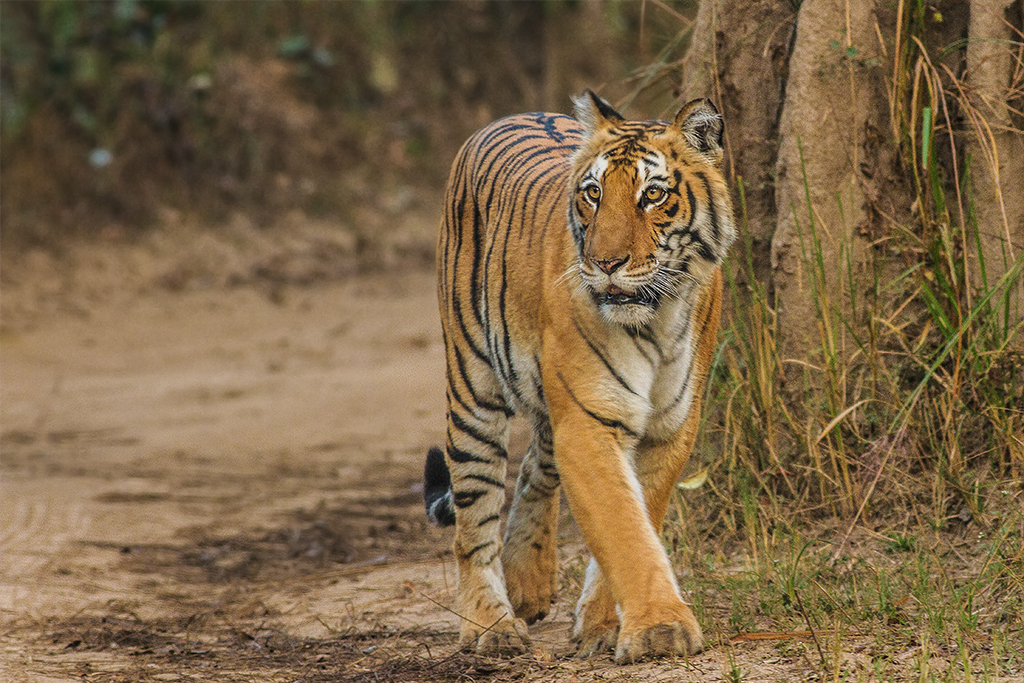
Every year, thousands of visitors arrive here hoping to catch a glimpse of the majestic Royal Bengal Tiger. Yet the magic of Corbett goes well beyond tiger sightings. From peaceful rivers and towering sal forests to herds of elephants and colorful birdlife, the park reveals the incredible balance and beauty of the natural world.
Geographical Setting and Natural Beauty
Jim Corbett National Park is located primarily in the Nainital and Pauri Garhwal districts of Uttarakhand. The nearby town of Ramnagar serves as the main gateway to the park and is the starting point for most safaris and forest stays.
Positioned in the sub-Himalayan region, the park ranges in elevation from around 385 meters to over 1,100 meters above sea level. This variation in altitude creates a fascinating mix of landscapes and habitats, allowing a wide range of wildlife and plant species to thrive.
One of the park’s defining features is the beautiful Ramganga River, which flows through the reserve and supports much of its ecosystem. The river eventually forms the scenic Ramganga Reservoir near the Dhikala zone, where animals frequently gather to drink water, especially during the dry summer months.
The terrain here is wonderfully diverse. Visitors can witness dense sal forests, wide grasslands known locally as “chaurs,” riverbanks lined with thick vegetation, marshy patches, and rocky hills. This ever-changing landscape makes every safari unique and visually stunning.
A Historic Milestone in Wildlife Conservation
The history of Jim Corbett National Park is closely tied to India’s conservation journey. Originally created to protect endangered wildlife, the park later became the first reserve under Project Tiger in 1973 — a landmark conservation initiative launched to save the dwindling tiger population in the country.
The park’s namesake, Jim Corbett, is remembered not only for tracking man-eating tigers during British India but also for his deep love and respect for the forests and local communities. Over time, he transformed from a hunter into a passionate environmentalist who advocated for protecting wildlife and maintaining ecological balance.
His famous book, Man-Eaters of Kumaon, brought international attention to the forests of Kumaon and remains a classic in wildlife literature even today.
Safari Zones and Park Layout
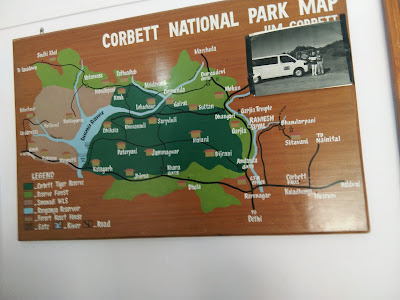
Safari Zones
To protect wildlife while allowing tourism, the park has been divided into several safari zones, each offering a distinct experience.
Dhikala Zone
The most famous and largest tourism zone, Dhikala is often considered the soul of Corbett. Vast grasslands, dense forests, and views of the Ramganga Reservoir make this area incredibly scenic. Wildlife sightings here are frequent, including elephants, deer, crocodiles, and occasionally tigers.
Staying overnight at the forest rest house in Dhikala is considered one of the most memorable experiences in the park. The sounds of the jungle after sunset create an atmosphere unlike anywhere else.
Bijrani Zone
Known for its dense sal forests and open meadows, Bijrani is one of the best areas for tiger sightings. It is highly popular among photographers and wildlife enthusiasts because of its rich animal activity and accessible terrain.
Jhirna Zone
Unlike some other zones, Jhirna remains open throughout the year. The landscape here consists mainly of dry deciduous forest, and visitors often spot sloth bears, deer, wild boars, and elephants.
Dhela Zone
Dhela is relatively less crowded and is ideal for travelers looking for a quieter safari experience. It is especially popular among birdwatchers and eco-tourists who want to enjoy the forest at a slower pace.
Durga Devi Zone
Located in the hilly northeastern part of the reserve, the Durga Devi zone is famous for its scenic beauty, riverbeds, and rich birdlife. Adventure lovers and nature photographers are particularly drawn to this region.
Each safari zone showcases a different side of Corbett, making the park feel vast, dynamic, and endlessly fascinating.
Wildlife: The True Spirit of Corbett
The wildlife of Jim Corbett National Park is what truly makes it extraordinary. Although the Royal Bengal Tiger is undoubtedly the biggest attraction, the park supports an entire web of life that is equally captivating.
Corbett is home to one of the highest tiger densities in India. However, spotting one in the wild requires patience, silence, and a little luck. The thrill of suddenly seeing a tiger emerge from the forest is an unforgettable moment for any visitor.
Apart from tigers, the park shelters large herds of Asian elephants that roam freely through the grasslands and forests. Leopards, though elusive, are also found in healthy numbers. Other mammals commonly seen include spotted deer, sambar deer, barking deer, langurs, wild boars, otters, and jackals.
The waterways of the park support mugger crocodiles and the endangered gharial. Meanwhile, birdlife in Corbett is exceptionally diverse, with more than 600 recorded species. Birdwatchers can spot hornbills, kingfishers, crested serpent eagles, woodpeckers, owls, and migratory birds during winter.
For anyone passionate about wildlife, Corbett feels like a living, breathing natural documentary.
Popular Attractions Around the Park
Ramganga Reservoir
One of the most picturesque locations inside the park, the Ramganga Reservoir becomes especially magical during sunrise and sunset. Animals often gather near the water, creating spectacular photography opportunities.
Corbett Waterfall
Located near Ramnagar, the peaceful Corbett Waterfall is surrounded by thick forest and offers a relaxing escape after a safari adventure.
Garjiya Devi Temple
Situated dramatically atop a large rock in the middle of the Kosi River, Garjiya Devi Temple is both a spiritual and scenic attraction. Many travelers stop here to seek blessings before entering the forest.
Corbett Museum
The former home of Jim Corbett in Kaladhungi has now been converted into a museum. It displays photographs, personal belongings, and stories from his life, giving visitors insight into the man behind the park’s legacy.
Flora and Ecological Diversity
The forests of Corbett are dominated by towering sal trees that create dense green canopies across the reserve. Along the rivers grow species like khair, sissoo, and jamun, while the open grasslands provide grazing areas for herbivores.
These grasslands are crucial for the park’s ecological balance because they support prey animals that sustain predators like tigers and leopards.
One of the most beautiful aspects of Corbett is how dramatically the landscape changes with the seasons. Winters bring misty mornings and golden grasslands, summers increase wildlife activity near water sources, and the monsoon transforms the forest into a lush green paradise.
Best Time to Visit
The ideal time to visit Jim Corbett National Park depends on the kind of experience travelers are seeking.
- November to February: Pleasant weather and excellent birdwatching opportunities.
- March to June: Best period for tiger sightings, as animals gather near water bodies.
- Monsoon Season: Some zones remain closed due to heavy rain and safety concerns, though the forest becomes incredibly green and refreshing.
The park generally remains open from mid-November to mid-June, while certain zones like Jhirna and Dhela operate throughout the year.
How to Reach Jim Corbett National Park
Reaching Corbett is fairly convenient from major North Indian cities.
By Rail
The nearest railway station is Ramnagar Railway Station, which has direct train connectivity with cities like Delhi.
By Air
The nearest airport is Pantnagar Airport, located around 80 kilometers away.
By Road
Corbett is approximately 250 kilometers from Delhi and is well connected by road, making it a popular weekend getaway.
Accommodation Options
Travelers visiting Corbett can choose from a wide range of accommodations depending on their budget and preferences.
Luxury jungle resorts, riverside cottages, eco-lodges, forest rest houses, and budget hotels are all available around Ramnagar and near the safari entry gates. For a more immersive experience, staying inside the park at authorized forest lodges — especially in Dhikala — is highly recommended.
Because the park attracts heavy tourist traffic during peak season, advance booking is essential.
Responsible Tourism in Corbett
As tourism continues to grow, responsible travel has become increasingly important in protecting the fragile ecosystem of Corbett. Visitors are encouraged to follow safari rules, avoid littering, maintain silence during wildlife sightings, and respect the natural habitat of animals.
Supporting eco-friendly resorts and local guides also helps nearby communities benefit from sustainable tourism while preserving the forest for future generations.