About Swargarohini
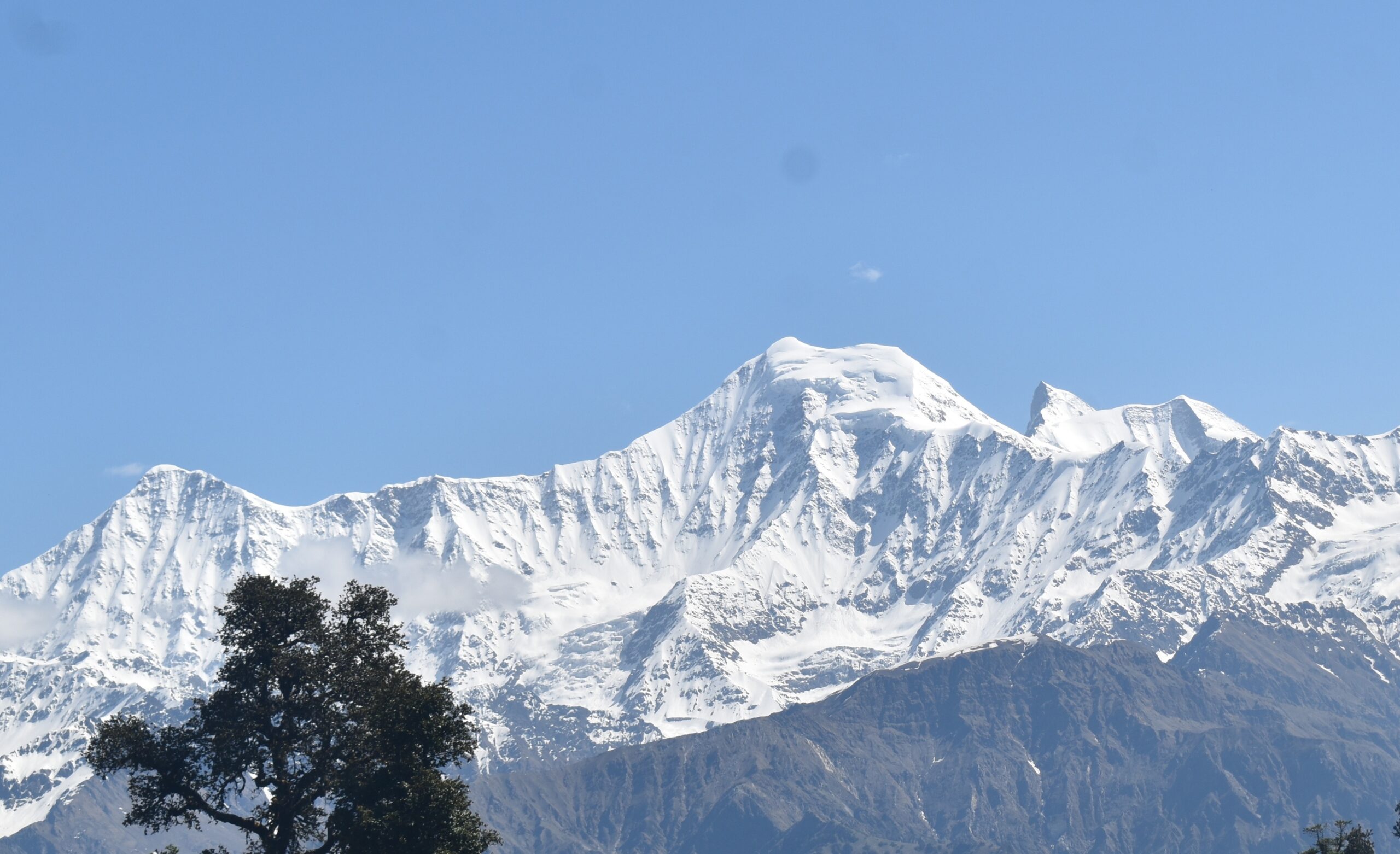
Nestled deep in the Garhwal Himalayas of Uttarakhand, Swargarohini is a stunning mountain massif located in the Uttarkashi district. It forms an important part of the famous Bandarpunch Range and is known for its dramatic snow-covered peaks, rugged ridgelines, and deep mythological significance. The massif consists of four major peaks, with Swargarohini I being the tallest and most prominent among them. Swargarohini I West rises to an elevation of about 6,252 meters (20,512 feet), while Swargarohini I East stands close behind at 6,247 meters (20,495 feet).
The mountain group lies west of the renowned Gangotri Group and plays a vital geographical role in the region. Along with the Bandarpunch massif, the Swargarohini peaks form a natural watershed between the Yamuna and Bhagirathi river systems. Several glaciers and streams originate from these mountains, feeding the Tons River, which later becomes one of the largest tributaries of the Yamuna River.
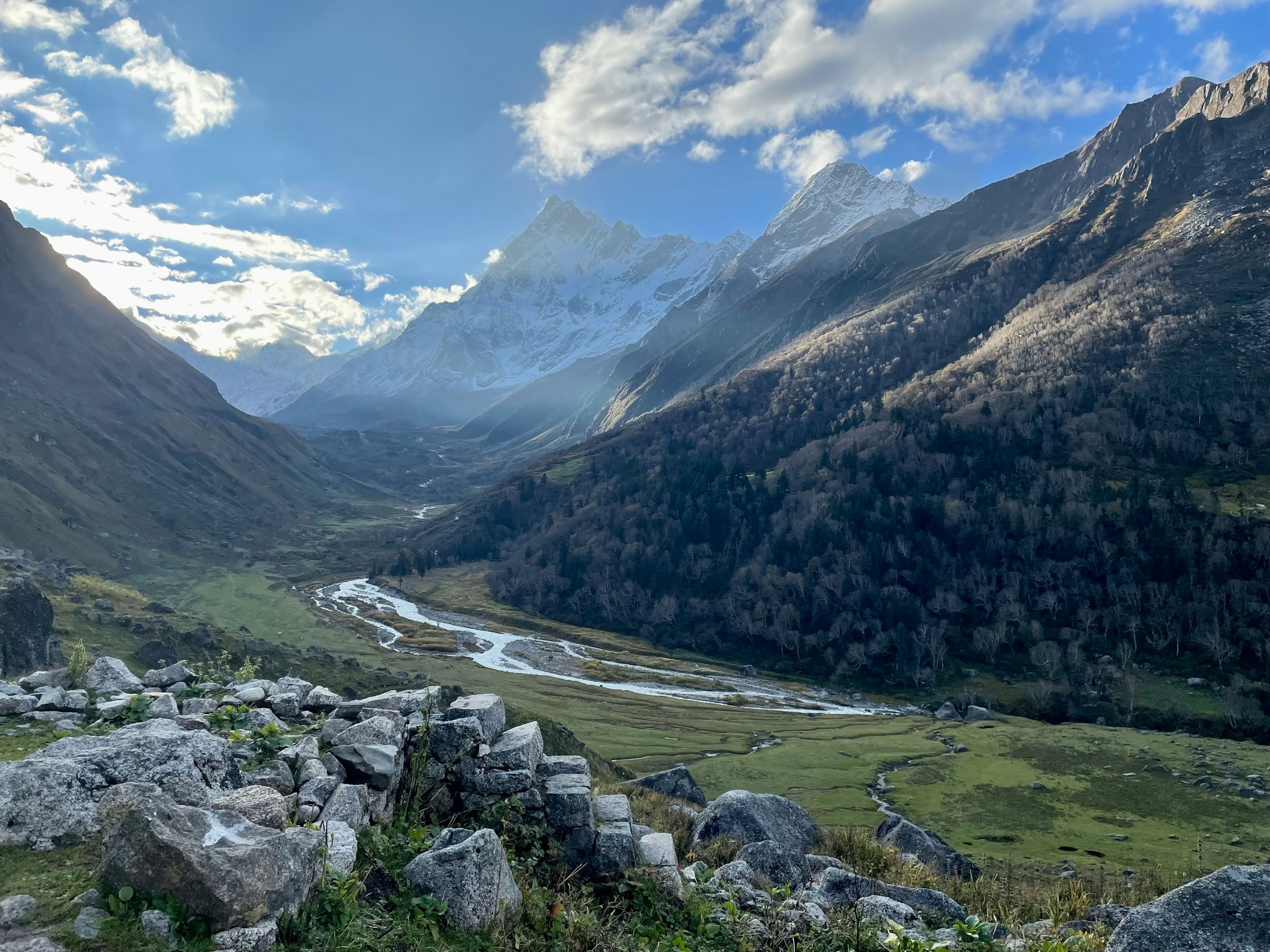
What makes Swargarohini especially captivating is not just its height or beauty, but the sense of mystery and spirituality attached to it. The mountains appear sharp and imposing from a distance, often glowing golden during sunrise and sunset. During clear weather, trekkers in the Har Ki Dun valley are rewarded with unforgettable views of the massif towering above forests, meadows, and alpine landscapes.
Mythological Significance of Swargarohini
Swargarohini holds a revered place in Hindu mythology, particularly in connection with the epic Mahabharata. According to legend, this mountain is believed to be the path taken by the Pandavas on their final journey toward heaven, known as the “Mahaprasthan.” After renouncing their kingdom, the five Pandava brothers and Draupadi are said to have travelled through the Himalayas in search of salvation.
Local traditions believe that the route near Swargarohini symbolized the stairway to heaven. The name itself translates roughly to “the ascent to heaven” or “the path to paradise.” Among the Pandavas, only Yudhishthira, accompanied by a dog believed to represent Dharma, successfully reached heaven. This mythological connection gives the mountain an aura of divinity and makes it spiritually significant for pilgrims and locals alike.
The surrounding valleys, especially the Har Ki Dun region, are deeply intertwined with these legends. Villagers in remote Himalayan settlements still preserve stories passed down through generations about the Pandavas and their final journey through these mountains.
Swargarohini and the Har Ki Dun Trek
Swargarohini is most famously viewed during the popular Har Ki Dun Valley trek, one of the most scenic trekking routes in the Indian Himalayas. The towering peaks dominate the skyline above the valley and create a dramatic backdrop for trekkers exploring the region.
The trail passes through dense pine forests, ancient Himalayan villages, alpine meadows, and glacier-fed rivers. During spring and summer, the valley is covered with wildflowers and lush greenery, while winter transforms the entire landscape into a snow-covered wonderland.
Trekkers often describe the first clear view of Swargarohini as one of the highlights of the journey. The massif looks particularly striking at dawn, when the sunlight illuminates the snow-clad ridges in shades of gold and orange.
Mountaineering History and Expeditions
Although Swargarohini is admired by trekkers, it is also considered a challenging destination for mountaineers. The steep faces, unpredictable weather, and technical climbing sections make expeditions difficult and demanding.
The first successful ascent of Swargarohini was achieved in 1990 by a team from the Nehru Institute of Mountaineering. This achievement marked an important moment in Indian mountaineering history, as the team successfully navigated the difficult terrain and harsh Himalayan conditions.
By 1994, several more expeditions had attempted the climb. Some teams succeeded, while others were forced to retreat due to dangerous weather, avalanches, or technical difficulties. Even today, Swargarohini remains a respected and challenging peak among experienced climbers.
Natural Beauty and Landscape
The Swargarohini region is known for its untouched Himalayan scenery. Massive glaciers, snowfields, rocky cliffs, and alpine forests surround the peaks, creating an awe-inspiring environment. The area is also rich in biodiversity, with sightings of Himalayan birds, blue sheep, and other mountain wildlife occasionally reported in the surrounding valleys.
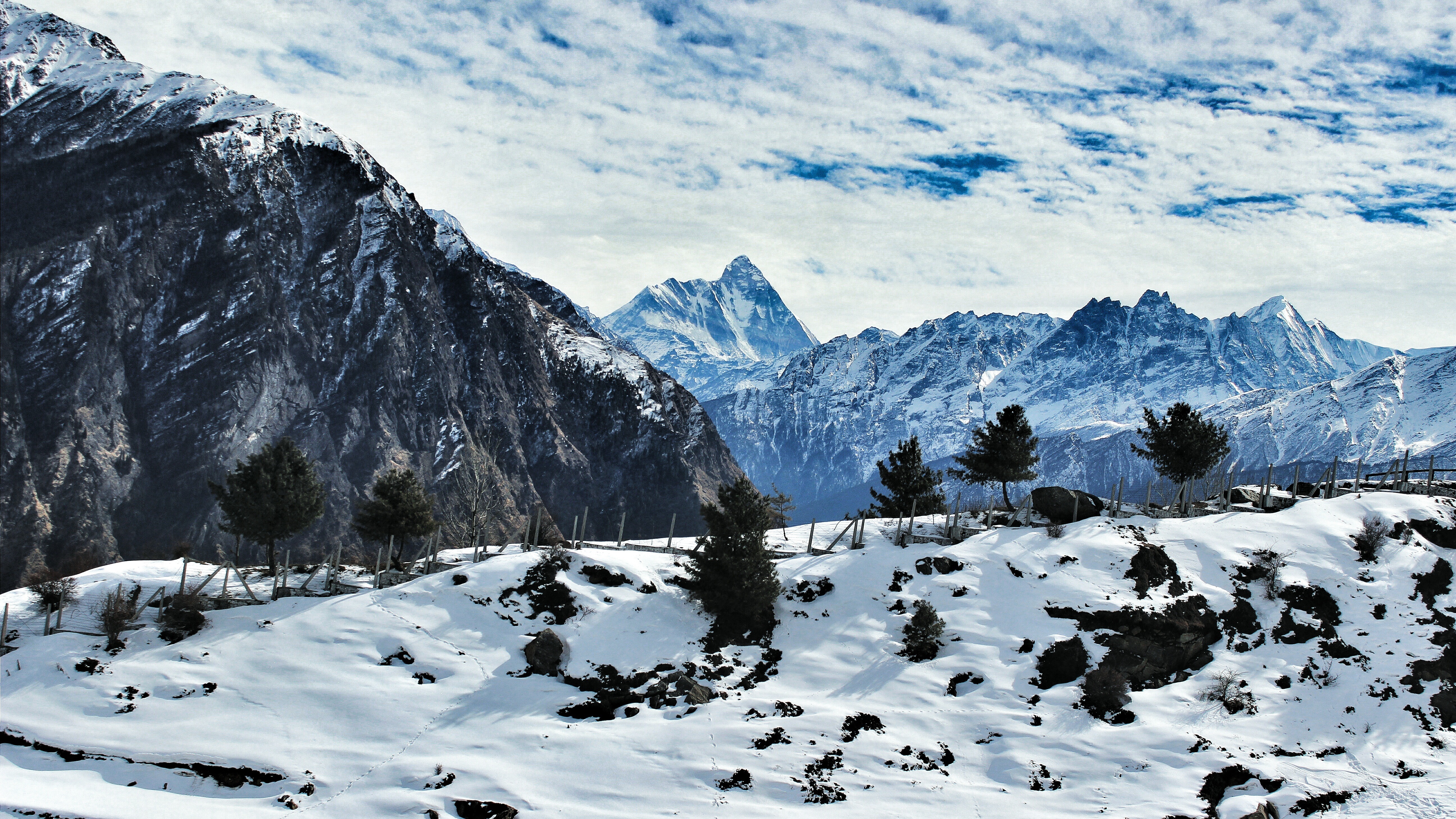
The changing seasons dramatically alter the appearance of the landscape. Summer offers clear mountain views and green valleys, while winter blankets the region in heavy snow. Monsoon months bring mist, waterfalls, and lush vegetation, although trekking can become difficult during this period.
Because of its remote location and relatively limited commercialization, the Swargarohini region still retains a raw and pristine Himalayan character that appeals to nature lovers, photographers, trekkers, and spiritual seekers alike.
Best Time to Visit Swargarohini
The best time to visit the Swargarohini region is between April and June and again from September to November. During these months, the weather is generally stable, skies remain clearer, and trekking conditions are favorable.
Winter visits are possible for experienced trekkers, but snowfall can make trails challenging. The monsoon season is usually avoided because of slippery routes and landslide risks in the Himalayan region.
FAQs
1. Where is Swargarohini located?
Swargarohini is located in the Uttarkashi district of Uttarakhand in the Garhwal Himalayas of northern India.
2. Why is Swargarohini famous?
Swargarohini is famous for its stunning Himalayan peaks, connection to the Mahabharata, and its visibility along the Har Ki Dun trek route.
3. What is the height of Swargarohini peak?
Swargarohini I West stands at approximately 6,252 meters (20,512 feet), while Swargarohini I East reaches about 6,247 meters (20,495 feet).
4. What is the mythological significance of Swargarohini?
According to Hindu mythology, the Pandavas used the route near Swargarohini during their final journey toward heaven after leaving their kingdom.
5. Can beginners trek to Swargarohini?
While climbing the peak itself requires advanced mountaineering skills, beginners can enjoy views of Swargarohini through the Har Ki Dun trek, which is considered moderately difficult.
6. Which river originates near Swargarohini?
The Tons River originates from glaciers and streams near the Swargarohini massif and later joins the Yamuna River.
7. When was Swargarohini first climbed?
The first successful ascent was completed in 1990 by a team from the Nehru Institute of Mountaineering.
8. What is the best season to visit Swargarohini?
The ideal seasons are summer (April to June) and post-monsoon autumn (September to November) when weather conditions are favorable for trekking and mountain views.