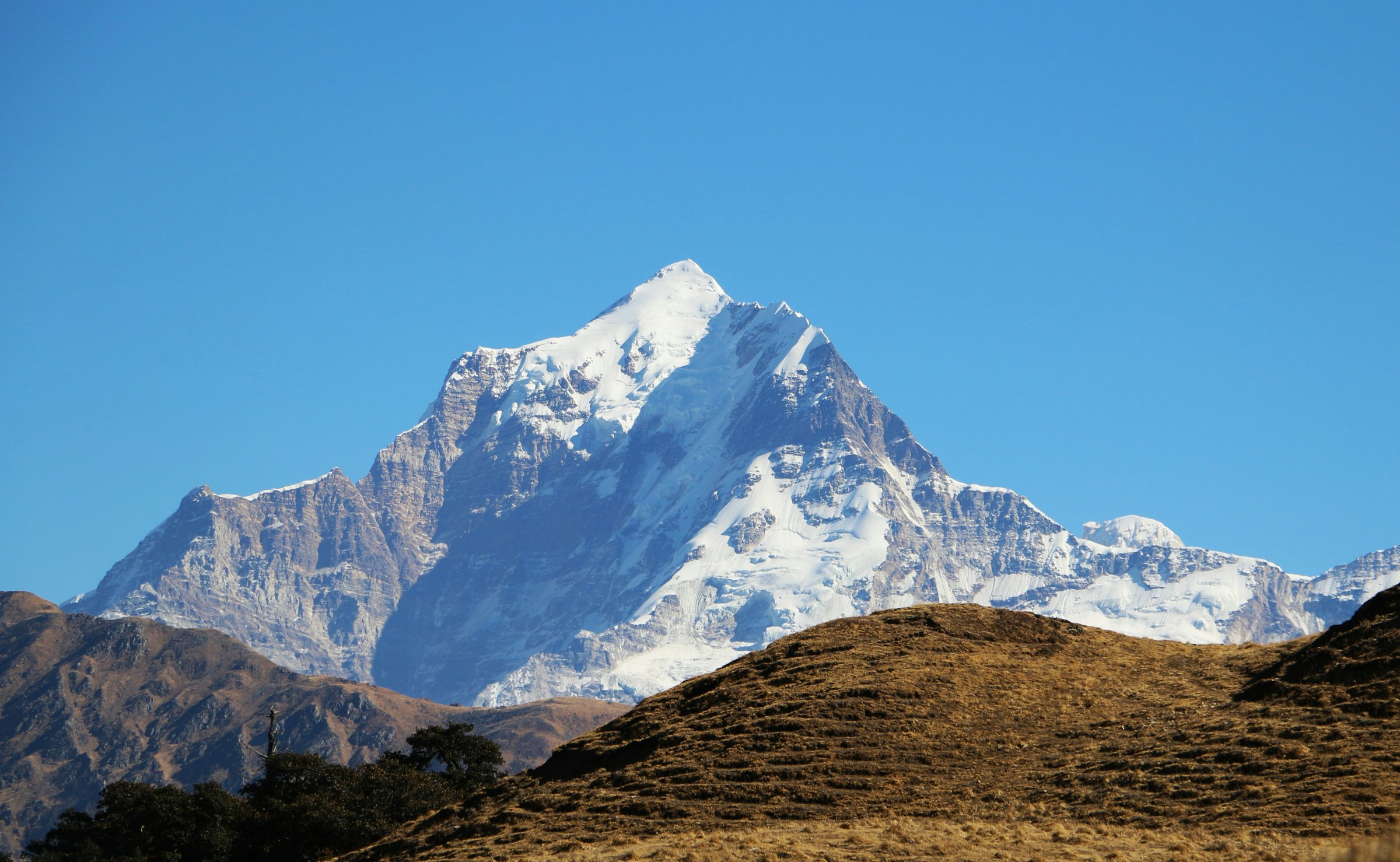
Image Source: Vikey rwt
About Bandarpunch
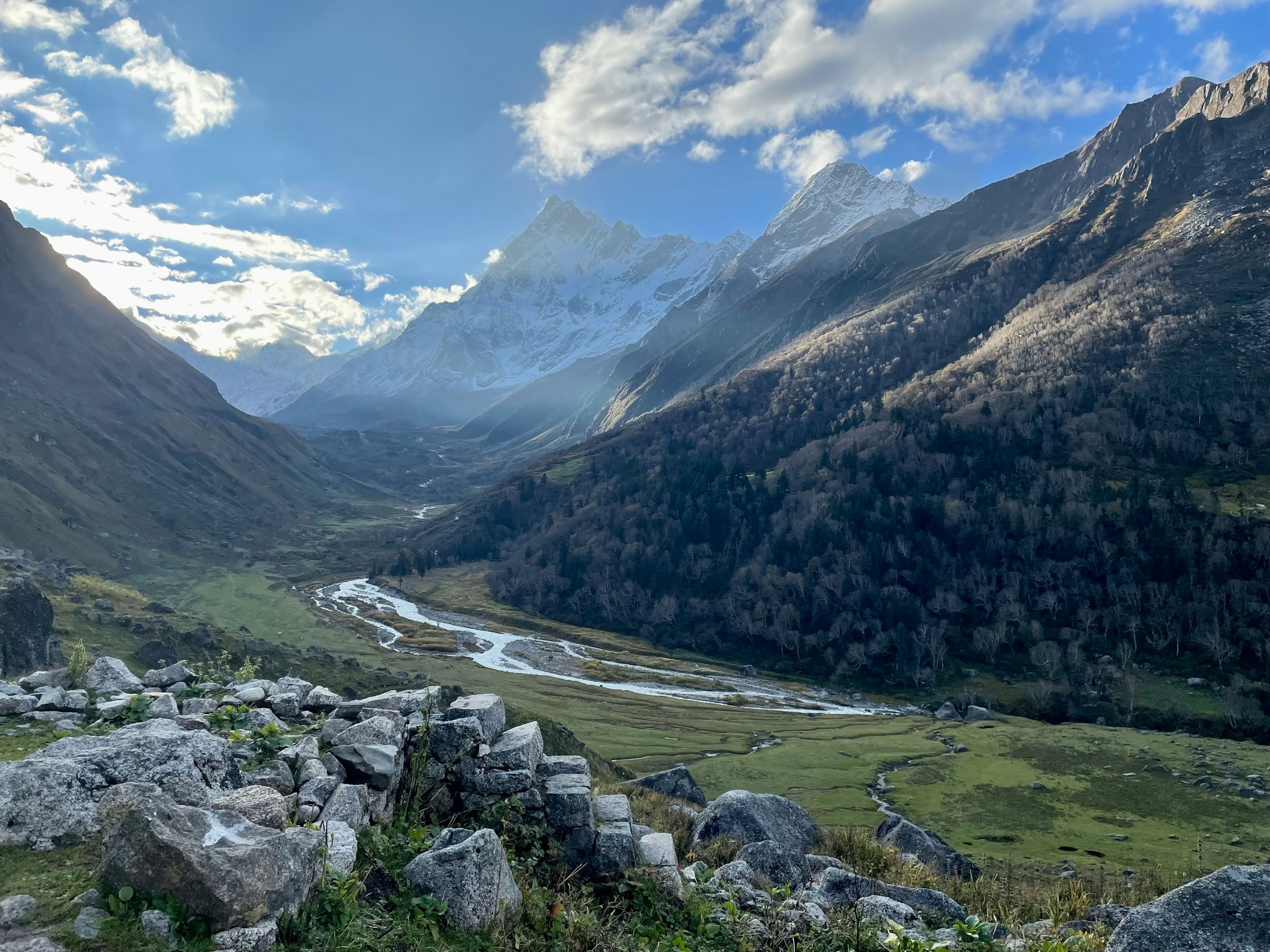
Nestled deep in the majestic Garhwal Himalayas of Uttarakhand, Bandarpunch is one of the most striking mountain ranges in the Garhwal Himalayas. Located in the Uttarkashi district, this spectacular massif is made up of three prominent peaks — Bandarpunch I, also known as Saraswati Devi Parvat (6,316 m), Bandarpunch II or Hanuman Parvat (6,102 m), and the towering Black Peak, popularly called Kalanag (6,387 m). These snow-covered peaks dominate the skyline and form an important part of the Sankari Range within the protected boundaries of Govind Pashu Vihar National Park.
The Bandarpunch range is not only admired for its dramatic beauty but also for its geographical significance. It acts as a major watershed for the Yamuna River system, helping feed several glaciers and streams in the region. The famous Yamunotri Glacier, regarded as the source of the sacred Yamuna River, lies beneath Bandarpunch II. Because of this, the mountain range holds both ecological and spiritual importance in the Himalayas.
Among the three peaks, Bandarpunch II is especially popular among trekkers and mountaineers due to its accessibility and stunning alpine views. Around 5 kilometers away stands Bandarpunch I, while Black Peak (Kalanag) rises further toward the northeast. The surrounding landscape is equally mesmerizing, with towering ridges, hanging glaciers, alpine meadows, and neighboring peaks such as Swargarohini adding to the grandeur of the region.
Natural Beauty and Trekking Appeal
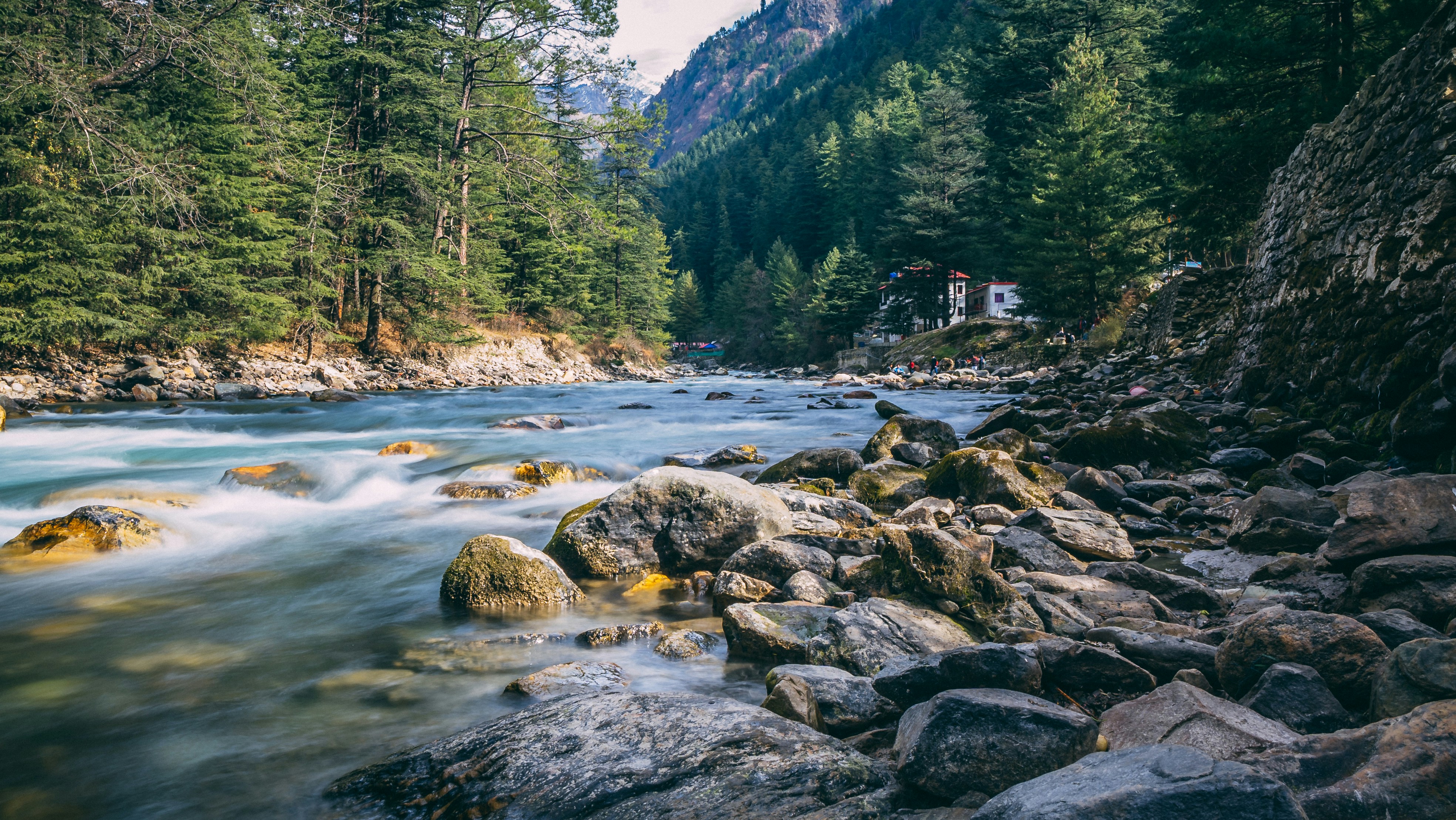
Bandarpunch is a dream destination for adventure lovers and mountain enthusiasts. The area is surrounded by dense forests of pine, oak, and deodar, which gradually give way to vast bugyals (high-altitude meadows) and rugged snowfields. During sunrise and sunset, the peaks glow in shades of gold and crimson, creating unforgettable Himalayan vistas.
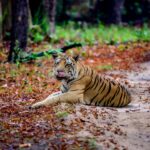
The mountain range is closely associated with several famous trekking routes in Uttarakhand, including the Har Ki Dun Valley, Ruinsara Tal, and Bali Pass region. Trekkers passing through these routes often witness breathtaking views of Bandarpunch and Swargarohini together. The terrain also supports diverse Himalayan wildlife such as musk deer, Himalayan monal, black bears, and snow leopards in the higher reaches.
For mountaineers, Black Peak (Kalanag) is considered one of the most technically rewarding climbs in the Indian Himalayas. Its dark rocky summit resembles the hood of a black cobra, which is why it earned the name “Kalanag,” meaning Black Serpent.
Mythological Significance
Bandarpunch is deeply connected with Hindu mythology, especially the legends surrounding Hanuman from the epic Ramayana. The name “Bandarpunch” literally translates to “Monkey’s Tail.” According to local belief, the mountain ridge resembles the tail of a monkey when viewed from certain angles.
Legend says that after Hanuman set Lanka ablaze while rescuing Sita, his tail caught fire during the battle. To cool and extinguish the flames, he is believed to have flown to this snow-covered Himalayan summit and rested here. Since then, the mountain came to be known as Bandarpunch. This fascinating connection gives the peaks a sacred aura among locals and pilgrims visiting the nearby Yamunotri region.
The mythology, combined with the raw wilderness of the Himalayas, makes Bandarpunch far more than just a mountain range. It is a place where spirituality, adventure, and nature blend together in extraordinary harmony.
Best Time to Visit Bandarpunch
The ideal time to explore the Bandarpunch region is between May and June and again from September to October. During these months, the weather remains relatively stable, skies stay clearer, and trekking conditions become favorable. Winters bring heavy snowfall, transforming the region into a white wilderness, though access becomes difficult due to extreme cold and blocked routes.
How to Reach Bandarpunch
The nearest major town to the Bandarpunch range is Uttarkashi. Travelers usually reach Dehradun first and then continue by road toward Sankri, Hanuman Chatti, or other trekking bases depending on the chosen route. The nearest airport is Jolly Grant Airport in Dehradun, while Dehradun Railway Station serves as the closest railhead.
Nearby attractions
- Yamunotri – Around 25–35 km from the Bandarpunch region, Yamunotri is one of the four sacred Char Dham pilgrimage sites and the source of the Yamuna River. The temple, hot springs, and surrounding snow-clad mountains make it one of the most popular destinations in the area.
- Black Peak (Kalanag) – Located just northeast of Bandarpunch, Kalanag (6,387 m) is one of the most famous mountaineering peaks in Uttarakhand. It is known for its striking black summit and challenging climbing routes.
- Harshil Valley – About 55–70 km away, Harshil is a peaceful Himalayan valley famous for apple orchards, pine forests, and the Bhagirathi River. It is an excellent destination for nature lovers and photographers.
- Mukhba Temple – Located near Harshil, this picturesque village houses the winter seat of the Gangotri deity. Traditional wooden homes and mountain scenery add to its charm.
- Dayara Bugyal – One of Uttarakhand’s most beautiful alpine meadows, Dayara Bugyal offers panoramic Himalayan views, lush grasslands, and easy-to-moderate trekking routes suitable for most visitors.
- Gidara Bugyal – Less crowded than Dayara Bugyal, this vast meadow is known for colorful alpine flowers, grazing pastures, and uninterrupted views of Himalayan peaks.
- Ruinsara Tal – A pristine glacial lake surrounded by snow-covered mountains, Ruinsara Tal serves as an important campsite for trekkers heading toward Bandarpunch and Kalanag.
- Hanuman Chatti – This scenic mountain settlement serves as a gateway to Yamunotri and several Himalayan trekking routes. It is also associated with legends of Lord Hanuman.
- Govind Pashu Vihar National Park – Bandarpunch lies within this protected wildlife sanctuary, which is home to Himalayan black bears, musk deer, snow leopards, monals, and diverse alpine flora.
- Sankri – A charming Himalayan village and one of Uttarakhand’s best trekking hubs, Sankri is the starting point for famous treks like Har Ki Dun, Kedarkantha, Bali Pass, and expeditions toward the Bandarpunch region.
Maps and Location
FAQs
1. Where is Bandarpunch located?
Bandarpunch is located in the Uttarkashi district of Uttarakhand in the Garhwal Himalayas of northern India.
2. How many peaks are part of the Bandarpunch massif?
The massif mainly consists of three peaks — Bandarpunch I (Saraswati Devi Parvat), Bandarpunch II (Hanuman Parvat), and Black Peak (Kalanag).
3. Why is Bandarpunch famous?
Bandarpunch is famous for its stunning Himalayan scenery, trekking routes, mountaineering opportunities, glaciers, and mythological connection with Lord Hanuman.
4. Which river originates near Bandarpunch?
The Yamuna River originates from the Yamunotri Glacier, located below Bandarpunch II.
5. Is Bandarpunch suitable for trekking?
Yes, the region is popular among trekkers and mountaineers. Several trekking trails around Har Ki Dun, Ruinsara Tal, and Bali Pass offer magnificent views of the range.
6. What is the meaning of the name Bandarpunch?
The name means “Monkey’s Tail,” as the mountain ridge is believed to resemble the tail of a monkey.
7. What is Black Peak or Kalanag?
Black Peak, also called Kalanag, is the tallest peak in the Bandarpunch group at 6,387 meters and is a well-known mountaineering summit.
8. What is the best season to visit Bandarpunch?
Summer and post-monsoon months, especially from May to June and September to October, are considered the best times to visit.