Image Source: Ankon Malakar
About Yamunotri Temple
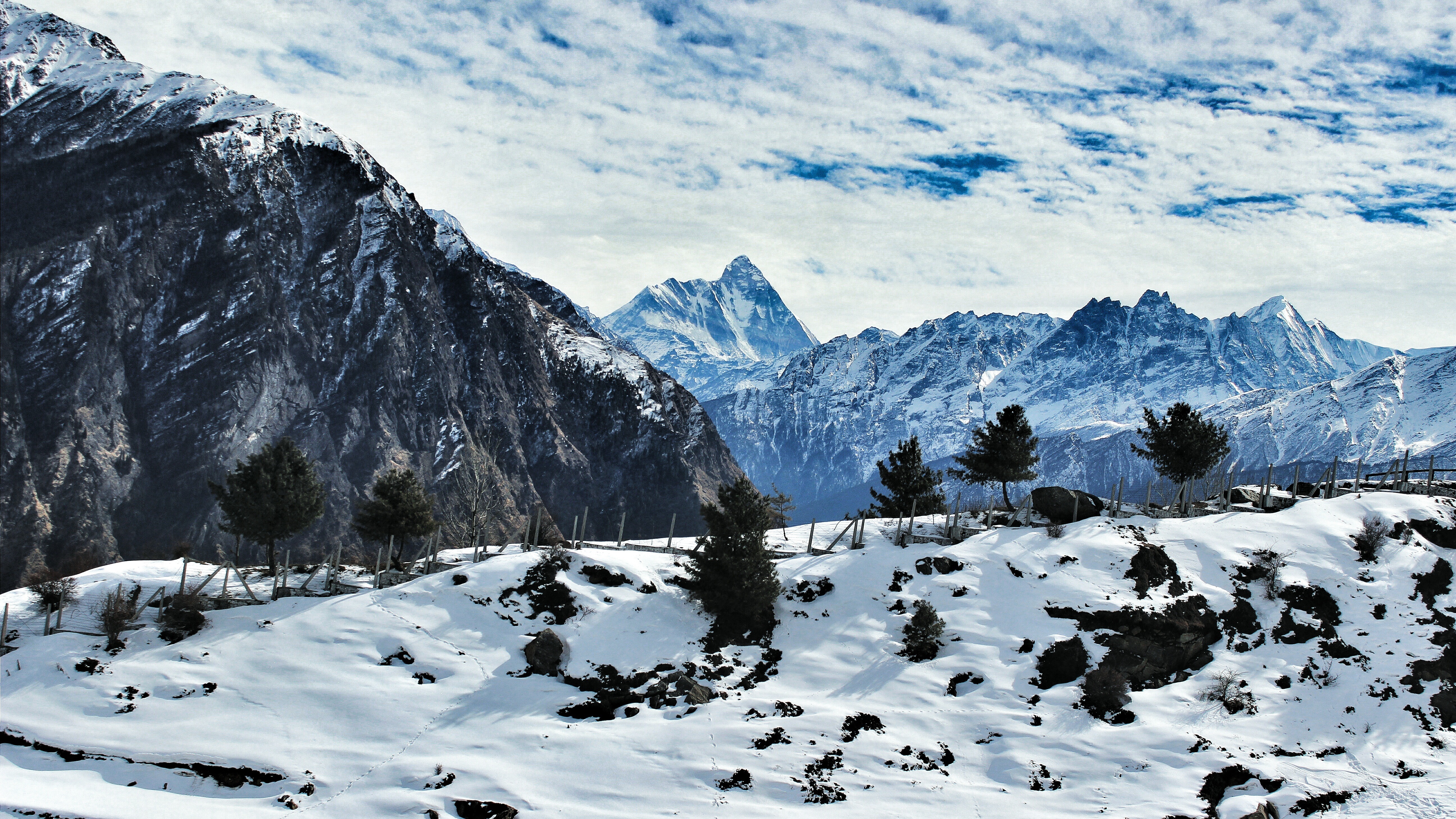
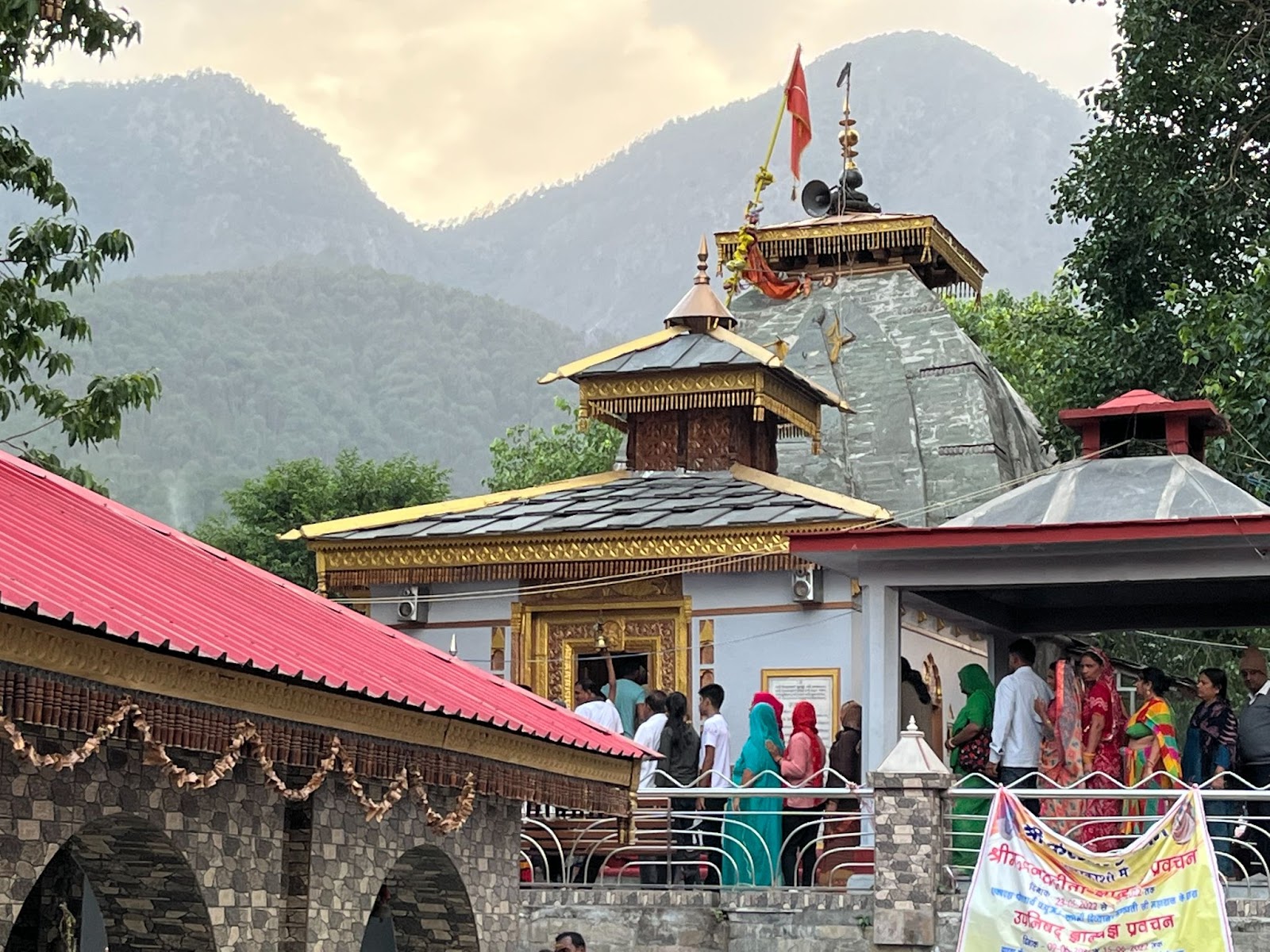
Yamunotri Temple is one of the most sacred pilgrimage sites in India and holds immense religious importance in Hinduism. Located in the Uttarkashi district of Uttarakhand, the temple is dedicated to Goddess Yamuna, the divine personification of the Yamuna River. Nestled amidst the majestic Garhwal Himalayas at an altitude of around 3,293 meters, Yamunotri is also one of the four holy shrines included in the famous Char Dham Yatra. Surrounded by snow-covered peaks, dense forests, waterfalls, and rugged mountain terrain, the temple offers both spiritual peace and breathtaking natural beauty.
Journey from Barkot to Hanuman Chatti
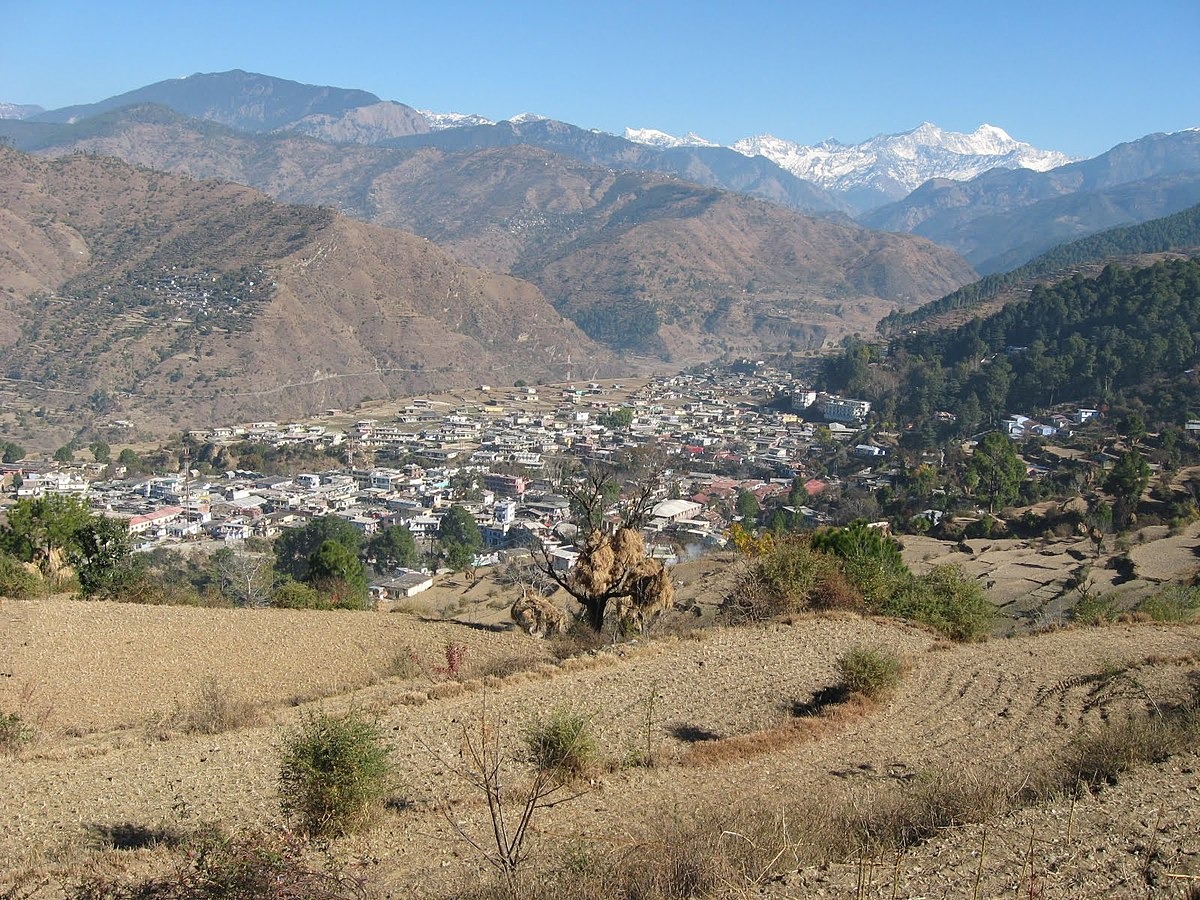
The journey to Yamunotri usually begins from Barkot, a scenic hill town that serves as an important base for pilgrims traveling toward the shrine. From Barkot, a winding mountain road leads to Hanuman Chatti, which was traditionally the starting point of the trek to Yamunotri. Along the route, travelers pass through beautiful settlements such as Phool Chatti and Syanachatti. These small Himalayan villages are known for their peaceful surroundings and provide good accommodation facilities for pilgrims and tourists. Surrounded by forests, rivers, and mountain landscapes, these stops offer travelers a chance to rest and acclimatize before continuing their spiritual journey.
Routes to Reach Yamunotri Temple
There are traditionally two routes to reach Yamunotri Temple. One route follows the right bank of the Yamuna River and passes through the sacred Markandeya Tirtha. According to Hindu mythology, Sage Markandeya meditated here and composed the famous Markandeya Purana. The route is filled with scenic beauty, flowing streams, and lush greenery, making the journey spiritually uplifting as well as visually rewarding.
The second route passes along the left bank of the Yamuna River through the picturesque Kharsali village. This ancient Himalayan village is known for its traditional wooden houses, cultural heritage, and spiritual importance. During the winter months, when heavy snowfall forces the closure of Yamunotri Temple, the idol of Goddess Yamuna is shifted to Kharsali for worship. From the village, it usually takes around five to six hours to reach Yamunotri on foot, depending on weather conditions and physical fitness.
The Sacred Yamunotri Temple
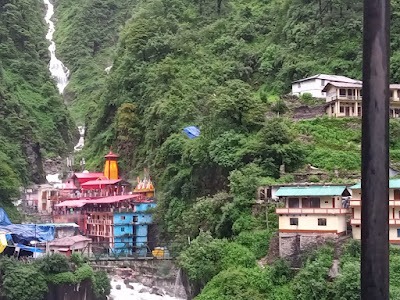
Yamunotri Temple is dedicated to Goddess Yamuna, who is worshipped as the goddess of purity and life-giving waters. The temple houses a black-colored idol of Goddess Yamuna alongside a white idol of Goddess Ganga. These idols symbolize the sacred rivers that play a major role in the spiritual and cultural life of India. The peaceful atmosphere of the temple, combined with the sound of the flowing river and surrounding Himalayan peaks, creates a deeply spiritual experience for devotees.
The present structure of the temple has been rebuilt several times due to damage caused by harsh weather and natural calamities in the Himalayan region. Despite this, the temple continues to remain one of the most visited pilgrimage destinations in northern India.
Surya Kund and Gauri Kund
One of the most unique features of Yamunotri Temple is the presence of natural hot water springs known as kunds. Among them, Surya Kund and Gauri Kund are the most famous. Surya Kund contains extremely hot water and is named after Surya, the Sun God, who is believed to be the father of Goddess Yamuna. Pilgrims often cook rice and potatoes in the boiling water as an offering to the deity. The cooked food is later taken home as prasad.
Gauri Kund, on the other hand, has comparatively cooler water and is used by devotees for ritual bathing before entering the temple. The sight of steaming hot springs amidst the cold Himalayan surroundings adds a fascinating natural element to the spiritual experience at Yamunotri.
Kalindi Parvat and the Source of the Yamuna
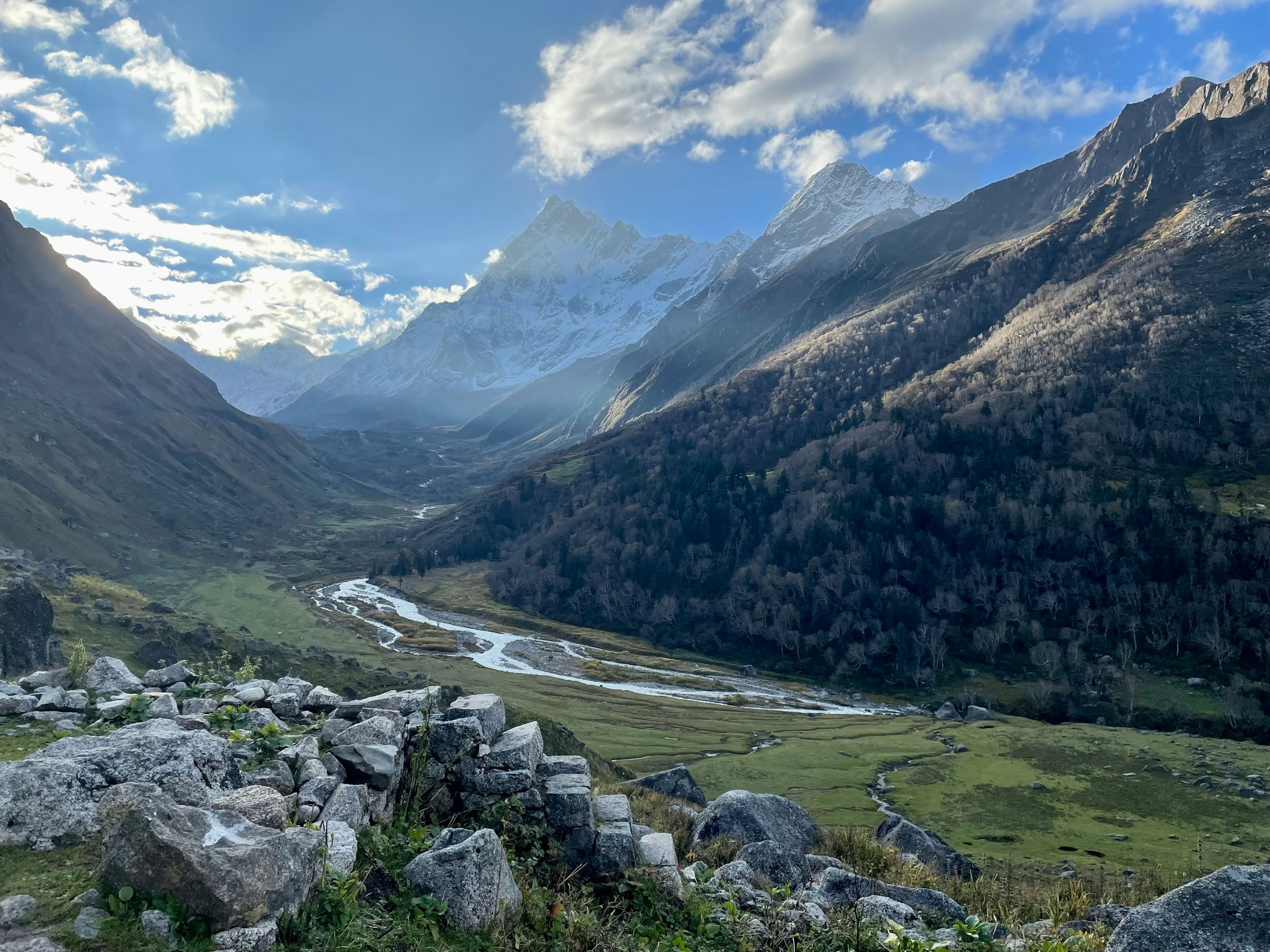
Beyond Yamunotri Temple lies the rugged trail leading toward Kalindi Parvat in the Bandarpoonch mountain range. This region is considered the true glacial source of the Yamuna River. The trek further ahead is challenging but incredibly rewarding for adventure enthusiasts and trekkers. The area is surrounded by chestnut trees, alpine vegetation, and beautiful wild Himalayan roses that bloom in abundance during the warmer months.
The untouched beauty of Kalindi Parvat reflects the raw charm of the Himalayas and gives visitors a deeper appreciation of the origin of the sacred river. The region remains largely unspoiled and attracts nature lovers, photographers, and experienced trekkers.
Religious Importance and Mythology
According to Hindu mythology, the Yamuna River is considered highly sacred, and taking a dip in its waters is believed to wash away sins and protect devotees from untimely death. Goddess Yamuna is also regarded as the sister of Yama, the God of Death. It is believed that worshipping Yamuna grants spiritual purification and blessings for a peaceful life.
The temple and its surrounding region have been associated with sages, saints, and spiritual practices for centuries. Pilgrims visit Yamunotri not only for religious reasons but also to experience the calmness and divine atmosphere of the Himalayas.
Best Time to Visit Yamunotri Temple
The best time to visit Yamunotri Temple is between May and October, when the weather remains pleasant and the temple remains open for pilgrims. During winter, heavy snowfall covers the region, making access impossible. The temple is officially closed during this period, and the idol of Goddess Yamuna is moved to Kharsali village for worship.
Summer months are ideal for trekking and sightseeing, while the monsoon season brings lush greenery to the region. However, travelers should remain cautious during heavy rainfall due to the possibility of landslides in the Himalayan terrain.
Maps and Location
FAQs
1. Where is Yamunotri Temple located?
Yamunotri Temple is located in the Uttarkashi district of Uttarakhand in the Garhwal Himalayas.
2. Why is Yamunotri Temple famous?
The temple is famous as one of the Char Dham pilgrimage sites and for being associated with the source region of the Yamuna River.
3. What are Surya Kund and Gauri Kund?
These are natural hot water springs near the temple. Surya Kund contains extremely hot water, while Gauri Kund is used for ritual bathing.
4. How difficult is the trek to Yamunotri?
The trek is moderately challenging and involves steep uphill sections. Ponies and palanquins are available for those who cannot walk.
5. What is the best time to visit Yamunotri Temple?
The ideal time to visit is from May to October when the temple remains open and weather conditions are favorable.
6. What is the significance of Kharsali village?
Kharsali is the winter seat of Goddess Yamuna, where the idol is worshipped during the temple’s winter closure.
7. Is Yamunotri the actual source of the Yamuna River?
The actual glacial source lies further ahead near Kalindi Parvat in the Bandarpoonch range.
8. Are accommodation facilities available near Yamunotri?
Yes, accommodation options are available at Barkot, Hanuman Chatti, Janki Chatti, Phool Chatti, and nearby locations.