About Barkot
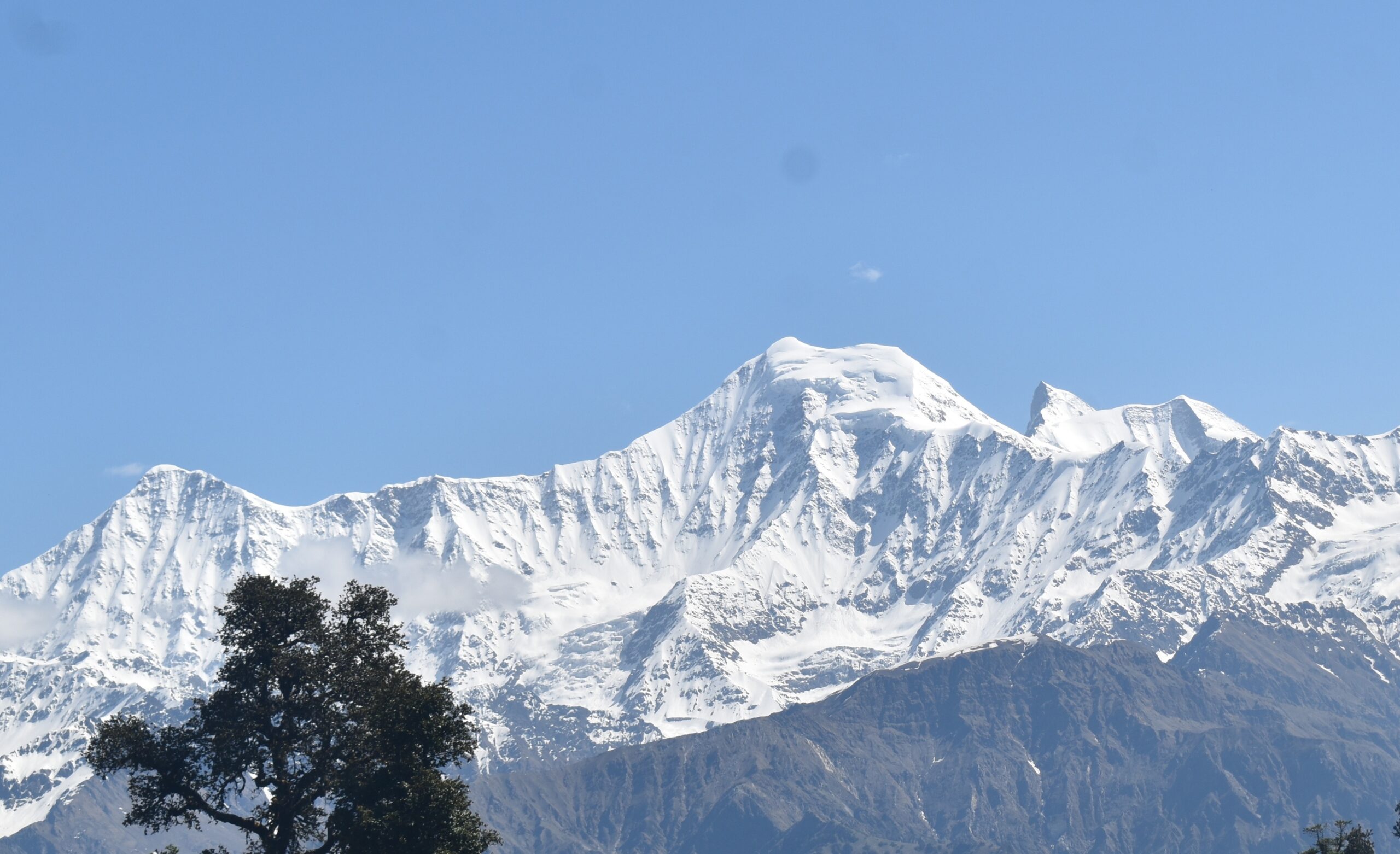
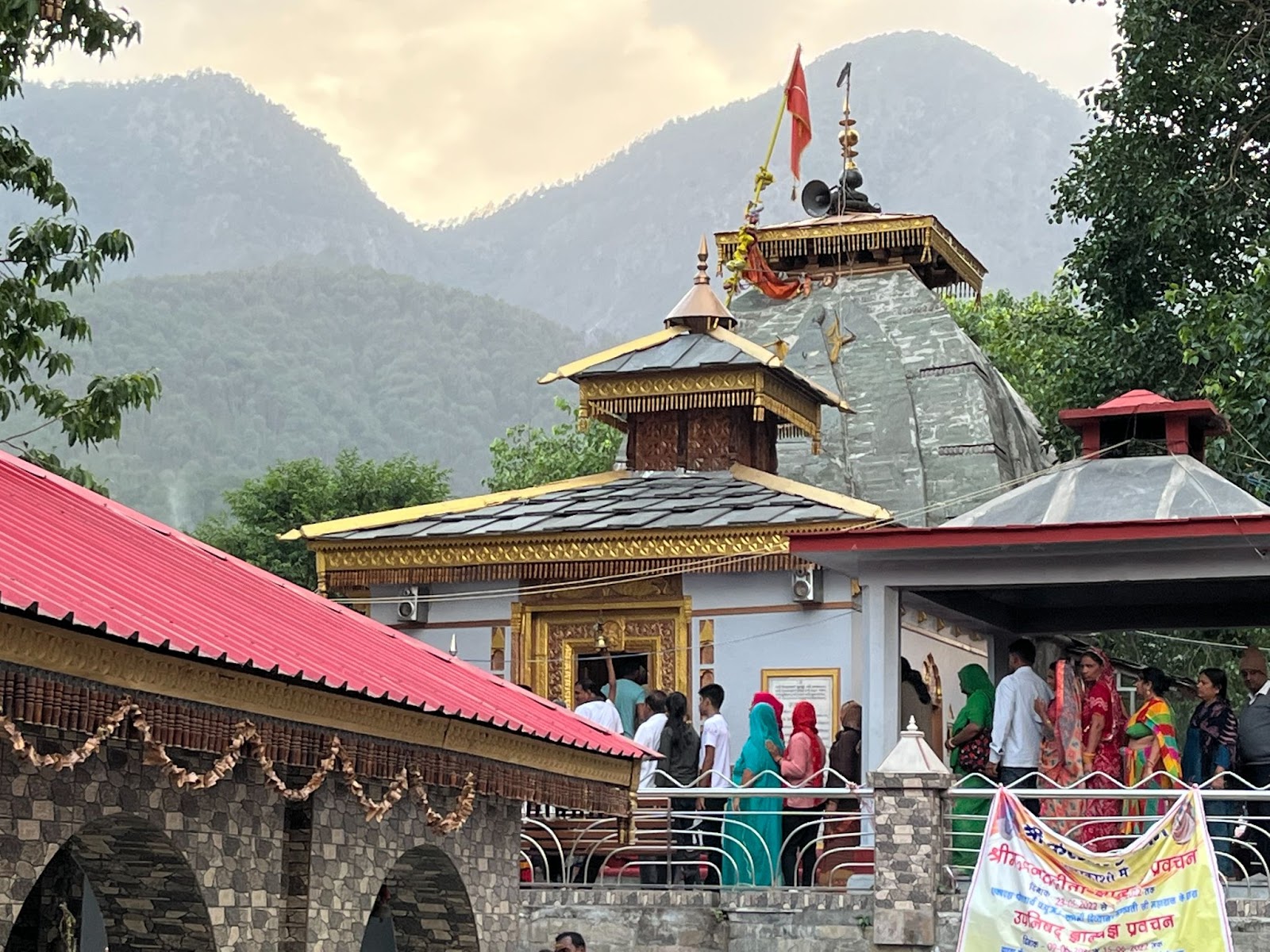
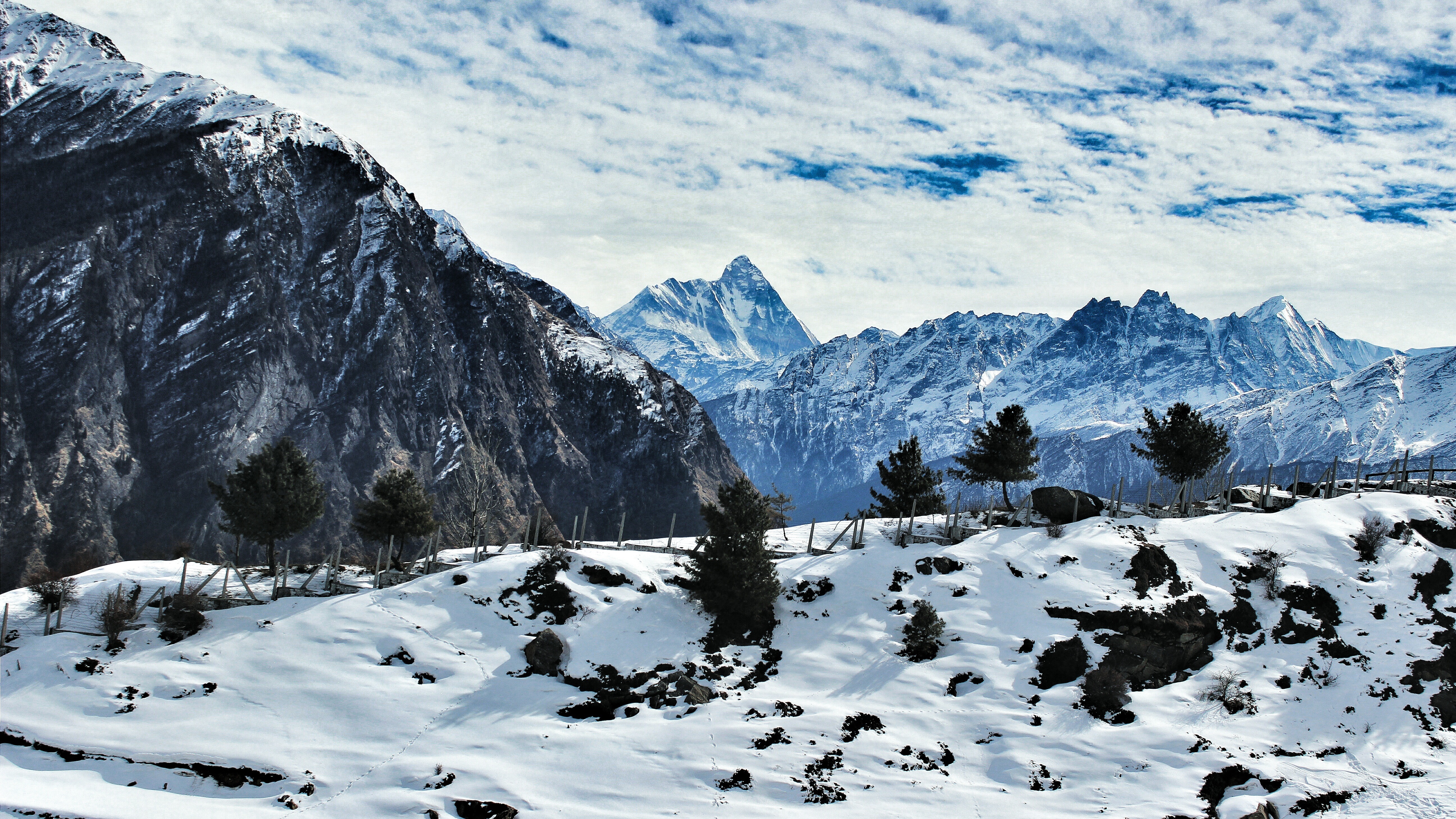
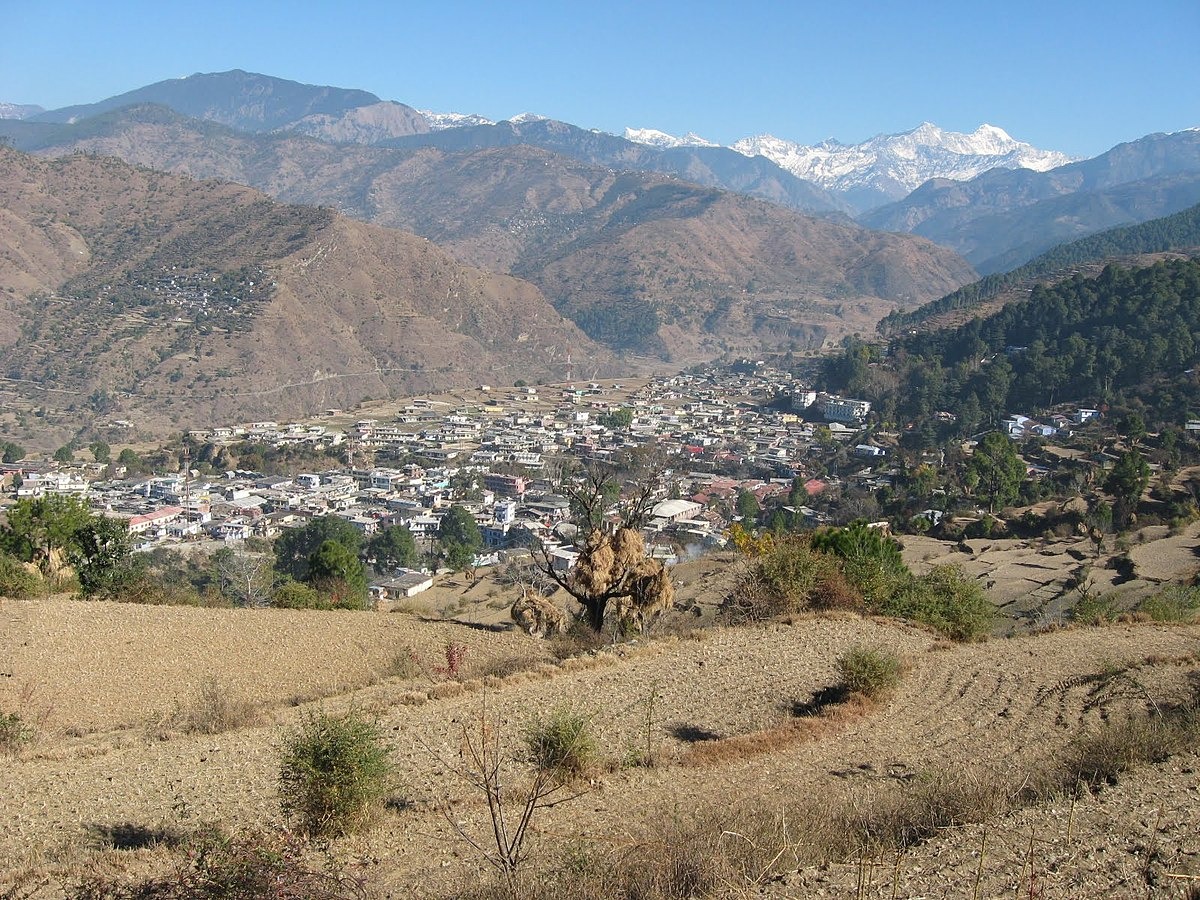
Nestled in the picturesque Uttarkashi district of Uttarakhand, Barkot is a charming hill town that serves as one of the primary gateways to the sacred Yamunotri Dham. Located on the banks of the Yamuna River at an elevation of about 1,220 meters (4,000 feet), Barkot is surrounded by lush forests, terraced fields, apple orchards, and the snow-clad peaks of the majestic Bandarpunch Range. The town offers a refreshing blend of natural beauty, peaceful surroundings, and spiritual significance, making it much more than just a stopover for pilgrims.
Barkot lies approximately 50 km from Yamunotri and 61 km from Uttarkashi, making it a convenient base for travelers undertaking the Char Dham Yatra. Pilgrims often spend a night here before continuing their journey to Yamunotri, while nature lovers choose Barkot for its pleasant climate, scenic landscapes, and quieter atmosphere compared to the more crowded pilgrimage towns.
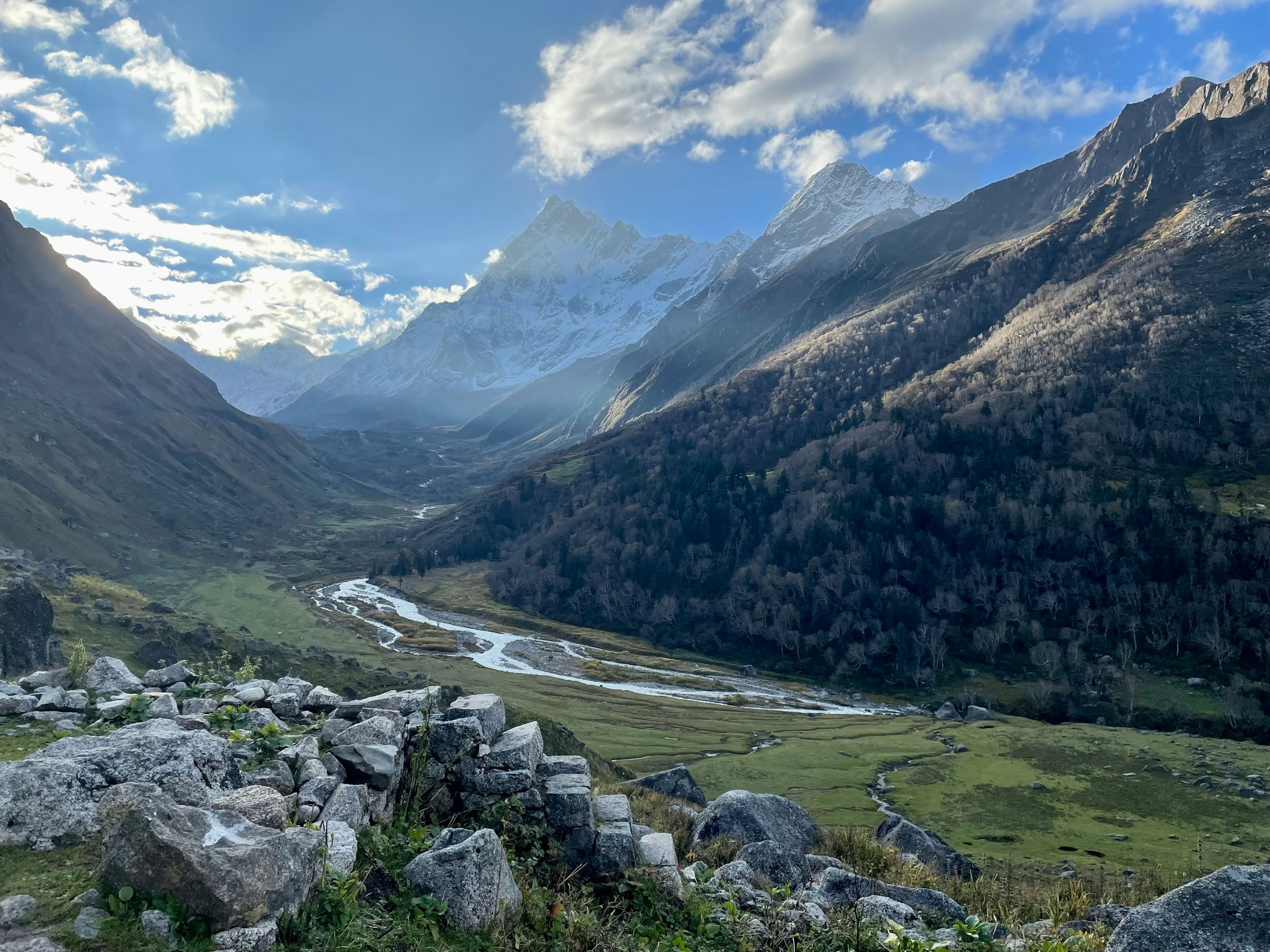
One of Barkot’s biggest attractions is its close connection with the Yamuna River, which originates from the nearby Yamunotri Glacier. The river flows gracefully through the valley, creating beautiful riverside views and providing opportunities for photography, riverside walks, and seasonal adventure activities. Depending on water conditions, visitors can also enjoy rafting in selected stretches of the Yamuna under the supervision of local operators.
The region surrounding Barkot is well known for its apple orchards, especially during late summer and autumn when the trees are laden with fresh fruit. These orchards, along with traditional Garhwali villages, offer visitors a glimpse into the rural lifestyle of the Himalayas. During spring and early summer, the hills around Barkot are covered with blooming wildflowers, while the clear mountain air and panoramic views of the Bandarpunch massif make it a paradise for photographers and nature enthusiasts.
Apart from its natural beauty, Barkot serves as an ideal destination for travelers looking to explore nearby attractions such as Hanuman Chatti, Janki Chatti, Syanachatti, and Yamunotri Temple. The town also has a variety of hotels, guesthouses, homestays, restaurants, and travel services, making it a comfortable place to relax before heading into the higher Himalayan regions.
Whether you are embarking on a spiritual pilgrimage, planning a Himalayan road trip, or simply looking for a peaceful mountain retreat, Barkot offers a perfect combination of scenic beauty, cultural heritage, and easy accessibility.
Best Time to Visit Barkot
Barkot can be visited for most of the year, but the best time is from April to June and September to October.
During April to June, temperatures remain pleasant, generally ranging between 10°C and 25°C, making it ideal for sightseeing, trekking, and beginning the Char Dham Yatra. The surrounding hills are lush green, and the weather is comfortable for outdoor activities.
The monsoon season (July to August) brings moderate to heavy rainfall. Although the landscape becomes incredibly green and beautiful, landslides and road blockages are fairly common in the Himalayan region. Travelers should check weather and road conditions before planning a visit during this period.
From September to October, Barkot enjoys clear skies, crisp mountain air, and spectacular views of the snow-covered Himalayan peaks. This is considered one of the finest times for photography and pilgrimage, as the post-monsoon weather is stable and pleasant.
During the winter months (November to March), temperatures drop significantly, and nearby higher-altitude regions receive snowfall. While Barkot itself experiences cold weather, it remains relatively accessible, though many pilgrimage-related facilities begin to close after the Char Dham season ends.
How to Reach Barkot
Barkot is well connected by road to major towns and cities in Uttarakhand and serves as an important halt on the route to Yamunotri.
By Air: The nearest airport is Jolly Grant Airport, Dehradun, about 170 km away. Taxis and shared vehicles are readily available from the airport to Barkot via Mussoorie or Vikasnagar.
By Train: The closest railway stations are Dehradun Railway Station (around 130 km) and Rishikesh Railway Station (around 160 km). Both stations are connected to several major Indian cities. From there, buses and taxis regularly operate to Barkot.
By Road: Barkot is easily accessible via motorable roads from Dehradun, Rishikesh, Haridwar, Mussoorie, Uttarkashi, and Yamunotri. Regular state transport buses, private buses, shared jeeps, and taxis are available during the Char Dham Yatra season. The scenic drive passes through beautiful mountain roads, pine forests, waterfalls, and charming Garhwali villages.
Nearby Attractions
- Yamunotri Temple (50 km): One of the four sacred Char Dham shrines and the source pilgrimage of the Yamuna River.
- Hanuman Chatti (36 km): A picturesque village where the Hanuman Ganga meets the Yamuna, known for trekking routes and peaceful surroundings.
- Janki Chatti (45 km): The final roadhead before the trek to Yamunotri, famous for its natural hot springs.
- Syanachatti (27 km): A quiet Himalayan village surrounded by forests and terraced fields, ideal for a peaceful halt.
- Bandarpunch Peak: One of the most prominent Himalayan peaks visible from the Barkot region and a favorite among trekkers and photographers.
- Uttarkashi (61 km): A spiritual town known for the ancient Vishwanath Temple, Nehru Institute of Mountaineering, and the Bhagirathi River.
- Lakhamandal (around 75 km): An ancient archaeological site associated with the Mahabharata, featuring centuries-old temples and fascinating stone carvings.
- Mussoorie (about 95 km): Popular hill station known for Kempty Falls, Gun Hill, Camel’s Back Road, and colonial-era charm.
Maps
FAQs
1. Why is Barkot famous?
Barkot is best known as the gateway to Yamunotri and an important stop on the Char Dham Yatra. It is also admired for its scenic Himalayan views, apple orchards, and peaceful riverside setting.
2. Is Barkot worth visiting apart from the Char Dham Yatra?
Yes. Barkot is an excellent destination for nature lovers, photographers, road-trippers, and travelers looking for a peaceful Himalayan getaway.
3. How many days are enough for Barkot?
A stay of 1–2 days is sufficient to explore Barkot and nearby attractions, while pilgrims usually stay overnight before proceeding to Yamunotri.
4. Does Barkot receive snowfall?
Barkot experiences cold winters, but significant snowfall generally occurs in the higher-altitude areas around the town rather than in the town itself.
5. Are hotels and restaurants available in Barkot?
Yes. Barkot offers a good range of hotels, guesthouses, homestays, budget lodges, restaurants, medical facilities, fuel stations, and ATMs, especially during the Char Dham pilgrimage season.
6. Can I see the Bandarpunch peaks from Barkot?
Yes. On clear days, the snow-covered Bandarpunch Range is visible from several viewpoints around Barkot, particularly during the post-monsoon and winter months.