Image Source: sanjay chaudhary
About Niti Valley
Nestled in the far northeastern corner of Uttarakhand, Niti Valley is one of the most remote and breathtaking Himalayan valleys in India. Located in the Chamoli district close to the Indo-Tibetan border, the valley is known for its dramatic mountain landscapes, ancient villages, vibrant Bhotia culture, and fascinating history as a former trade corridor between India and Tibet. The valley stretches towards the historic Niti Pass, situated at an elevation of about 5,086 metres, which once served as an important gateway for traders travelling across the Himalayas until cross-border trade came to a halt following the 1962 India-China War.
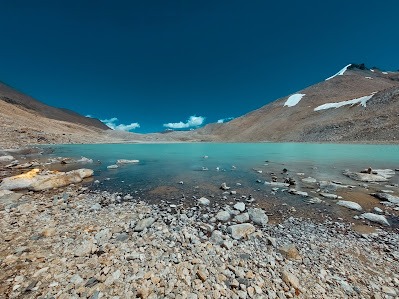
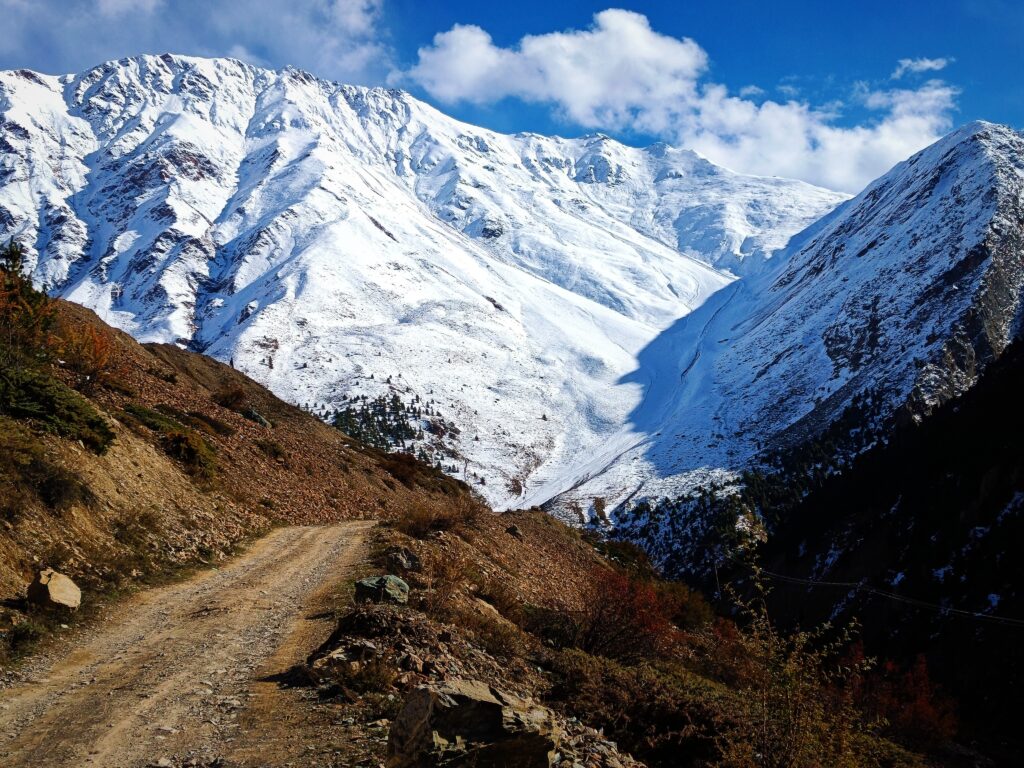
Unlike the lush green valleys found across much of Uttarakhand, Niti Valley has a stark, high-altitude landscape with barren mountains, rocky slopes, alpine meadows, and snow-covered peaks. The scenery often reminds visitors of Himachal Pradesh’s Spiti Valley, making Niti one of Uttarakhand’s most unique destinations. Because of its strategic location near the international border, visitors require permission from local authorities to travel beyond certain checkpoints.
The journey through the valley is as memorable as the destination itself. Beginning from Joshimath, the road winds alongside the roaring Dhauliganga River, passing charming Himalayan villages, natural hot springs, ancient temples, and magnificent viewpoints before finally reaching Niti Village, one of India’s last inhabited villages near the Tibetan frontier.
Villages of Niti Valley
Several traditional Himalayan villages are scattered throughout the valley, each preserving centuries-old customs and architecture. Among the best-known settlements are Lata, Kaga, Dronagiri, Malari, Bampa, Gamshali, and Niti. These villages are primarily inhabited by members of the Rongpa (Marcha and Tolchha Bhotia) community, who have historically depended on trans-Himalayan trade, livestock rearing, and seasonal agriculture.
The final destination for most travellers is Niti Village, located at an altitude of around 3,600 metres. Home to only a few dozen families, the village remains sparsely populated. During the harsh winter months, almost the entire population migrates to lower-altitude settlements as heavy snowfall makes life in the valley extremely difficult.
Tapovan
About 14 kilometres from Joshimath, Tapovan is the first major attraction on the route to Niti Valley. The village is famous for its naturally occurring hot sulphur springs, where travellers often stop to relax before continuing their journey into the higher Himalayas.
Tapovan also serves as the starting point for the trek to Bhavishya Badri, one of the revered Panch Badri temples dedicated to Lord Vishnu. Surrounded by forests and mountain views, the village combines spirituality with natural beauty, making it a rewarding stop for pilgrims and nature lovers alike.
Dronagiri View Point
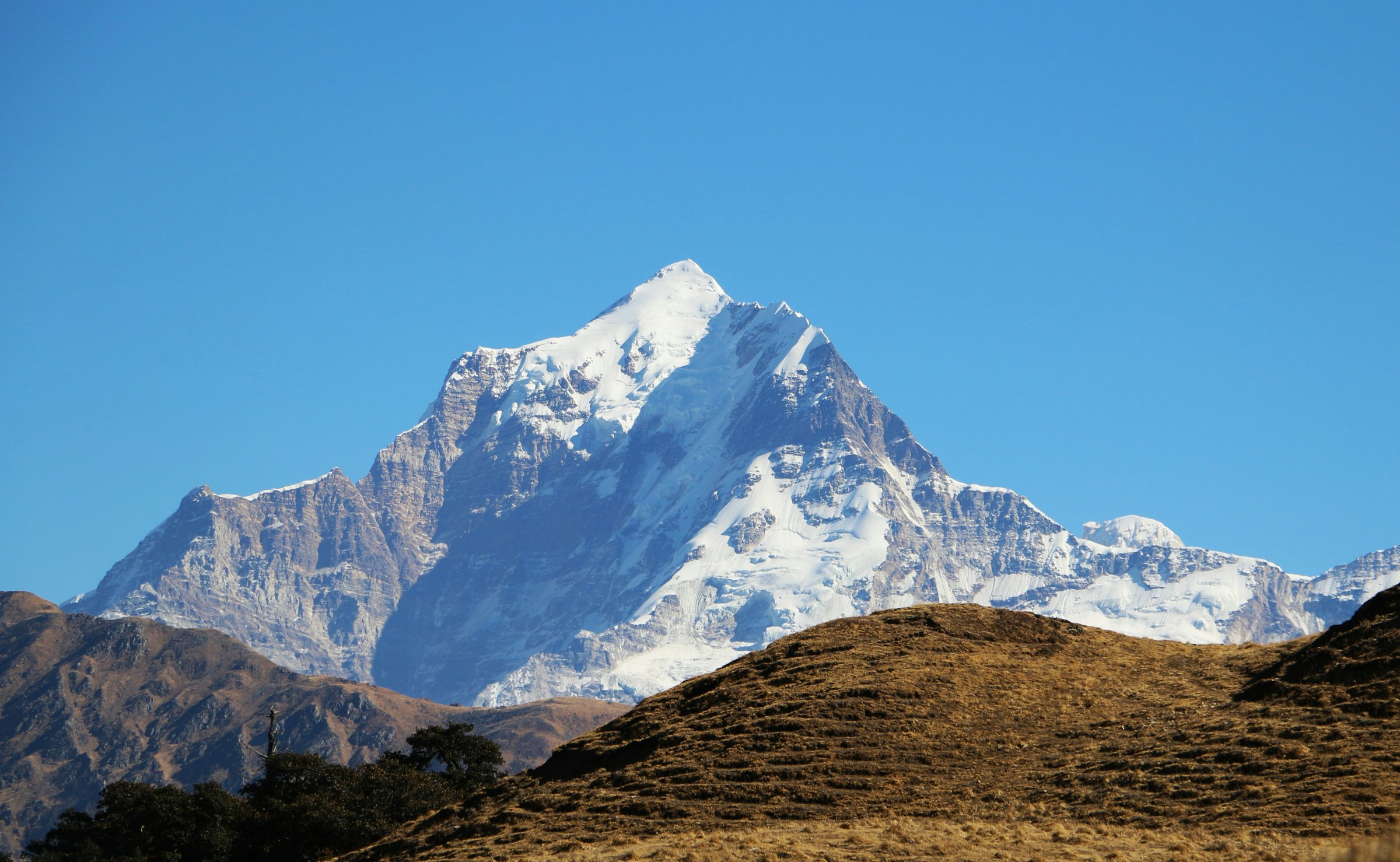
One of the highlights of the drive through Niti Valley is the spectacular Dronagiri View Point, situated at an elevation of nearly 12,000 feet. On clear days, visitors are rewarded with breathtaking panoramic views of towering Himalayan peaks, including Dronagiri, Nanda Devi, and several surrounding snow-covered mountains.
Dronagiri Peak, rising to approximately 7,066 metres, forms part of the outer wall of the famous Nanda Devi Sanctuary. The mountain is deeply connected with Hindu mythology. According to the Ramayana, Lord Hanuman came here searching for the life-saving Sanjeevani herb to revive Lakshmana. Unable to identify the herb, he lifted an entire section of the mountain and carried it away. Local traditions tell a different side of the story, and many residents of Dronagiri village continue to regard the mountain as sacred and refrain from worshipping Hanuman because of this legendary event.
The Dhauliganga River
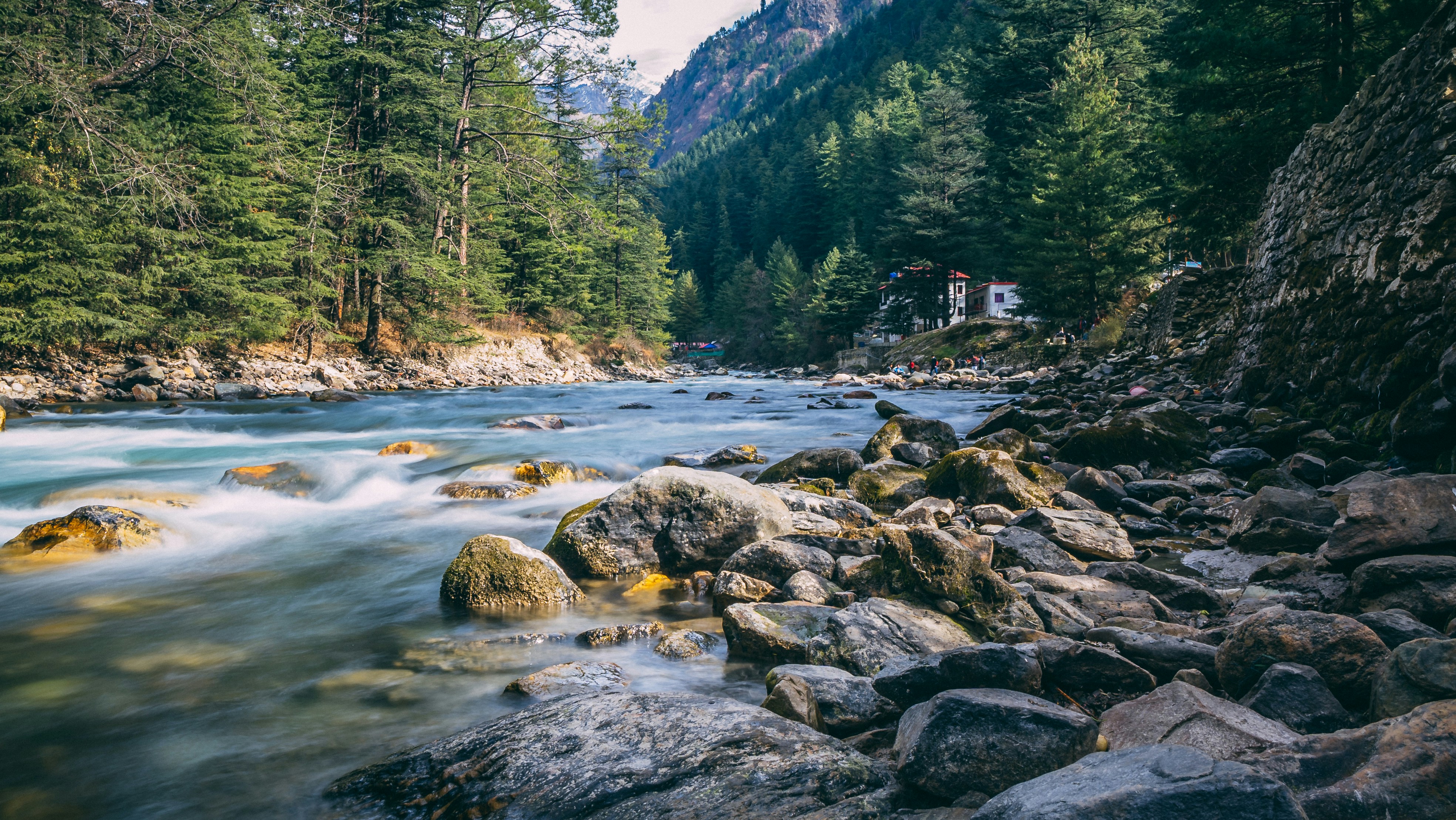
Throughout the drive into Niti Valley, the powerful Dhauliganga River remains a constant companion. Originating near Niti Pass, the river flows for nearly 82 kilometres through steep Himalayan gorges before joining the Rishi Ganga near Raini village. It eventually merges with the Alaknanda River at Vishnuprayag, just outside Joshimath.
The river not only shapes the valley’s dramatic landscape but also supports the local ecosystem and agriculture. During summer, its glacial waters create beautiful turquoise streams, while in winter, many sections freeze under heavy snowfall.
Malari and Gamshali Villages
Further along the valley lie the picturesque villages of Malari and Gamshali, both known for their traditional stone houses and rich Himalayan culture. Malari is one of the largest settlements in the valley and is predominantly inhabited by the Bhotia community.
Gamshali, located just before Niti Village, serves as the base for several high-altitude trekking routes, including the Gupt Khal Trek and Bhyundar Khal Trek. The surrounding alpine landscapes, glaciers, and mountain passes make this area especially popular among experienced trekkers and adventure enthusiasts.
Agriculture and Local Lifestyle
Life in Niti Valley revolves around a very short summer season. Because of the extreme climate, farming is possible for only a few months each year. The villagers primarily cultivate rajma (kidney beans), potatoes, barley, peas, apples, and apricots, while sheep and yak rearing also contribute to the local economy.
The people continue to preserve their traditional customs, wooden architecture, wool weaving, and seasonal migration practices that have been followed for generations.
People and Culture
The valley is home to the Rongpa community, one of the indigenous Himalayan groups of Uttarakhand. Their language, customs, festivals, cuisine, and clothing reflect a fascinating blend of Indian and Tibetan influences.
Visitors often experience warm hospitality from local families, who proudly share stories about their traditions, mountain life, and ancient trade routes that once connected India with Tibet.
Accommodation in Niti Valley
Tourism infrastructure in Niti Valley remains minimal, which is part of its charm. There are no luxury hotels or large resorts in the valley. Most visitors prefer making a day trip from Joshimath.
Those wishing to spend a night can stay in simple village homestays or guest accommodations operated by local families. These homestays provide clean rooms, home-cooked meals, and an authentic cultural experience at reasonable prices. Since facilities are limited, carrying cash, warm clothing, medicines, and essential supplies is highly recommended.
Best Time to Visit
The ideal time to visit Niti Valley is between May and October, when the roads remain open and the weather is relatively pleasant. During these months, visitors can enjoy clear mountain views, blooming alpine vegetation, and comfortable temperatures.
From late autumn through early spring, heavy snowfall blocks the roads, and most residents migrate to lower-altitude villages.
How to Reach Niti Valley
Niti Valley is approximately 85 kilometres from Joshimath and is connected by a scenic mountain road that passes through Tapovan, Lata, Malari, Gamshali, and several security checkpoints. The nearest major town is Joshimath, which is well connected by road to Rishikesh, Haridwar, Dehradun, and other parts of Uttarakhand.
The nearest railway station is Rishikesh, about 270 kilometres away, while Jolly Grant Airport, Dehradun, located around 290 kilometres from Joshimath, is the nearest airport. From Joshimath, travellers can hire private taxis or shared vehicles to reach the valley. Since Niti Valley lies close to the international border, Indian citizens may need to register or obtain permission at designated checkpoints before travelling beyond certain areas. Foreign nationals should verify the latest travel regulations before planning their visit.
Nearby Attractions
Several remarkable destinations can be explored along with Niti Valley:
- Joshimath – A historic pilgrimage town and the winter seat of Lord Badrinath.
- Tapovan Hot Springs – Famous for naturally occurring sulphur-rich hot water.
- Bhavishya Badri – One of the sacred Panch Badri temples reached via a scenic trek.
- Lata Village – Gateway to the Nanda Devi National Park and renowned for its traditional Bhotia culture.
- Dronagiri Village – A mythologically significant Himalayan settlement with stunning mountain scenery.
- Malari Village – One of the oldest villages in the valley with traditional Himalayan architecture.
- Gamshali Village – Base for high-altitude trekking expeditions.
- Vishnuprayag – Sacred confluence of the Alaknanda and Dhauliganga rivers.
- Nanda Devi Biosphere Reserve – A UNESCO-recognised region rich in Himalayan biodiversity.
- Mahadev Temple – Situated between Gamshali and Niti villages, this sacred cave shrine is known for its naturally forming ice Shiva Lingam, often compared with the famous Amarnath Cave.
Maps and Location of Niti Valley
FAQs
1. Where is Niti Valley located?
Niti Valley is located in Chamoli district of Uttarakhand near the Indo-Tibetan border.
2. What is Niti Valley famous for?
It is famous for its Himalayan landscapes, traditional Bhotia villages, ancient trade route, and scenic drive through the high Himalayas.
3. Do I need a permit to visit Niti Valley?
Yes. Since the valley is close to the international border, visitors may need permission or registration at security checkpoints.
4. What is the best time to visit Niti Valley?
The best season is from May to October when roads remain open.
5. Can tourists stay overnight in Niti Village?
Yes. Basic homestays are available, although most travellers visit as a day trip from Joshimath.
6. Is Niti Valley similar to Spiti Valley?
Yes. Its barren mountains, high-altitude desert landscape, and Tibetan-influenced culture often remind visitors of Spiti Valley.
7. Which river flows through Niti Valley?
The Dhauliganga River flows through the valley before joining the Alaknanda River at Vishnuprayag.
8. Which community lives in Niti Valley?
The valley is primarily inhabited by the Rongpa (Bhotia) community.
9. Is Niti Valley suitable for family trips?
Yes, provided visitors are comfortable travelling on mountain roads and high-altitude terrain.
10. What should I carry while visiting Niti Valley?
Carry warm clothing, medicines, identity documents, cash, drinking water, snacks, sunscreen, and sufficient fuel if travelling by private vehicle, as facilities are limited beyond Joshimath.