Introduction
The Madan Mohan Bari Temple, situated in the heart of Cooch Behar town in West Bengal, stands as one of the region’s most respected and spiritually significant temples. Dedicated to Lord Madan Mohan, a revered form of Lord Krishna, the temple is not only a sacred place of worship but also a symbol of the rich cultural and royal heritage of Cooch Behar. For generations, devotees, pilgrims, and visitors have gathered here to seek blessings, participate in religious ceremonies, and experience the peaceful atmosphere that surrounds this historic shrine.
More than just a temple, Madan Mohan Bari represents the deep spiritual roots of the Koch dynasty and continues to play an important role in the religious and social life of local communities.
Historical and Cultural Significance
The origins of the Madan Mohan Bari Temple are closely linked with the royal history of Cooch Behar. The temple was constructed during the reign of the Koch kings and received significant patronage under Maharaja Nripendra Narayan in the late nineteenth century. It was built as an expression of devotion and royal faith, reflecting the close relationship between religion and governance during that era.
Lord Madan Mohan, regarded as the family deity of the Koch dynasty, occupies the central place within the temple. Devotees believe that the deity blesses worshippers with peace, prosperity, and spiritual guidance. Because of this long-standing belief, the temple remains deeply cherished among residents of Cooch Behar and surrounding regions.
The temple is also known for promoting inclusive worship. Alongside Lord Madan Mohan, visitors can find idols of Maa Kali, Maa Tara, and Maa Bhavani, allowing devotees of different Hindu traditions to offer prayers under one sacred roof. This combination of deities highlights the temple’s welcoming spiritual character and its importance as a shared religious space.
Culturally, the temple serves as a vibrant center of community life. Religious gatherings, devotional music, and annual festivals continue to preserve local traditions and strengthen social bonds among devotees.
Architectural Beauty
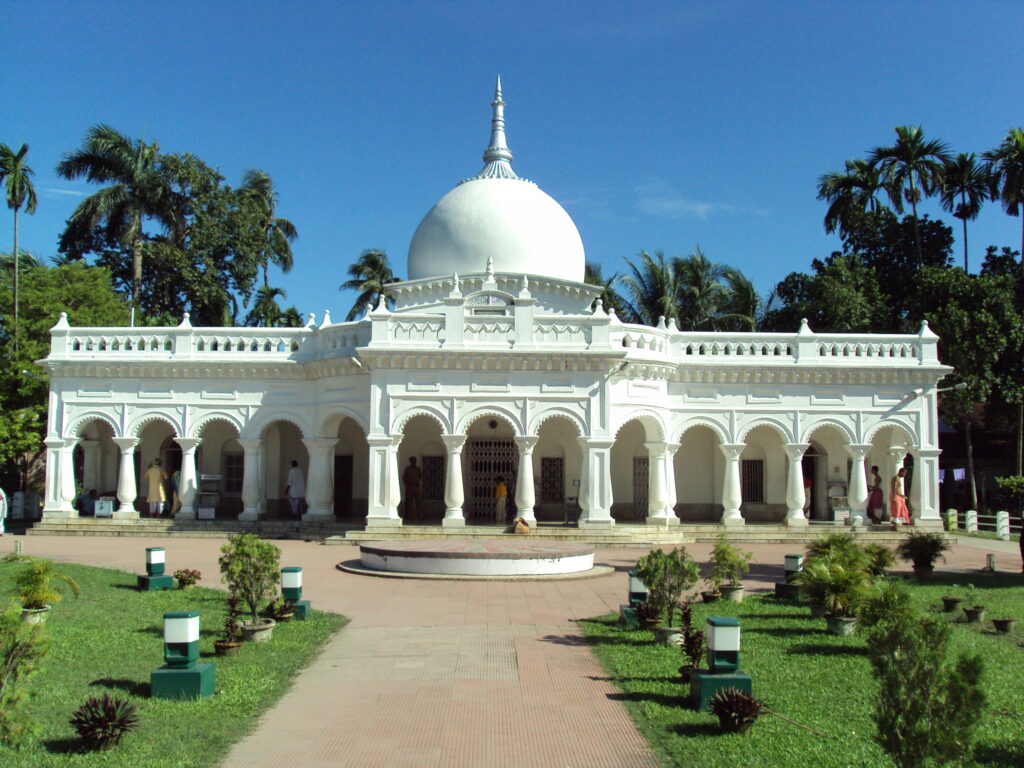
One of the temple’s most appealing features is its elegant yet modest architectural style. The Madan Mohan Bari Temple showcases a graceful blend of traditional Bengal temple design with subtle Mughal influences, reflecting the artistic preferences of the period in which it was built.
The white-painted structure immediately captures attention with its clean appearance and symmetrical layout. Its domed roof, arched entrances, and pillared verandahs create an atmosphere of dignity and serenity. Unlike heavily ornamented temples, Madan Mohan Bari maintains a refined simplicity that enhances its spiritual appeal.
Inside the temple, the sanctum sanctorum—the sacred inner chamber housing the deity—is beautifully adorned with traditional motifs and decorative elements. The spacious courtyard surrounding the temple plays an important role during festivals and rituals, providing ample space for devotees to gather, pray, and participate in religious celebrations.
The peaceful design of the temple encourages reflection and devotion, making it equally attractive to pilgrims and heritage enthusiasts.
Festivals and Religious Celebrations
The spiritual energy of Madan Mohan Bari Temple reaches its peak during festivals. Throughout the year, various religious ceremonies are performed, but the temple is particularly famous for the grand Rash Mela.
Rash Mela is among the largest and most celebrated festivals in Cooch Behar. Held annually in honor of Lord Krishna, the event draws thousands of devotees and visitors from West Bengal, neighboring Assam, and other parts of northeastern India. The festival transforms the temple grounds into a lively spiritual and cultural gathering filled with devotional songs, traditional performances, local fairs, and religious processions.
Janmashtami, marking the birth of Lord Krishna, is another major celebration observed here with great enthusiasm. Special prayers, bhajans, and night-long worship create an atmosphere of devotion and joy.
These festivals do more than celebrate faith—they preserve regional traditions, support local artisans and vendors, and strengthen the cultural identity of the community.
Visitor Experience
A visit to Madan Mohan Bari Temple offers more than sightseeing—it provides an opportunity for spiritual connection and cultural discovery. Daily worship rituals, melodious bhajans, and evening aarti create a calm and sacred environment that encourages prayer and contemplation.
Early mornings and evenings are particularly peaceful, allowing visitors to witness traditional temple rituals and experience the devotional atmosphere at its most serene. During festival periods, the temple takes on a completely different character, filled with music, lights, and vibrant crowds.
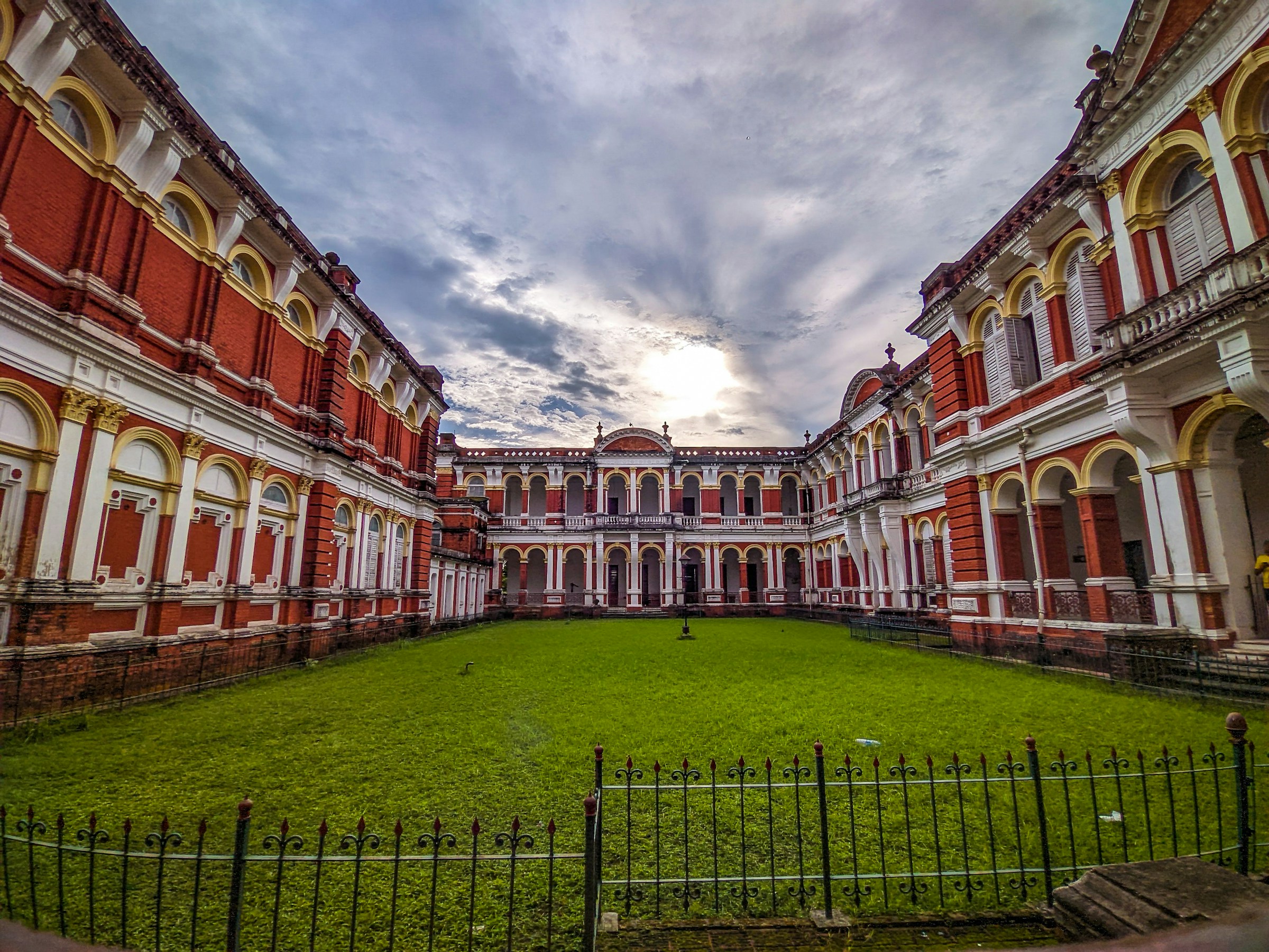
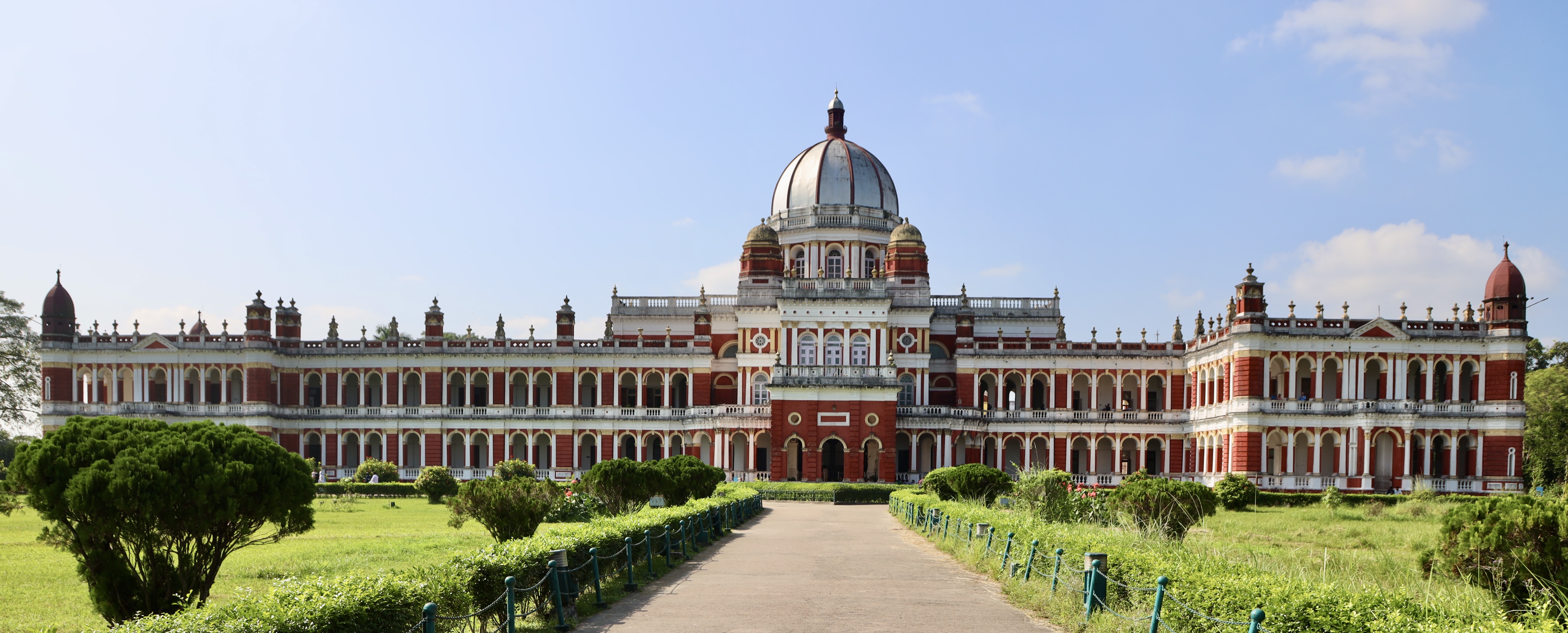
Many travelers combine their visit to the temple with nearby attractions, especially the historic Cooch Behar Rajbari Palace. Together, these landmarks offer a memorable journey through the spiritual and royal heritage of Cooch Behar.
Photography enthusiasts, history lovers, and religious pilgrims alike often find the temple to be a rewarding destination because of its harmonious blend of faith, architecture, and local culture.
How to Reach Madan Mohan Bari Temple
Reaching the temple is relatively convenient due to Cooch Behar’s well-developed transport connections.
By Air:
The nearest airport is Bagdogra Airport, located approximately 150 kilometers away. It offers connectivity to major cities such as Kolkata and Guwahati. From the airport, visitors can hire taxis or use bus services to reach Cooch Behar.
By Rail:
Cooch Behar Railway Station is well connected with important cities including Kolkata, Siliguri, and Guwahati. Rail travel is often considered one of the most convenient ways to reach the town.
By Road:
Cooch Behar is accessible through national highways and regional roads. Regular buses and taxis operate from nearby cities such as Siliguri, Jalpaiguri, and Guwahati, making road travel comfortable and widely available.
Best Time to Visit
The ideal time to visit Madan Mohan Bari Temple is between October and March, when the weather remains pleasant and suitable for sightseeing. This period also coincides with major religious celebrations and local festivals, allowing visitors to experience the temple at its most vibrant.
Those interested in witnessing the famous Rash Mela should plan their trip according to the festival schedule, as it offers a unique blend of spirituality, culture, and local tradition.
Nearby Attractions
- Cooch Behar Rajbari (Approx. 1 km)
A magnificent royal palace built in the Italian Renaissance style, showcasing the rich heritage of the Koch dynasty. It is one of the most iconic landmarks in Cooch Behar. - Sagar Dighi (Approx. 500 m)
A large historic lake in the heart of Cooch Behar, popular for morning walks, boating, birdwatching, and relaxing by the waterfront. - Baneswar Shiva Temple (Approx. 10 km)
A centuries-old temple dedicated to Lord Shiva, famous for its sacred pond inhabited by turtles and its vibrant Shivaratri celebrations. - Siddheswari Temple (Approx. 6 km)
An ancient temple dedicated to Goddess Siddheswari, known for its spiritual significance and peaceful surroundings. - Cooch Behar Deer Park (Approx. 4 km)
A small wildlife park where visitors can observe deer and enjoy a peaceful natural setting, making it a good family outing spot. - Rasik Beel (Approx. 35 km)
A beautiful freshwater wetland and bird sanctuary renowned for migratory birds, boating, nature trails, and scenic landscapes. It is a paradise for birdwatchers and photographers.
Google Maps
FAQs
1. What is the Madan Mohan Bari Temple famous for?
The temple is famous for its spiritual importance, historical connection with the Koch dynasty, and the grand Rash Mela festival celebrated annually.
2. Which deity is worshipped in the temple?
The temple is primarily dedicated to Lord Madan Mohan, a revered form of Lord Krishna. It also houses idols of Maa Kali, Maa Tara, and Maa Bhavani.
3. Who built the Madan Mohan Bari Temple?
The temple was built during the reign of the Koch kings and received royal patronage under Maharaja Nripendra Narayan in the late nineteenth century.
4. What is the Rash Mela?
Rash Mela is a major religious and cultural festival celebrated at the temple in honor of Lord Krishna. It attracts thousands of devotees and visitors every year.
5. Is the temple open to tourists as well as devotees?
Yes, the temple welcomes both devotees and tourists. Visitors interested in spirituality, architecture, and local history frequently visit the site.
6. Can the temple be visited along with other attractions in Cooch Behar?
Yes. Many visitors combine their temple visit with nearby attractions such as the Cooch Behar Rajbari Palace and other heritage sites in the town.
7. What is the best time of day to visit?
Morning and evening hours are often preferred, as visitors can witness prayer rituals and experience the temple’s peaceful atmosphere.